Astride Jumps
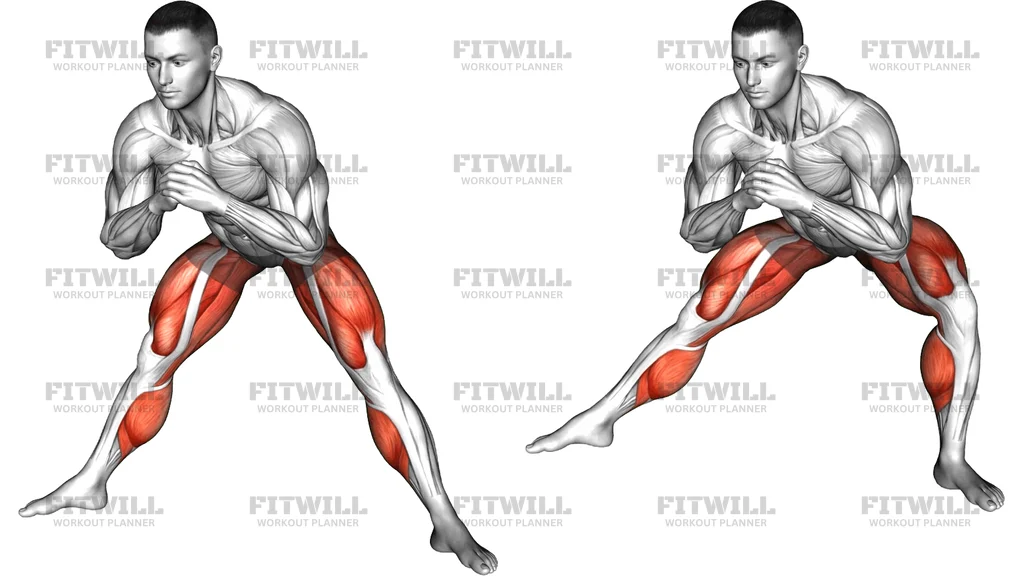
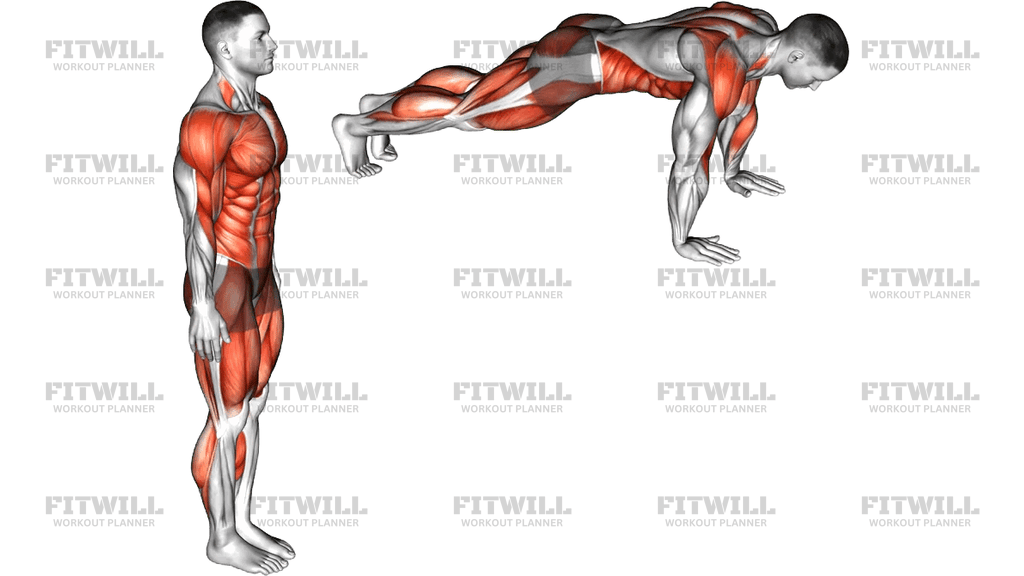
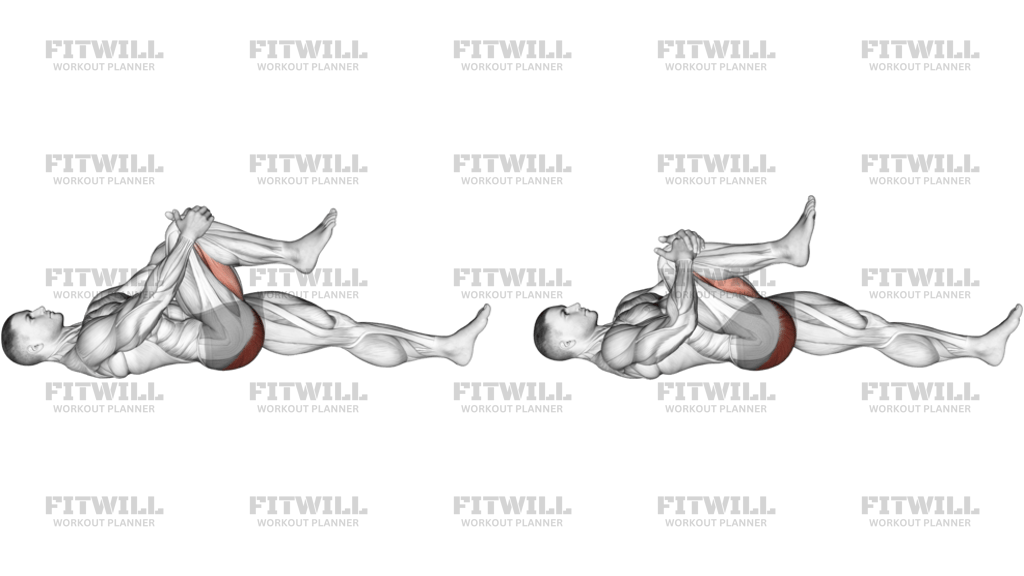
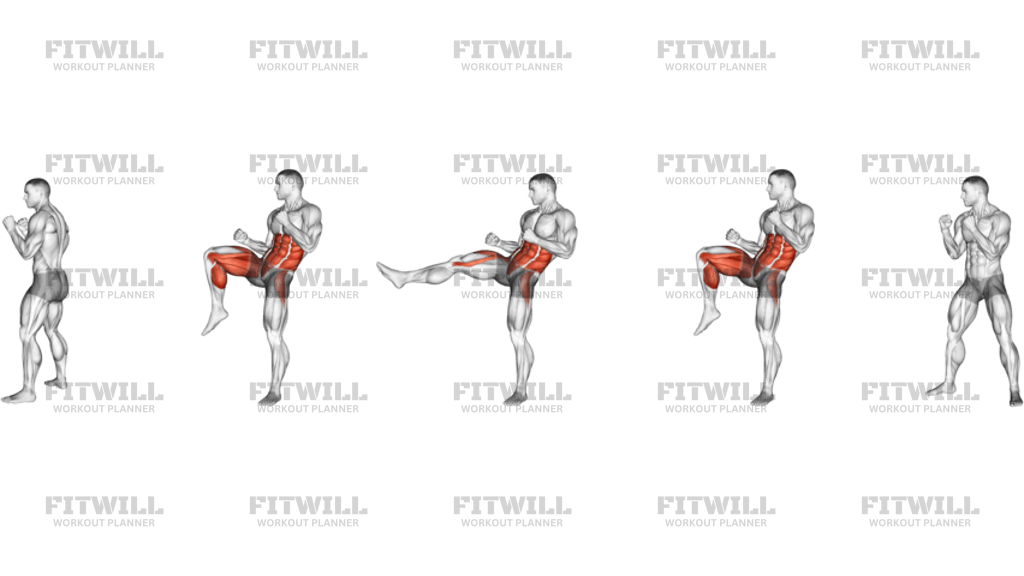
Astride Jumps is a bodyweight conditioning drill built around quick, repeatable jumps from a narrow stance to a wide astride stance and back again. It is a simple-looking movement, but the timing of the feet, the rhythm of the arms, and the softness of the landing all matter if you want the exercise to stay crisp instead of turning into a noisy bounce. The version shown here keeps the arms at about shoulder height, which makes the movement a little more manageable than an overhead jumping jack while still demanding coordination and pace.
This exercise is useful when you want to raise heart rate, sharpen lower-body rhythm, and warm up the ankles, knees, hips, and shoulders at the same time. The legs do most of the work, especially the calves, quads, and glutes as you spring apart and absorb each landing, while the shoulders and upper back help guide the arms through a wide open position. The core stays active the whole time to keep the torso tall and prevent the trunk from swinging side to side.
The setup is straightforward, but it still matters. Stand tall with your feet together, chest lifted, and arms relaxed by your sides before the first jump. From there, jump the feet out to a wide stance as the arms sweep out to the sides, then bring the feet back together on the next beat while returning the arms to your sides. The goal is to land softly under control each time, with the knees tracking over the toes and the torso staying stacked over the hips.
Astride Jumps works well in warm-ups, metabolic circuits, athletic conditioning blocks, and general movement sessions where you want to build speed without heavy loading. Because the exercise is bodyweight, the quality of each rep depends on rhythm and precision rather than resistance. If your shoulders feel tight, keep the arm path lower and stop around shoulder height instead of forcing a bigger swing.
The biggest mistake is letting the exercise become sloppy as fatigue builds. Shorten the jump, quiet the landing, and keep the feet moving in the same pattern every rep if the bounce starts to get choppy. Done well, Astride Jumps should feel springy, coordinated, and repeatable, with enough control that you could stop on any rep without losing balance or posture.
[ Workout Log & Planner ]
Put your next workout in Fitwill
Keep your plan and training log ready when you are.


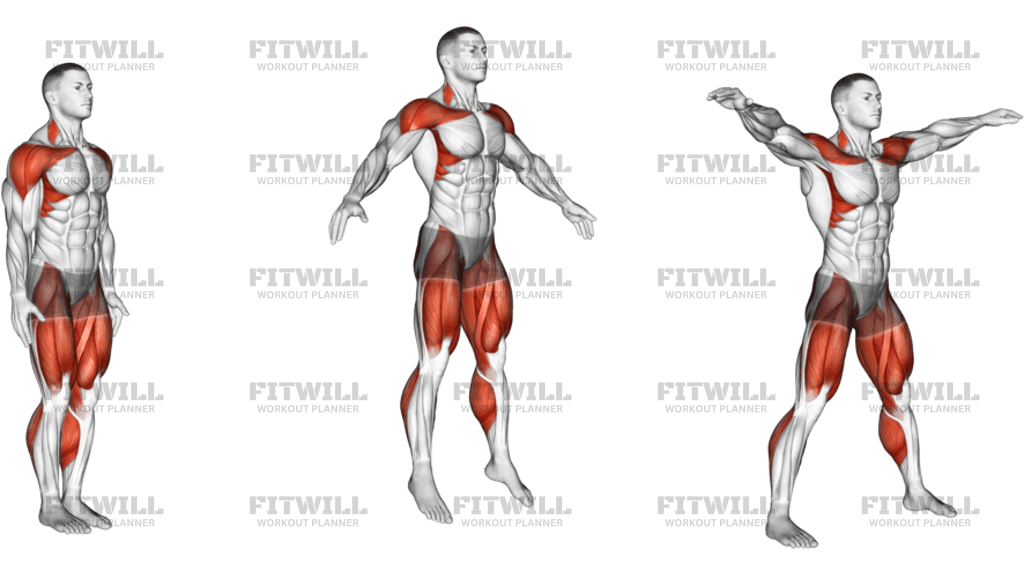
Instructions
- Stand tall with your feet together, arms relaxed at your sides, chest up, and knees soft before the first jump.
- Brace lightly through your midsection so your ribcage stays stacked over your hips as you leave the floor.
- Jump your feet out to a wide astride stance while sweeping your arms out to shoulder height.
- Land softly with your knees tracking over your toes and your weight centered through the middle of each foot.
- Keep the jump quick but quiet so the landing absorbs force instead of bouncing upward uncontrolled.
- Snap the feet back together on the next beat while lowering your arms to your sides.
- Repeat the same out-and-in pattern with a steady rhythm instead of letting the tempo drift.
- Breathe out as you open into the wide stance and inhale as you bring the feet back together.
- Stop the set if the landings get noisy, the knees cave inward, or the arms start to lose their path.
- Reset with your feet together and your posture tall before starting the next set.
Tips & Tricks
- Keep the arms at shoulder height if overhead reaching feels awkward; the movement is still effective without forcing a bigger swing.
- Land with bent knees and quiet feet so the ankles, knees, and hips share the impact instead of taking it all in one joint.
- Think of the jump as out and in, not up and down; excessive height usually makes the rhythm slower and the landing harsher.
- If your shoulders creep toward your ears, lower the arm path and keep the chest open instead of shrugging through the reps.
- Use a slightly narrower jump if your knees drift inward when you land wide.
- Keep your feet pointing mostly forward so the hips do not have to twist to recover each landing.
- Move fast enough to feel athletic, but not so fast that the arms and legs stop arriving together.
- If you are using this as a warm-up, start with smaller, slower reps and build the pace over the first few seconds.
- Stop the set when the bounce turns into a stomp; the exercise should feel springy, not heavy.
- A soft midfoot landing is usually better than landing hard on the heels or bouncing onto the toes.
Frequently Asked Questions
What muscles do Astride Jumps work?
They mainly train the calves, quads, glutes, shoulders, and core, with the whole body helping you stay coordinated through each jump.
How is Astride Jumps different from a regular jumping jack?
Astride Jumps usually keep the arms lower, around shoulder height, which makes the movement a little easier on the shoulders while still giving you a fast cardio drill.
Can beginners do Astride Jumps safely?
Yes, if they keep the jump small and the landing quiet. Beginners should start with a controlled pace before trying to make the reps faster.
Why do my knees hurt during Astride Jumps?
That usually means the landing is too hard or the knees are collapsing inward. Shorten the jump, soften the landing, and keep the knees tracking over the toes.
Do I need to raise my hands overhead?
No. For this version, the arms can stop around shoulder height, which is often easier to control and still matches the exercise well.
Where should my feet land?
Land wide enough that the hips feel open, but not so wide that you lose balance or let the knees cave. Your feet should stay under control on each rep.
Can I use Astride Jumps in a warm-up?
Yes. It works well in a warm-up because it raises heart rate, wakes up the lower body, and gets the shoulders moving without any equipment.
How many reps should I do?
Use short sets of 20-40 seconds or a moderate rep count if you are using it for conditioning. Stop the set as soon as the rhythm or landing quality starts to fall apart.
What is the biggest form mistake?
The most common mistake is turning it into a noisy bounce with rushed arms and sloppy landings. Keep the movement springy, even, and repeatable.