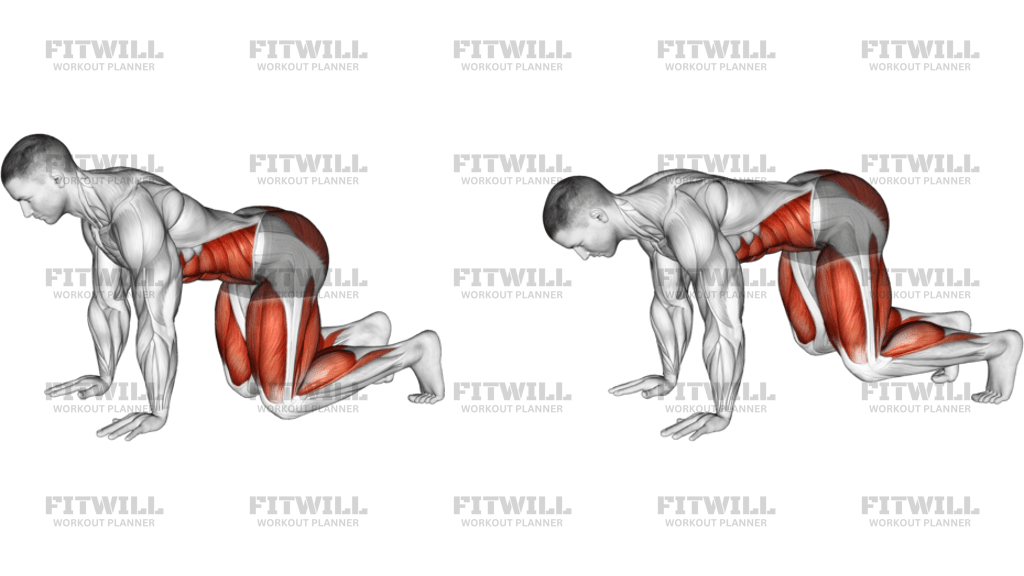
Animal Resting Yoga Pose
Animal Resting Yoga Pose, also known as Balasana or Child's Pose, is a restorative floor position that uses body weight, breath, and support from the mat to create a calm stretch through the back body. It is less about force and more about finding a position where the hips can sink toward the heels, the spine can lengthen, and the shoulders can soften. That makes it useful both as a recovery posture and as a reset between harder training efforts.
The main value of Animal Resting Yoga Pose is the way it unloads the spine while still opening the hips, lats, and shoulders. When the knees, hips, and arms are arranged well, the pose can relieve tension after long periods of sitting, running, lifting, or any session that leaves the low back and upper back feeling compressed. People often use it at the start of yoga practice to check in with their breathing, or at the end of a workout to bring the heart rate down.
Setup matters because this pose should feel restful, not cramped. On hands and knees, you widen or narrow the knees depending on hip comfort, then sit the hips back toward the heels and let the torso settle forward. The forehead can rest on the floor, on stacked hands, or on a prop if the neck or hamstrings keep the head from reaching comfortably. The arms may reach forward to emphasize the shoulders, or rest alongside the body for a quieter, more relaxed version.
A good repetition in Animal Resting Yoga Pose is really a controlled transition into stillness. Move slowly into the shape, let the exhale help the ribs and belly soften, and then stay long enough for the back to feel the stretch without any pinching in the knees or pressure in the lower back. If the pose feels sharp anywhere, shorten the range, widen the knees, or use a folded towel or block so the body can settle instead of fighting the position.
This is a simple pose, but it is not meaningless just because it is gentle. It can improve awareness of spinal position, calm breathing, and shoulder relaxation while giving the hips and back a break from more demanding work. Used consistently, Animal Resting Yoga Pose is one of the easiest ways to practice down-regulation, restore comfort after training, and prepare the body for the next sequence without forcing intensity.
[ Workout Log & Planner ]
Put your next workout in Fitwill
Keep your plan and training log ready when you are.


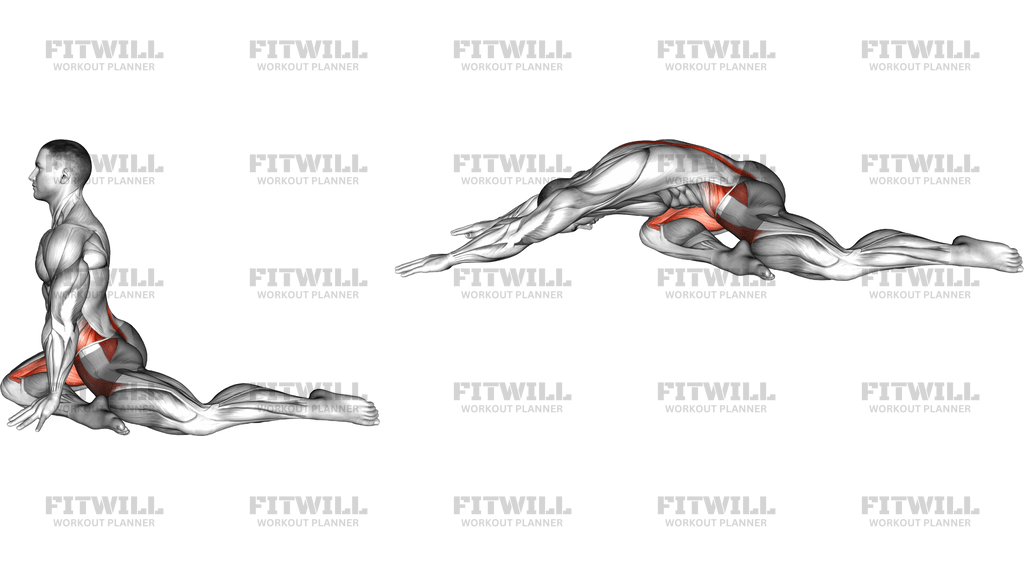
Instructions
- Start on your hands and knees on a mat, with your hands under your shoulders and your knees under your hips.
- Widen your knees to a comfortable distance, or keep them closer together if you want more support from the thighs and less depth in the hips.
- Point your big toes together, or leave the tops of the feet relaxed on the floor if that feels better for your ankles.
- Sit your hips back toward your heels and let your torso fold forward between your thighs.
- Walk your hands forward on the mat to lengthen the sides of your body, or bring your arms back alongside your legs for a quieter version.
- Rest your forehead on the mat, stacked hands, or a folded towel if the floor feels too far away.
- Soften your shoulders away from your ears and let your ribs expand into the mat with each slow breath.
- Hold the position for several breaths, then press your hands into the floor and return to hands and knees before coming up.
Tips & Tricks
- If your knees feel crowded, widen them more and let the belly settle between the thighs instead of forcing the hips all the way back.
- A folded towel under the forehead can make Animal Resting Yoga Pose much easier to relax into when the neck or shoulders are tight.
- Keeping the arms by your sides turns the pose into a more restorative rest; reaching forward creates more shoulder and lat opening.
- If your hips lift off the heels, shorten the hold and use less depth rather than trying to sink lower on every exhale.
- Keep the elbows soft instead of locking them hard into the floor, especially when the arms are reaching long in front of you.
- Let the breath move into the back ribs; if the breath is shallow in the chest, ease out of the fold a little.
- Avoid letting the knees slide too far apart if that makes the pose feel unstable in the groin or inner knee.
- Come out slowly by pressing the floor away and lifting the torso one segment at a time so the low back does not get jarred.
Frequently Asked Questions
What muscles does Animal Resting Yoga Pose stretch?
It mainly stretches the low back, hips, lats, shoulders, and the sides of the torso. Depending on your arm position, you may also feel a mild release through the knees, ankles, and upper back.
Is Animal Resting Yoga Pose the same as Child's Pose?
Yes. In many systems it is described as Balasana, or Child's Pose, and the setup is the same hands-and-knees fold back toward the heels.
How do I make Animal Resting Yoga Pose more comfortable for tight hips?
Widen the knees and keep the hips only as far back as your joints allow. If the fold still feels cramped, place a bolster or folded blanket between the thighs and torso.
Should my arms reach forward or stay by my sides in Animal Resting Yoga Pose?
Either is fine. Reaching forward gives more shoulder and lat stretch, while bringing the arms by your sides makes the pose more restful and easier on sensitive shoulders.
What if my forehead does not reach the floor?
Use stacked hands, a folded towel, or a block under the head. The goal is to let the neck relax, not to force the forehead down.
Can beginners do Animal Resting Yoga Pose?
Yes. It is one of the more beginner-friendly yoga positions because it can be adjusted easily with knee width, arm placement, and props.
What is the most common mistake in Animal Resting Yoga Pose?
Trying to force the hips onto the heels too early is the biggest issue. That usually makes the knees or lower back uncomfortable and takes the rest out of the pose.
When should I use Animal Resting Yoga Pose in a workout?
It works well during a warm-up, between harder sets, or as a cooldown at the end of training. It is especially useful after back, leg, or shoulder work when you want to bring tension down.