Incline Shoulder Tap
Incline Shoulder Tap is a bodyweight anti-rotation plank variation performed with your hands on a bench or other raised surface. The incline reduces the load compared with a floor plank shoulder tap, which makes it easier to learn while still demanding strong shoulder stability, trunk control, and steady breathing.
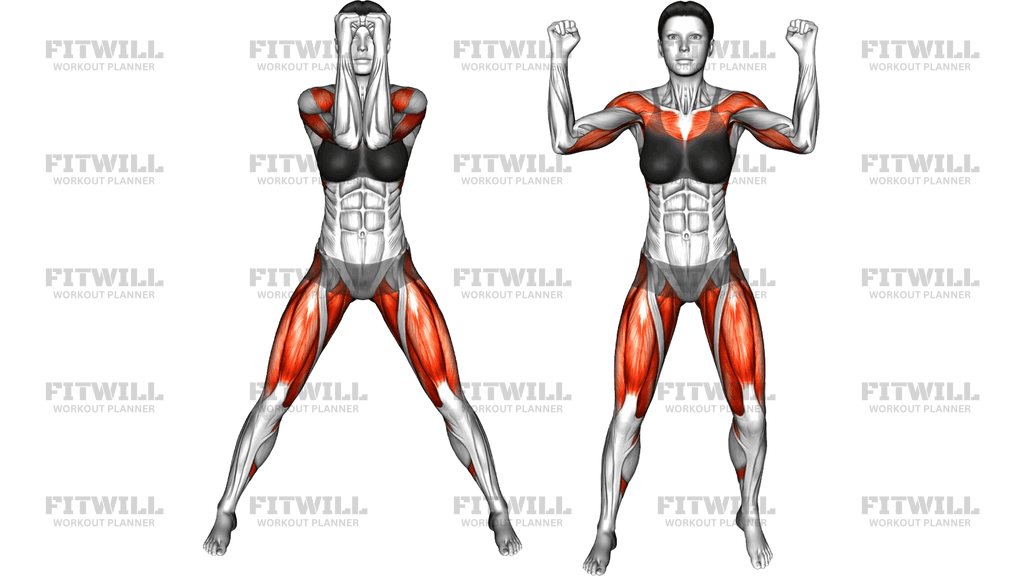
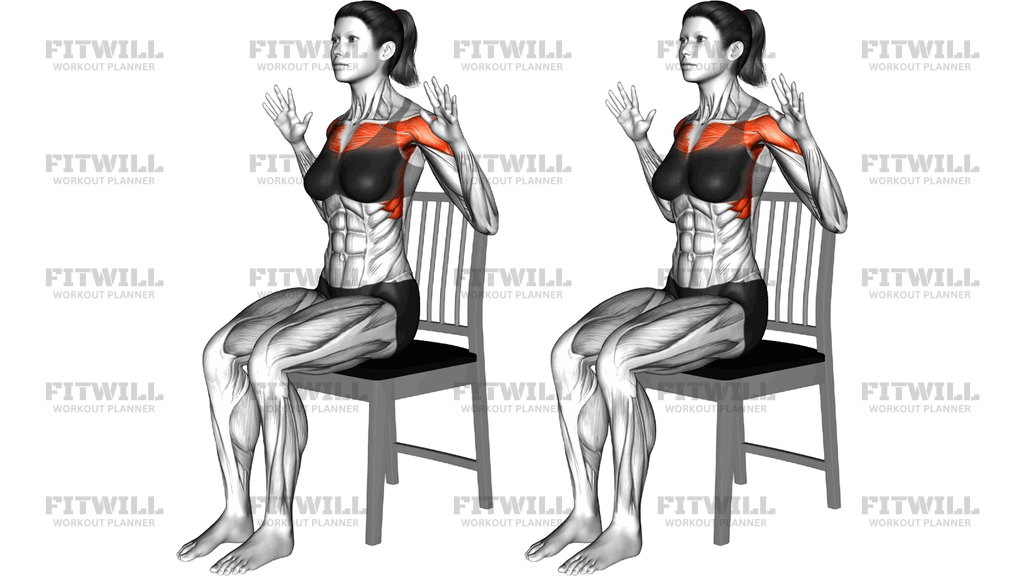
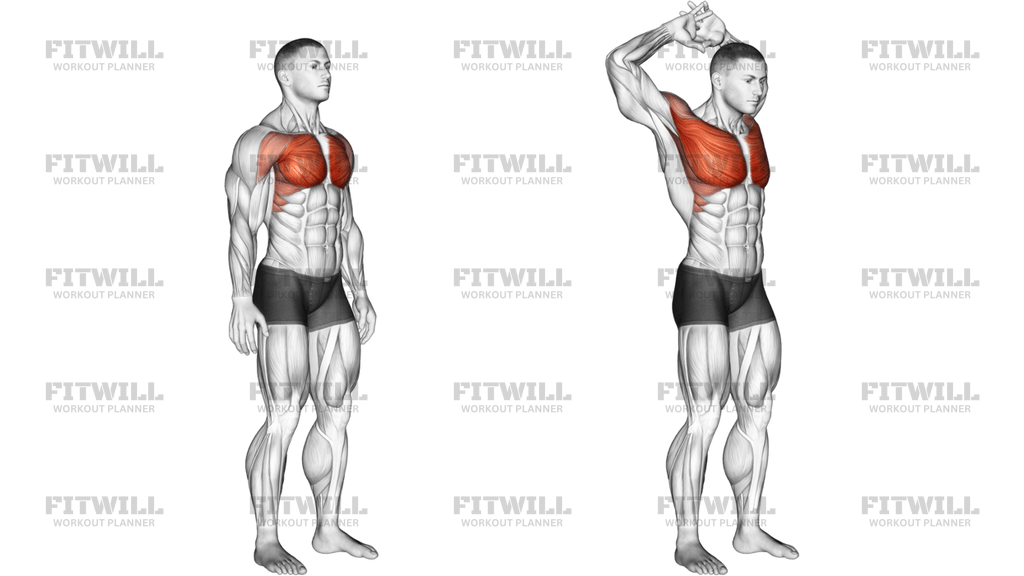
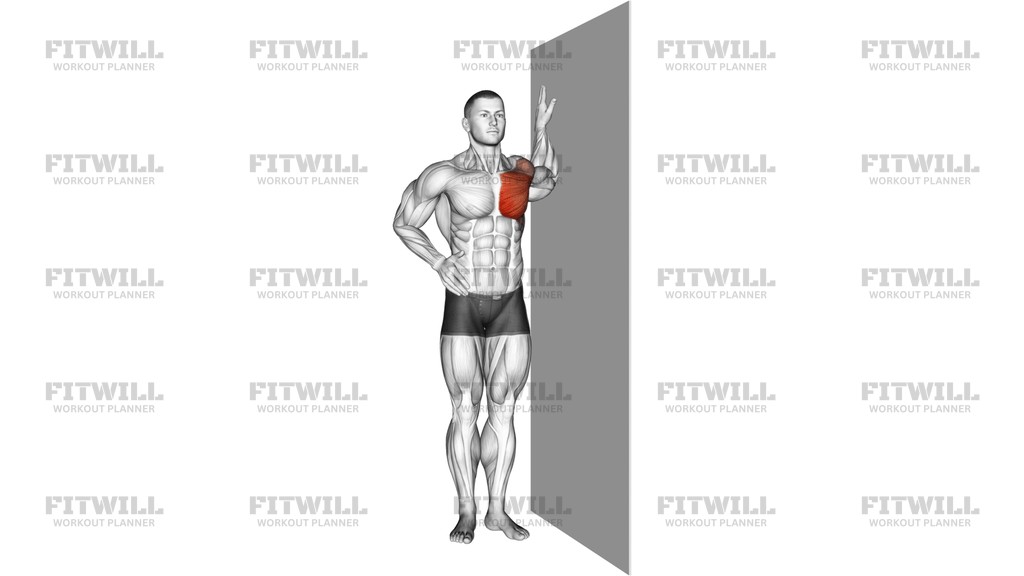
The exercise is built around resisting rotation. Each time one hand leaves the bench to tap the opposite shoulder, the planted arm, chest, obliques, and glutes have to keep the torso from rocking. That is why the image matters: the higher hand position changes the leverage, but the body still needs to stay in one long line from shoulders through heels.
Because it is a closed-chain bodyweight drill, setup quality matters more than speed. A solid plank with hands under the shoulders, feet set slightly wider than a narrow push-up stance, and ribs kept down will make the shoulder tap feel crisp. If the bench is too high or the stance too narrow, the hips will twist and the tap becomes a balancing act instead of a control exercise.
Use the movement when you want to train shoulder support, scapular control, and anti-rotation strength without heavy loading. It works well in warm-ups, core circuits, or upper-body accessory sessions because it teaches the shoulders to stay organized while the torso stays quiet. The tapping hand should move only as far as needed to touch the opposite shoulder, then return to the bench under control.
Keep the reps smooth and deliberate. The goal is not to reach across aggressively or race through alternating taps; it is to hold the bench position, shift weight without collapsing, and keep the hips square. If the lower back arches, the shoulders shrug, or the body sways side to side, reduce the difficulty by widening the feet, shortening the set, or using a slightly higher support surface.
[ Workout Log & Planner ]
Put your next workout in Fitwill
Keep your plan and training log ready when you are.


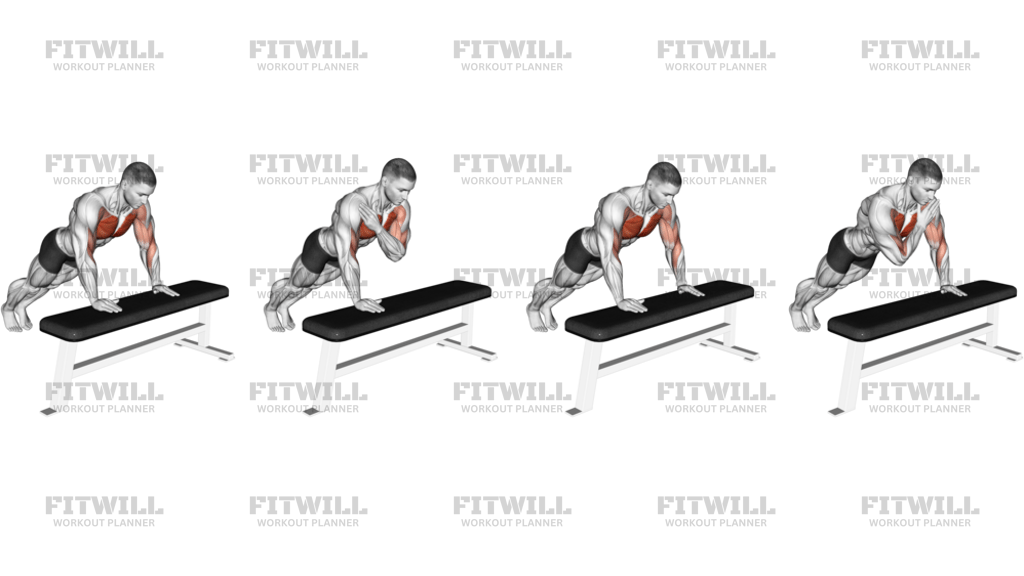
Instructions
- Place both hands on the edge of a bench or box, directly under your shoulders, and step your feet back into a straight-body plank.
- Set your feet about hip-width to shoulder-width apart so the hips have room to stay level during the tap.
- Lock in a long line from head to heels, keep your ribs down, and squeeze your glutes before the first rep.
- Shift your weight slightly into one planted arm without letting the shoulders twist or the lower back sag.
- Lift the opposite hand off the bench and tap the front of the opposite shoulder with a light, controlled reach.
- Place that hand back on the bench in the same spot, then re-center your weight before switching sides.
- Repeat the tap on the other shoulder, keeping the pelvis square and the head in line with your spine.
- Breathe out as you tap and breathe in as the hand returns to the bench.
- Continue alternating for the planned reps, then step forward and lower out of the plank with control.
Tips & Tricks
- Keep the bench high enough that you can hold a solid plank; if you cannot stop the hips from rocking, the support is too low for your current strength.
- Think about pressing the floor away with the planted hand so the shoulder blade stays active instead of collapsing into the joint.
- Tap the shoulder lightly. A hard reach across the body usually twists the torso and turns the drill into a balance struggle.
- Set the feet wider when the hips start to sway, then narrow the stance only when you can keep the pelvis quiet.
- Keep your gaze slightly ahead of the hands so the neck stays long and the head does not drop between the shoulders.
- Do not let the planted elbow lock so aggressively that the shoulder shifts forward; keep a small, athletic bend and stable pressure through the palm.
- Stop the set as soon as you lose the ability to return the hand to the bench without a hip dip.
- Use slow, even taps instead of rushing the switch, especially if you feel the movement more in the low back than the core.
- If your wrists get irritated, turn the hands out slightly on the bench edge or use push-up handles to reduce the wrist angle.
Frequently Asked Questions
What does Incline Shoulder Tap train most?
It mainly trains anti-rotation core control and shoulder stability, with the chest, triceps, and upper back helping to keep the plank steady.
Can beginners perform this exercise?
Yes. The incline makes it more approachable than a floor shoulder tap, and beginners can start with a higher bench and a wider foot stance.
How should my hands and shoulders be set up on the bench?
Place the hands under the shoulders on a stable bench edge, keep the wrists stacked, and stay tall through the shoulder blades without shrugging.
Why do my hips rotate when I tap the opposite shoulder?
That usually means the stance is too narrow, the core is not braced enough, or the reach is too aggressive. Widen the feet and shorten the tap.
Should I feel this more in my shoulders or my abs?
You should feel both, but the abs and obliques should work hard to prevent twisting while the shoulders keep the bench position stable.
Can I do this instead of a floor shoulder tap?
Yes, the incline version is a useful regression. It keeps the same anti-rotation pattern but lowers the amount of bodyweight you have to control.
What is the biggest form mistake with this movement?
Reaching too far across the body. The tap should be short and precise, not a large twist through the torso.
How can I make the exercise harder?
Lower the bench height, bring the feet closer together, slow the alternating taps, or add a longer pause between shoulder taps while keeping the plank position clean.