Cable Lateral Lunge Version 2
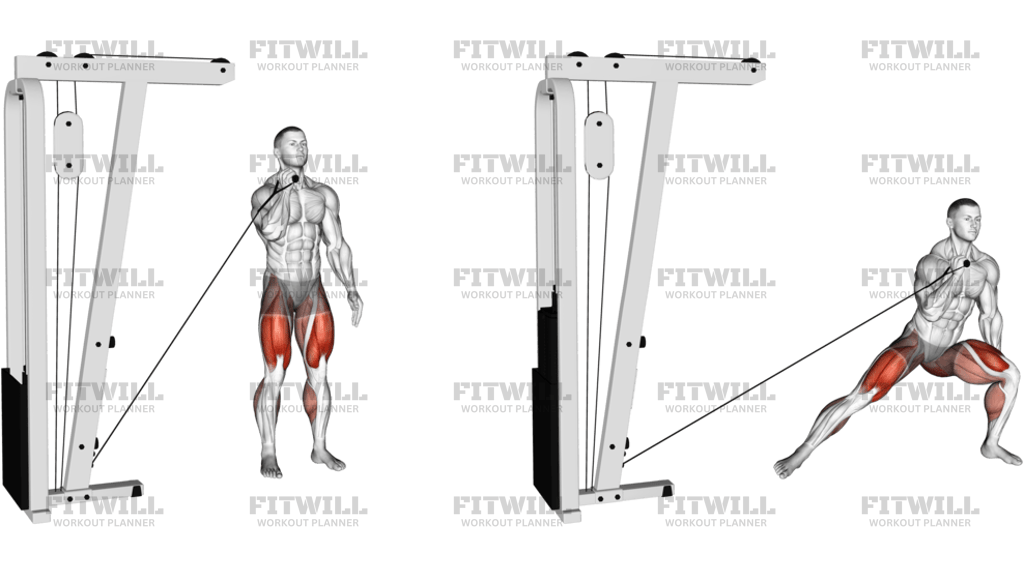
Cable Lateral Lunge Version 2 is a cable-based side lunge that builds frontal-plane strength, hip control, and balance while the stack keeps constant tension on the working leg. The low cable and single handle make the movement feel more deliberate than a free-bodyweight lunge, because the pull from the machine tries to tug you off line as you step and load one side.
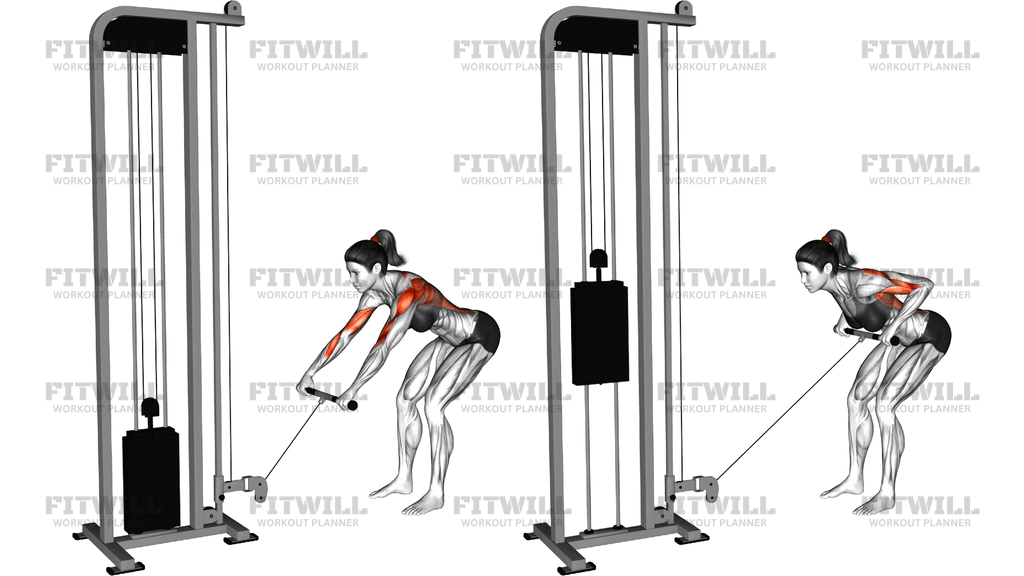
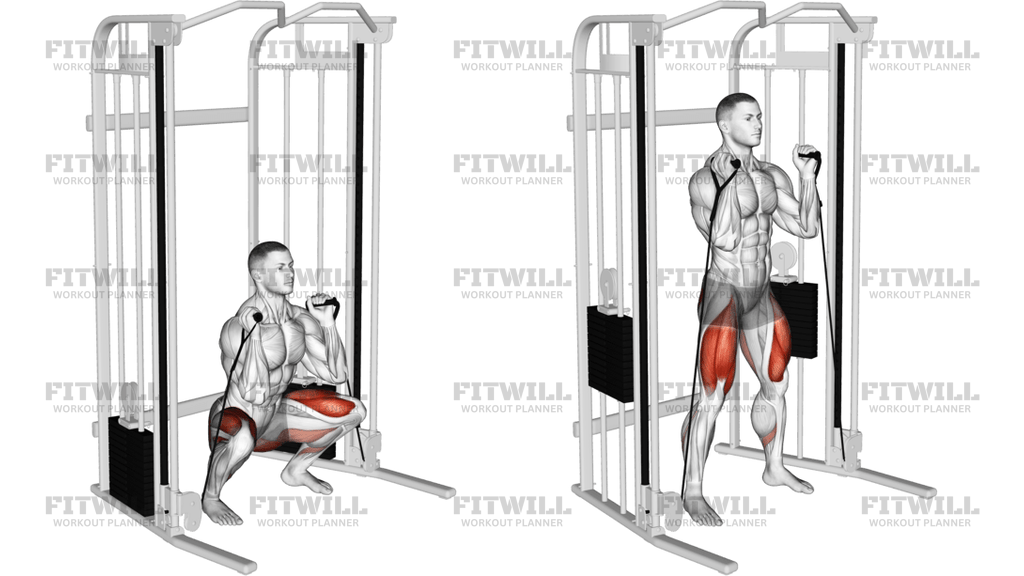
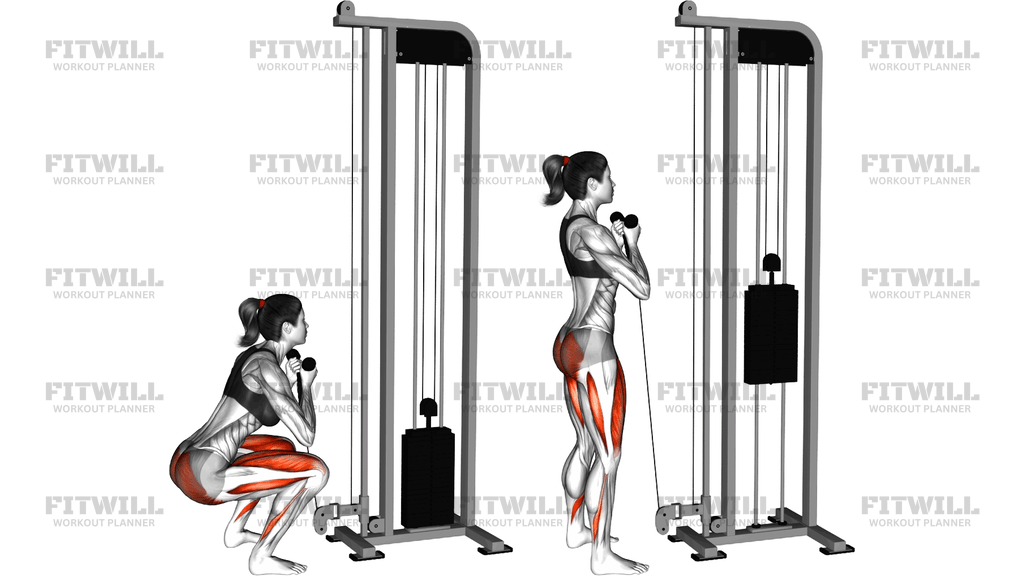
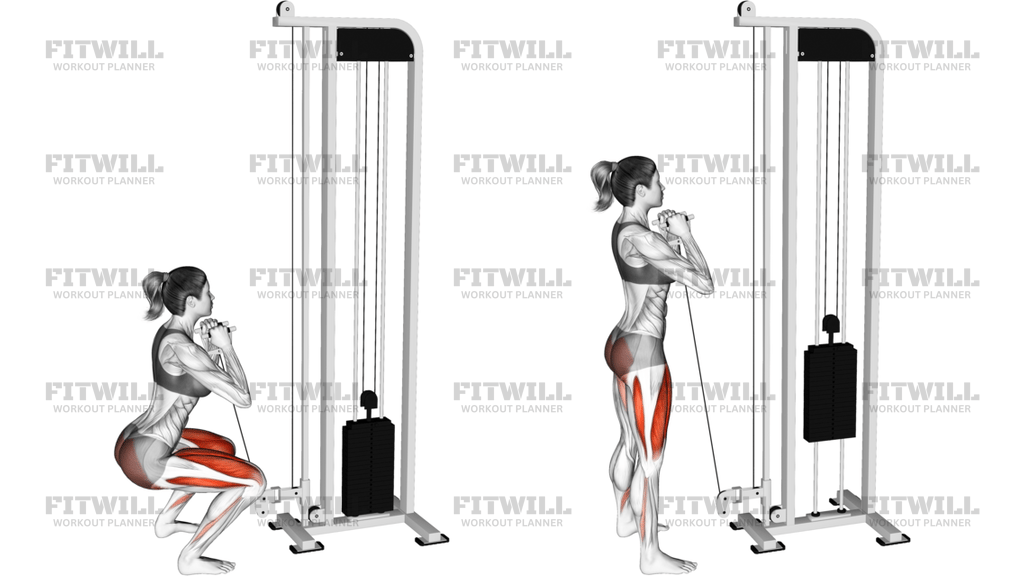
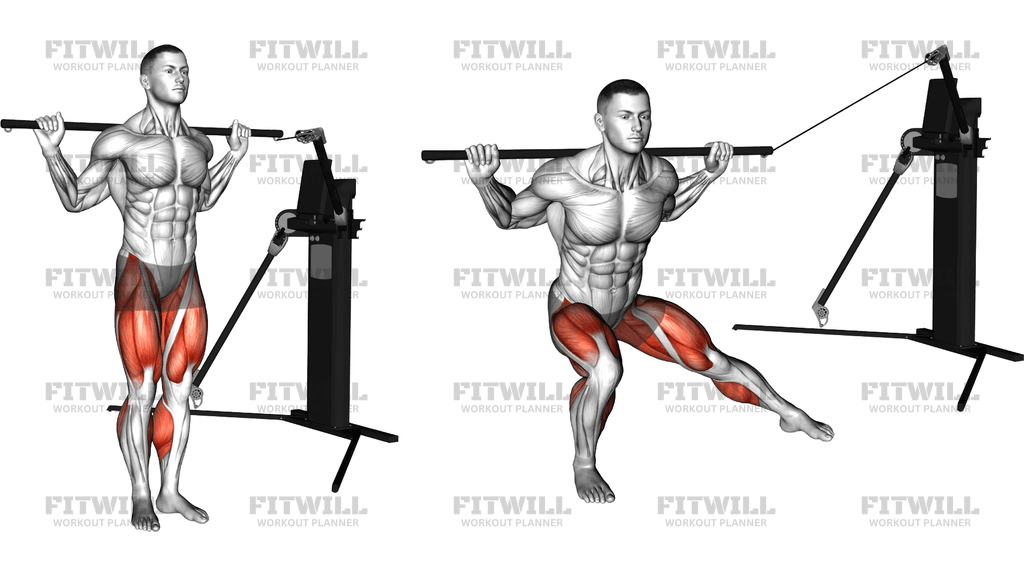
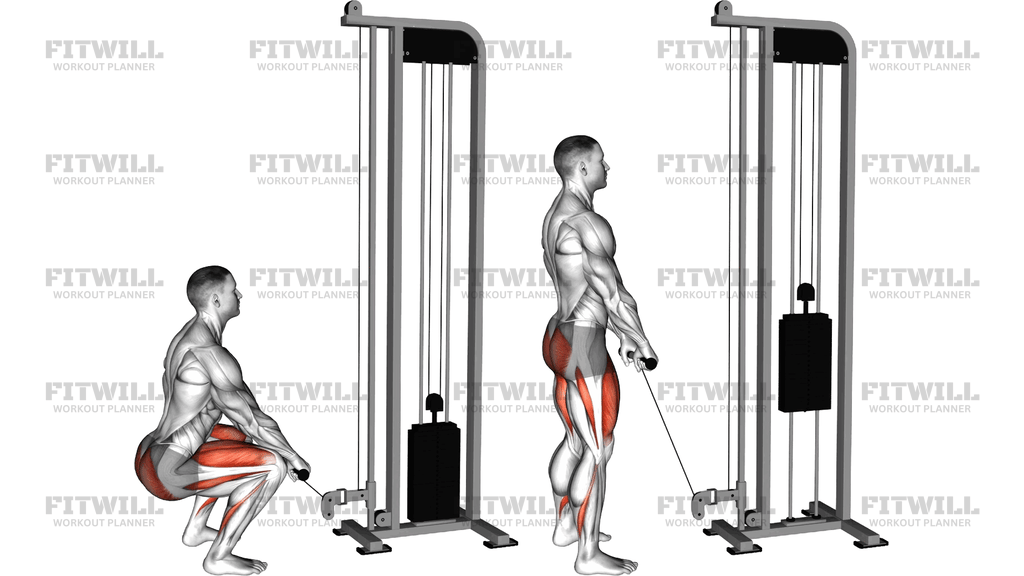
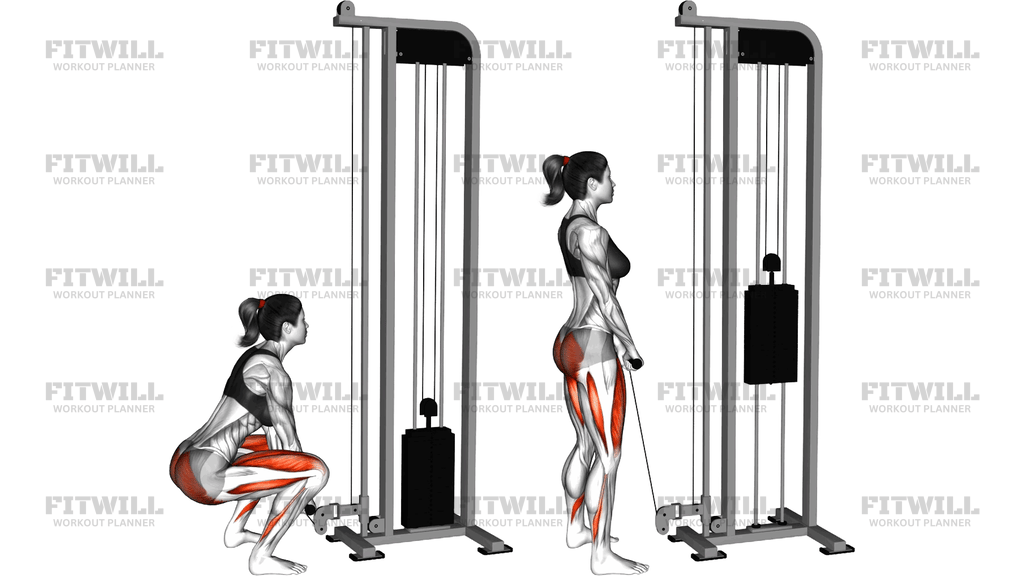
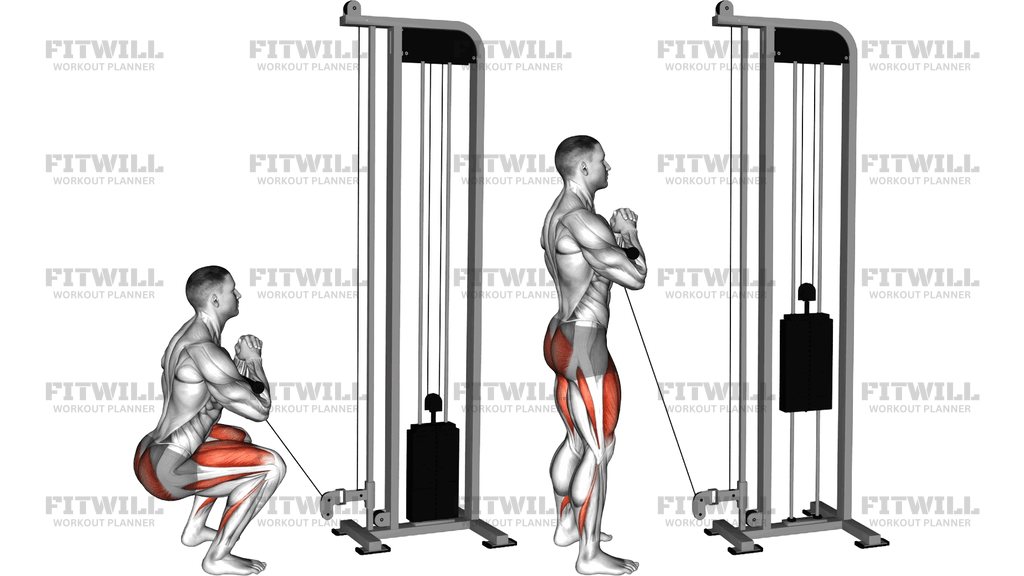
This setup is especially useful for training the glutes, adductors, and quads together while the core resists twisting and side-bending. The image shows a low cable, a handle held close to the upper chest, and a broad lateral step into the lunge. That line of pull matters: if you stand too close, the stack goes slack; if you stand too far away, the cable pulls you out of position before the rep even starts.
Start tall, keep the handle close, and move the hips sideways instead of reaching with the torso. As you sit into the lunge, the working knee should track over the toes and the planted foot should stay flat. The trailing leg stays long and supportive rather than collapsing inward. That pattern lets the lead hip accept the load and keeps the cable from turning the rep into a twisted squat or a side bend.
Use this version when you want a more controlled lateral-lunge pattern for accessory strength, warmups, or athletic prep. It works well for beginners if the range of motion stays small and the load is light enough to control the cable. Keep the rep smooth, return with intention, and stop the set if the stack yanks your shoulder, your pelvis rotates open, or the knee caves inward.
Fitwill
Log Workouts, Track Progress & Build Strength.
Achieve more with Fitwill: explore over 9600 exercises with images and videos, access built-in and custom workouts, perfect for both gym and home sessions, and see real results.
Start your journey. Download today!




Instructions
- Set the cable pulley low and stand sideways to the stack, holding the handle in the hand closest to the machine at upper-chest height.
- Step far enough away that the cable has steady tension while you are standing tall, with the handle close to your chest and your shoulders level.
- Brace your midsection, keep your chest tall, and plant the foot on the side you will lunge toward.
- Step laterally into the lunge by sending the hips back and out, not by reaching your torso toward the machine.
- Let the working knee bend and track over the toes while the planted foot stays flat and the opposite leg stays long.
- Lower until you feel a strong stretch through the inside of the working thigh and the hip stays controlled, not twisted open.
- Drive through the whole foot to return to standing, pulling the hips back under you as the cable stays close to the body.
- Reset with control before the next rep, then repeat for the planned number of repetitions on the same side or switch sides if programmed.
Tips & Tricks
- If the stack slams down or the cable goes slack at the top, take a bigger step away from the machine before starting the set.
- Keep the handle near your upper chest instead of letting the arm drift straight out, which helps prevent the cable from pulling your shoulder forward.
- A small forward lean from the hips is fine, but do not fold at the waist or let the ribcage drift over the toes.
- The working knee should travel in line with the second or third toe; if it caves inward, shorten the range and lighten the load.
- Keep the opposite leg long and quiet instead of dragging it into the lunge, so the loaded hip does most of the work.
- Use a slow eccentric on the way into the side lunge so the glutes and inner thigh control the descent instead of bouncing.
- Choose a stance width that lets you keep the working heel down; if the heel pops up, the step is usually too wide or the load is too heavy.
- Exhale as you drive back to standing and avoid twisting your torso toward the cable stack during the return.
Frequently Asked Questions
What does Cable Lateral Lunge Version 2 train most?
It mainly trains the glutes, adductors, and quads while the core resists the sideways pull of the cable.
Which hand should hold the handle?
Use the hand closest to the cable stack so the line of pull stays clean and the handle can stay near the chest.
How far should I step out on this lateral lunge?
Step wide enough to load the working hip and keep tension on the cable, but not so wide that the heel lifts or the knee collapses inward.
Should my torso stay perfectly upright?
A slight hip hinge is normal, but the torso should stay controlled and square rather than tipping or twisting toward the machine.
Is this exercise good for beginners?
Yes, as long as the load is light and the range is small enough to keep the cable, knee, and hip position under control.
What is the most common mistake on this movement?
The most common error is reaching with the upper body instead of stepping and sitting into the hip, which turns the rep into a twisty side bend.
How can I make the exercise harder without changing the setup?
Use a slower lowering phase, pause near the bottom, or increase the load while keeping the same lateral path and foot position.
What should I do if I feel it in my lower back?
Reduce the load, shorten the range, and keep the ribs stacked over the pelvis so the cable does not pull you into side-bending.