Skater Squat
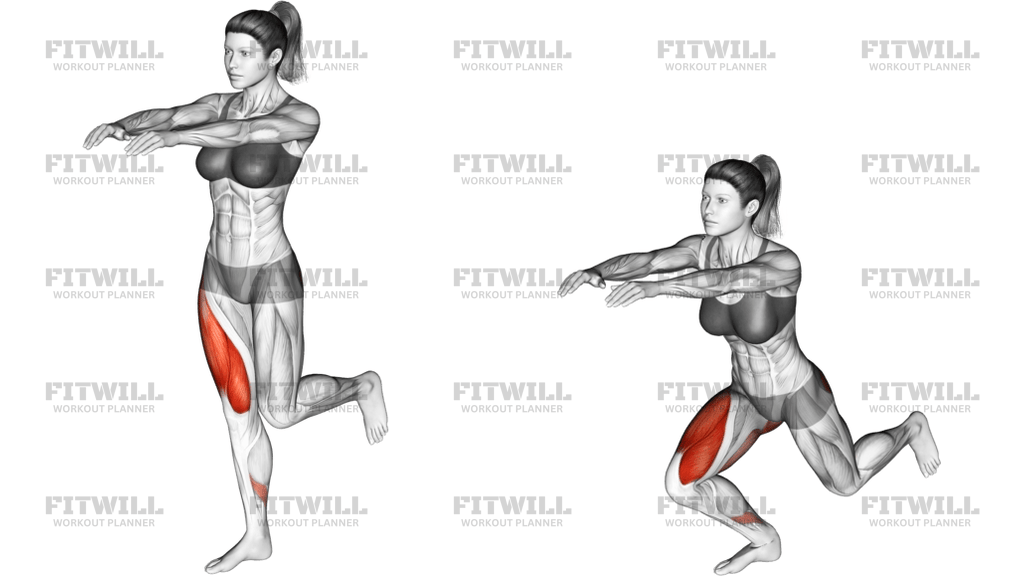
Skater Squat is a bodyweight single-leg squat built around the front leg while the rear leg stays lifted behind you. It is a demanding strength and control exercise for the hips and thighs, and it trains the body to manage load without losing balance, knee alignment, or trunk position. The free leg never becomes a true support point, so every rep asks the standing leg to control the entire descent and drive back up on its own.
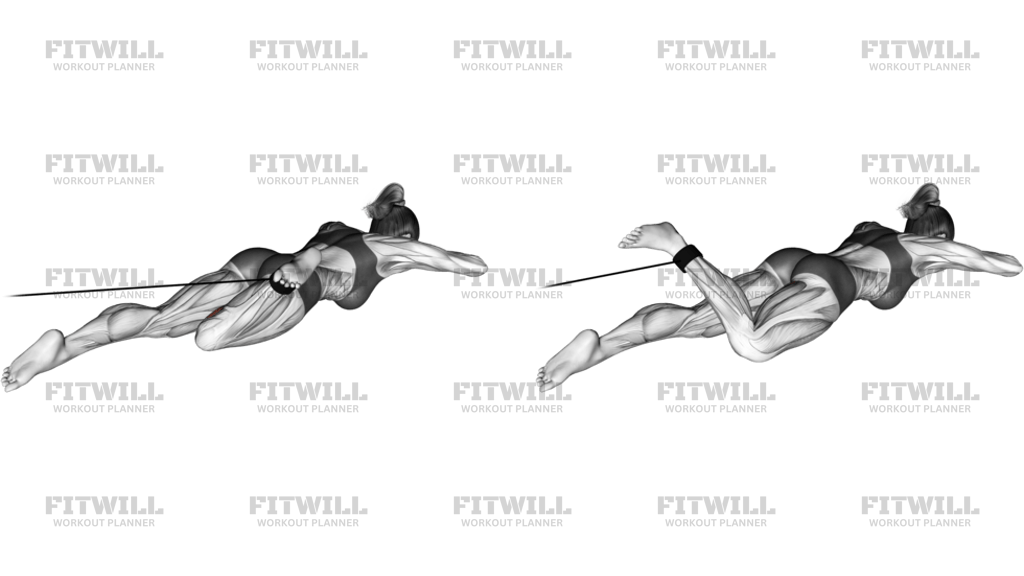
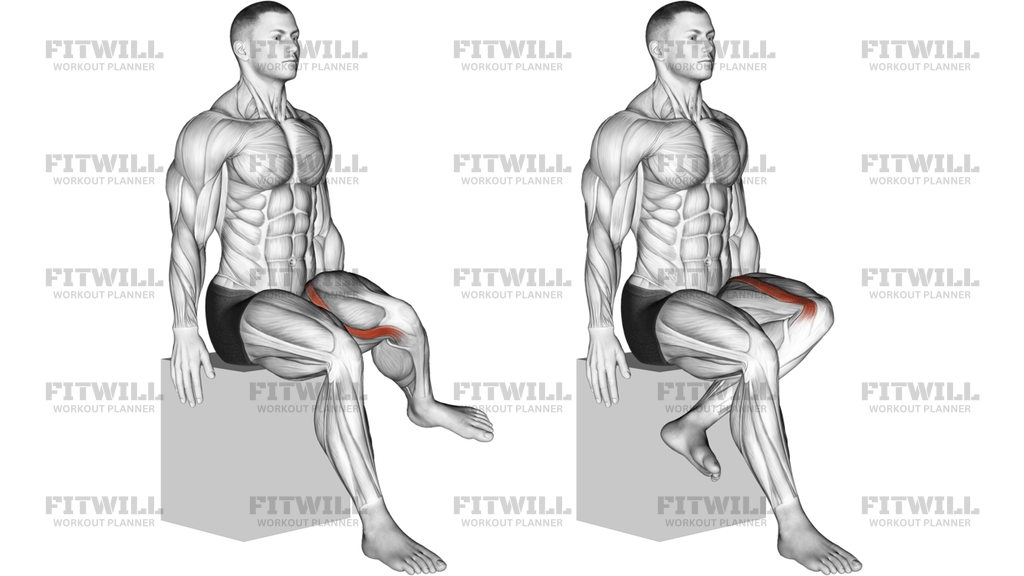
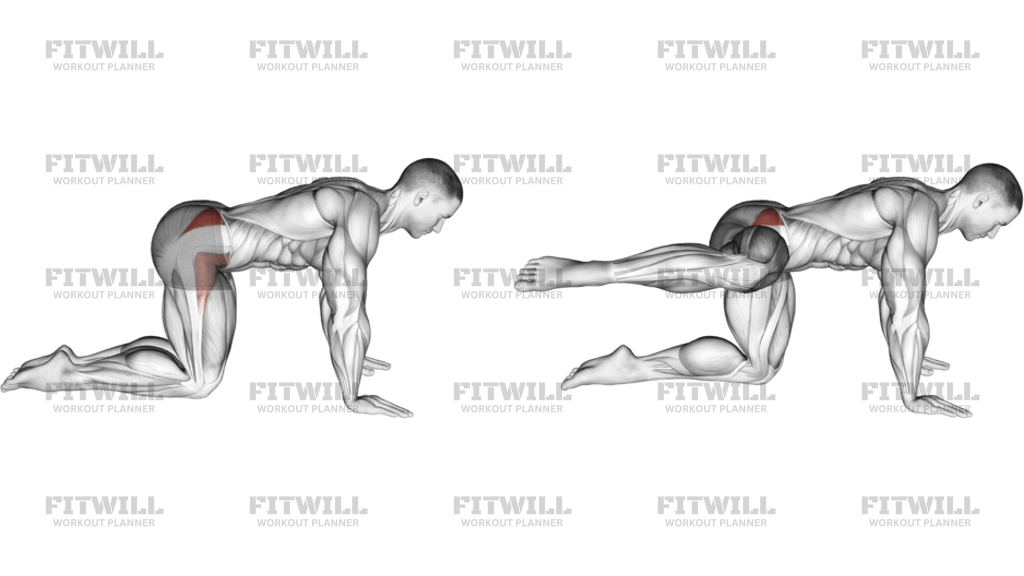
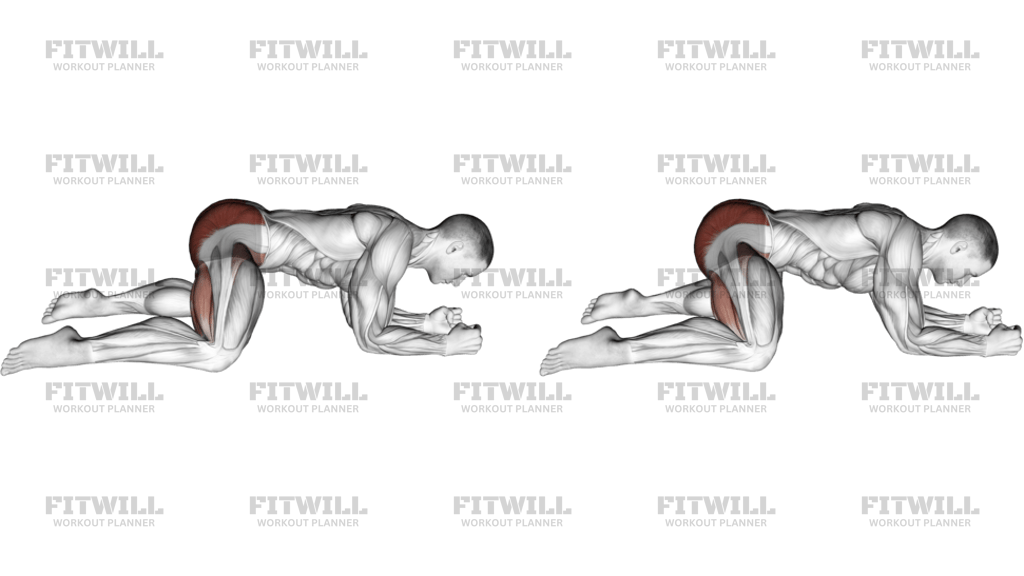
The image shows the classic skater-squat shape: torso slightly inclined, arms held forward for counterbalance, front foot flat, and the back knee folding behind the body. That setup matters because it keeps the center of mass over the working foot and lets the glute, thigh, and hip stabilizers do the work instead of forcing the movement with a jump or a shift onto the toes. In anatomy terms, the main effort centers on the Gluteus maximus, with Biceps femoris, Rectus abdominis, and Erector spinae helping to control the rep.
Think of this as a strength skill, not just a balance drill. The descent should be slow enough that the front heel stays rooted and the knee tracks in line with the toes, while the rear leg folds naturally behind you. If you drop too fast, the pelvis will twist and the standing hip will collapse inward. If you stay patient and keep the torso braced, the exercise becomes a very clean way to load one leg at a time without external equipment.
Use the skater squat when you want unilateral lower-body strength, hip stability, and better control through a deep knee bend. It works well in strength blocks, warm-ups before heavier leg work, or as accessory training when you want to reduce spinal loading but still challenge the legs hard. Most people should start with shallow reps and build depth gradually, because the useful range is the one you can own without wobbling, rushing, or losing the front-foot contact.
This movement is especially useful for athletes and lifters who need better single-leg strength for running, jumping, cutting, or stair climbing. It is also a good progression toward harder single-leg squat variations, but only when the standing leg can control the bottom position and the return without pushing off the floor or swinging the rear leg for help.
[ Workout Log & Planner ]
Put your next workout in Fitwill
Keep your plan and training log ready when you are.


Instructions
- Stand on one leg with your working foot planted flat and the other leg lifted behind you, arms reaching forward for balance.
- Brace your trunk, keep your chest tall, and set the standing knee over the middle toes before you start the descent.
- Lower yourself by bending the standing knee and hip while the free leg drifts back and down behind you.
- Keep the front heel grounded and let the torso lean forward just enough to stay balanced over the working foot.
- Descend until the thigh is as low as you can control without the pelvis twisting or the heel lifting.
- Drive through the whole working foot to stand back up, finishing with the glute and thigh of the front leg.
- Keep the rear leg off the floor the entire time and avoid using it to push you out of the bottom.
- Reset your stance after each repetition and repeat for the planned number of reps, breathing out as you rise.
Tips & Tricks
- Keep your arms at shoulder height or lightly forward to help counterbalance the long single-leg lever.
- If your front heel keeps lifting, shorten the depth and load the movement only as far as you can keep the foot flat.
- Let the torso angle forward slightly; staying perfectly upright usually makes the balance harder and shifts stress to the knee.
- Track the standing knee in line with the second or third toe instead of letting it cave inward.
- Move slowly through the lowering phase so the rear leg does not swing and steal tension from the working leg.
- A soft touch to the bottom is fine, but do not sit onto the back foot or turn the rep into a split squat.
- Use a smaller range if the pelvis rotates, because hip twist is a sign that the standing side has lost control.
- Stop the set when the standing leg can no longer control the descent without wobbling or collapsing at the ankle.
Frequently Asked Questions
What does the skater squat train most?
It mainly challenges the glutes and thigh of the standing leg, with the hips and trunk working hard to keep you balanced.
How is a skater squat different from a split squat?
In a skater squat the rear leg stays lifted and does not support the rep, so the standing leg has to control the full descent and ascent.
Should my back foot touch the floor?
No. The rear leg should stay off the ground so the working leg does the actual lifting instead of sharing the load.
How low should I go in the bottom position?
Go as deep as you can while keeping the front heel down, the knee lined up, and the pelvis square.
Why do people lean forward during this squat?
A slight forward torso angle helps keep the center of mass over the standing foot and makes the movement more stable.
What if I cannot balance the full range yet?
Use a smaller range, keep the arms forward, or hold a support lightly while you build control and depth.
What is the most common form mistake?
The biggest mistake is letting the standing knee collapse inward or pushing off the floor with the rear leg.
Is the skater squat a good progression for single-leg strength?
Yes. It is a solid step toward harder single-leg squats because it builds control, depth, and hip stability on one leg.