Glute March
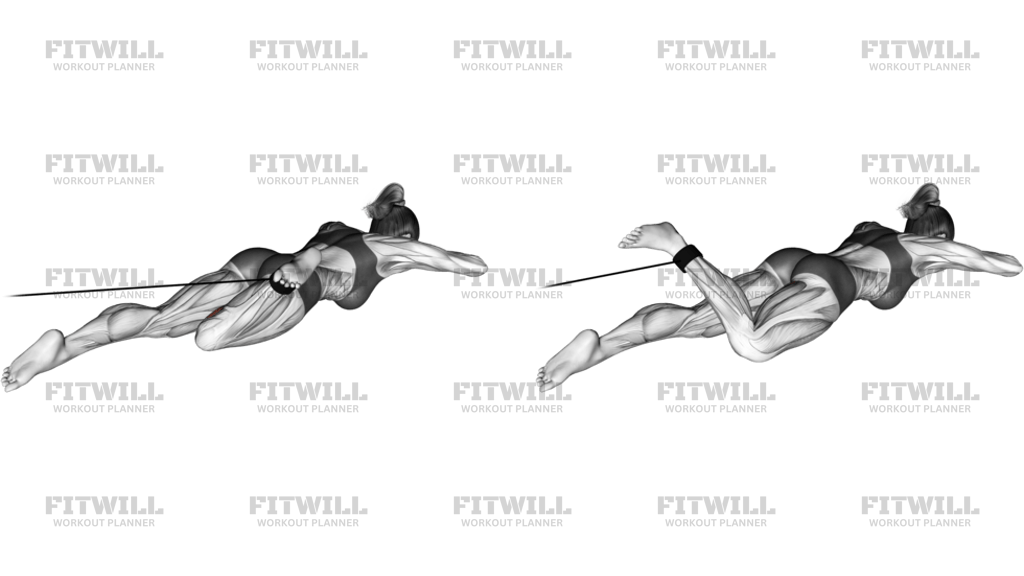
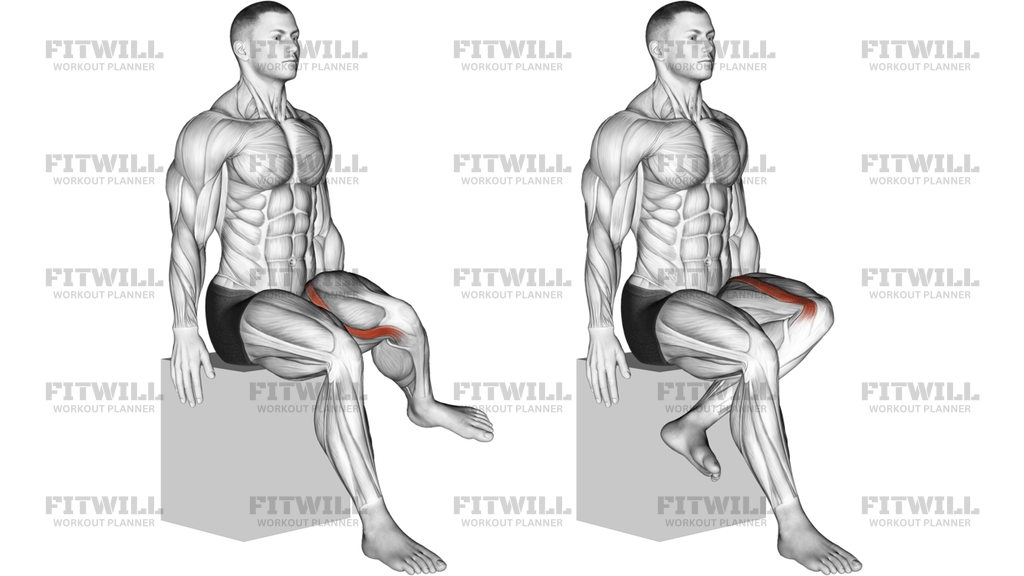
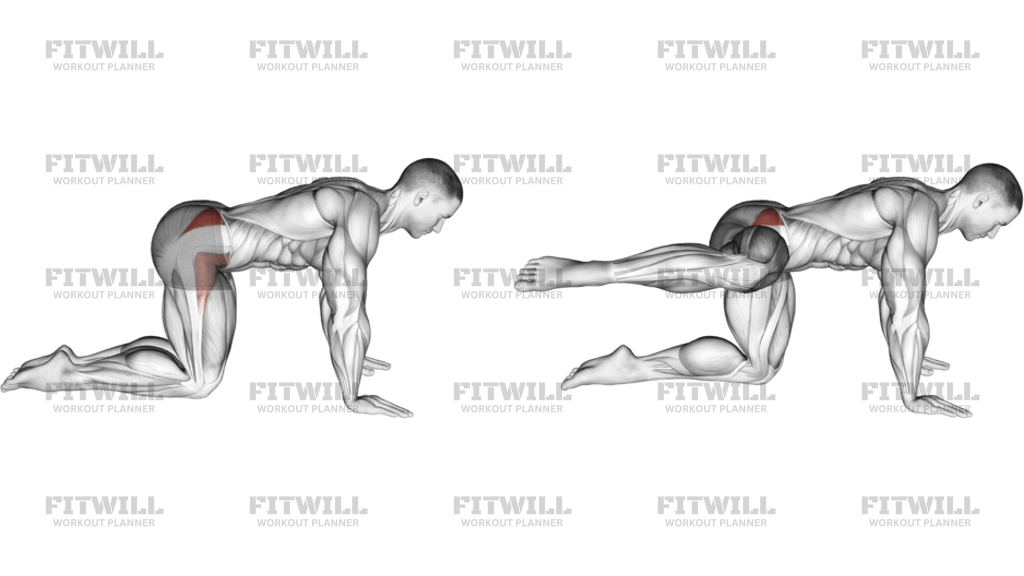
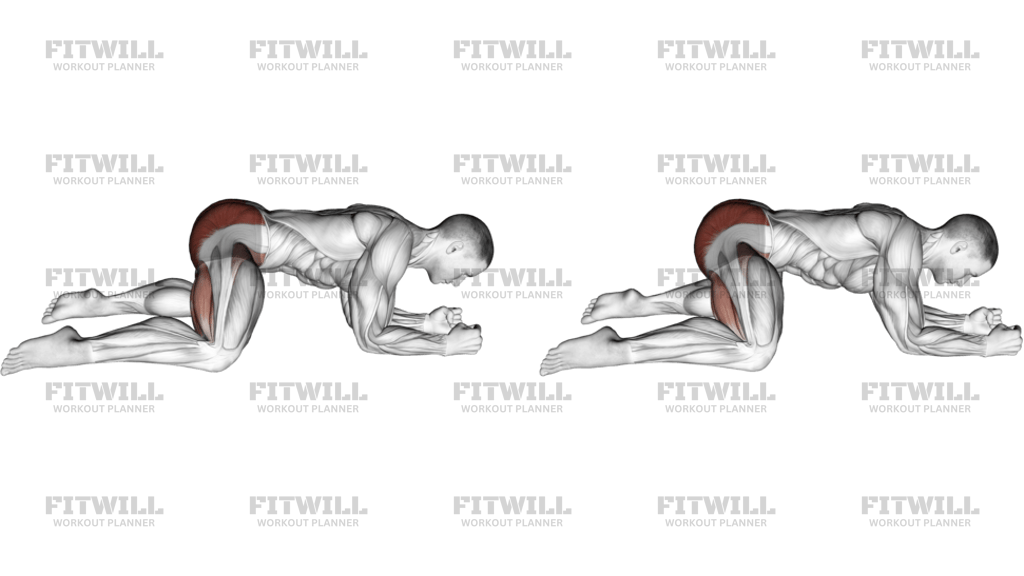
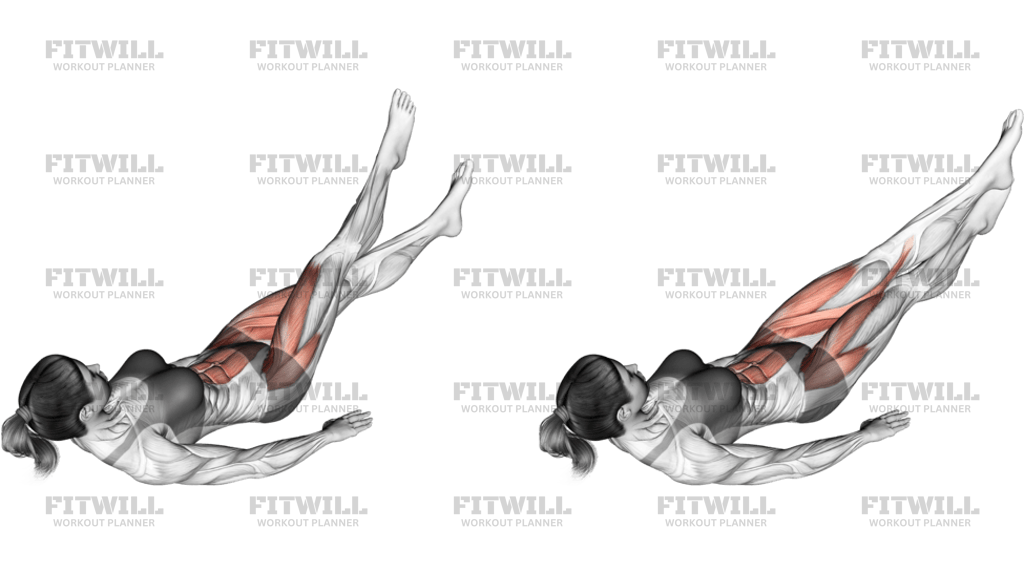
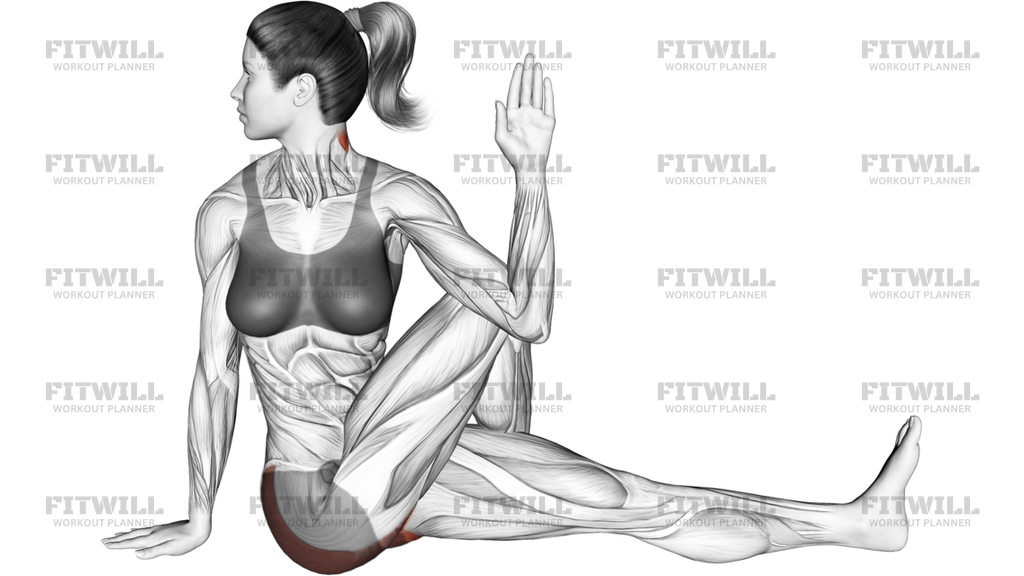
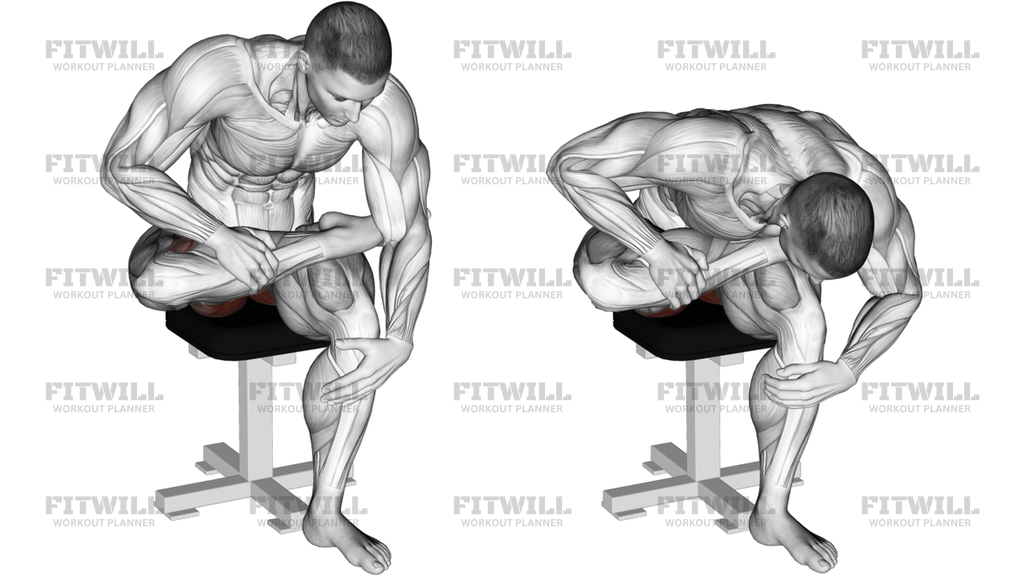
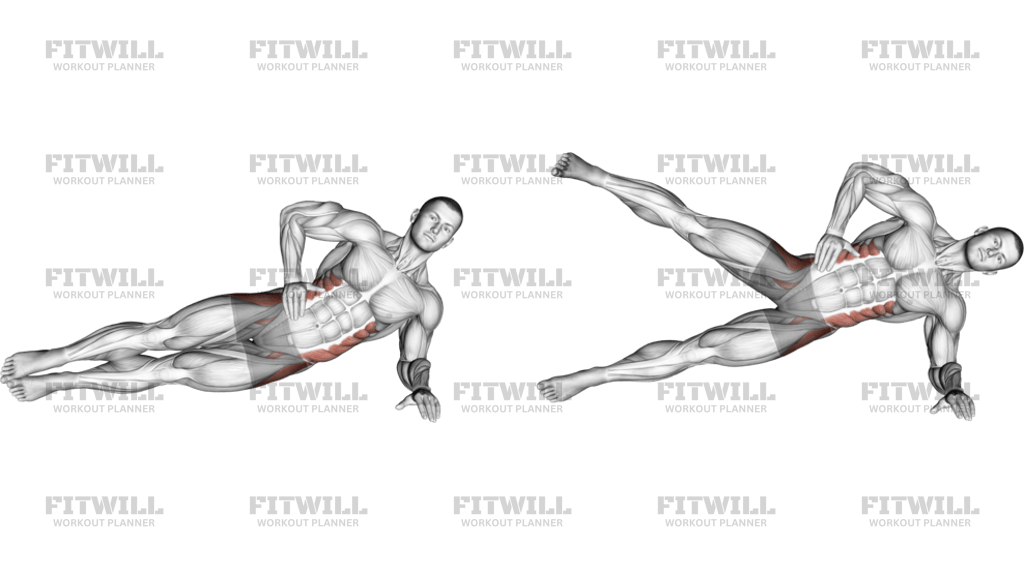
Glute March is a floor exercise that combines a high bridge with alternating knee lifts to train glute strength, pelvic control, and anti-rotation core stability. The image shows the hips held off the floor while one leg repeatedly marches, which means the working side has to keep the pelvis level even as the support base keeps changing. That is the real challenge of the movement: not just lifting the hips, but staying square while one foot leaves the floor.
The primary emphasis is on the glutes, especially the muscles that extend the hip and keep it from dropping as the legs alternate. Hamstrings help hold the bridge, while the abs, obliques, and spinal stabilizers resist arching or twisting. In anatomy terms, the main work centers on Gluteus maximus, with support from Biceps femoris, Rectus abdominis, and Erector spinae. Because it is bodyweight-based, the exercise is useful when you want controlled tension without loading the spine.
Setup matters more here than on a simple bridge. If the feet are too close, the hamstrings tend to take over; if the ribs flare and the lower back arches, the glutes stop doing the work. A good setup starts with the feet planted, knees bent, and the pelvis in a neutral position before the hips leave the floor. From there, the bridge should feel like the body is forming a strong line from shoulders to knees before any marching starts.
Once you begin alternating legs, the goal is to keep the lifted thigh moving without letting the hips wobble. Each knee lift should be deliberate, small enough to stay in control, and smooth enough that the planted side keeps driving the bridge. This makes Glute March useful as a warm-up, accessory drill, or core-stability exercise for people who need better hip control for running, squatting, lunging, or general lower-body training.
It is also a good option when you want a glute exercise that is easy to scale by tempo and position rather than by external load. Beginners can use it with a lower bridge height and slower marches, while more advanced lifters can increase the hold time, slow the lowering phase, or add a pause when the knee is lifted. Keep the movement pain-free, stay square through the pelvis, and stop the set when the bridge starts turning into a back arch or a hip twist.
Fitwill
Log Workouts, Track Progress & Build Strength.
Achieve more with Fitwill: explore over 9600 exercises with images and videos, access built-in and custom workouts, perfect for both gym and home sessions, and see real results.
Start your journey. Download today!




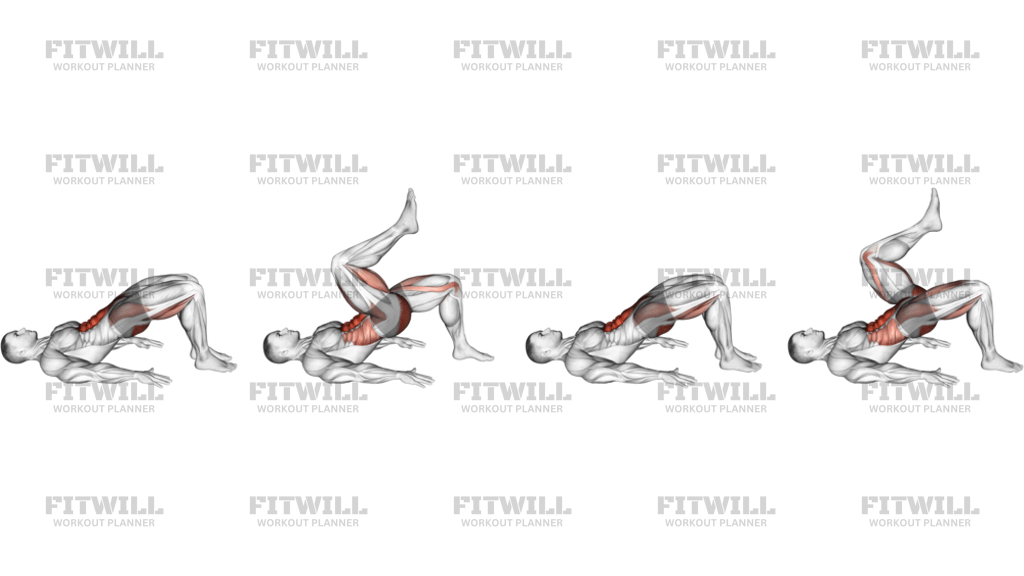
Instructions
- Lie on your back with your knees bent, feet flat on the floor about hip-width apart, and your arms by your sides for balance.
- Tuck your ribs down and set your pelvis so your lower back is neutral before you lift.
- Press through your heels and squeeze your glutes to raise your hips until your body forms a straight line from shoulders to knees.
- Hold the bridge and keep both feet rooted while you shift your weight evenly across the planted foot and upper back.
- Lift one knee toward your chest in a controlled march without letting the hips drop or rotate.
- Lower that foot back to the floor with control, then march the other knee up while keeping the bridge height steady.
- Keep the movement smooth and alternate legs for the planned number of repetitions or time.
- Exhale as the knee lifts, inhale as the foot returns, and lower your hips to the floor if you lose pelvic control.
Tips & Tricks
- Keep your sternum and ribs tucked so the bridge comes from hip extension, not from arching the lower back.
- If the hamstrings cramp, move your feet a little farther from your hips and keep the bridge slightly lower.
- Think about pushing the floor away with the planted heel instead of throwing the lifted knee upward.
- The marching leg should move slowly enough that the pelvis does not tilt or rotate side to side.
- A short pause at the top makes the glutes work harder and exposes any loss of control quickly.
- Keep your chin relaxed and your gaze up so you do not strain your neck while holding the bridge.
- Do not let the planted foot roll to the outside edge; keep pressure through the heel and big toe.
- Stop the set when the bridge turns into a back extension or when the raised knee makes the hips wobble.
Frequently Asked Questions
What does Glute March train most?
It primarily trains the glutes, with strong demand on the abs and hip stabilizers because the pelvis has to stay level while the legs alternate.
Is Glute March just a bridge with knee lifts?
Yes, but the marching action is what changes the exercise. Once one foot leaves the floor, the planted side has to keep the bridge high without letting the hips twist.
How high should my hips be during the bridge?
High enough to create a straight line from shoulders to knees, but not so high that your lower back arches. The lift should come from the glutes, not from rib flare.
What is the most common mistake in the marching phase?
The hips usually drop or twist when the knee lifts. Keep the march small and controlled so the pelvis stays square to the ceiling.
Should I feel this more in my glutes or hamstrings?
The glutes should do most of the work, although the hamstrings help hold the bridge. If the hamstrings take over, adjust foot placement and reduce bridge height.
Can I use Glute March as a warm-up?
Yes. It works well before lower-body training because it wakes up the glutes and teaches pelvic control before heavier compound lifts.
What should my feet be doing on the floor?
Keep the planted foot flat and stable, with pressure through the heel and big toe. That helps the support side hold the bridge without wobbling.
How can I make the exercise harder without adding weight?
Slow the march, add a pause at the top, or keep the hips elevated for longer between leg switches. Those changes increase the stability demand immediately.