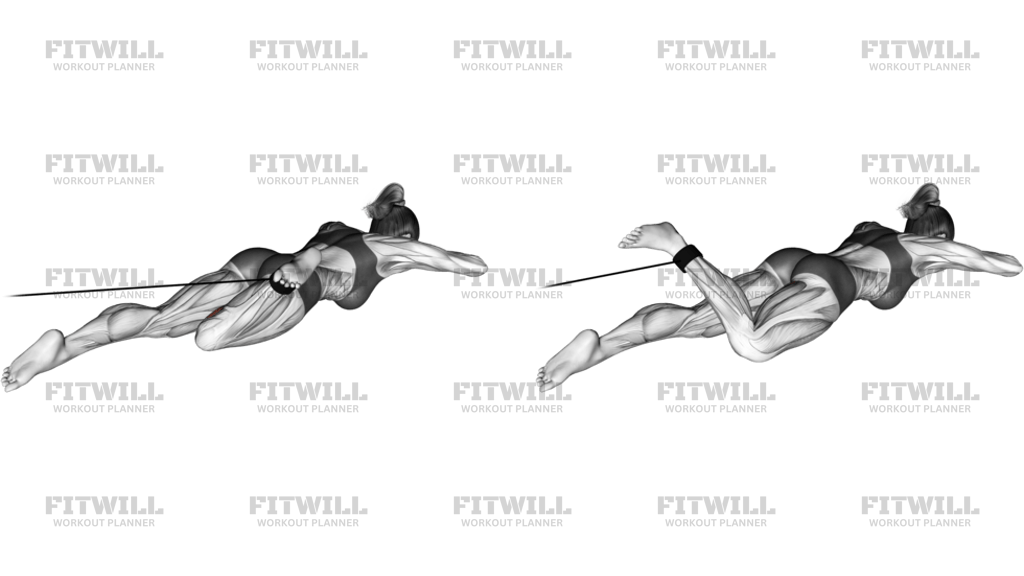
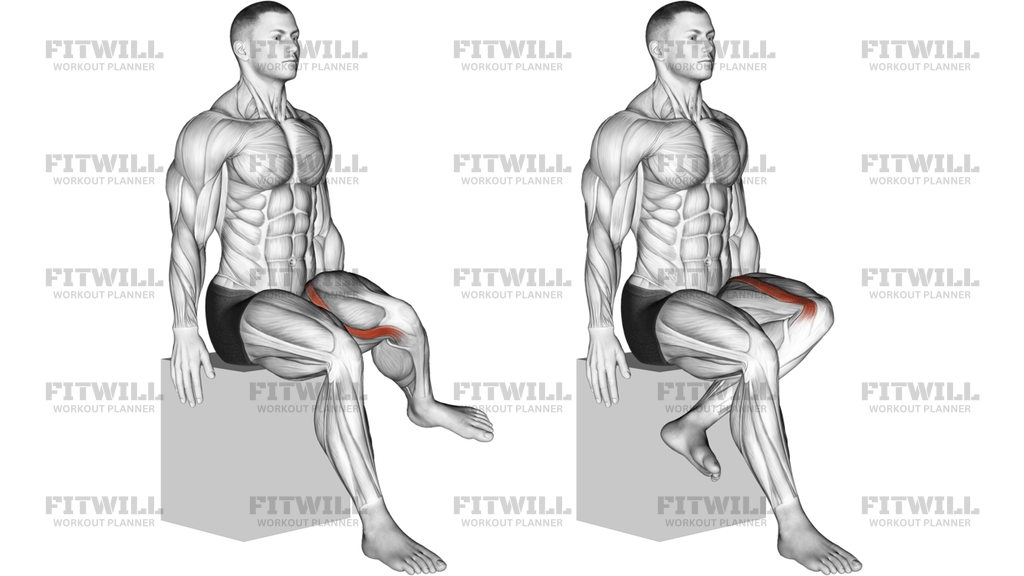
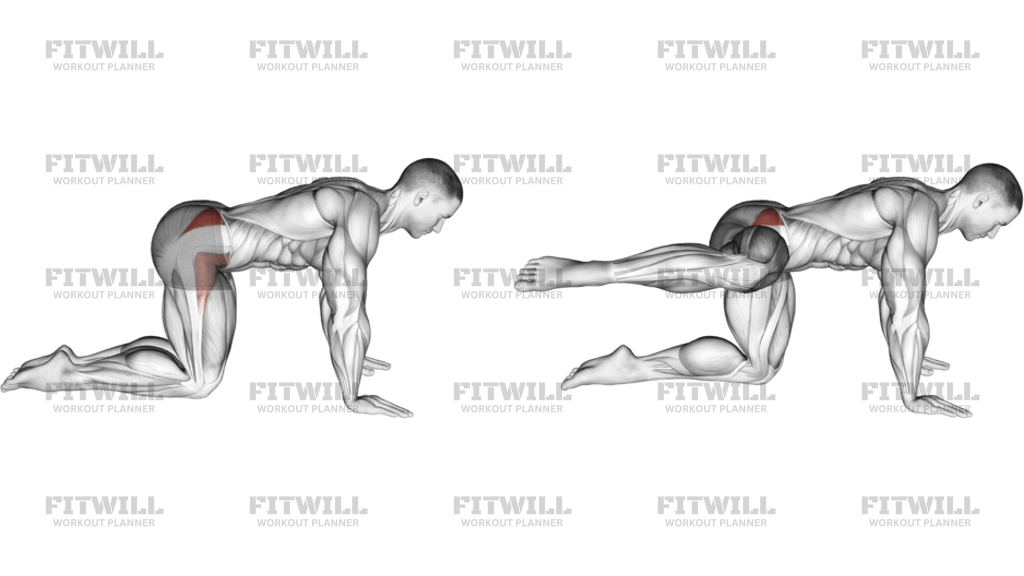
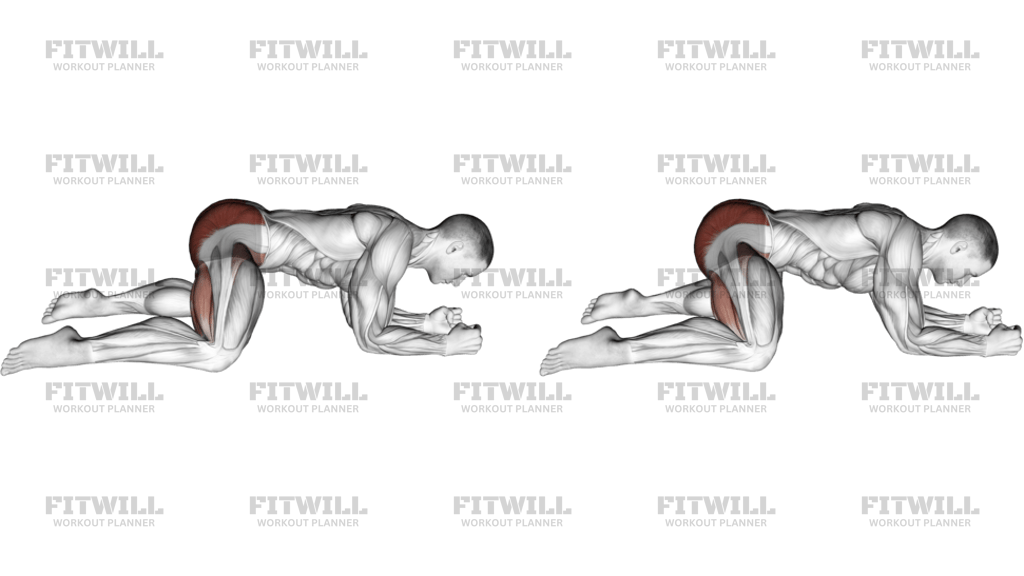
Lying Straight Leg Marches
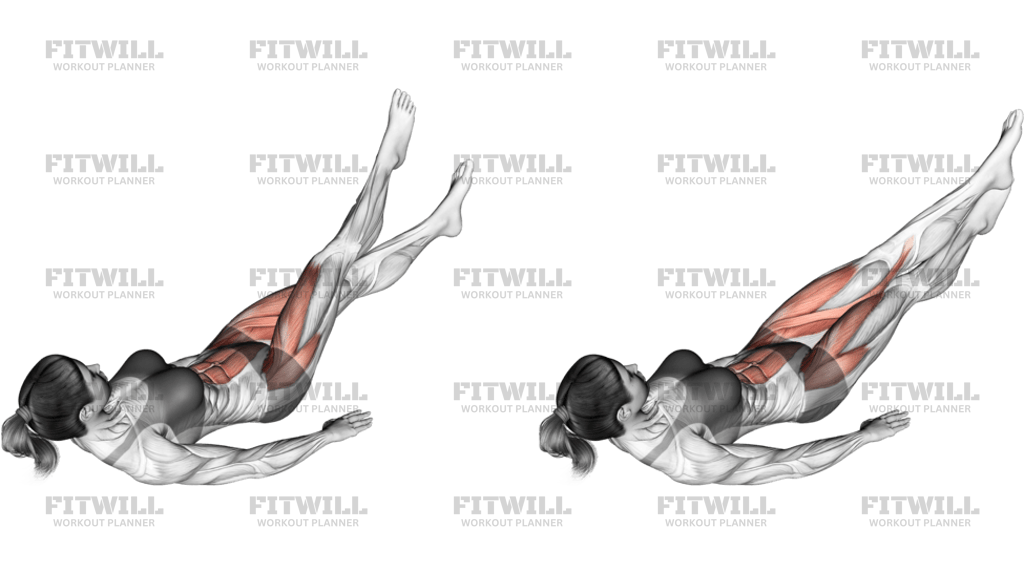
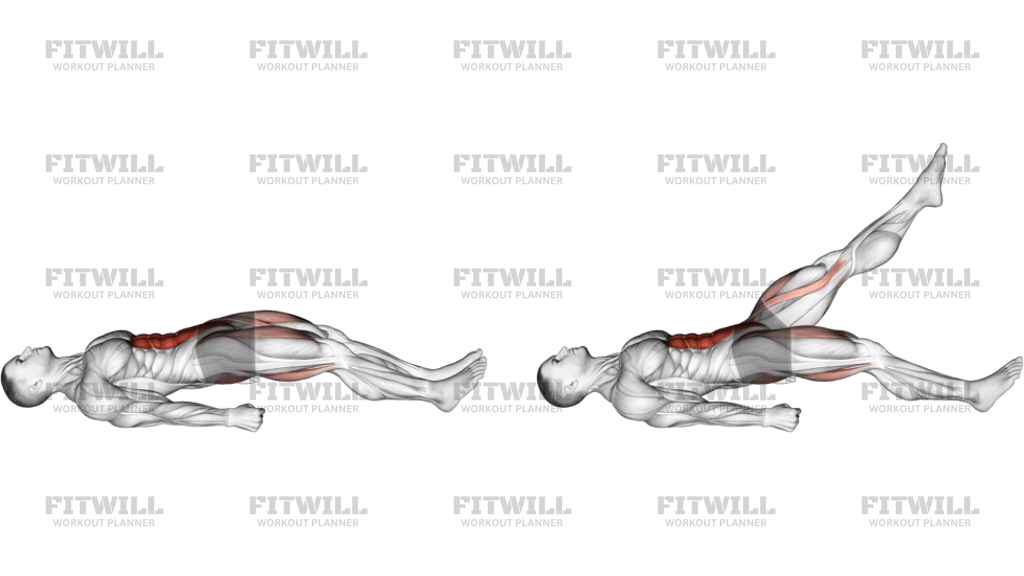
Lying Straight Leg Marches are a floor-based core and hip control exercise that uses body weight to train pelvic stability while the legs move one at a time. From a supine position, you keep one leg long and low while the other leg lifts under control, then alternate sides without letting the pelvis rock or the low back arch. The movement looks simple, but the training effect comes from staying organized while one hip flexor, hamstring, and glute sequence works against the trunk.
The exercise is most useful when you want a low-load pattern that challenges the abs, hip flexors, and glutes together. In anatomy terms, the main work centers on the Gluteus maximus, with help from the Biceps femoris, Rectus abdominis, and Erector spinae. That means the goal is not a big kick or a fast march; it is a controlled leg exchange while the torso stays quiet and the ribs stay stacked over the pelvis.
Setup matters because the floor gives you immediate feedback. Lie flat on your back with your arms by your sides, press the back of the ribs and pelvis toward the floor, and start with both legs extended long enough that you can keep tension without gripping through the neck or lower back. If you cannot keep the low back from lifting, shorten the lever or raise the working leg less.
Each repetition should feel deliberate. Lift one straight leg until you reach the highest position you can control without twisting, lower it slowly, then switch sides and repeat with the same tempo. Keep the opposite leg long and low instead of bending it or letting it drift outward. Breathe steadily so the exhale helps lock in the brace as the leg changes position.
This is a strong choice for warmups, core circuits, rehab-style training, and accessory work when you want hip control without spinal loading. It is also a useful regression before harder floor core drills, because it teaches the body to move the legs while the trunk stays still. If the motion turns into momentum, the lumbar spine takes over and the exercise stops doing its job.
[ Workout Log & Planner ]
Put your next workout in Fitwill
Keep your plan and training log ready when you are.


Instructions
- Lie on your back on a mat with your arms resting by your sides and both legs extended long.
- Press your ribs down and lightly tuck the pelvis so your lower back stays gently in contact with the floor.
- Keep one leg long and low while the other leg is ready to lift without bending the knee.
- Lift the working leg toward the ceiling in a slow, straight path.
- Stop before the pelvis tilts or the opposite leg starts to bend or drift.
- Lower the lifted leg under control until it is long and low again.
- Switch sides and repeat the same march with the same tempo and range.
- Exhale as the leg lifts and inhale as it lowers.
- Finish the set if your low back arches or your hips start rocking.
Tips & Tricks
- Keep the lifted leg straight without locking the knee so the hip moves, not the lumbar spine.
- Think about lengthening through the heel on the leg that stays low; that makes cheating with the hip flexors harder.
- If the lower back pops off the floor, shorten the march and stop the lift earlier.
- Move one leg at a time instead of letting both legs change position together.
- Do not let the feet drift outward; keep the toes pointed up or only slightly relaxed so the pelvis stays square.
- A slower lowering phase makes the exercise harder without adding any equipment.
- Keep the head and shoulders relaxed so neck tension does not replace core work.
- Use a smaller range before you increase reps, because control is the limiting factor in this movement.
Frequently Asked Questions
What muscle does Lying Straight Leg Marches target most?
The main emphasis is on the glutes and deep core, with the hip flexors and hamstrings helping control each leg change.
Can beginners perform this exercise?
Yes. Beginners usually do best with a smaller lift height and a slower tempo so they can keep the low back flat.
Should my knees stay straight the whole time?
Yes, the working leg should stay long. If the knee bends, the march usually turns into a different hip drill and the trunk has less to do.
Why does my lower back arch when I lift a leg?
The march is probably too high or too fast. Lower the leg less, exhale before the lift, and keep the ribs pressed down.
Where should I feel the working leg?
You should feel the front of the hip and the glute working, with the abs staying active to keep the pelvis steady.
Can I keep the non-working leg on the floor?
Yes, that is a useful regression. Keep it long and low so it still helps you control the pelvis.
What is the biggest mistake in this exercise?
Rushing the switch and letting the hips rock. The march should look calm and symmetrical from side to side.
How can I make straight leg marches harder?
Slow the lowering phase, pause at the top, or keep the opposite leg slightly lower without losing back contact.