Band Twist
Band Twist is a standing anti-extension and rotation drill that trains the waist to resist and control twisting force from a band. In this version, the band is anchored to one side at about chest height, and you hold it with both arms straight in front of you while the trunk rotates against the pull. The exercise is useful when you want the obliques to work hard without needing a large load or a complicated setup.
The main target is the obliques, especially the external obliques, with the abs, deep core, and lower back helping to keep the ribs and pelvis organized. Because the band pulls from the side, the exercise also asks the shoulders to stay level and the hips to stay mostly quiet while the torso does the work. That makes the line of pull important: if the anchor is too high or too low, the movement stops feeling like a clean twist and starts turning into a shoulder or arm exercise.
A good Band Twist starts with a stable stance, soft knees, and a tall posture. Stand far enough from the anchor to create light tension before the first rep, then brace your midsection so the rib cage does not flare. Keep the hands together or evenly spaced on the band, extend the arms, and let the trunk rotate under control rather than yanking the band with the arms. The goal is a smooth turn through the upper body with the pelvis staying steadier than the shoulders.
On each rep, rotate only as far as you can keep the torso stacked and the band path controlled. The working side of the waist should feel like it is shortening and resisting the pull, then lengthening under control on the way back. Exhale through the twist, inhale as you return, and stop the set if the band starts jerking your shoulders, arching your lower back, or pulling you off balance.
Band Twist fits well in core training, warmups, athletic prep, and accessory work where controlled trunk rotation matters more than maximal load. It is also a practical option for beginners who need a simple standing pattern before moving to heavier cable or landmine rotations. Use light to moderate resistance and clean repetitions so the waist does the job instead of momentum.
Fitwill
Log Workouts, Track Progress & Build Strength.
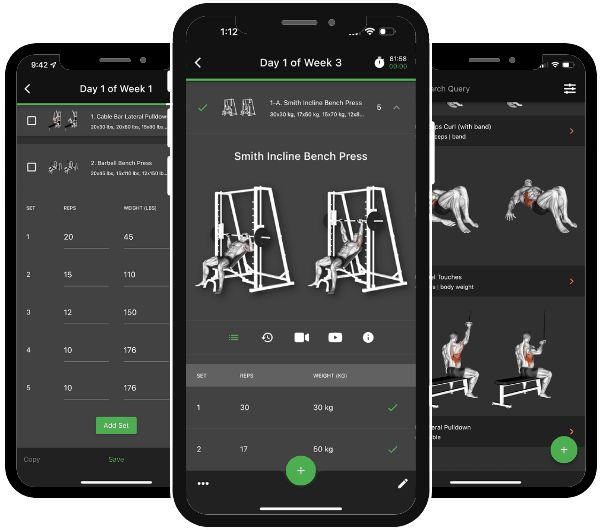
Achieve more with Fitwill: explore over 5000 exercises with images and videos, access built-in and custom workouts, perfect for both gym and home sessions, and see real results.
Start your journey. Download today!


Instructions
- Anchor the band at about chest height and stand sideways to the anchor with enough distance to create light tension.
- Plant your feet about hip- to shoulder-width apart and keep a soft bend in the knees so you can rotate without bouncing.
- Hold the band with both hands in front of your chest, extend the arms, and set your shoulders down away from your ears.
- Brace your abs and keep your ribs stacked over your pelvis before the first twist.
- Rotate your torso away from the anchor in a smooth arc while keeping the arms long and the hands level.
- Let the obliques drive the turn instead of pulling with the shoulders or swinging the hips.
- Pause briefly at the end of the twist without letting the lower back arch or the chest flare.
- Return to the start slowly against the band tension, then reset your brace before the next rep.
Tips & Tricks
- Set the anchor at chest level so the band pulls straight across the torso instead of yanking up toward the shoulder.
- Keep the arms long but not locked hard; the hands should travel with the chest, not independently pull the band.
- Think about rotating the ribs over the pelvis, not whipping the hips around with momentum.
- If the band is too heavy, the shoulders will shrug and the low back will arch before the obliques get a useful rep.
- Use a stance that lets both feet stay planted, especially on the return, so the twist stays controlled.
- A short pause at the end of the turn makes the obliques work harder than a fast snap and rebound.
- Exhale as you twist to help keep the ribs down and the trunk tight.
- Stop the set when the band starts pulling you out of alignment instead of letting the waist control the motion.
Frequently Asked Questions
What muscle does Band Twist target most?
The obliques do most of the work, especially the external obliques on the side of the waist.
Can beginners perform this exercise?
Yes. It is beginner-friendly if the band is light enough that you can rotate smoothly without jerking the shoulders or hips.
Where should the band be anchored?
Anchor it around chest height so the pull line stays level across your torso and the twist stays clean.
Should my arms bend during the twist?
Keep the arms mostly straight so the torso, not the elbows, controls the movement.
What is the most common form mistake?
Letting the hips swing and the lower back arch instead of rotating the trunk under control.
Do I twist through the hips or the waist?
The visible motion comes from the waist and ribcage, while the hips should stay much steadier.
What should I feel at the end of each rep?
You should feel the side of the waist working hard, with the shoulders still level and the band under control.
How do I make the exercise harder without cheating?
Use a little more band tension, slow the return, or add a brief pause at the end of each twist.