Dead Bug Version 2
Dead Bug Version 2 is a bodyweight core exercise performed lying on your back while you alternate opposite arm and leg positions with slow, deliberate control. The goal is not to swing the limbs through a big range. The goal is to keep the ribs stacked, the pelvis steady, and the low back quiet while the legs and arms move.
This variation places the main demand on the abs, especially the rectus abdominis and deep trunk stabilizers that resist arching through the lumbar spine. The obliques and hip flexors help control the side-to-side shift that happens when one limb extends away from the body. That makes Dead Bug Version 2 useful when you want core work that teaches bracing rather than just burning out the hip flexors.
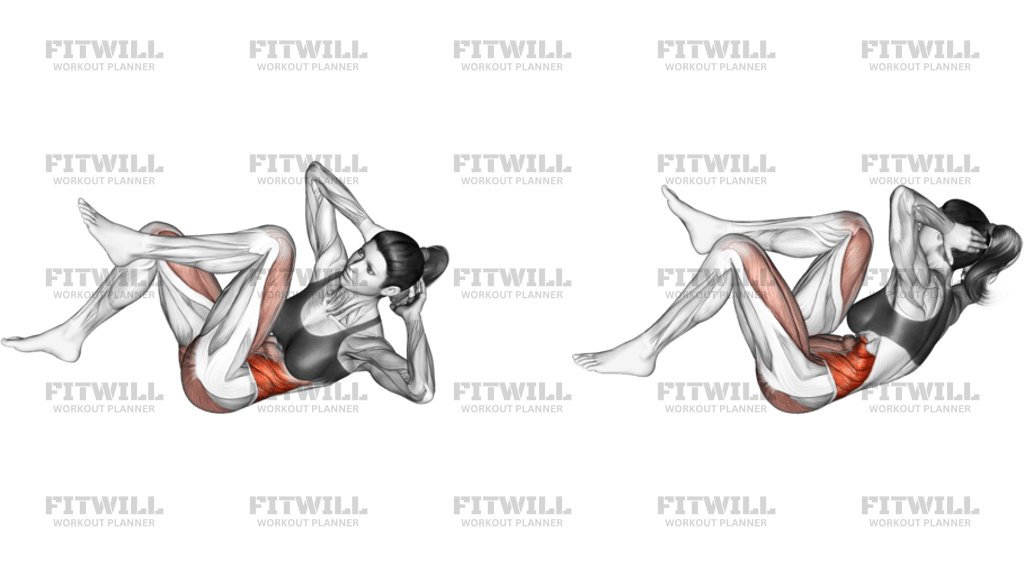
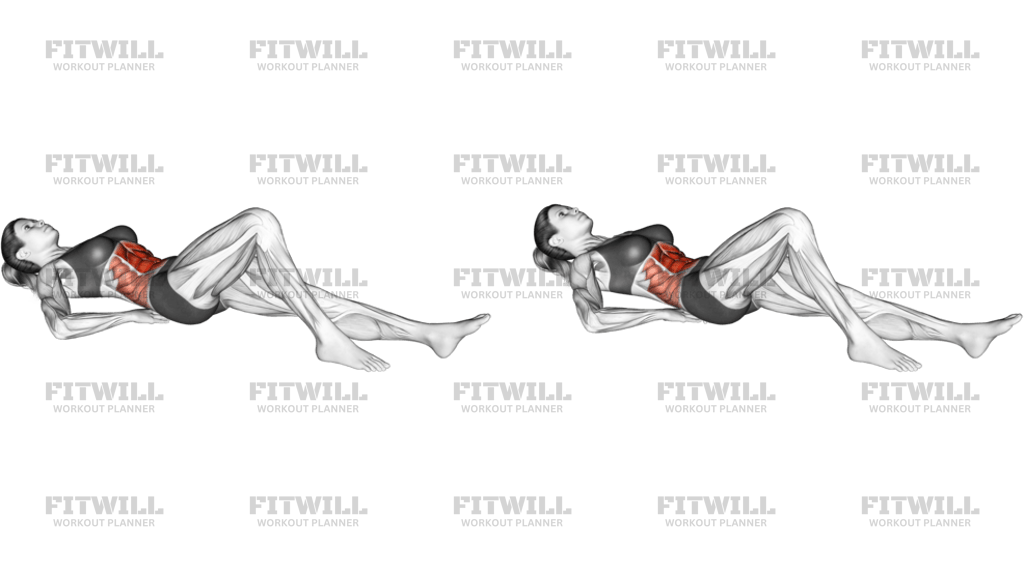
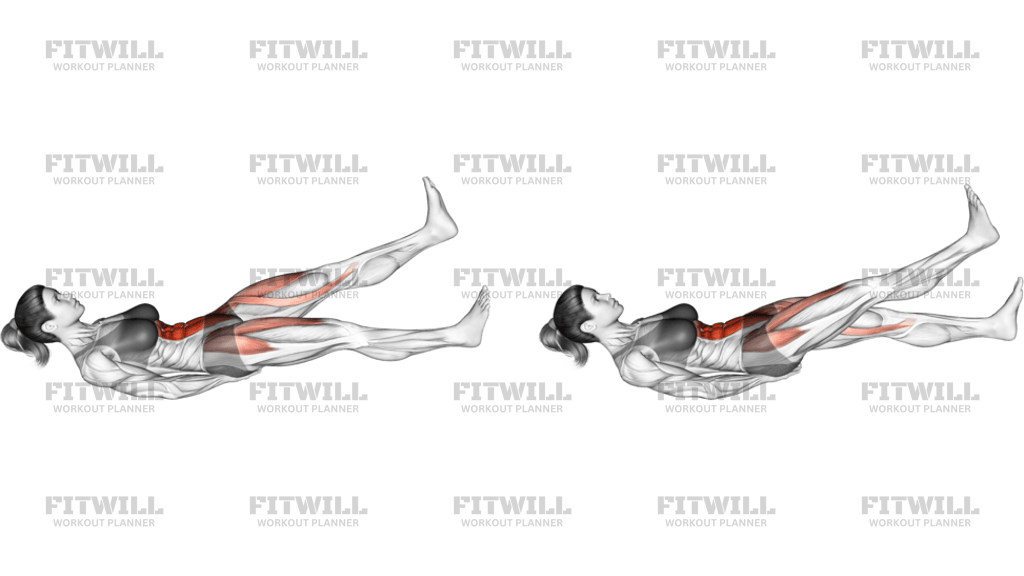
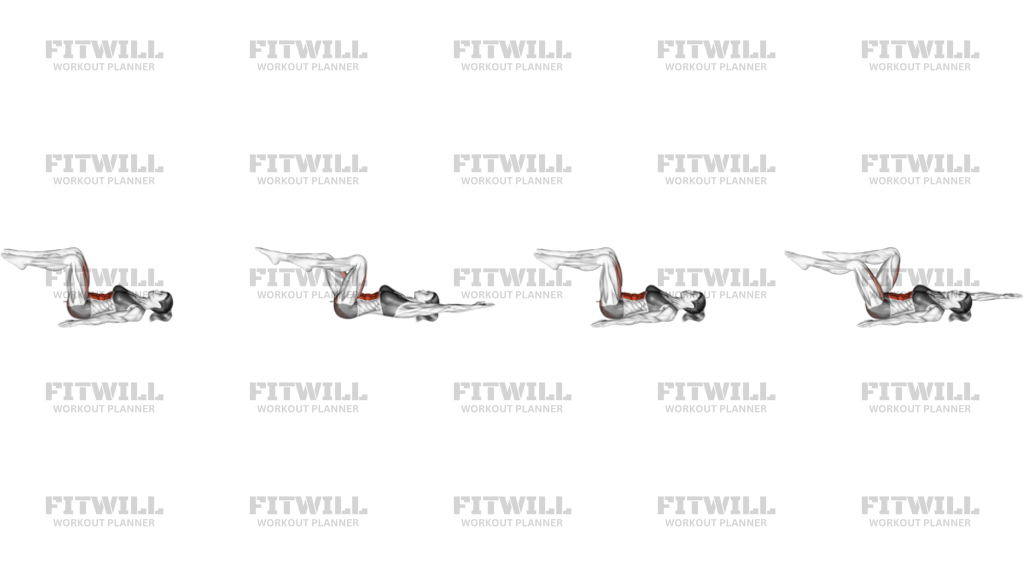
The starting position matters because it sets the shape you have to keep throughout the set. Lie flat with your knees and hips bent, then bring the arms and legs into the dead-bug position shown by the image so you can start from a stable 90/90 setup. Before each rep, exhale enough to bring the ribs down and lightly press the lower back toward the floor without flattening everything so hard that you lose breathing room.
Each repetition should feel like a controlled reach away from the center line, not a frantic stretch. Extend one arm and the opposite leg slowly, stop before the low back arches or the pelvis tips, then return with the same control and switch sides. If the range gets too large, shorten the lever and keep the movement honest; a smaller, cleaner rep is more valuable than a bigger rep that breaks position.
Dead Bug Version 2 fits well in warm-ups, core sessions, and accessory work before pressing, squatting, sprinting, or any training that benefits from a strong brace. It is also a good option for beginners who need a simple floor-based drill for learning trunk control. Keep the reps smooth, breathe through the effort, and stop the set when your ribs flare, your neck tenses, or the low back starts to lift.
[ Workout Log & Planner ]
Put your next workout in Fitwill
Keep your plan and training log ready when you are.


Instructions
- Lie on your back on a flat floor or mat and bring your hips and knees to about 90 degrees, with your shins roughly parallel to the floor.
- Reach your arms straight up over your shoulders so your hands are stacked above your chest, then set your head and shoulder blades comfortably on the floor.
- Exhale to bring your ribs down and gently press your lower back toward the mat before the first rep starts.
- Brace your stomach and keep your pelvis steady while you prepare to move one arm and the opposite leg.
- Slowly extend one arm back and the opposite leg away from your torso until you feel your trunk want to arch, then stop just before that point.
- Keep the non-moving arm and leg still so the torso does not rock from side to side.
- Exhale as you return the arm and leg to the starting position under control.
- Switch sides and repeat the same slow reach, keeping the range of motion identical on both sides.
- Continue for the planned number of repetitions, then place both feet on the floor and relax your torso before standing up.
Tips & Tricks
- If your low back pops off the floor as soon as the arm and leg move, shorten the reach instead of forcing a longer rep.
- Keep the exhale long enough to lock the ribs down before the leg starts to drift away from you.
- Think of the moving leg as reaching out, not dropping down; a fast drop usually means the hip flexors are taking over.
- Keep the opposite arm active and long rather than letting it bend and collapse toward the chest.
- Do not let the non-moving knee wander in or out; that usually means the pelvis is rotating with the rep.
- A smaller 90/90 range with perfect control is better than touching the floor and losing trunk tension.
- If your neck gets tight, keep the back of the head heavy on the mat and soften the chin slightly.
- Move one side at a time at the same speed so both sides stay even and the torso does not twist.
- Use this as a quality drill, not a race for reps; once the lower back arches, the set is over.
Frequently Asked Questions
What muscles does Dead Bug Version 2 train most?
It primarily trains the abs, especially the rectus abdominis and deep trunk stabilizers, with the obliques and hip flexors helping control the alternating limb reach.
Should my lower back stay on the floor during Dead Bug Version 2?
Yes, the lower back should stay lightly controlled against the mat. If it arches off the floor, shorten the arm and leg reach.
How far should I extend the arm and opposite leg?
Only extend until you can still keep your ribs down and your pelvis quiet. The best rep is the longest one you can control without losing contact through the trunk.
Do I move both sides at the same time in Dead Bug Version 2?
You alternate opposite arm and leg work, but the torso should stay still while the limbs move. The changing side is what challenges your core control.
Is Dead Bug Version 2 good for beginners?
Yes, as long as the range stays small and the pace stays slow. Beginners often do better with fewer reps and a tighter 90/90 position.
What is the most common mistake with the floor position?
Letting the ribs flare and the low back arch when the opposite leg reaches away is the most common error. That usually means the rep is too large or too fast.
Can I use Dead Bug Version 2 before lifting?
Yes, it works well as a core primer before squats, presses, and deadlift variations because it teaches bracing without fatigue from heavy loading.
How can I make Dead Bug Version 2 harder without weights?
Make the opposite arm and leg reach longer, slow the lowering phase, or add a brief pause at full extension while still keeping the low back stable.