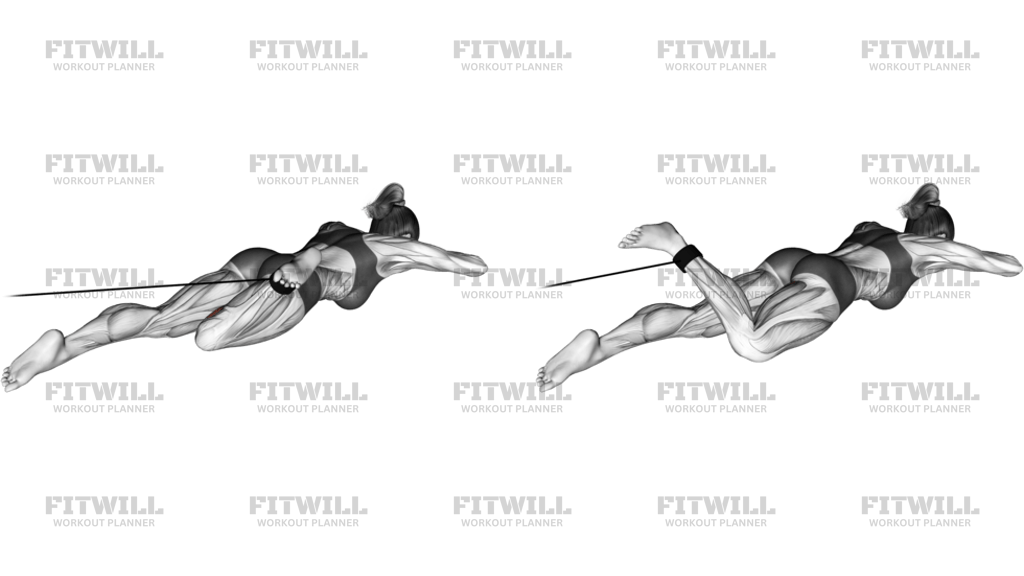
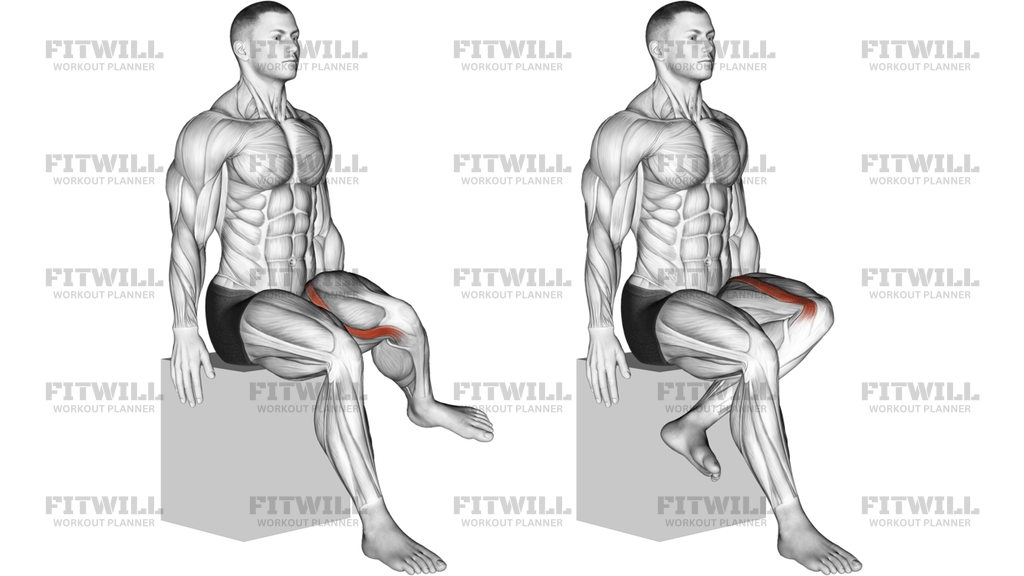
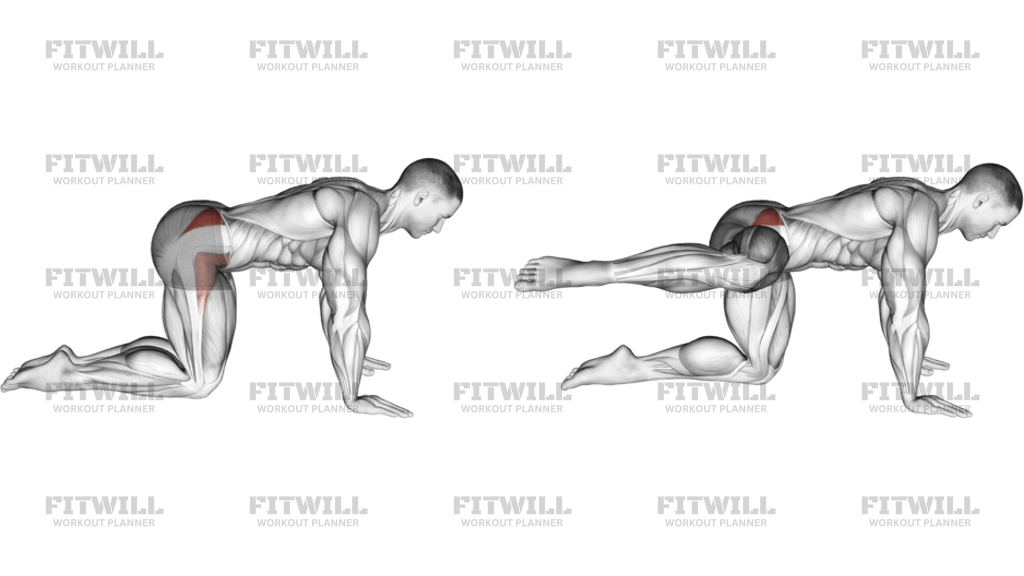
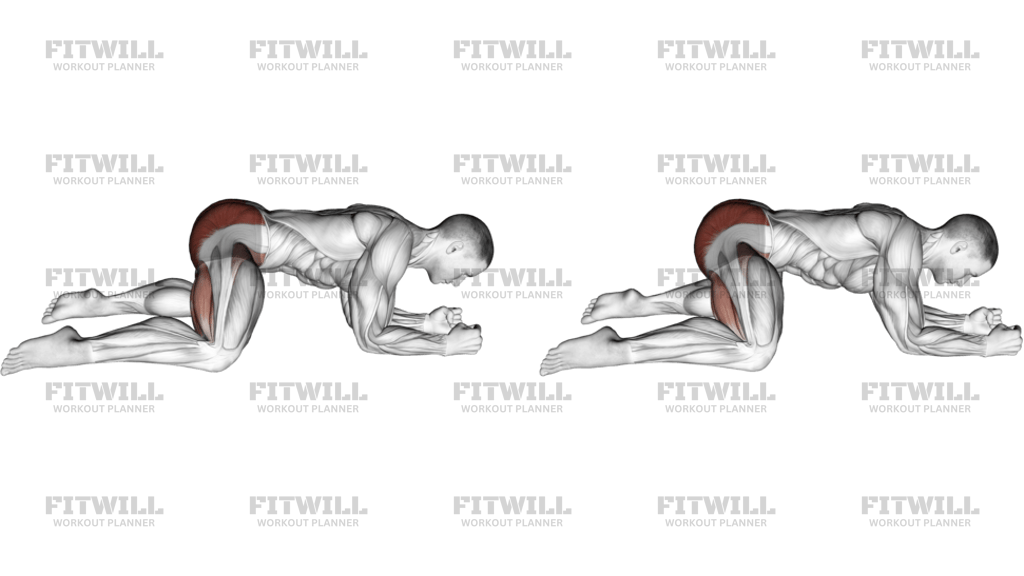
Lying Floor Hyperextension
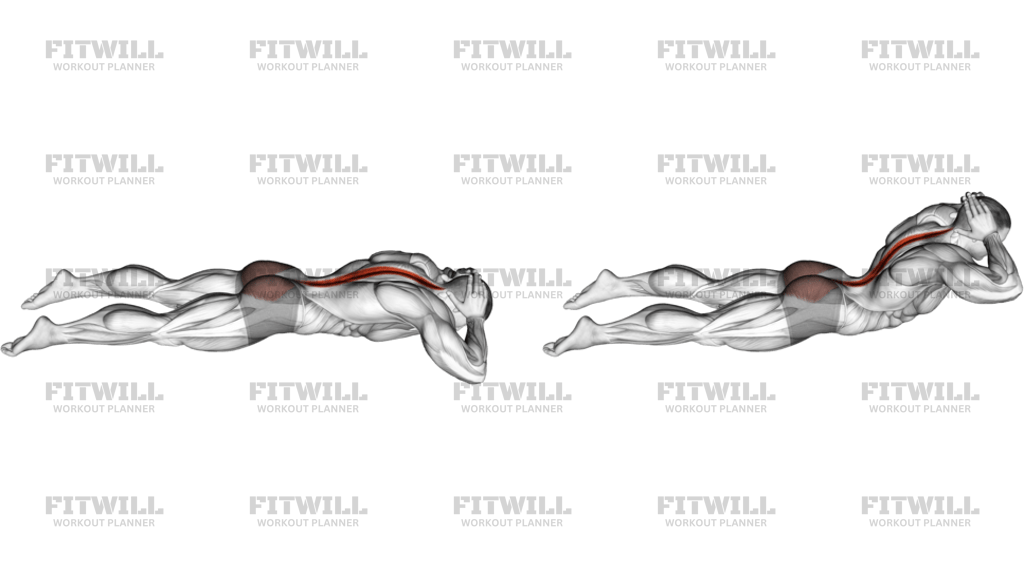
Lying Floor Hyperextension is a body-weight floor drill for the posterior chain, with the biggest demand going to the glutes, hamstrings, and spinal erectors. The movement is small compared with a full back extension machine or a loaded hip hinge, but that does not make it trivial. It is most useful when you want controlled trunk and hip extension without chasing load.
The setup matters because the floor gives you very little room to hide sloppy position. Lie face down with your hips and thighs resting on the floor, legs long, and your hands lightly supporting the sides of your head or face. Keep your neck long, your ribs close to the floor at the start, and your gaze down so the lift comes from your torso instead of a big neck crank.
A good rep starts by bracing your midsection and squeezing the glutes before you leave the floor. Lift your chest a few inches by extending through the upper back and hips, then stop as soon as you reach a clean, controlled peak. The goal is a smooth arc, not an aggressive yank upward. Lower yourself slowly until your chest and forehead are close to the floor again, then reset your breath before the next repetition.
Lying Floor Hyperextension fits well as accessory work on lower-body days, as a warm-up for hip extension, or as a low-load back-and-glute drill in conditioning circuits. It is also useful when someone wants to train extension endurance without barbell loading. The exercise should feel organized and repeatable, with the glutes and hamstrings contributing to the lift while the low back works without compression or pinching.
Keep the range conservative if your lower back feels jammed or if you can only move by throwing your head and chest upward. Beginners can use this version safely when they keep the lift small and the tempo slow. If you want more challenge, add a longer pause at the top or slow the lowering phase rather than turning it into a bigger, looser motion.
[ Workout Log & Planner ]
Put your next workout in Fitwill
Keep your plan and training log ready when you are.


Instructions
- Lie face down on the floor with your legs straight, hips and thighs in contact with the ground, and your forehead resting lightly on your hands or stacked forearms.
- Keep your elbows angled out comfortably, your neck long, and your gaze down so your head stays in line with your spine.
- Set your ribs gently toward the floor, squeeze your glutes, and tighten your midsection before you start the lift.
- Exhale and lift your chest a few inches off the floor by extending through your upper back and hips, not by throwing your head back.
- Stop at the top when your torso is high enough to feel the back and glutes working without losing control or popping your ribs up.
- Hold the top position briefly while keeping your glutes engaged and your shoulders away from your ears.
- Inhale and lower your torso slowly until your chest and forehead are near the floor again.
- Reset your neck and breathing at the bottom, then repeat for the planned number of repetitions.
Tips & Tricks
- Keep the lift small. If your chest has to come up high before the glutes and low back feel engaged, you are probably overextending.
- Let the hands stay light on the head or face. Pulling hard on the neck turns the exercise into a neck movement instead of a floor back extension.
- Think about lifting the sternum forward and up, not cranking the chin skyward.
- If your ribs flare on the way up, shorten the range and exhale a little earlier in the rep.
- Squeeze the glutes before the chest leaves the floor so the hips do not stay passive.
- Lower under control for two to three seconds; the slow descent does more for the posterior chain than bouncing off the floor.
- If the lower back feels pinched, stop at a lower top position and make the torso arc smoother.
- Keep the thighs pressed into the floor so the movement stays anchored instead of turning into a sloppy flutter.
Frequently Asked Questions
What muscles does Lying Floor Hyperextension work most?
It mainly trains the glutes, hamstrings, and spinal erectors. Your abs and upper back help keep the trunk organized while you lift.
How high should my chest come off the floor?
Only high enough to feel a clean extension through the torso without losing neck position or flaring the ribs. A small, controlled lift is usually enough.
Should my hands help me pull into the top position?
No, the hands should stay light. If you are yanking on your head or face, the set is too aggressive and the neck is doing too much work.
Is Lying Floor Hyperextension beginner-friendly?
Yes, because the floor limits the range and the exercise uses body weight. Start with short sets and a slow tempo so you can learn the torso and hip timing.
What is the most common mistake on this exercise?
The most common mistake is overextending the neck and lower back to get a bigger-looking rep. Keep the movement smooth and stop before the position turns sloppy.
Why do my lower back muscles feel this more than my glutes?
Usually the lift is coming from the spine instead of the hips. Squeeze the glutes before each rep and keep the chest rise small so the glutes stay involved.
Can I use Lying Floor Hyperextension as a warm-up?
Yes, it works well as a low-load activation drill before hinges, squats, or deadlifts. Use controlled reps and do not take it to fatigue.
How do I make the exercise harder without adding weight?
Add a pause at the top or slow the lowering phase to increase time under tension. Keep the same clean torso path instead of trying to lift higher.