Cable Rear Delt Row
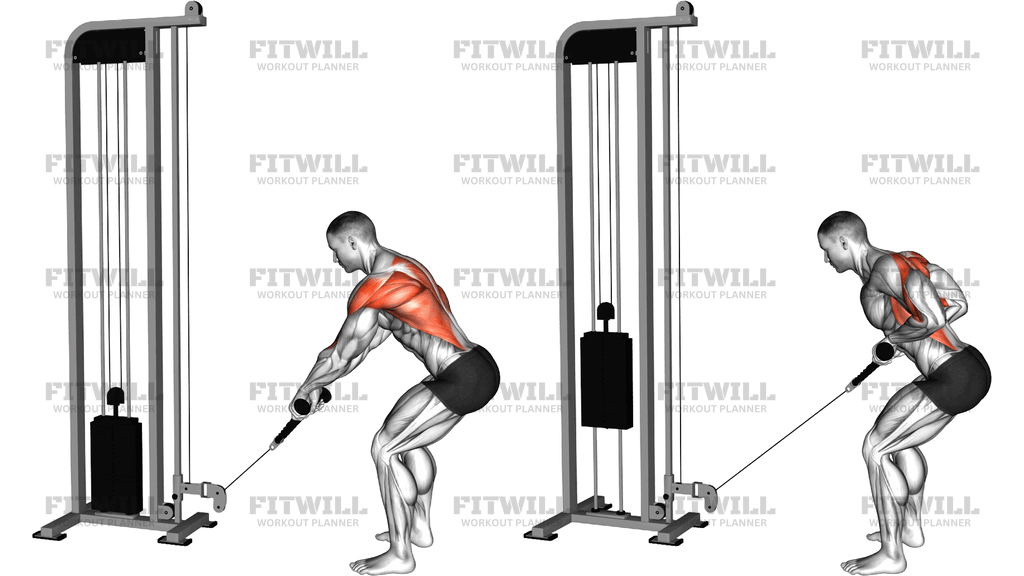
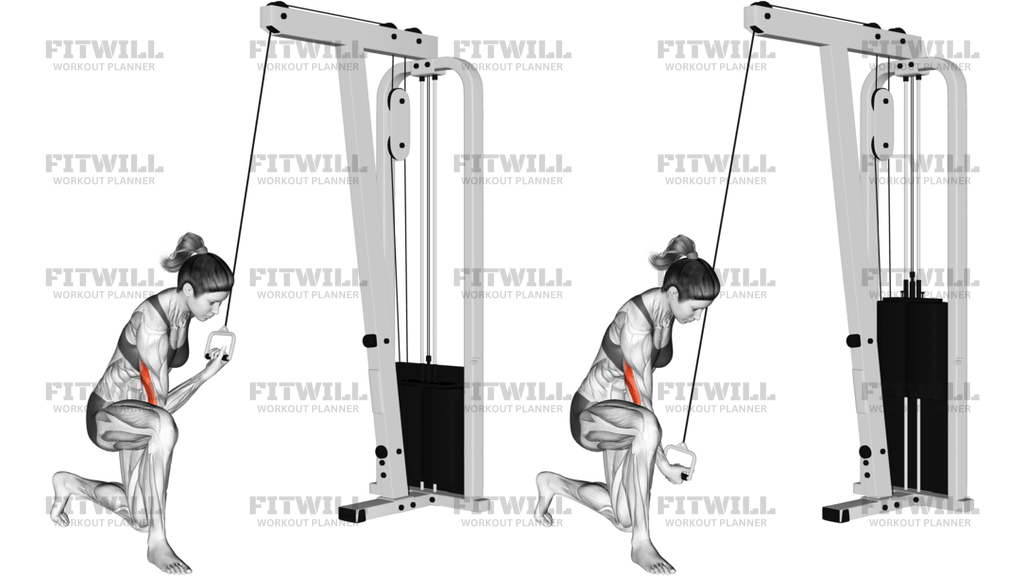
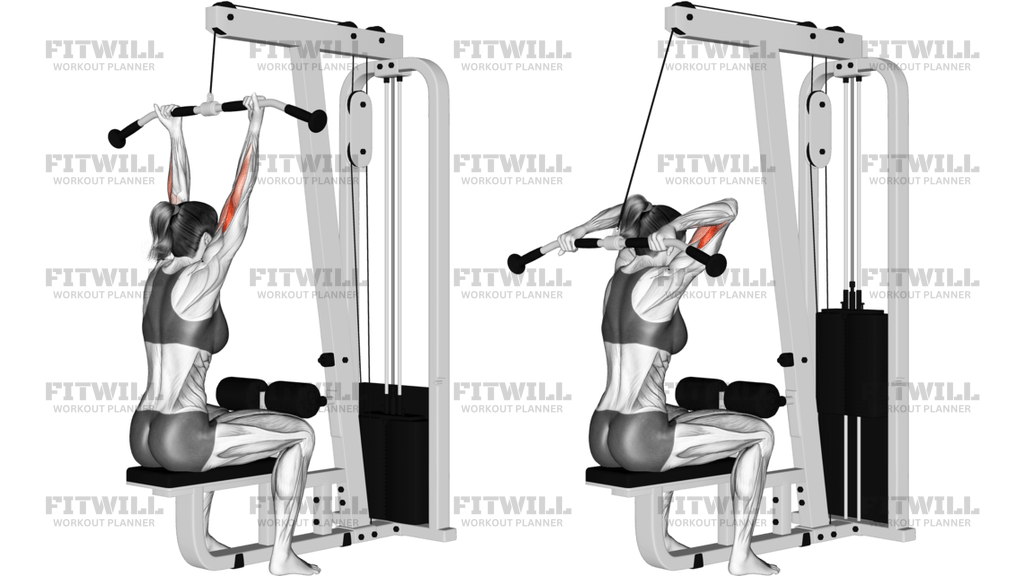
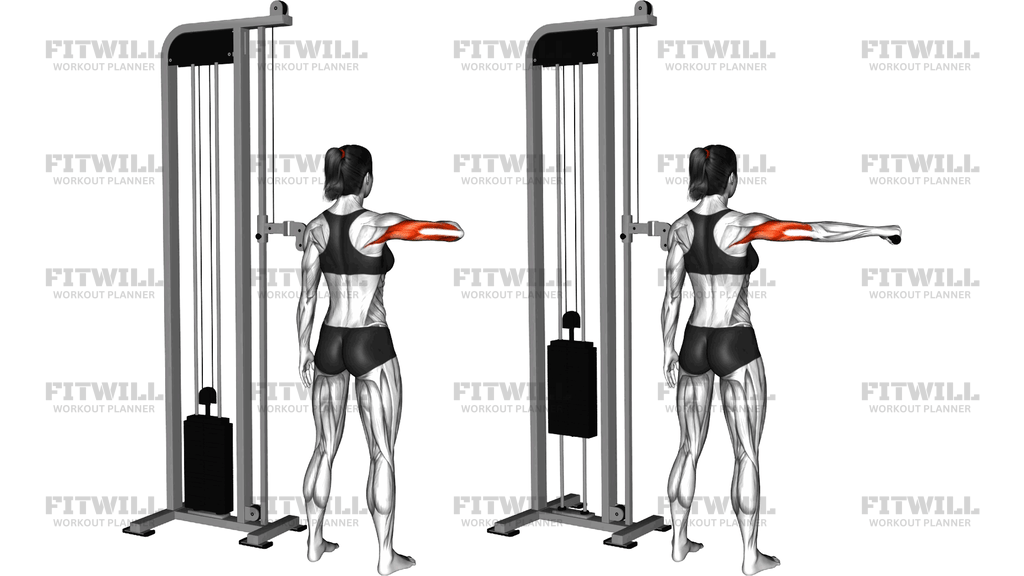
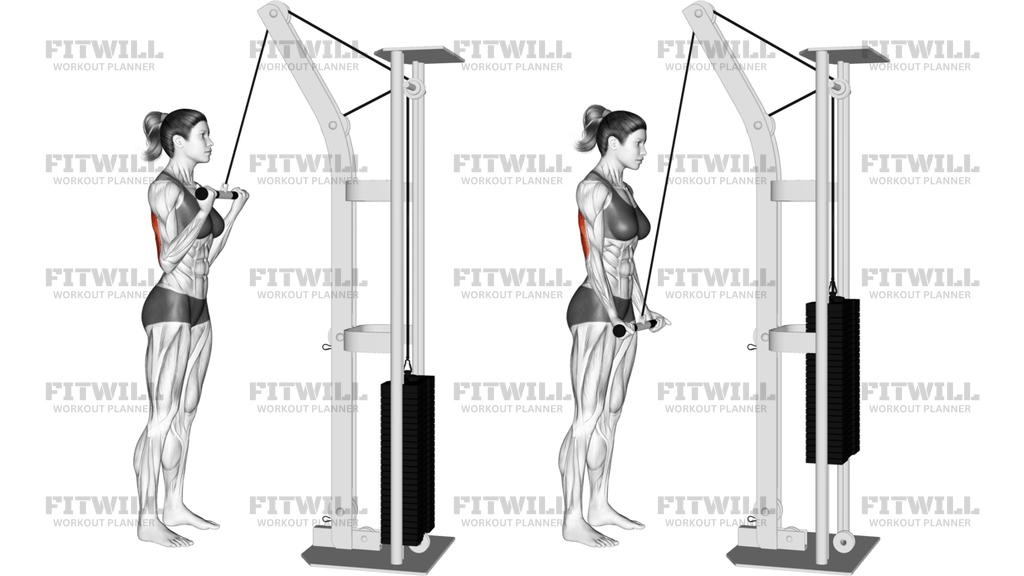
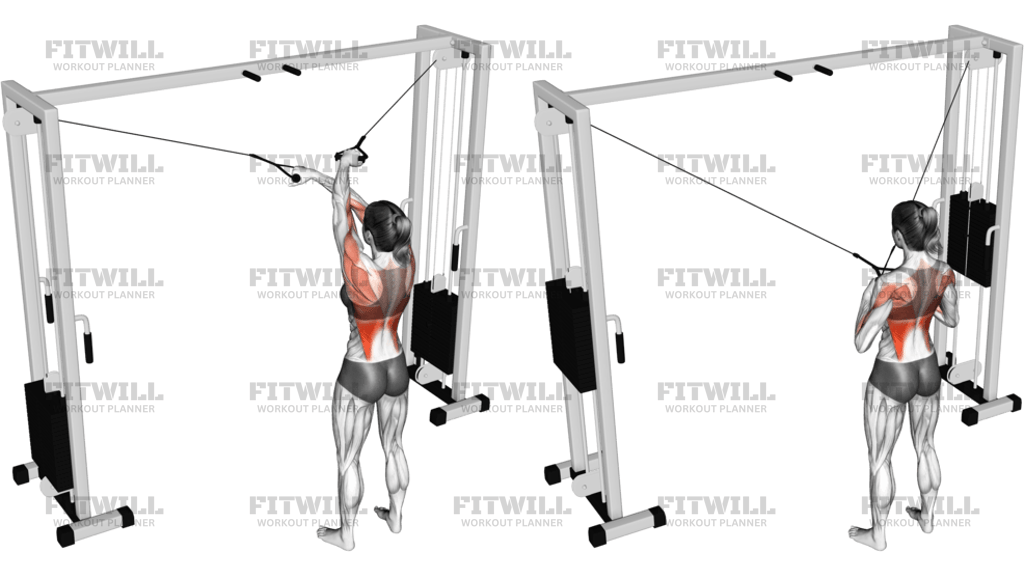
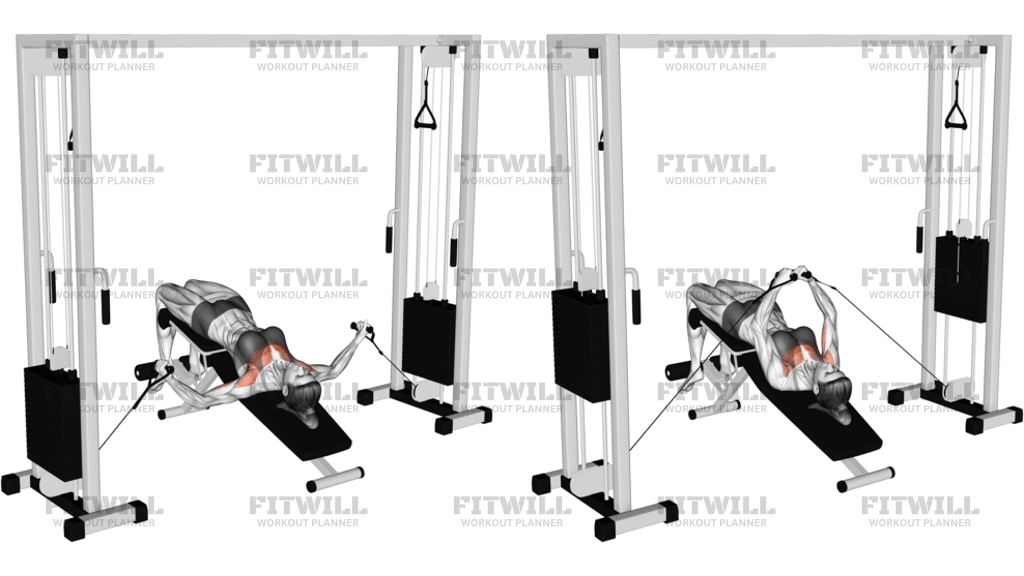
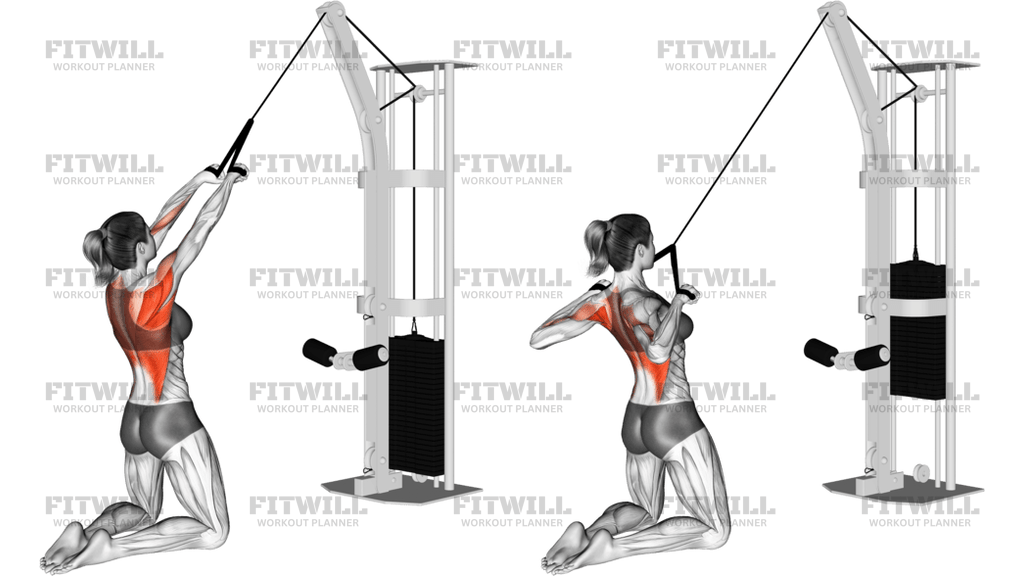
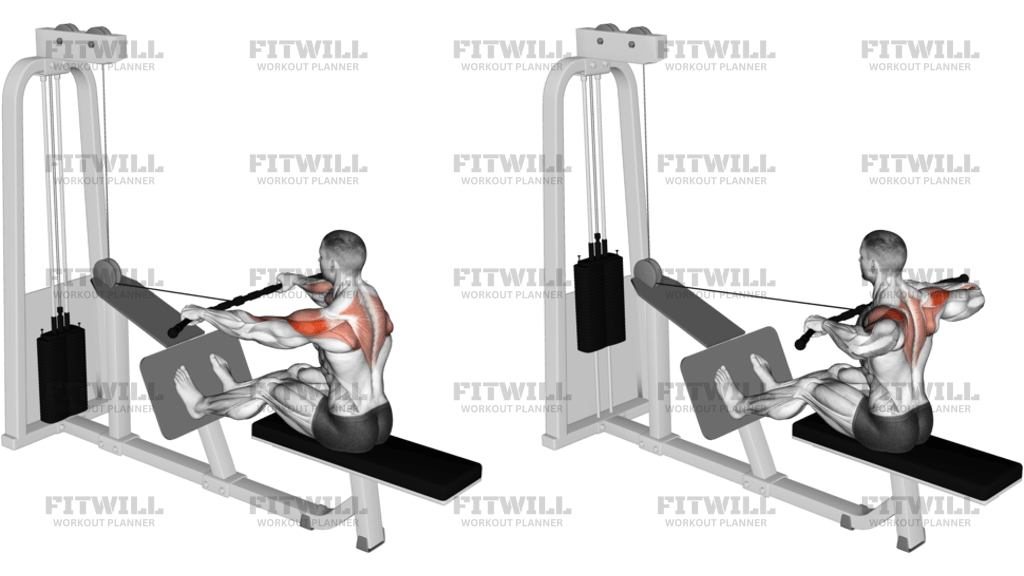
Cable Rear Delt Row is a seated cable exercise that emphasizes the rear shoulders while the upper back and arms help guide the pull. The image shows a low cable, a handle attachment, and a seated position with the torso slightly inclined forward, which makes the setup important: the line of pull and your torso angle decide whether the rep stays focused on the rear delts or turns into a shruggy, body-driven row.
This variation is useful when you want the cable to keep constant tension on the pulling muscles instead of relying on momentum. With the arms starting long in front of you, the rear delts, rhomboids, and mid traps have to initiate the rep cleanly, and the elbows should travel out and back rather than tucking close to the ribs. That wide elbow path is what gives the exercise its rear-delt bias.
A good rep starts by sitting tall on the bench, bracing through the midsection, and setting the shoulders down before the pull begins. From there, drive the elbows back and slightly out until the handle reaches about upper-chest or shoulder height, then squeeze for a moment without letting the ribcage flare or the lower back swing the load. The return should be slow and deliberate so the shoulders stay controlled as the arms lengthen back toward the stack.
Cable Rear Delt Row fits well as accessory work on an upper-body day, in a pull session, or anywhere you want more shoulder balance and upper-back control. It is especially helpful for people who spend a lot of time pressing or sitting at a desk, because it reinforces scapular control and posterior-shoulder strength without needing heavy loads. Start light enough to keep the handle path clean, and treat every rep as a strict pull instead of a full-body heave.
[ Workout Log & Planner ]
Put your next workout in Fitwill
Keep your plan and training log ready when you are.


Instructions
- Sit on the bench facing the low pulley and attach the handle so the cable runs straight toward you.
- Plant your feet firmly, lean your torso slightly forward, and keep a long spine with your chest proud but ribs down.
- Grip the handle with both hands and let your arms reach forward until you feel a light stretch across the rear shoulders.
- Set your shoulders down away from your ears before you begin the pull.
- Exhale and drive your elbows back and out, keeping them higher than your wrists as the handle travels toward your upper chest.
- Pause briefly when the handle reaches shoulder or upper-chest height and the rear delts are fully contracted.
- Lower the handle slowly until your arms are long again and the cable is under control.
- Reset your shoulder position and repeat for the planned reps without rocking your torso.
Tips & Tricks
- Keep the elbows flared so the pull stays on the rear delts instead of turning into a narrow lat row.
- If the handle reaches your stomach, the cable is usually too low or your elbows are dropping too much.
- Use a light forward torso lean, but do not turn the rep into a seated deadlift with the lower back.
- Let the shoulder blades move naturally, then finish by squeezing them back without shrugging up.
- Choose a load that lets you pause for a beat at the top without jerking the stack.
- Keep your wrists neutral so the hands do not take over the rep from the shoulders.
- Lower the handle under control for the full stretch instead of letting the stack pull your arms forward.
- Exhale on the pull and inhale as the arms return to the start.
Frequently Asked Questions
What does Cable Rear Delt Row train most?
It primarily targets the rear shoulders, with the rhomboids, mid traps, and biceps helping on the pull.
Why sit slightly forward instead of staying upright?
A small forward hinge gives the handle room to travel and helps you pull with the elbows out instead of tucking into a standard row.
Where should the handle finish?
For most lifters, the clean finish is around upper-chest or shoulder height with the elbows wide and the shoulders not shrugged.
Should my elbows stay close to my sides?
No. A rear-delt row uses a wider elbow path; if the elbows stay tight, the movement becomes more of a lat row.
Is this a good exercise for beginners?
Yes, if the load is light enough to keep the torso still and the handle path controlled from the first rep.
What is the most common mistake?
Most people either shrug the shoulders up or swing the torso to finish the rep instead of letting the rear delts move the handle.
How should I breathe during the set?
Exhale as you pull the handle back, then inhale on the controlled return to the starting reach.
Can I use this to improve shoulder balance?
Yes. It is a strong accessory choice when you want more rear-shoulder and upper-back work to support pressing and posture.