Shin Box Switch
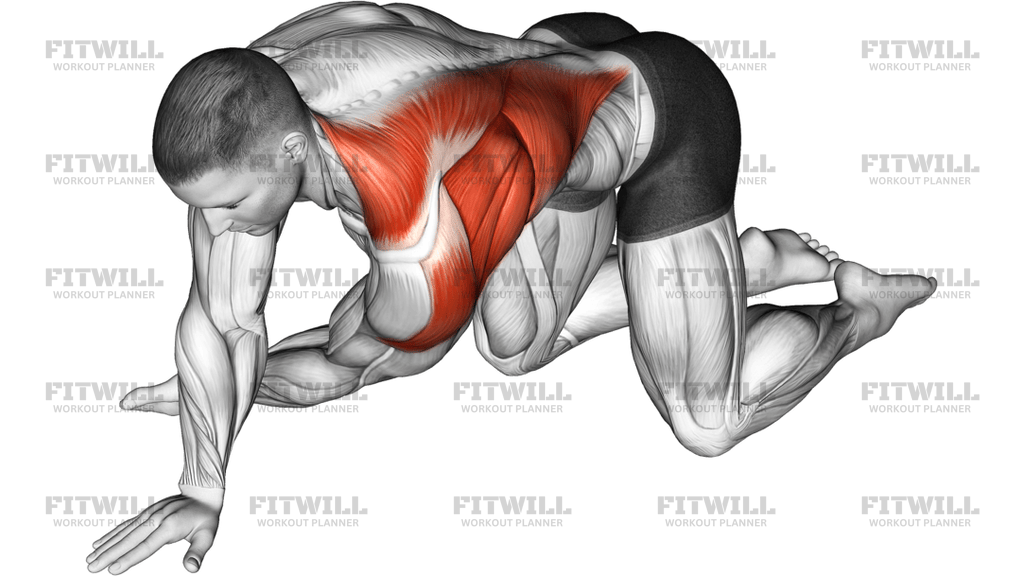
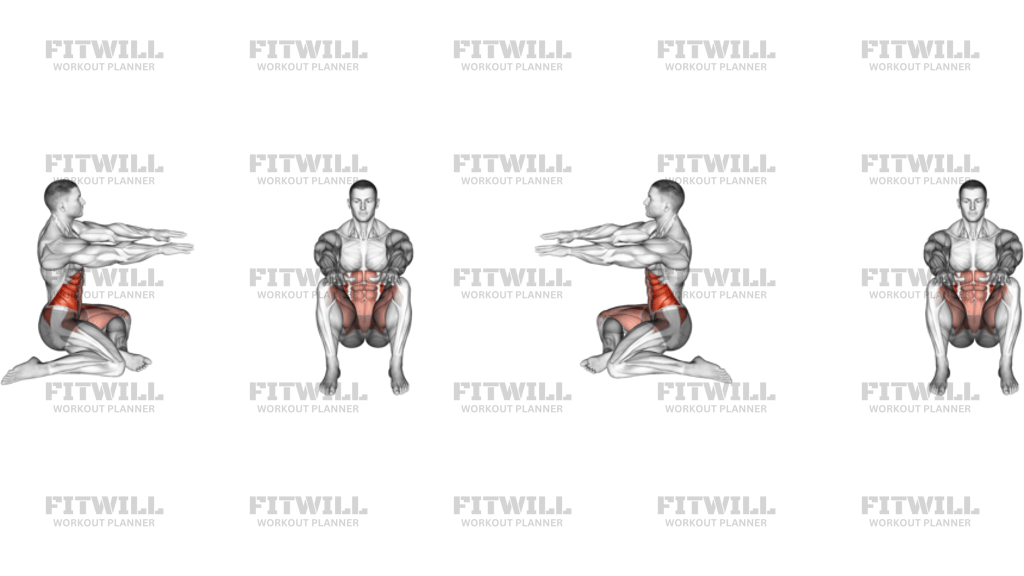
Shin Box Switch is a bodyweight floor drill that moves between two seated 90/90 hip positions. It is commonly used to improve hip internal and external rotation, open up the hips before lifting, and teach you how to switch sides without twisting through the low back. The exercise looks simple, but the quality comes from how cleanly you set the legs, stay tall through the torso, and control the transition from one shin-box position to the other.
In the starting position, one leg is folded in front of you with the knee bent about 90 degrees and the shin angled across your body, while the other leg is folded behind you in the opposite 90/90 shape. That asymmetrical position loads the hips differently on each side, so the setup matters. If you sit slumped or dump into one hip, the switch turns into a spine-driven roll instead of a hip drill. A tall chest, long spine, and quiet ribs help the hips do the work.
The switch itself should feel like a smooth leg transition rather than a throw. You lift or lighten the knees, rotate the thighs through the hips, and bring both legs across to the other shin-box position with control. Hands may stay in front of you for balance, or briefly touch the floor beside the hips if you need assistance. The goal is to keep the movement fluid while the torso stays organized and the breath stays calm.
This drill is useful in warm-ups, mobility sessions, or as a low-intensity accessory between strength sets when you want better hip control and easier floor transitions. It is also a practical regression for people who need more time in deep hip rotation before lunges, squats, split squats, or ground-based athletic work. Work only in a pain-free range: a mild stretch in the hips and glutes is expected, but pinching in the front of the hip, knee discomfort, or a low-back cramp means the range is too aggressive.
The best version of Shin Box Switch is smooth, repeatable, and unforced. Use the smallest amount of assistance you need, keep both sides honest, and let the hips settle before switching again. Over time, cleaner reps usually matter more than trying to force a bigger range or faster rhythm.
[ Workout Log & Planner ]
Put your next workout in Fitwill
Keep your plan and training log ready when you are.


Instructions
- Sit on the floor in a shin-box position with one leg in front of you and the opposite leg folded behind you, both knees bent about 90 degrees.
- Keep your chest lifted and your ribs stacked over your pelvis; place your hands in front of you if you need support.
- Brace lightly through your midsection without stiffening, then settle both hips evenly onto the floor.
- To switch sides, lift the knees just enough to free the legs and rotate the thighs through the hips.
- Sweep both legs across to the opposite shin-box position in one smooth motion, letting the feet and knees change sides together.
- Keep the torso as tall and quiet as possible while the legs move underneath you.
- Use your hands on the floor only as much as needed to keep the movement controlled and smooth.
- Pause briefly once you reach the new side so the hips can organize before the next switch.
- Continue alternating sides for the planned reps or time, breathing steadily the whole way.
- Stop the set if you feel pinching in the front of the hip, knee pain, or the low back taking over the movement.
Tips & Tricks
- Think of the switch as a hip rotation drill, not a sit-up or a spinal twist.
- If your torso collapses, place your hands farther forward and reduce the size of the switch.
- Keep the front shin and the back shin close to the floor so the movement stays grounded and controlled.
- Do not force the knees to the floor if one side feels tight; let the tighter hip move only as far as it can without pinching.
- Exhale as you rotate into the new position to help the ribs stay down and the pelvis stay organized.
- A small pause on each side helps you feel whether one hip is stiffer or weaker than the other.
- If the exercise feels cramped, sit on a folded mat or small pad so the hips can rotate without excessive tension.
- Use slower switches when you want mobility work, and slightly quicker transitions only when the pattern is already clean.
- Keep the feet relaxed; forcing the ankles into a hard position usually adds tension without improving the hip switch.
- Stop a rep early if the low back starts rounding to buy more range, because that usually means the hips have stopped contributing.
Frequently Asked Questions
What does the Shin Box Switch train?
It mainly trains hip internal and external rotation, with extra work from the glutes, core, and hip stabilizers.
Can beginners perform this exercise?
Yes. Beginners usually do best with hands on the floor in front of them and a smaller range of motion.
Should I keep my hands on the floor during the switch?
Use them as much as you need for balance. The goal is to keep the hips switching smoothly, not to force a hands-free rep.
What is the most common mistake in this movement?
Letting the low back and chest twist to create the switch instead of rotating the hips through the 90/90 position.
Why does one side feel tighter than the other?
The two hips are working through opposite rotation demands, so asymmetry is normal. The tighter side often shows up in the front hip or the back-leg glute.
Is the Shin Box Switch a stretch or a strength drill?
It can be both. Most people use it as a mobility drill, but controlling the transition also builds useful hip and trunk stability.
What should I do if my knee hurts in the shin-box position?
Reduce the range, sit on a pad, and avoid forcing the shin to the floor. Knee pain usually means the setup is too aggressive.
How do I make the switch easier?
Keep the torso upright, place your hands farther forward, and switch with a smaller, slower rotation until the hips feel less restricted.