Side Lying Scissors
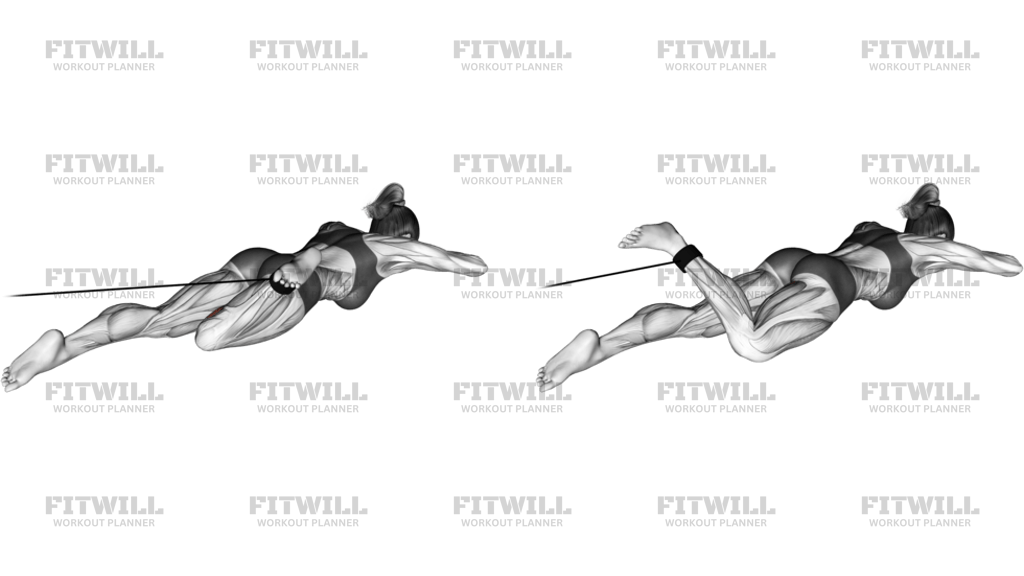
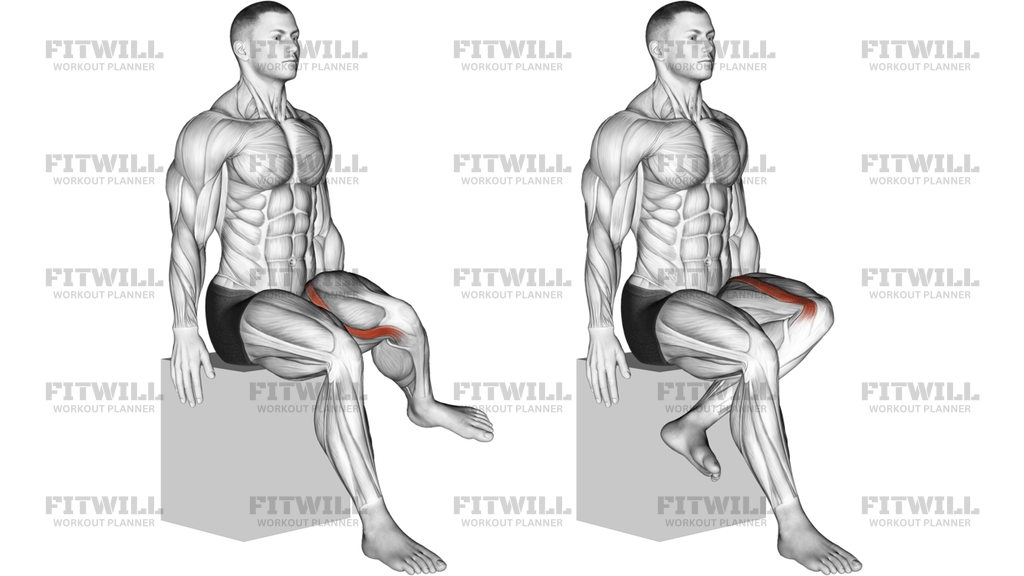
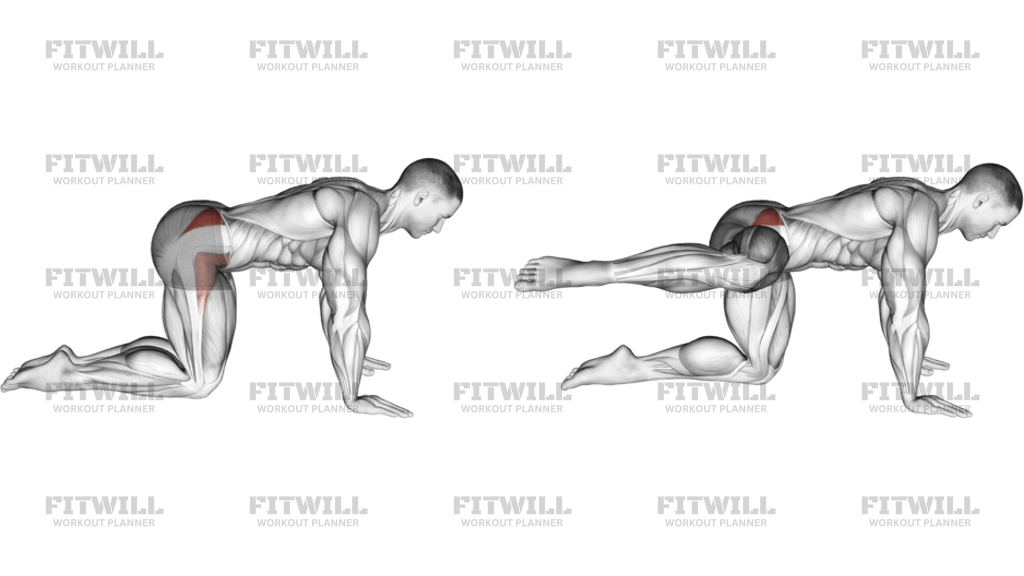
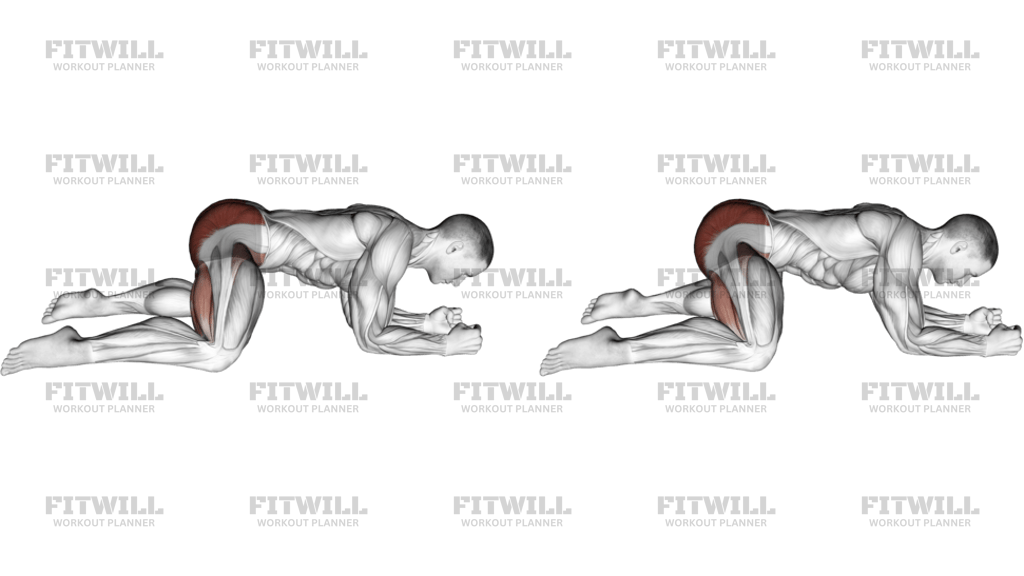
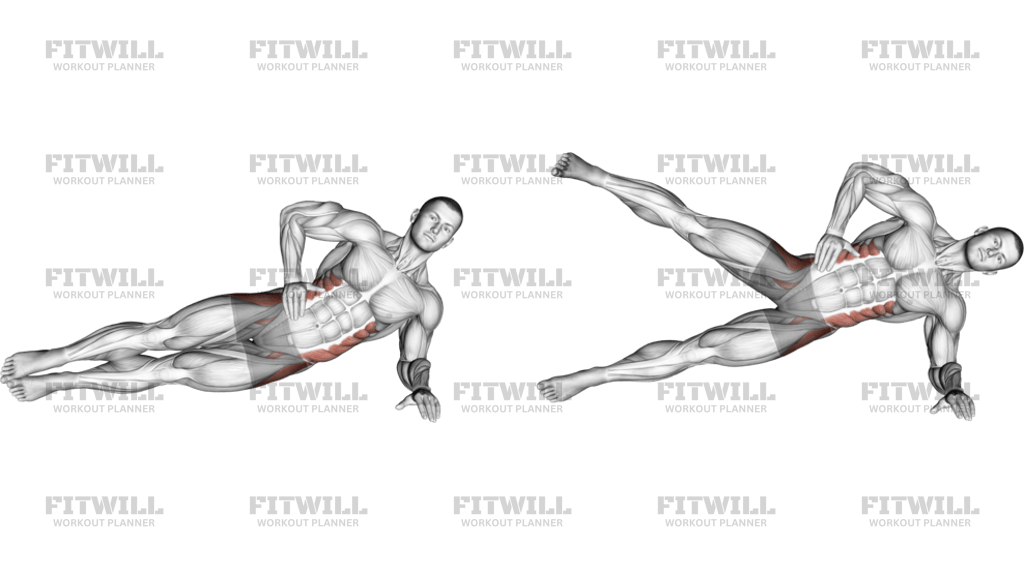
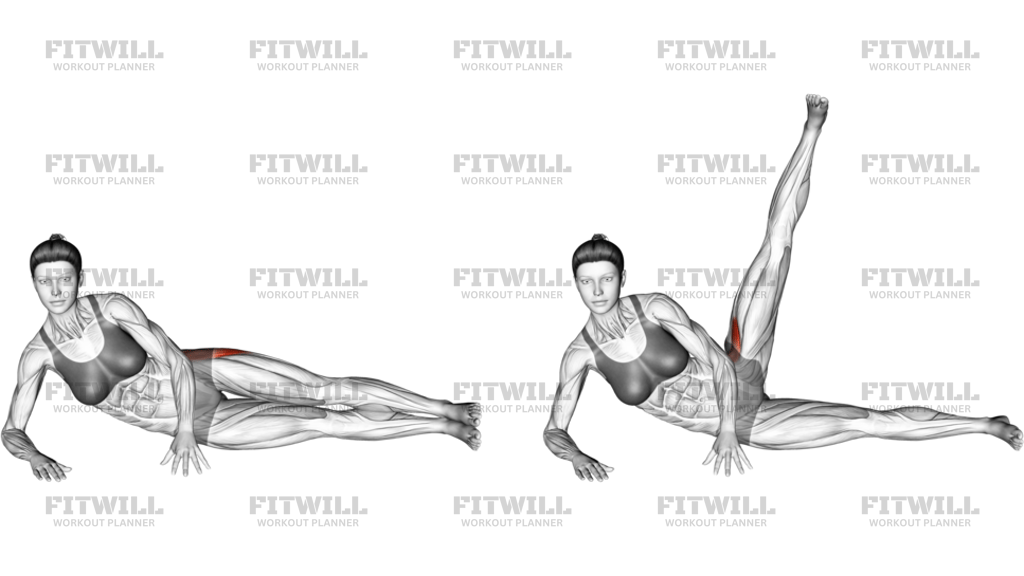
Side Lying Scissors is a bodyweight hip-and-glute exercise performed on one side with the torso supported and the legs moving in a controlled scissor pattern. The image shows a stable forearm-supported position with the working leg lifting toward the ceiling while the lower leg stays long on the floor, which makes this movement a good fit for teaching pelvis control, outer-hip awareness, and clean leg separation without using load.
The exercise is most useful when you want the hips to work through a precise range instead of chasing speed. Because the body is stacked sideways, the pelvis can easily roll backward or forward if the set is rushed. Keeping the shoulders, ribs, and hips organized lets the glutes do the work instead of letting momentum, trunk rotation, or a loose low back take over. That makes the movement especially valuable for warm-ups, accessory work, and low-load conditioning sessions.
In training terms, the emphasis is on the glutes and hips, with the core helping stabilize the torso and keep the midline steady. The top leg should move smoothly from a long line to a controlled lift and back again, while the supporting side stays quiet. The goal is not a huge swing or a sloppy kick. It is a repeatable side-lying pattern where each repetition looks nearly identical and the pelvis stays stacked.
Good execution usually means setting the forearm directly under the shoulder, extending the body into one straight line, and choosing a leg path you can control without rocking. If the lift gets higher only when the waist collapses or the hips roll open, the range is too big. A smaller, cleaner range will train the target area better and keep tension on the outside of the hip rather than dumping it into the lower back.
Use Side Lying Scissors when you want a simple bodyweight drill that builds control, coordination, and hip endurance. It is a practical option for beginners and for lifters who need a low-fatigue glute accessory between harder sets. When performed well, it reinforces stable side-body alignment, controlled breathing, and precise hip motion that carries over to many lower-body patterns.
[ Workout Log & Planner ]
Put your next workout in Fitwill
Keep your plan and training log ready when you are.


Instructions
- Lie on your side with your lower forearm on the floor under your shoulder and your body in a long, stacked line.
- Extend both legs straight, then place the lower leg long on the floor and position the top leg so it can move freely without bending the knee.
- Set your ribs down and keep your hips stacked so the torso does not twist backward as the leg lifts.
- Brace lightly through your midsection before the first rep and keep the neck relaxed.
- Lift the top leg toward the ceiling in a smooth arc, leading with the heel and keeping the foot controlled.
- Pause briefly at the top without letting the pelvis open or the waist collapse.
- Lower the leg with control until it returns to the start line or passes into the scissor position used in your program.
- Keep the lower leg long and quiet, then continue alternating through the planned reps with steady breathing.
- Reset your body between sides and switch sides only after the set is complete.
Tips & Tricks
- Keep the supporting shoulder packed so the forearm stays stable instead of sinking into the floor.
- Think about lifting from the outer hip and heel, not swinging the foot upward.
- If your top hip keeps rolling open, shorten the range until both hip points stay stacked.
- A slower lowering phase usually makes the glutes work harder than a fast kick upward.
- Let the bottom leg stay long and quiet; it should not kick, bounce, or bend to help.
- Pointing or slightly flexing the toes can change the feel, but the knee should stay straight and controlled.
- Exhale as the leg lifts and inhale as it lowers to keep the torso from tightening up.
- Stop the set when the waist starts to pinch or the lower back begins taking over the movement.
Frequently Asked Questions
What does Side Lying Scissors train most?
It mainly trains the glutes and outer hip while the core keeps the torso stacked.
Why am I propped on my forearm in this exercise?
The forearm support helps keep the rib cage and shoulder stable so the hips can move cleanly.
Should the top leg stay straight or bent?
Keep the top leg long with a soft but straight knee so the hip controls the motion instead of the thigh taking over.
How high should the raised leg go?
Only as high as you can lift it without rolling the pelvis open or arching the lower back.
What is the biggest mistake with the scissor motion?
Most people let the hips rock backward or rush the lift, which turns the drill into momentum instead of hip work.
Can beginners do Side Lying Scissors safely?
Yes. It is beginner-friendly as long as the range stays small and the torso remains controlled.
Should I feel this in my lower back?
No, the lower back should stay quiet. If it starts working hard, reduce the range and re-stack the hips.
How can I make the exercise harder without equipment?
Slow the lowering phase, pause at the top, and keep the legs longer so the hips have to control more tension.