Seated Calf Stretch Version 2
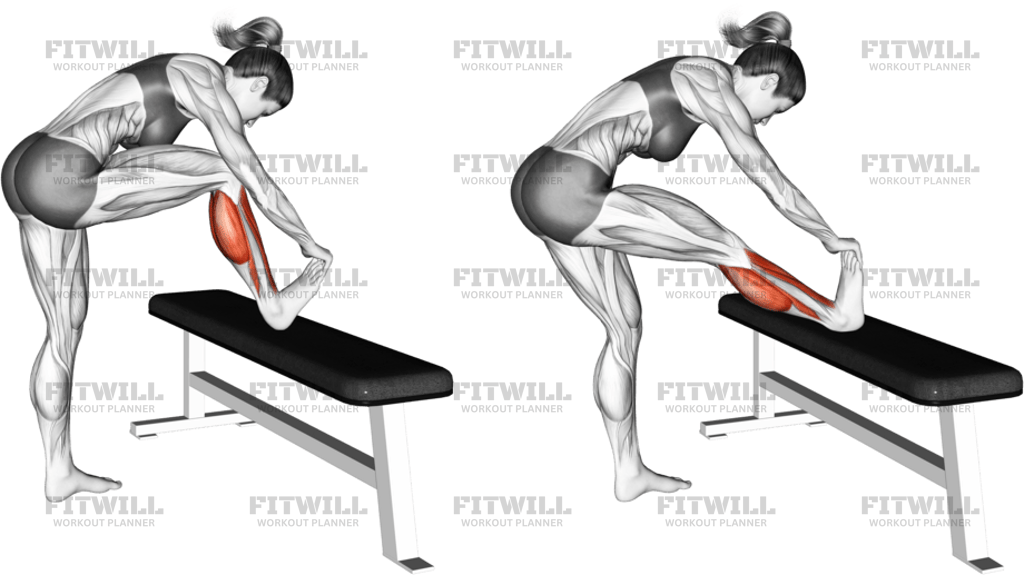
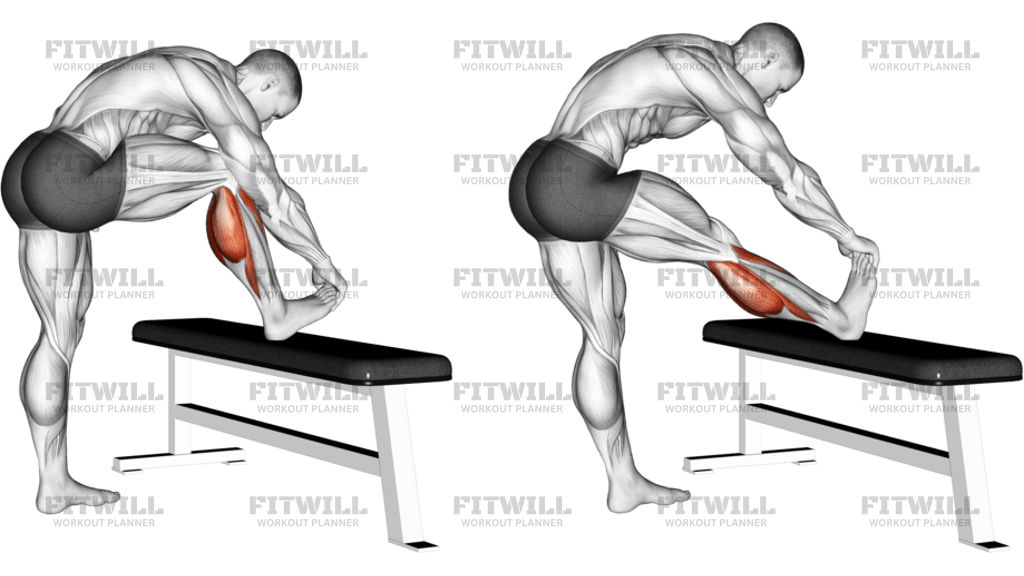
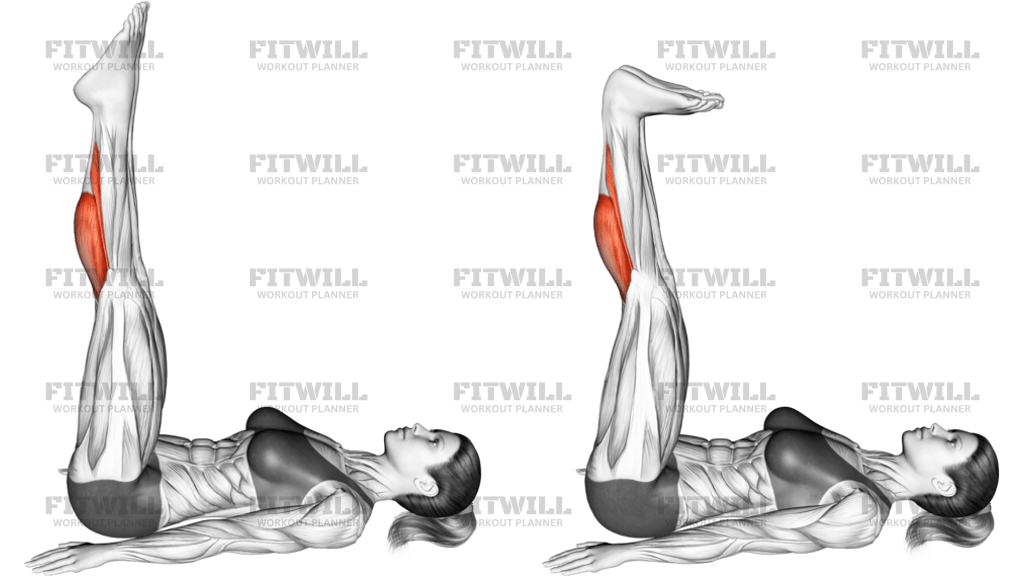
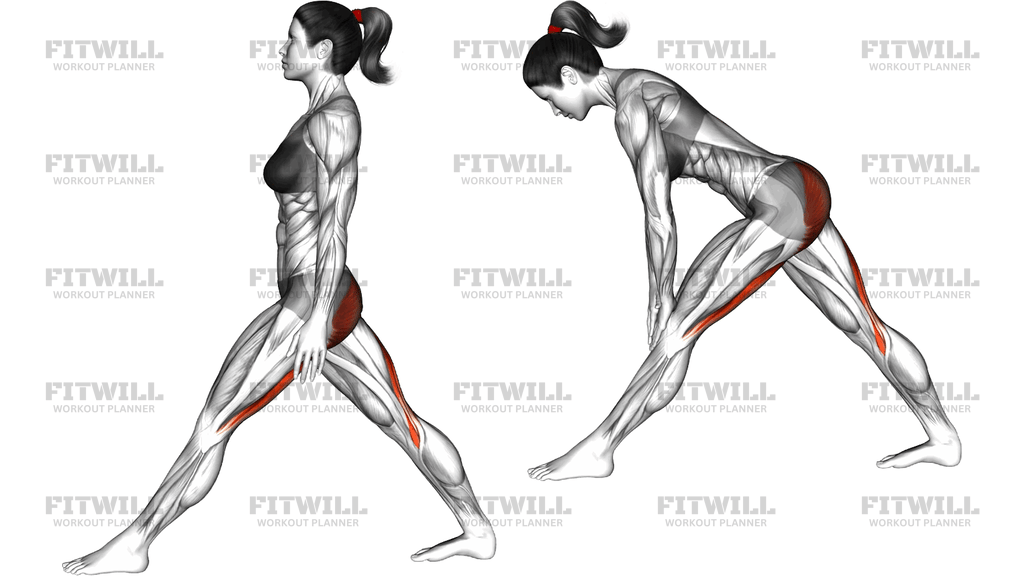
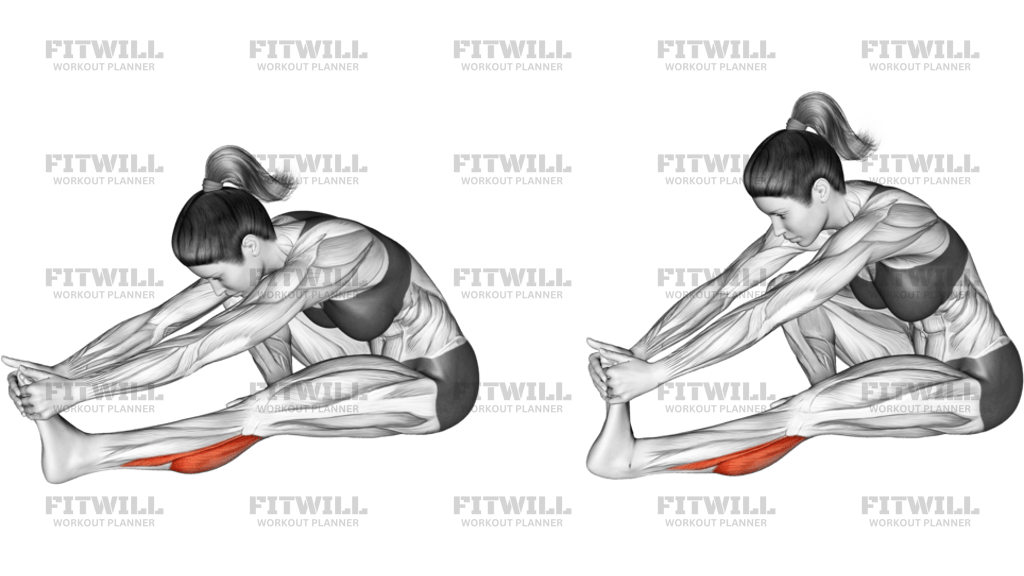
Seated Calf Stretch Version 2 is a floor-based calf mobility drill that uses your own body position and hand placement to lengthen the back of the lower leg. The image shows a seated, one-leg-at-a-time setup with the working knee straight and the foot drawn toward the shin, which places the biggest stretch through the gastrocnemius and, to a lesser degree, the tissue around the Achilles and ankle.
This stretch is useful after running, jumping, calf raises, squats, or any session that leaves the lower legs feeling tight. It is also a practical mobility drill when ankle dorsiflexion feels limited and you need a simple way to open the ankle without standing balance demands. Because the position is supported on the floor, it is easy to control the stretch and compare the left and right sides.
The setup matters more than trying to pull harder. Sit tall on a mat, extend one leg, and keep the heel anchored while you draw the toes back toward the shin. The non-working leg can stay bent for balance, but the working leg should stay long enough that the calf is actually being lengthened rather than just the toes being bent back. If you round your back or let the heel pop up, the stretch shifts away from the calf and becomes less useful.
Use a slow pull and a calm breath to settle into the end range. On each exhale, let the calf soften a little more without forcing the ankle or bouncing at the foot. A good repetition feels like a steady stretch through the upper calf and lower leg, not a sharp pinch in the Achilles or a cramp in the foot. If the tension becomes too aggressive, reduce the pull or slide the hips back until you can hold the position comfortably.
Seated Calf Stretch Version 2 fits well as a cool-down, mobility reset between lower-body sessions, or part of a warm-up when your ankles feel stiff before squats, lunges, or running. It is not a power or strength exercise, so the goal is clean positioning, even breathing, and a stretch that can be repeated on both sides with the same shape each time. Use it to restore motion, not to chase pain.
Fitwill
Log Workouts, Track Progress & Build Strength.
Achieve more with Fitwill: explore over 9600 exercises with images and videos, access built-in and custom workouts, perfect for both gym and home sessions, and see real results.
Start your journey. Download today!




Instructions
- Sit on a mat with one leg extended straight in front of you and the heel resting on the floor.
- Bend the other knee and place that foot on the floor or tuck it in close so you can stay upright and balanced.
- Reach for the toes or forefoot of the straight leg and keep the knee fully long.
- Pull the toes back toward the shin until you feel a steady stretch through the calf.
- Keep the heel heavy on the floor and square your hips toward the extended leg.
- Hold the end position while breathing slowly and letting the calf lengthen on each exhale.
- Release the foot gradually and reset without snapping the ankle back to neutral.
- Repeat on the other side and match the hold time and stretch depth.
Tips & Tricks
- Keep the straight knee locked long if you want more calf stretch; a bent knee shifts some tension away from the gastrocnemius.
- Pull from the forefoot rather than yanking the toes hard enough to create foot pain.
- If your hamstrings pull you backward, sit on a folded mat or small pad so you can stay tall.
- A lifted heel usually means the stretch has turned into ankle motion instead of calf lengthening.
- Do not force through a sharp Achilles sensation; back off until the stretch feels broad and controlled.
- Use a gentle exhale to sink deeper instead of bouncing the foot.
- Keep the chest lifted so the stretch stays in the lower leg instead of collapsing into a rounded spine.
- Match both sides carefully; a big left-right difference usually means one ankle is stiffer than the other.
Frequently Asked Questions
What muscles does Seated Calf Stretch Version 2 target most?
It mainly targets the gastrocnemius in the calf, with some stretch through the soleus, Achilles area, and the back of the ankle.
Do I need to keep the knee straight in Seated Calf Stretch Version 2?
Yes, the straight knee is what puts the strongest stretch on the upper calf. A bent knee will usually make the stretch feel easier and shift some tension lower.
Why does my heel keep lifting during Seated Calf Stretch Version 2?
Usually the pull is too aggressive or the hamstrings are limiting your sitting position. Slide your hips back slightly, sit on a cushion, and reduce how far you pull the foot.
Should Seated Calf Stretch Version 2 hurt my Achilles tendon?
No. You should feel a steady stretch, not a sharp pinch or pulling pain in the tendon. Ease off immediately if the sensation feels hot, stabbing, or irritated.
Can beginners do Seated Calf Stretch Version 2?
Yes. It is beginner-friendly because you can control the range with your hands and keep most of your weight supported on the floor.
How long should I hold Seated Calf Stretch Version 2?
A short to moderate hold, around 20 to 30 seconds per side, is usually enough for mobility work or a cool-down.
Can I use a towel or strap for Seated Calf Stretch Version 2?
Yes. A towel or strap is useful if you cannot comfortably reach your foot, and it lets you pull the toes back without rounding your spine.
When is Seated Calf Stretch Version 2 most useful?
It works well after lower-body training, after running, or before squat and lunge work when your ankles feel stiff and you want better dorsiflexion.