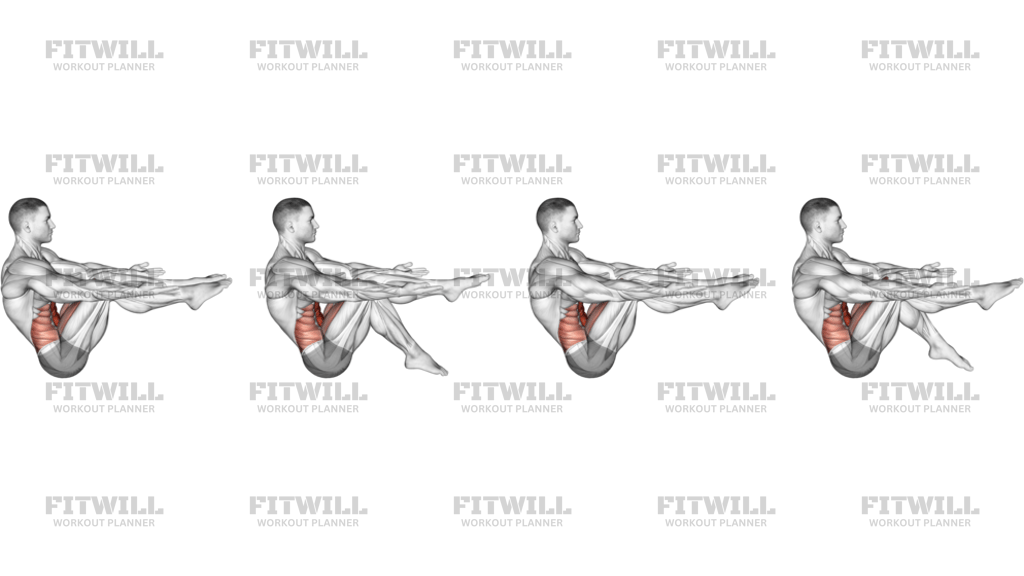
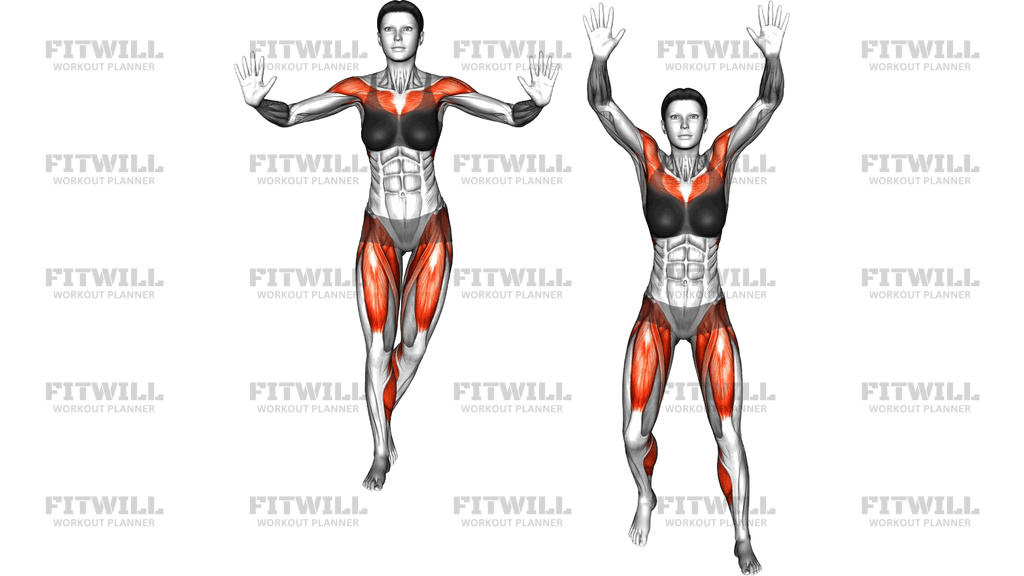
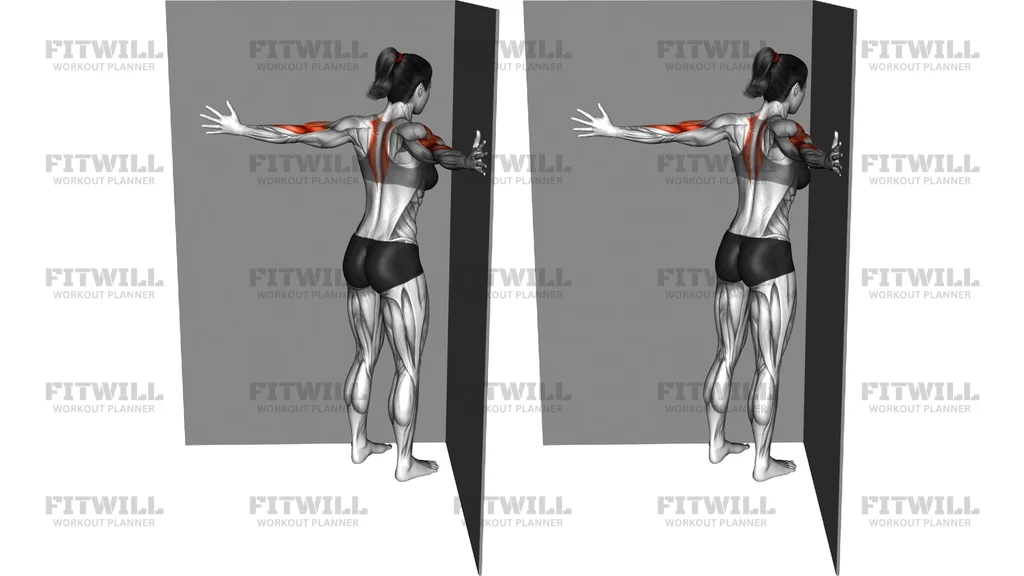
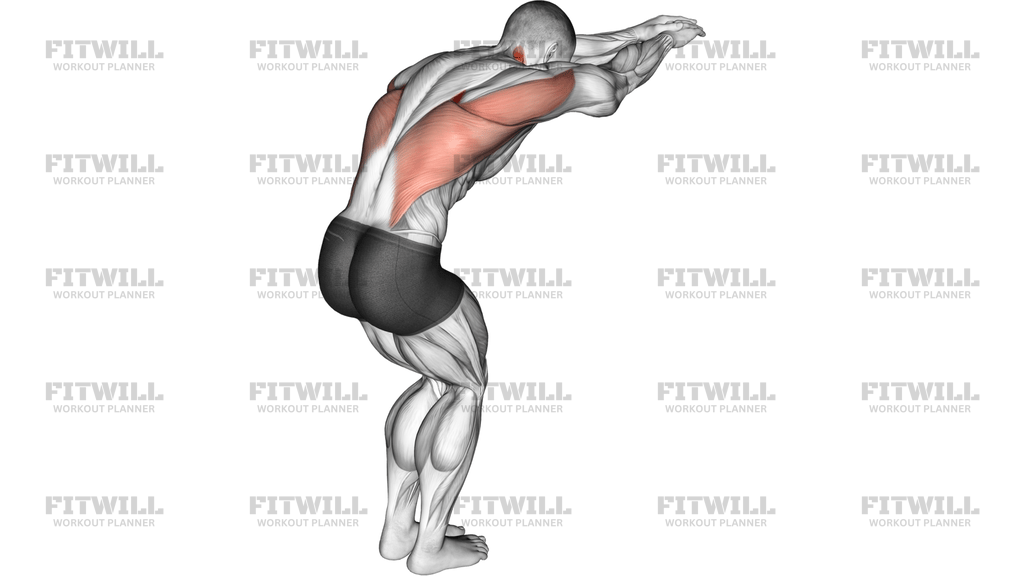
Seated Neck Tap
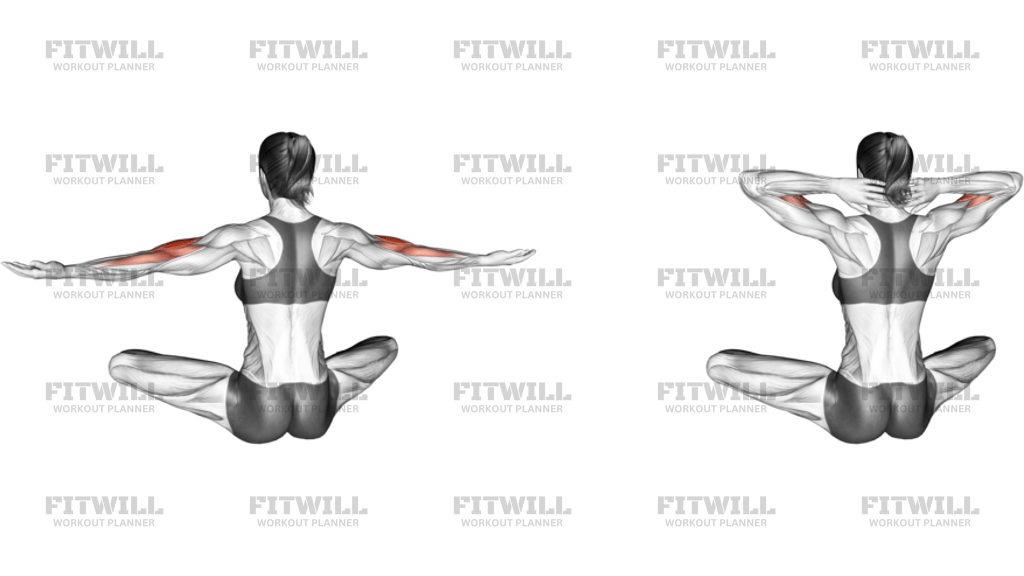
Seated Neck Tap is a body-weight seated upper-body control drill that opens and closes the arms while you stay tall through the torso. In the start position, the arms are held out to the sides at shoulder height, then the elbows bend so the hands travel in toward the back of the neck or upper traps. The movement looks simple, but the work comes from keeping the shoulders organized and the neck relaxed while the arms move through a clean path.
This exercise mainly challenges the upper arms and shoulders, with the forearms and upper back helping to steady the position. It is useful when you want a light, deliberate drill that emphasizes shoulder control, elbow tracking, and scapular stability instead of load. Because the movement is done seated, it also rewards a quiet trunk and even breathing, which makes it easier to notice small compensations.
The setup matters. Sit cross-legged or in another stable seated position, keep the chest lifted, and hold the arms long before you begin to bend the elbows. From there, the hands move back to the neck area without shrugging hard or drifting the ribs forward. The goal is a smooth tap or hover near the neck, not a forced reach. If the shoulders pinch or the head starts jutting forward, the range is too aggressive.
Use Seated Neck Tap as a warmup, technique drill, or accessory movement when you want controlled shoulder motion with very little external load. It works well for beginners because the exercise exposes posture errors quickly and can be scaled just by shortening the range. Quality reps should feel deliberate, symmetrical, and easy to repeat from the first rep to the last.
[ Workout Log & Planner ]
Put your next workout in Fitwill
Keep your plan and training log ready when you are.


Instructions
- Sit on the floor in a stable cross-legged position and sit tall with your ribs stacked over your hips.
- Raise both arms out to the sides at shoulder height with your elbows straight and palms facing down or slightly forward.
- Set your shoulders down and back lightly so your neck stays long instead of shrugging toward your ears.
- Keep your torso still and begin bending the elbows, letting the hands travel back toward the neck or upper traps.
- Touch or lightly hover the hands at the neck without yanking the head forward.
- Pause for a moment in the closed position and keep both elbows level with each other.
- Reverse the motion under control, opening the arms back out to shoulder height.
- Exhale as the elbows bend in and inhale as you open back out.
- Repeat for even, symmetrical reps without leaning, twisting, or speeding up the return.
Tips & Tricks
- Keep the chest tall enough that the ribs do not flare when the hands come in toward the neck.
- Think about moving the elbows around the shoulders instead of reaching the head toward the hands.
- If one elbow drops lower than the other, shorten the range and clean up the symmetry first.
- A light touch near the neck is enough; do not jam the hands behind the head or force extra range.
- Keep the neck relaxed and avoid craning the chin forward when the elbows bend.
- The shoulders should stay organized and controlled, not roll aggressively forward at the top.
- Use slow returns so the open position still feels deliberate instead of dropping the arms back down.
- Stop the set if the torso starts rocking or the movement turns into a shrug.
Frequently Asked Questions
What does Seated Neck Tap train?
It mainly trains upper-arm and shoulder control while the forearms and upper back help stabilize the movement.
Is Seated Neck Tap a stretch or a strength drill?
It is best treated as a light control drill. You may feel a mild stretch as the elbows open, but the goal is clean arm movement and posture.
Where should the hands go at the top of the rep?
The hands should travel back toward the neck or upper traps with a light tap or hover, not a forceful reach behind the head.
What is the most common mistake?
Shrugging the shoulders and pushing the head forward are the biggest mistakes. Both usually mean the range is too large.
Can beginners do this exercise?
Yes. Beginners usually do well with a smaller range and a slower tempo so they can keep the shoulders and neck relaxed.
Why is the seated cross-legged position used?
It helps reduce lower-body movement and makes it easier to keep the torso quiet while the arms move.
Should I feel this in my neck?
No. The neck should stay long and relaxed. If you feel strain in the neck, shorten the range and reduce how hard you are pulling the elbows back.
How can I make the movement harder?
Make the tempo slower, pause longer in the closed position, or hold the arms open for a beat before returning.