Old School Reverse Extensions
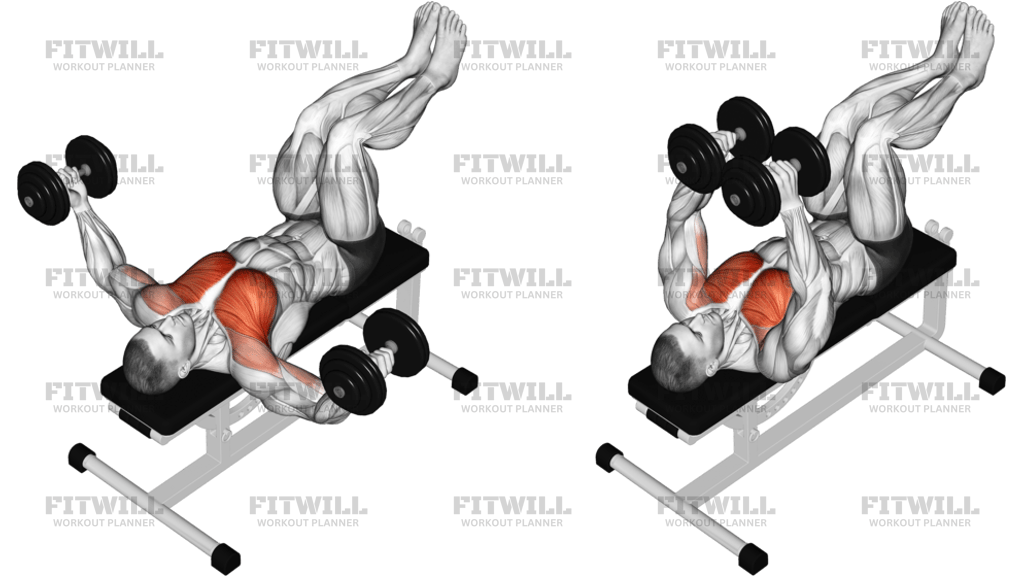
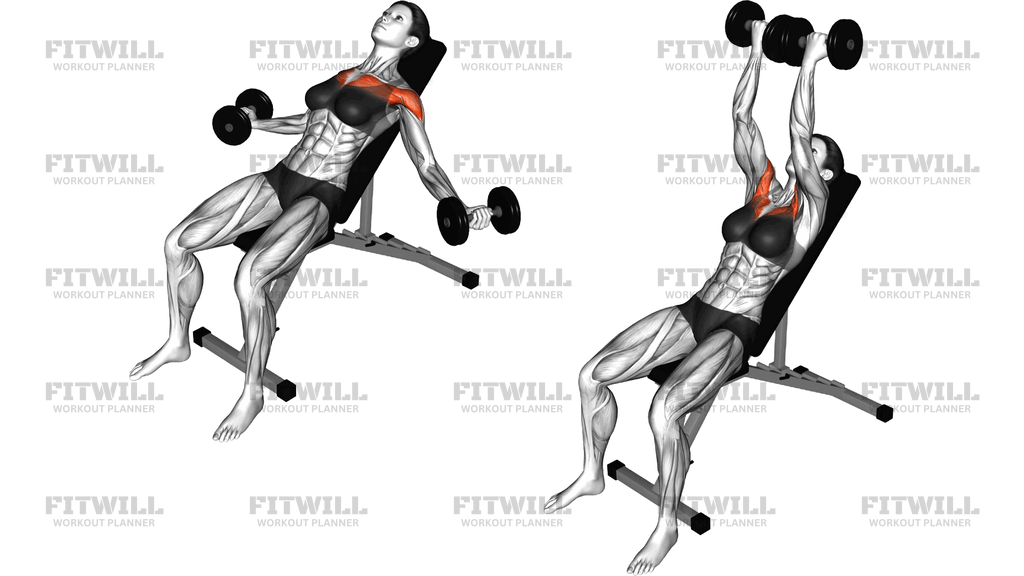
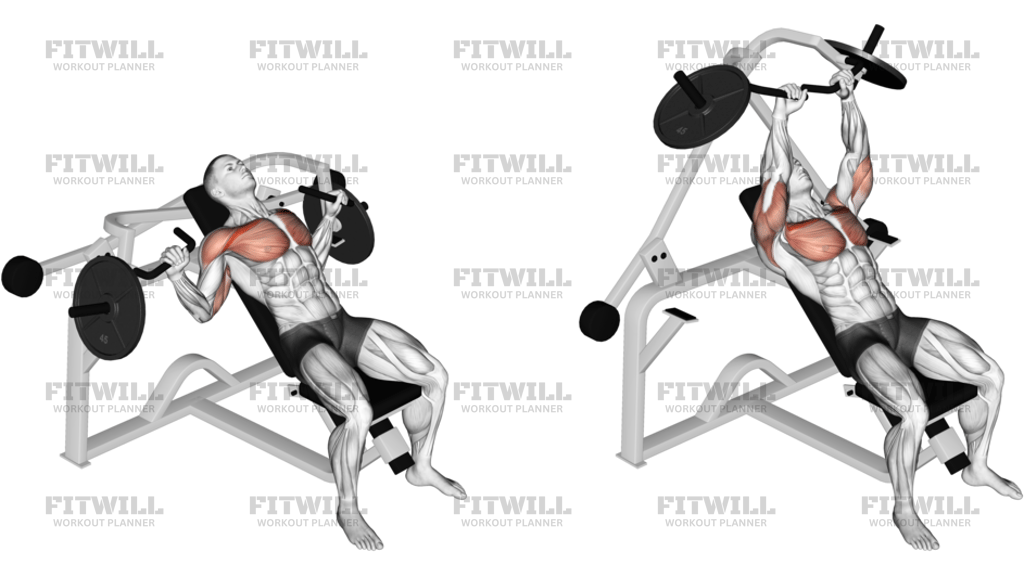
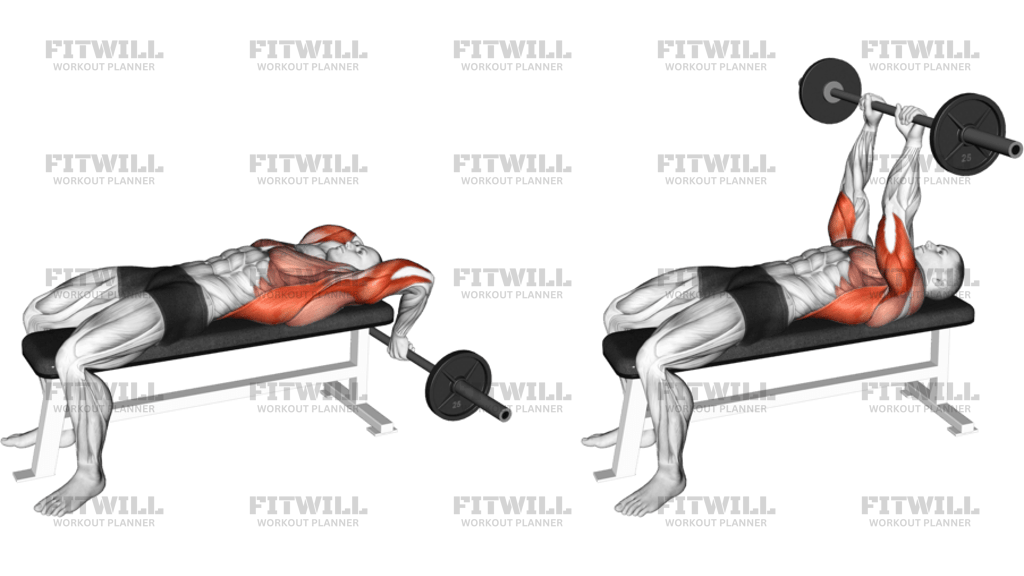
Old School Reverse Extensions is a bench-based barbell movement where you lie on your back and guide the bar in a long arc from behind the head to above the chest. The image shows a flat bench, a straight barbell, and a supine setup with the feet planted on the floor, which makes the exercise feel more like a strict extension pattern than a pressing lift. The goal is to keep the upper arms organized, let the elbows bend and extend smoothly, and move the bar with enough control that the shoulders and ribs stay quiet while the working muscles do the work.
This variation is most useful when you want a triceps-focused extension with a long stretch and a clean return path. The triceps do the primary work, while the chest, front delts, and shoulder stabilizers help keep the bar path steady. Because the load travels behind the head before it comes back over the chest, small changes in elbow angle or shoulder position change the feel of the set quickly. A good rep starts with the shoulders settled into the bench, the rib cage down, and the wrists stacked so the bar does not drift or wobble.
Set the bench so your head and upper back are fully supported and there is enough room for the bar to travel behind you without bumping the floor or rack. A shoulder-width grip usually keeps the wrists happier on a straight bar, and the elbows should stay tucked enough that the movement feels like an extension rather than a chest press. The lowering phase should create tension through the back of the arms without turning into a drop. The return should be smooth and continuous, with the bar finishing over the chest or shoulder line instead of being thrown upward.
This is not an exercise for big, sloppy reps. A light to moderate load works best because the long lever makes momentum easy to hide and elbow stress easy to create. If the shoulders feel pinched, shorten the range and stop the descent earlier. If the wrists arch back, widen or narrow the grip slightly until the forearms stay vertical. For most lifters, this is an accessory movement used for triceps volume, controlled strength work, or an old-school bodybuilding finish after the main press work is done.
Use it when you want a strict upper-arm isolation pattern that still asks the torso to stay organized on the bench. The safest and most productive sets keep the bar path repeatable, the neck relaxed, and the descent under control from start to finish. When the rep quality stays high, the movement delivers strong triceps tension without needing a heavy load.
[ Workout Log & Planner ]
Put your next workout in Fitwill
Keep your plan and training log ready when you are.


Instructions
- Lie flat on a bench with your head supported, feet planted on the floor, and your upper back and shoulders settled into the pad.
- Hold a straight barbell with a shoulder-width grip and stack your wrists over your forearms so the bar stays balanced.
- Start with the bar above your chest and your elbows bent, then brace your ribs down and keep your neck long against the bench.
- Lower the bar in a slow arc behind your forehead until your upper arms angle slightly back and you feel a strong triceps stretch.
- Keep your elbows from flaring wide or drifting forward as the bar travels back.
- Reverse the motion by extending your elbows and bringing the bar forward and up along the same path.
- Finish the rep above your chest with tension still on the arms instead of slamming into a hard lockout.
- Inhale as you lower the bar and exhale as you extend it back to the start.
- Reset the bar under control before the next repetition and repeat for the planned number of reps.
Tips & Tricks
- Keep your upper arms fairly still; the movement should come mostly from elbow extension, not from the shoulders rolling around on the bench.
- If the bar starts drifting toward your face, the load is usually too heavy or the grip is too wide for a clean arc.
- A shoulder-width grip usually feels better on a straight barbell than a very narrow grip, especially if your wrists get cranky.
- Stop the descent when your shoulders stay pinned and you still control the bar path; going deeper is not automatically better here.
- Do not turn the lift into a pullover by letting the elbows open too much on the way down.
- Keep your ribs down and avoid a big back arch so the triceps stay in charge instead of your torso cheating the rep.
- Use a smoother, slower lowering phase than you would on a press; the stretch is part of the exercise.
- If the straight bar bothers your elbows or wrists, reduce the load first before trying to force more range.
- Choose a weight that leaves the last few reps clean; this movement is easier to damage with momentum than to improve with it.
Frequently Asked Questions
What muscles do Old School Reverse Extensions train most?
They mainly train the triceps, with the chest, front delts, and shoulder stabilizers helping guide the bar.
Is the barbell supposed to move behind my head?
Yes. The bar lowers in a controlled arc behind the head and then returns forward and up over the chest.
How much should my elbows bend during the rep?
Keep a smooth bend on the way down and extend through the same path on the way up without letting the elbows flare wildly.
Is this more like a skullcrusher or a pullover?
It sits closer to a lying extension pattern, but the longer bar path gives it an old-school feel between the two.
Can beginners use Old School Reverse Extensions?
Yes, but only with a light load and a short, controlled range until the bar path feels stable.
What should I do if the bar feels unstable over my face?
Reduce the load and make the grip a little more comfortable so the wrists stay stacked and the bar path stays smooth.
How low should I lower the bar?
Lower it only until the shoulders stay settled and the triceps feel stretched without pain or loss of control.
What is the safest way to progress this exercise?
Add reps or a small amount of load only after the full arc stays smooth and the elbows feel good at the bottom.