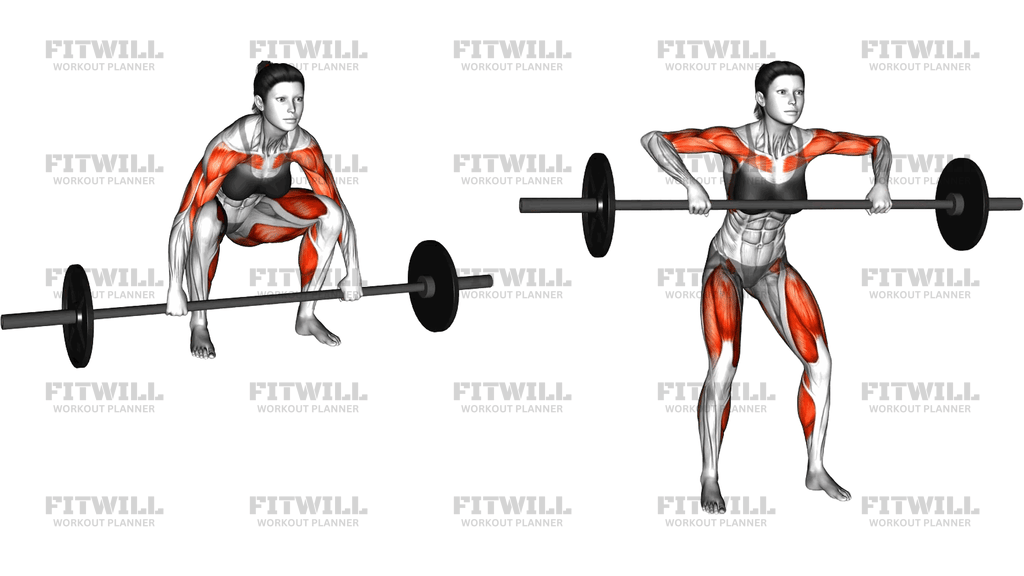
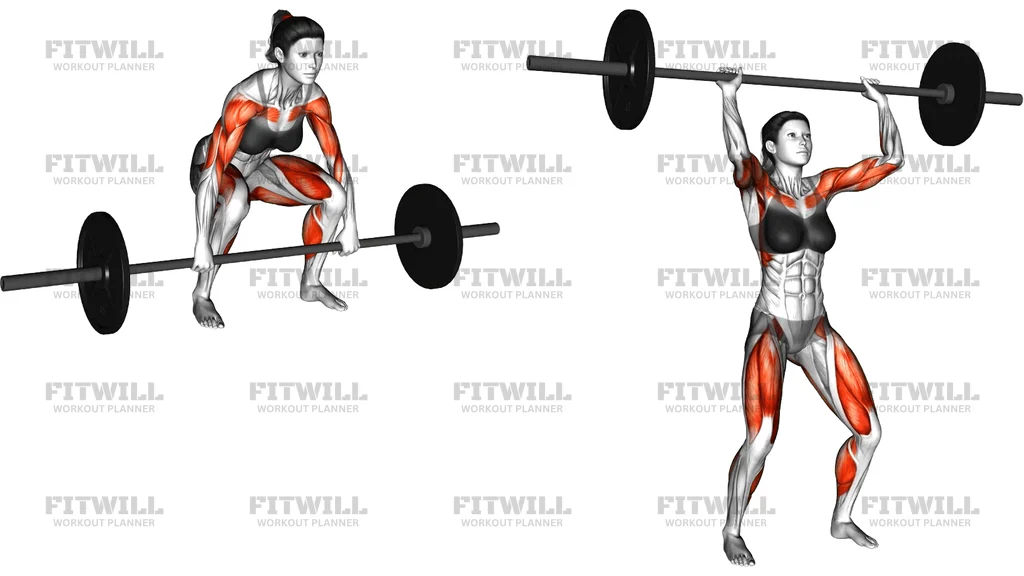
Barbell Zercher Deadlift
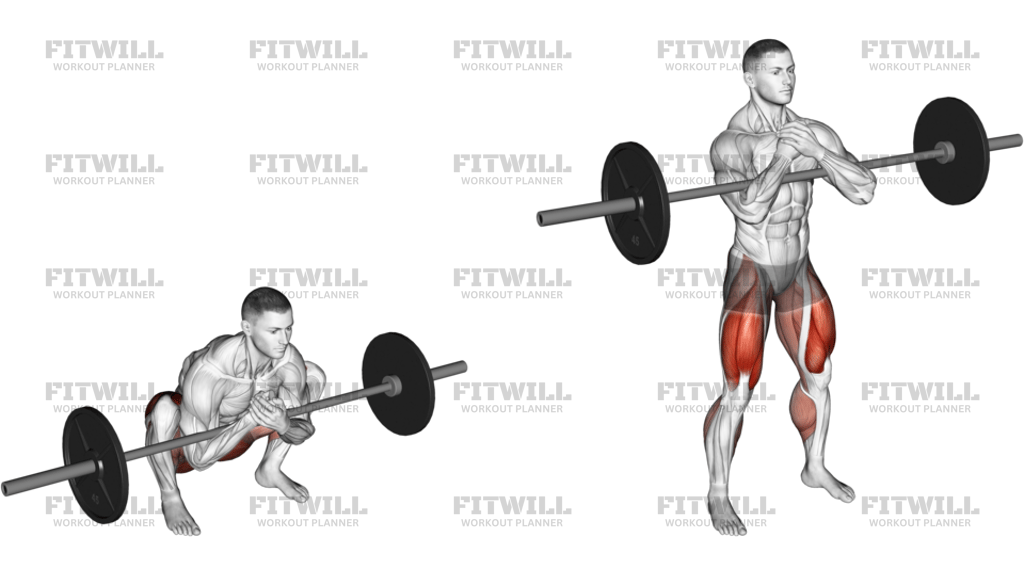
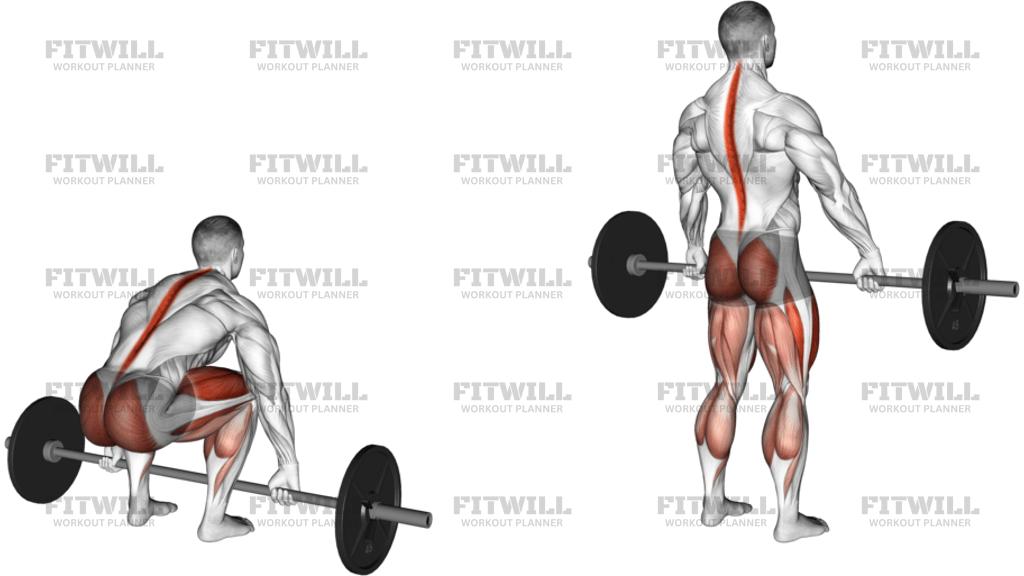
Barbell Zercher Deadlift is a deadlift variation where the bar is cradled in the crooks of the elbows instead of being held in the hands. That front-loaded position changes the feel of the lift immediately: the torso has to stay more upright, the upper back has to stay tight, and the core has to resist folding as you stand the bar up from the floor.
This setup puts a strong emphasis on the hips and glutes, but it also asks a lot from the quads, trunk, and upper back because the load sits in front of the body. Compared with a conventional deadlift, the Zercher position usually makes the start more demanding on posture and bracing than on grip strength. The arms are mostly a shelf for the bar, so the real job is keeping the elbows fixed, the chest lifted, and the spine organized while the legs drive the floor away.
The bottom position matters. The bar should stay close to the shins, the feet should be planted firmly, and the knees and hips should be set so you can wedge under the bar without rounding the low back. Once the bar is secured in the elbow crease, breathe in, brace hard, and stand by pushing through the floor rather than yanking with the arms. On the way up, keep the bar close and let the hips and knees extend together until you finish tall.
On the descent, reverse the pattern with control: hinge first, then bend the knees as the bar passes them, and lower the bar back to the floor without collapsing the torso. Because the bar is held so far forward, rushing the rep or relaxing at the top can quickly turn into poor posture and elbow discomfort. The best results come from moderate loads, clean starts, and repeatable reps that keep tension in the hips, legs, and trunk.
Use this exercise when you want a deadlift pattern that trains lower-body strength, posture, and bracing at the same time. It can be a useful accessory for lifters who want more upright pulling strength, but it should be kept pain-free and controlled, especially if the elbows, biceps, or front of the shoulders feel irritated by the bar position.
[ Workout Log & Planner ]
Put your next workout in Fitwill
Keep your plan and training log ready when you are.


Instructions
- Stand with your feet about hip-width apart and the barbell over your midfoot.
- Squat down close to the bar and slide your elbows inside it so the bar can rest in the crooks of your elbows.
- Clasp your hands together in front of your chest and keep your forearms angled up to create a solid shelf.
- Set your chest tall, flatten your back, and pull your shoulders down and slightly back before lifting.
- Take a breath, brace your trunk, and keep the bar tight against your body as you drive through the floor.
- Stand up by extending your knees and hips together, keeping the bar close and your torso as upright as you can.
- Finish the rep tall without leaning back or letting the elbows drift away from the torso.
- Lower the bar by hinging first, then bending the knees as the bar passes them, and set it back on the floor with control.
Tips & Tricks
- Use a load you can cradle comfortably in the elbow crease; the Zercher position is limited more by position and bracing than by grip.
- If the bar feels like it is rolling onto the forearms, reset and tuck it deeper into the crooks of the elbows before you pull.
- Keep the bar close to the shins on every rep so the front-loaded position does not drag you forward.
- Think about driving the floor away rather than lifting with the arms; the elbows should stay fixed once the bar is set.
- A slightly wider stance can make the start position easier when the hips are low and the bar is close to the floor.
- Do not let the low back round at the bottom just to reach the bar; reduce load or raise the start height if you cannot keep position.
- Exhale near the top of the lift and rebrace before each rep if you are doing repeated deadlifts from the floor.
- If the elbows, biceps, or front of the shoulders feel irritated, cut the load and volume before the discomfort turns into a limitation.
Frequently Asked Questions
What does the Barbell Zercher Deadlift train most?
It trains the hips and glutes heavily, with strong work from the quads, core, and upper back because the bar is carried in front of the body.
Why is the bar held in the crooks of the elbows?
That Zercher position creates a front-loaded deadlift that challenges posture and bracing more than a standard barbell deadlift.
Should I be gripping the bar hard with my hands?
No. The hands help secure the bar, but the load should sit in the elbows and forearms, not hang from a hard grip.
What is the most common mistake in this lift?
Letting the torso fold or pulling with the arms instead of keeping the chest tall and driving the floor away with the legs.
Can beginners do Zercher deadlifts?
Yes, but only with light loads and careful setup. The elbow position and front-loaded balance make clean technique more important than weight.
Where should I feel the exercise?
Most lifters feel it in the glutes, quads, and trunk, with the upper back working hard to keep the torso organized.
How is this different from a regular barbell deadlift?
The Zercher position shifts the bar forward, which usually makes the lift more upright and more demanding on the core and upper back.
What should I do if the bar hurts my elbows?
Reduce the load, use a pad or towel if needed, and stop the set if the pressure becomes sharp rather than manageable.