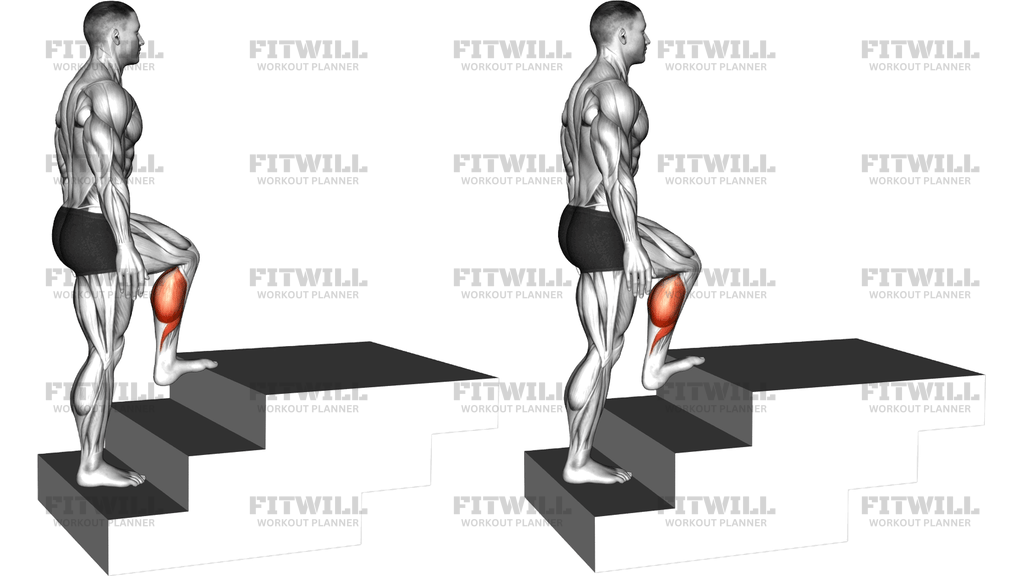
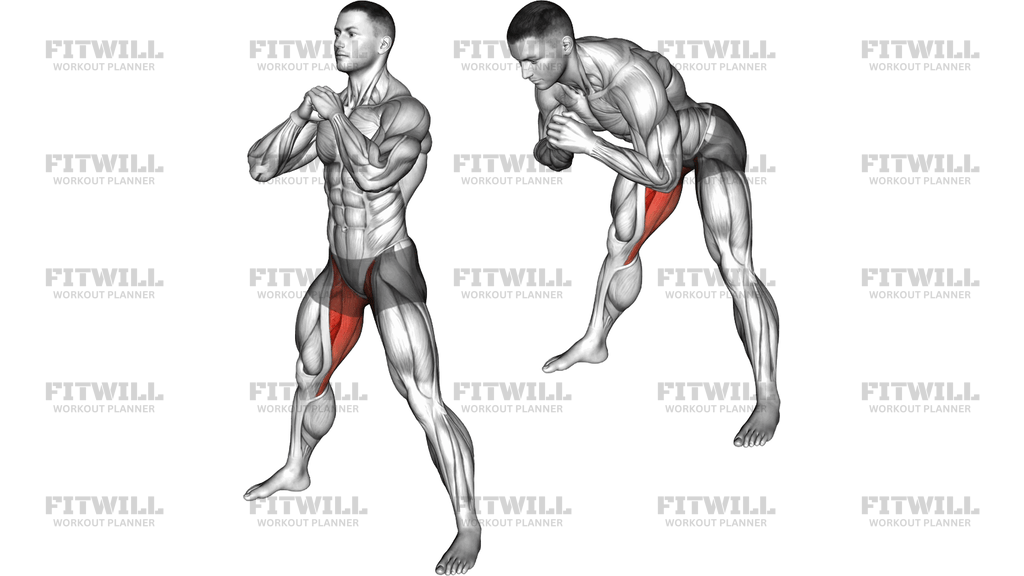
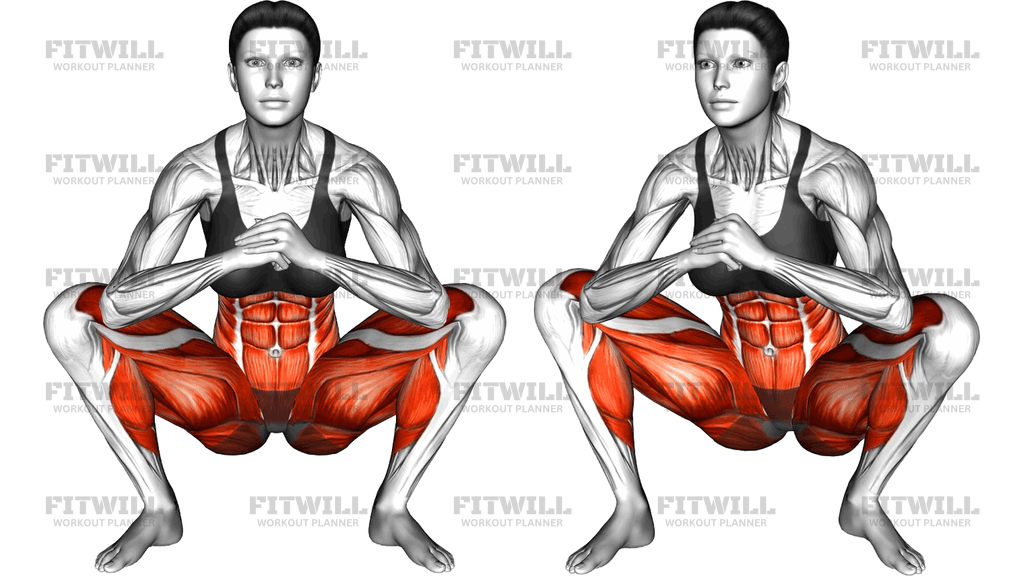
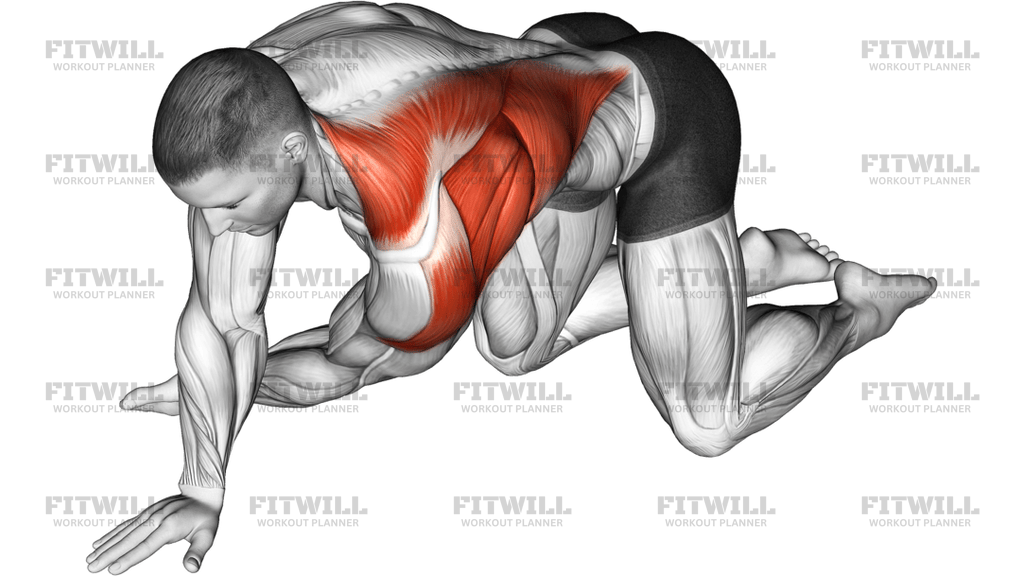
Mountain Pose
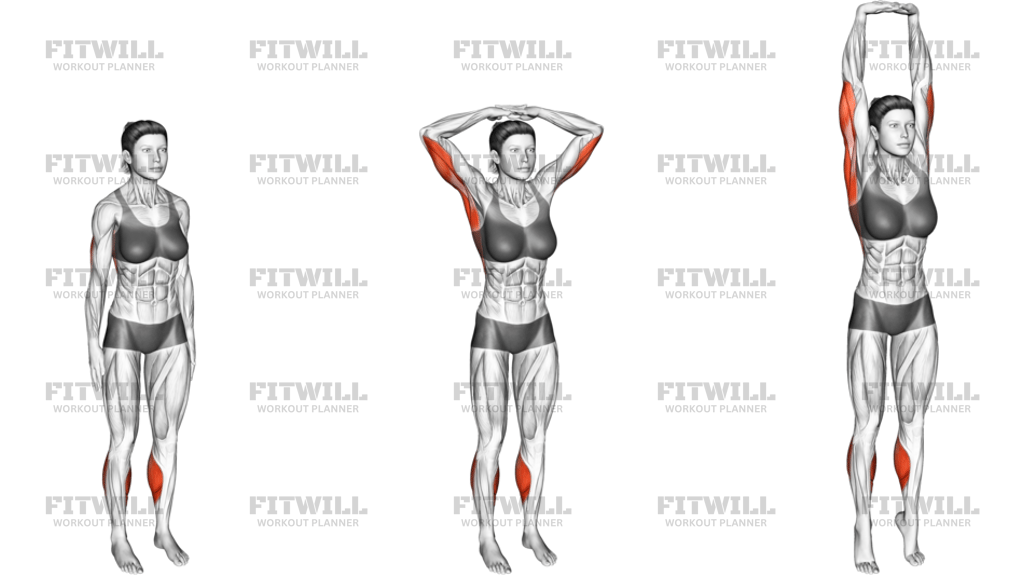
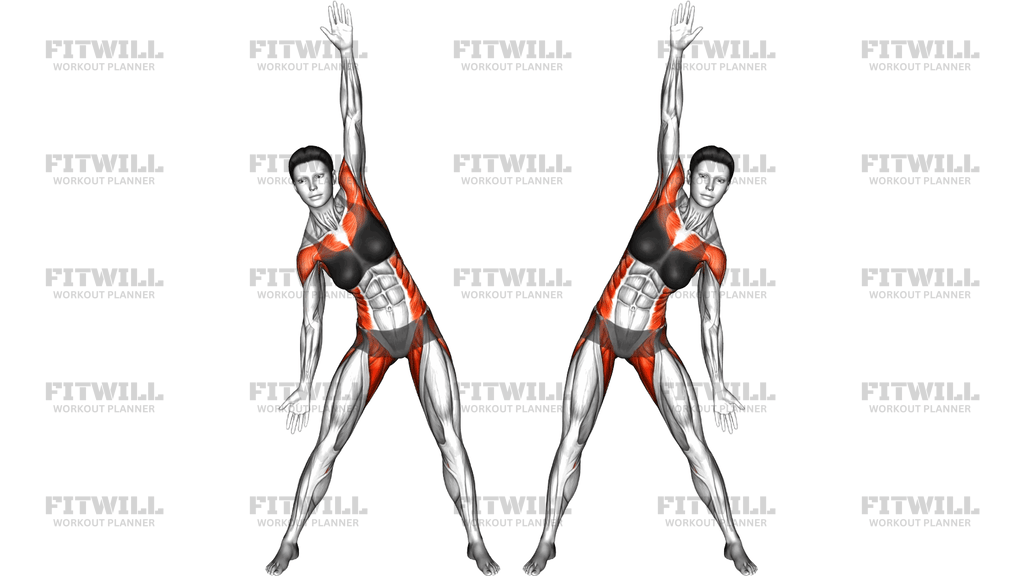
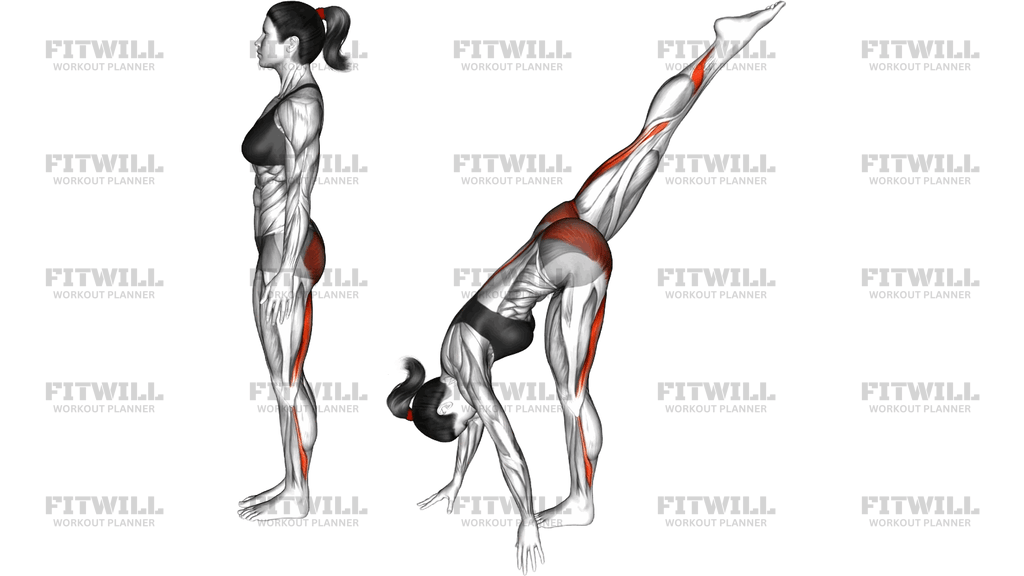
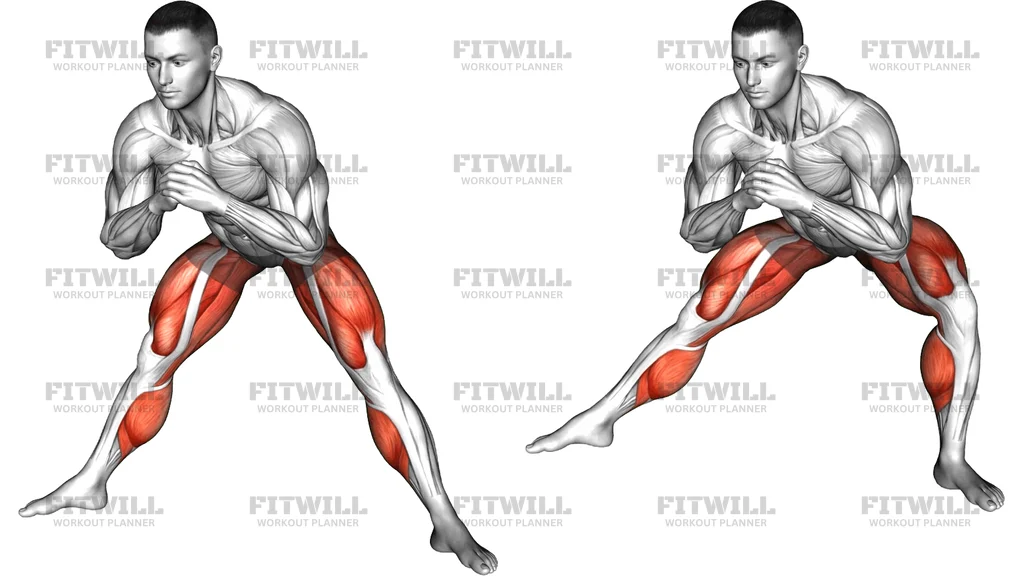
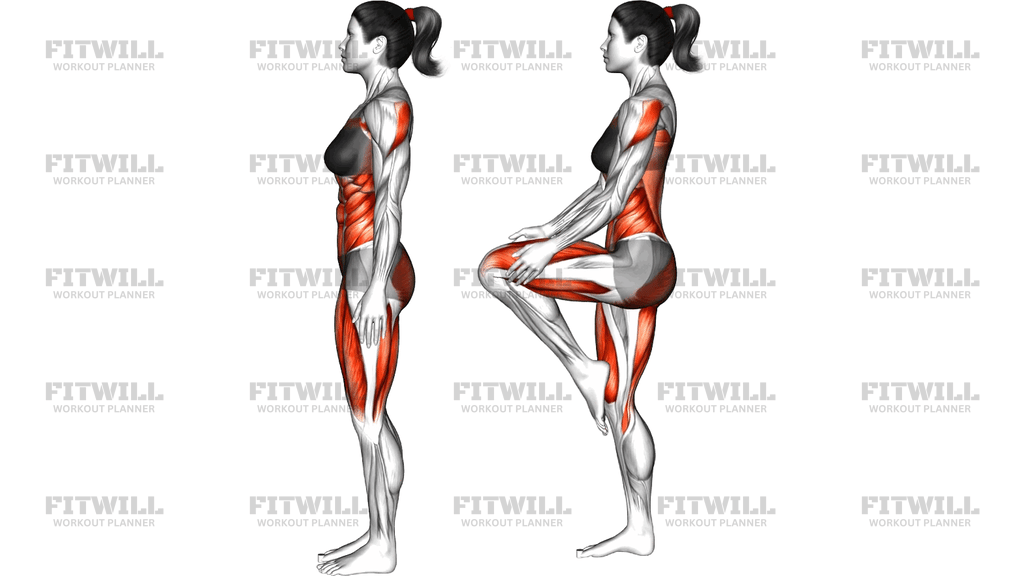
Mountain Pose is a standing yoga posture built around stillness, posture, and breath control rather than speed or load. The goal is to stand with the feet rooted, the legs active, the pelvis stacked under the ribs, and the head balanced over the shoulders so the whole body feels tall and organized. In the image, the pose is shown as a simple upright stand and as an overhead reach variation, which adds a shoulder and trunk stretch without changing the basic alignment.
This exercise teaches you how to hold a clean vertical line from the ground up. The feet, ankles, calves, thighs, glutes, core, upper back, and shoulders all contribute, but the work should feel controlled and quiet instead of muscular in a hard-working lifting sense. When the alignment is right, the pose creates a light stretch through the body while reinforcing posture, balance, and body awareness.
Setup matters because small mistakes are easy to hide in a static pose. If the feet are collapsed, the knees lock back, or the ribs flare forward, the posture stops being a true mountain stance and turns into a loose standing rest. The stronger version keeps the weight evenly distributed across the foot, the knees soft, the spine long, and the shoulders relaxed away from the ears. If your version includes the overhead reach, the arms should lengthen upward without dumping the low back forward.
Mountain Pose is useful as a warm-up, a reset between exercises, or a simple teaching position for beginners learning how to stand and breathe well. It is also a good starting point for balance work, yoga sequences, or mobility sessions because it shows whether the body can stay organized before more dynamic movement begins. Keep it pain-free, avoid forcing range, and think of it as precise posture practice rather than a passive hang-out position.
[ Workout Log & Planner ]
Put your next workout in Fitwill
Keep your plan and training log ready when you are.


Instructions
- Stand tall with your feet together or hip-width apart, and spread your weight evenly across the heels, balls, and outer edges of the feet.
- Lengthen through the crown of your head, keep your chin level, and let your shoulders settle down away from your ears.
- Keep a soft bend in the knees so the legs stay active without locking the joints back.
- Stack your ribs over your pelvis and gently engage your lower abdomen so the torso does not drift forward.
- If you are using the overhead version, sweep both arms straight up beside your ears without arching your low back.
- Reach actively through the fingertips or press the palms together overhead while keeping the shoulders relaxed.
- Breathe slowly and evenly through the nose while holding the posture and staying as still as possible.
- Lower the arms with control, reset your alignment, and repeat for the planned hold time or repetitions.
Tips & Tricks
- Keep the arches of the feet awake; if they collapse inward, the rest of the posture usually follows.
- Do not lock the knees hard at the top of the stand, especially if you are holding the position for time.
- If the overhead reach makes your lower back pinch, reduce the arm height and keep the ribs stacked.
- Think of the body growing upward instead of leaning backward or lifting the chest aggressively.
- Let the shoulders stay wide and heavy rather than shrugging toward the ears.
- A neutral gaze at eye level helps keep the neck long and the chin from jutting forward.
- Use the pose as a posture check: if you cannot breathe smoothly, you are probably forcing the shape.
- If you feel unstable, separate the feet slightly instead of letting the hips sway or the ankles roll.
- Hold the position long enough to feel organized, but stop if the stance turns into a rigid lockout.
Frequently Asked Questions
What does Mountain Pose train?
It trains standing posture, foot stability, balance, breathing control, and the ability to hold a long neutral spine.
Is Mountain Pose the same as just standing still?
No. In a good Mountain Pose the legs are active, the ribs stay stacked, and the spine reaches tall instead of relaxing into a slouch.
Should my arms be at my sides or overhead?
Both versions are used. The image shows a basic stand and an overhead reach, so follow the variation your program wants and keep the ribs from flaring.
Where should I feel this exercise?
You should feel light engagement in the feet, calves, thighs, glutes, and core, with a gentle stretch through the shoulders if the arms are overhead.
Can beginners do Mountain Pose?
Yes. It is one of the easiest exercises to learn, but it still helps to pay attention to foot pressure, rib position, and relaxed shoulders.
What is the most common mistake?
The biggest mistake is arching the lower back or shrugging the shoulders when the arms go overhead.
How long should I hold Mountain Pose?
Hold it long enough to breathe steadily and feel aligned, usually for a few breaths to a short timed hold depending on the session.
Can I use Mountain Pose before other exercises?
Yes. It works well as a reset before squats, lunges, balance work, or yoga sequences because it teaches clean standing alignment.