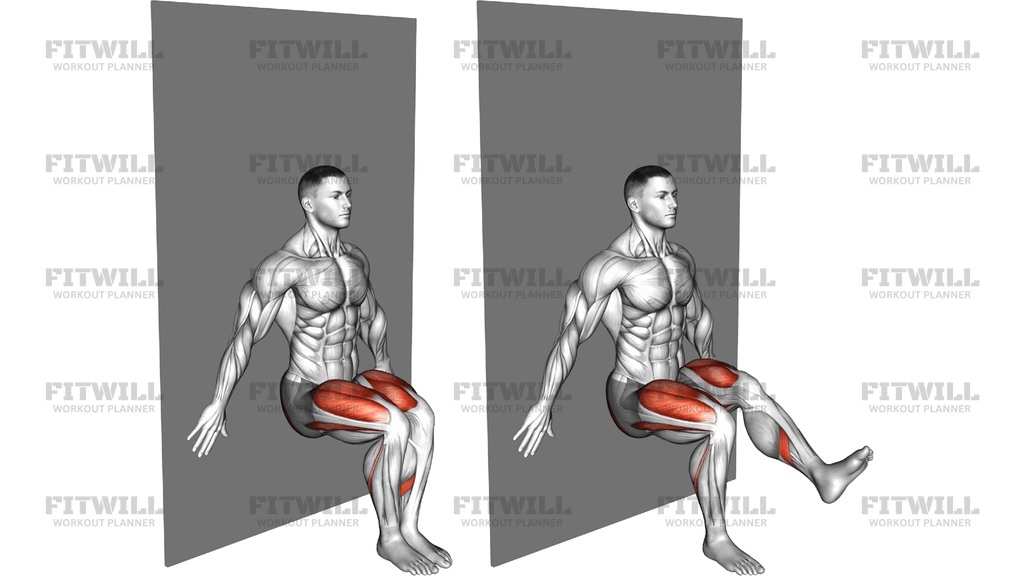
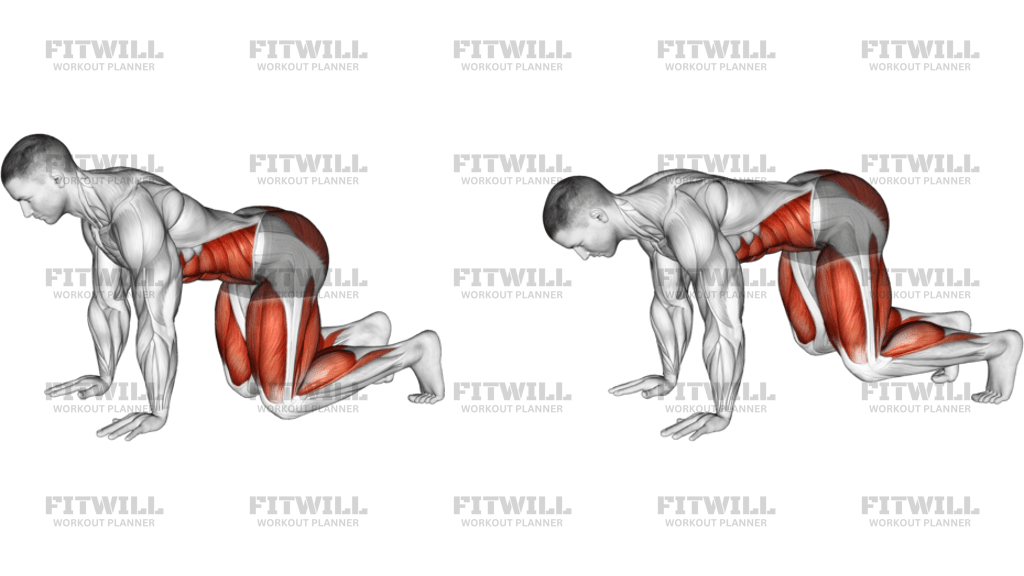
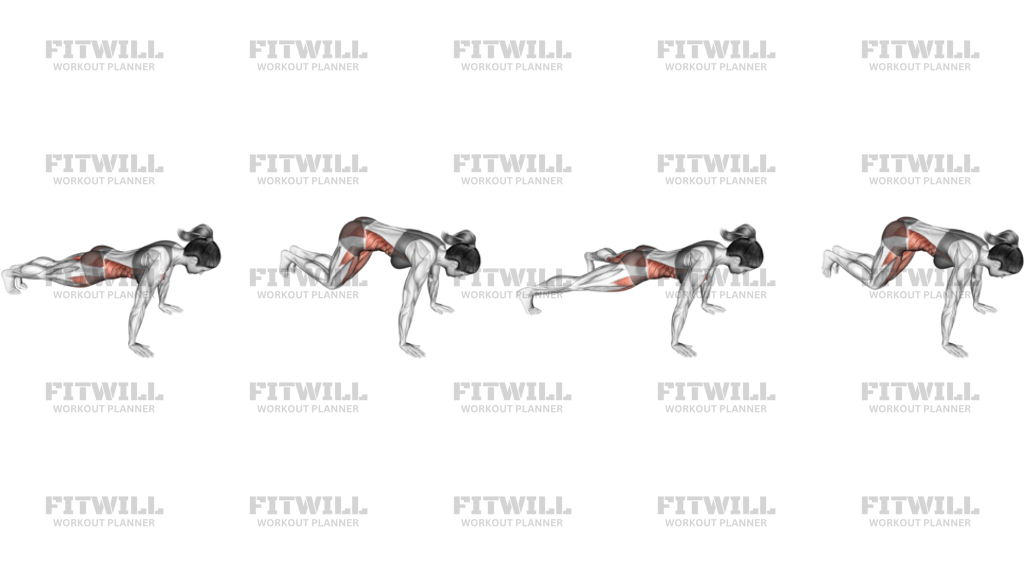
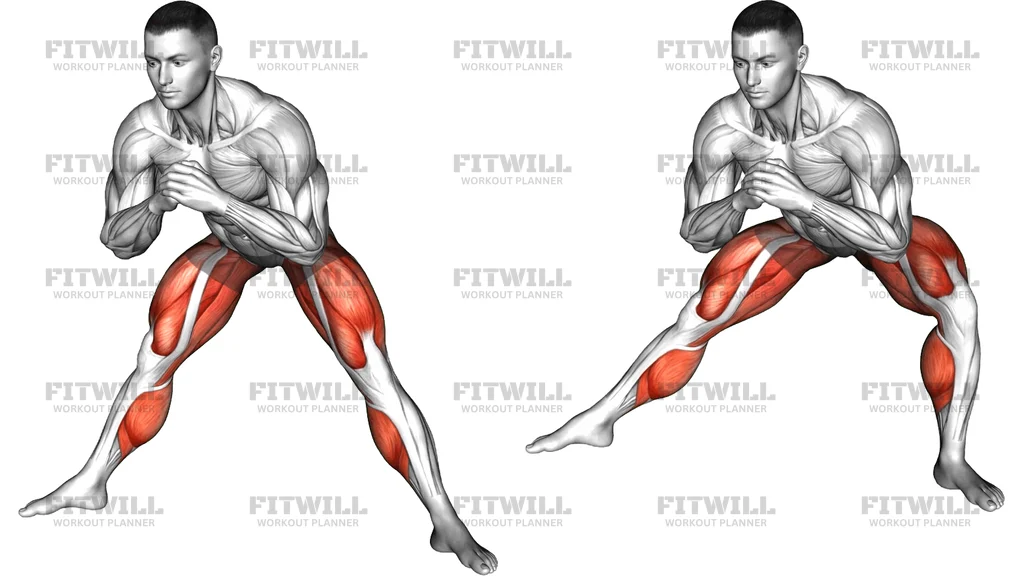
Lying Toe Tap
Lying Toe Tap is a body-weight floor drill that trains the deep core, hip control, and pelvic stability through a simple alternating leg motion. It is especially useful when you want a low-impact exercise that teaches you how to keep the trunk quiet while the legs move. The goal is not to race through reps, but to keep the lower back, ribs, and hips organized while each toe tap happens with precision.
The setup matters because Lying Toe Tap becomes much more effective when the pelvis stays neutral and the lumbar spine does not arch off the floor. Lie on your back, bend the hips and knees, and bring the thighs into a tabletop position before the first rep. From there, the abs have to resist the urge for the low back to flare upward as one leg lowers toward the floor.
Each repetition should feel like a controlled reach away from the body rather than a drop. As one foot lowers, the opposite side of the torso should stay steady and the ribs should remain stacked over the pelvis. A light toe tap is enough; if you have to swing the leg or twist through the hips to reach the floor, the range is too deep for the current set.
Lying Toe Tap fits well in warm-ups, core circuits, rehab-style accessory work, or finishers when you want quality tension without loading the spine. It is also a good teaching exercise for beginners who need help learning how to brace before the legs move. More experienced lifters can use it to reinforce trunk stiffness, breathing control, and hip coordination between heavier training sessions. If you are programming it after bigger lifts, it works best when you want the abs working hard without adding fatigue to the shoulders, hands, or lower back.
The main form priority is control. Keep the lower back gently pressed toward the floor, lower each leg slowly, and shorten the range the moment the pelvis starts to tip or the neck tightens. When the movement stays clean, Lying Toe Tap builds the kind of core endurance that carries over to squats, lunges, running, and almost any exercise that asks the torso to stay stable while the limbs work.
[ Workout Log & Planner ]
Put your next workout in Fitwill
Keep your plan and training log ready when you are.


Instructions
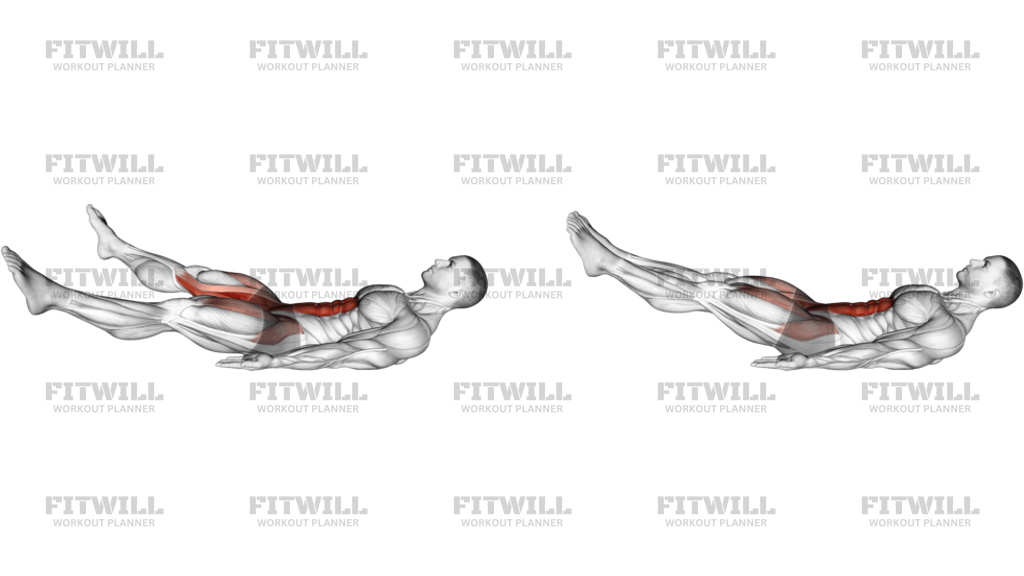
- Lie on your back on a mat with your arms by your sides and your knees bent so your hips and knees are stacked in a tabletop position.
- Press your lower back gently into the floor and keep your ribs down before the first rep.
- Set one leg in the starting position while the other stays bent, with both thighs staying controlled over the hips.
- Lower one foot toward the floor in a slow, deliberate arc until the toes lightly tap down or stop just above the floor.
- Keep your pelvis level and avoid letting the low back arch as the leg reaches away from you.
- Exhale as the toe taps, then use your abs to bring the leg back to tabletop without swinging.
- Alternate sides and keep each rep smooth instead of rushing the switch.
- Finish the set by bringing both feet back to the floor and relaxing the torso before standing up.
Tips & Tricks
- Tap the floor lightly; if you have to slam the foot down, the range is too big.
- Keep your lower back heavy on the mat the whole set, especially on the side that is moving.
- If your hips tilt, raise the tap height and make the leg travel less distance.
- Move one leg at a time instead of letting both knees drift and bounce.
- Use a slow lower so the abs have to control the leg instead of letting gravity win.
- Keep your chin neutral; looking down at your knees can make the neck tense and pull the ribs up.
- Exhale during the tap to help stop the rib cage from flaring.
- Stop the set as soon as you lose the tabletop shape or start arching through the low back.
Frequently Asked Questions
What does Lying Toe Tap work most?
It mainly trains the deep core and hip stabilizers while the legs move through a controlled tabletop pattern.
Can beginners perform this exercise?
Yes. Beginners usually do best with a shorter range, slower reps, and a toe tap that stays small enough to keep the lower back flat.
How low should my foot go on Lying Toe Tap?
Lower it only as far as you can without your pelvis tipping or your low back lifting off the floor. A light toe tap is enough.
Why does my lower back arch during Lying Toe Tap?
Usually the leg is reaching too far or the brace is too loose. Shorten the range and think about pulling the ribs down before each tap.
Should my knees stay bent the whole time?
Yes. Keep both hips and knees bent in tabletop so the movement stays focused on control instead of turning into a long-leg reach.
Is Lying Toe Tap the same as a dead bug?
It is very similar, but Lying Toe Tap usually keeps the emphasis on alternating leg taps while the torso stays anchored to the floor.
Do I need any equipment for Lying Toe Tap?
No. A mat is enough, and the exercise is performed with body weight only.
How can I make Lying Toe Tap harder?
Slow the lowering phase, pause briefly at the bottom, or tap with a longer leg reach while keeping your back from arching.