90 To 90 Switch
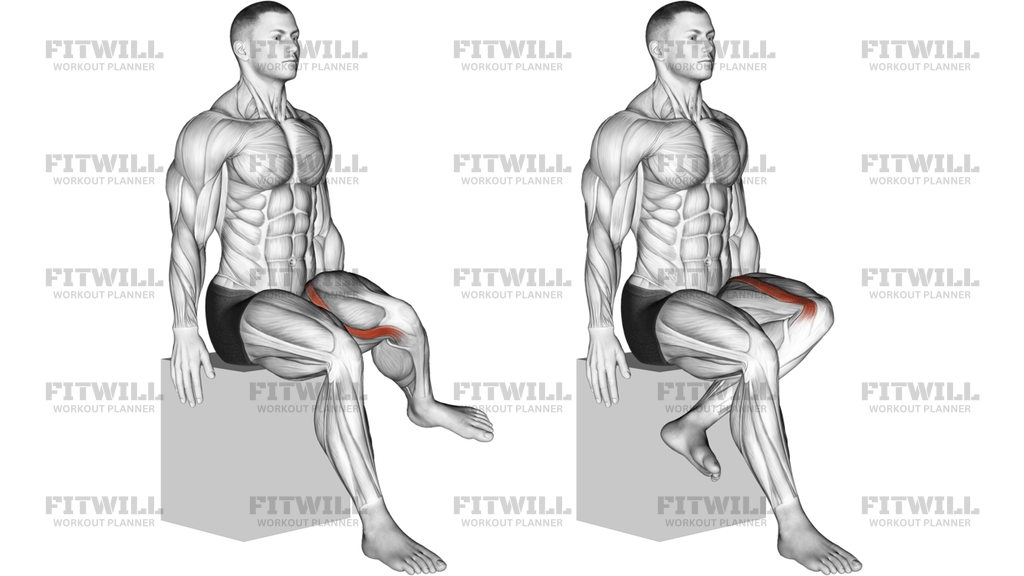
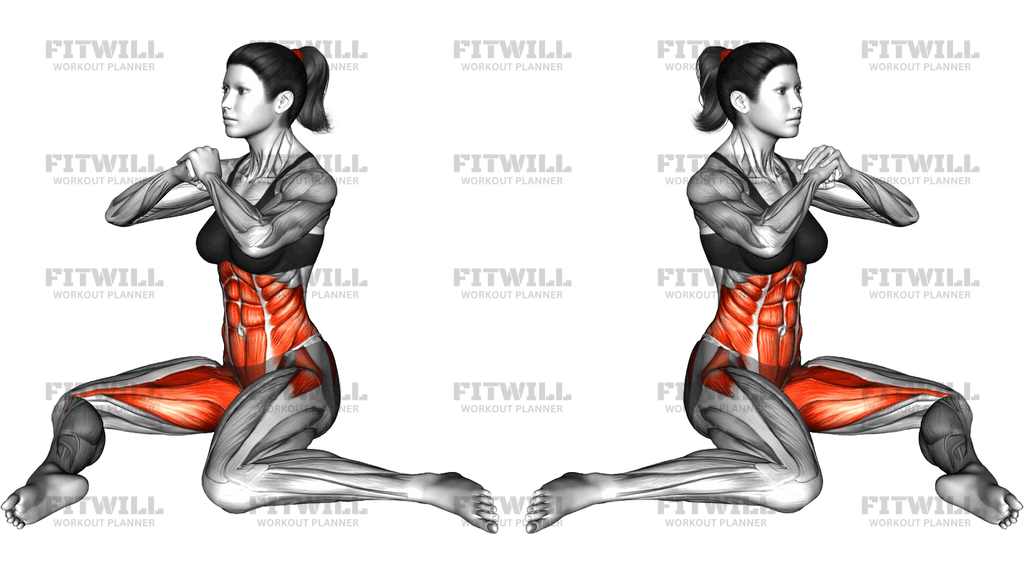
The 90 To 90 Switch is a seated hip mobility drill that takes its name from the two 90-degree angles your legs form in the starting position: one knee bent in front of you at roughly a right angle, the other bent out to the side at roughly a right angle. From there, you lift both knees off the floor and rotate them together to the opposite side without letting your hands or feet help. Each switch moves your hips through internal and external rotation at the same time, which is exactly what makes it more demanding than a static stretch.
This drill is a staple in warm-ups for squats, lunges, and any sport that requires changing direction. If your hips feel stiff when you drop into a deep squat, or your knees tend to cave inward during single-leg work, controlled 90/90 switching gives you a way to restore rotational range while actively controlling it. It is also useful as a standalone daily mobility practice, since it needs no equipment and only a few feet of floor space.
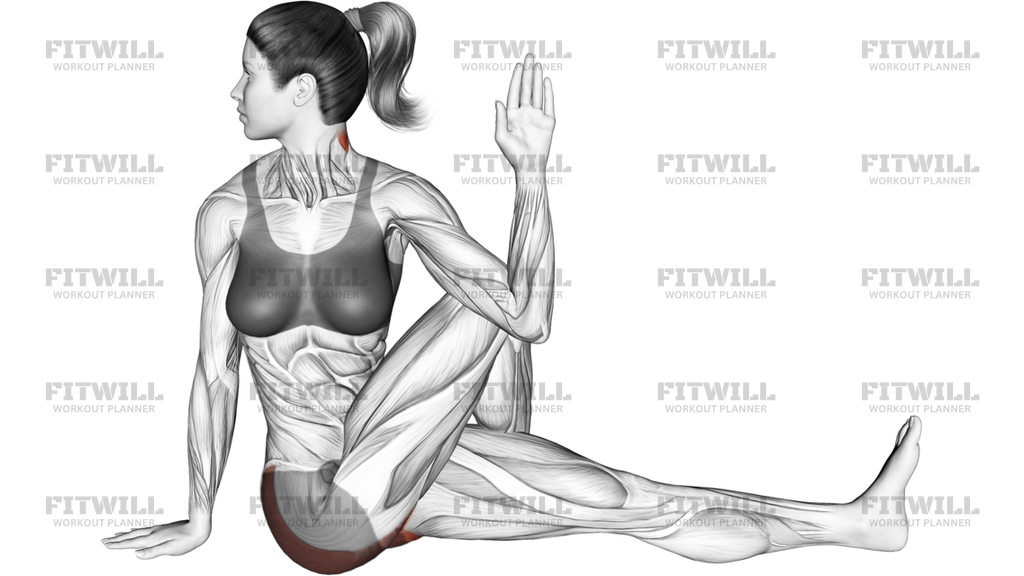
The muscles highlighted during the movement are the deep rotators and glutes around each hip, with the hip flexors and core working to keep your spine tall as your legs travel underneath you. Because you are moving through end-range positions rather than passively hanging out in them, you are training usable range, not just flexibility you can only access on the floor.
Setup matters here. Sit with both sitting bones grounded as evenly as you can, a tall chest, and hands clasped lightly in front of your chest for balance. The front shin should sit parallel to your chest line, and the rear shin parallel to the front wall beside you. If your hips are tight, the shins will not form perfect 90-degree angles yet, and that is fine; work with the angles you have rather than forcing the knees down.
To execute the switch, lean slightly over the front leg, press the floor away, and lift both knees as one unit. Rotate your pelvis so the legs travel across your body and settle on the other side, then re-tallen your posture and pause before switching back. Move slowly enough that you could stop halfway if you needed to. Speed kills the benefit of this drill; the pause at each end is where the hips learn to own the new range.
A few practical points keep it safe. If a knee or the groin complains with sharp pain, shrink the angles of the shins or place a yoga block under the hips to reduce the demand. Keep the movement in the hips rather than wrenching from the lower back, and expect one side to be noticeably tighter than the other. Work the stiffer side gently and let consistency, not force, close the gap.
[ Workout Log & Planner ]
Put your next workout in Fitwill
Keep your plan and training log ready when you are.


Instructions
- Sit on the floor or an exercise mat with your torso upright and both sitting bones in contact with the ground.
- Position your legs in the 90/90 shape: front knee bent about 90 degrees with the shin parallel to your chest, rear knee bent about 90 degrees out to the side with the shin running beside your hip.
- Clasp your hands together in front of your chest, elbows relaxed, and brace your core lightly to keep your spine tall.
- Shift your weight slightly over the front leg and press the floor away so both knees can clear the ground.
- Lift both knees together and rotate them across your body, keeping your feet relaxed and letting the legs travel as one unit.
- Land softly on the opposite side so the leg that was in front is now out to the side, and the side leg is now in front.
- Pause briefly in the new position, sit tall, and settle your weight evenly over both sitting bones before the next rep.
- Breathe steadily throughout, exhaling as you switch and inhaling as you settle into each position.
- Continue alternating sides for the desired number of switches, moving slowly enough to stay in control at every point.
- To finish, step your legs out in front of you and gently straighten your knees to reset before standing.
Tips & Tricks
- If your knees hover far off the floor and the switch feels clunky, elevate your hips on a folded mat or yoga block; the extra height gives the legs room to clear and smooths the rotation.
- Do not let your hands drop to the floor mid-switch. Using them for a push turns an active hip drill into a momentum exercise, so keep them clasped at chest height.
- Most people can rotate one direction much easier than the other. Start every set with the tighter direction while you are freshest, and do one extra switch toward that side.
- A common mistake is rounding the lower back to fake extra rotation. If your chest starts collapsing, that is a cue that the hips have hit their current limit, so reduce the shin angles instead of bending further.
- Keep the front foot passive and relaxed. Curling or pointing the toes usually means you are gripping with the calf and thigh instead of letting the hip do the rotating.
- Avoid slamming the knees down at the end of each switch. Landing softly and pausing for one breath builds control in the newly reached range.
- If the rear knee or outer hip pinches, slide that foot slightly further from your body to open the hip angle before giving up on the drill.
- Treat this as a slow drill, not a cardio move. Ten controlled switches beat thirty rushed ones for hip range and comfort.
Frequently Asked Questions
What muscles does the 90 To 90 Switch work?
It primarily targets the deep external rotators and glutes around the hip, with the hip flexors active as the legs lift and travel. The core works isometrically to keep your torso upright throughout each switch.
Is the 90 To 90 Switch a stretch or a strength exercise?
It sits between the two: you are stretching the hip rotators while actively controlling the range, which is why it is usually placed in warm-ups or mobility work rather than main strength training.
My shins cannot form true 90-degree angles. Is that a problem?
No. Tight hips often make perfect right angles impossible at first, so use whatever shin angles you can hold with an upright chest and progress gradually toward 90 degrees over weeks.
Why do I keep losing balance when I lift both knees off the floor?
Most people lean too far back or forget to shift weight over the front leg first. Lean slightly toward the leg in front, press the floor away, and keep your hands clasped at chest height rather than reaching down for support.
How many reps of the 90 To 90 Switch should I do?
Five to ten switches per side, moving slowly with a brief pause at each end, works well as a warm-up. If you are using it as dedicated mobility work, two to three sets is a reasonable volume.
Can beginners do the 90 To 90 Switch safely?
Yes, as long as they scale the shin angles and raise the hips on a block or folded mat if needed. Sharp pain in a knee or groin is a signal to reduce the range, not to push through.
What can I use instead if my knees hurt in the 90/90 position?
Try a standing or half-kneeling hip rotation drill, or a supine figure-four stretch, both of which train similar hip rotation with far less load on the knee joint.
Why is one side so much tighter than the other when I switch?
Nearly everyone has a side bias from sport, posture, or daily habits. Work the tighter side first and give it one extra controlled repetition, and expect the difference to shrink with consistent practice rather than in one session.
Should I do the 90 To 90 Switch before or after training?
It works best before lower-body training, when the active rotation prepares the hips for squats, lunges, and direction changes. After training it can still be useful, just move more gently since the muscles are fatigued.
How does the 90 To 90 Switch help my squat depth?
Deep squats require a combination of hip external rotation and flexion, and this drill trains both simultaneously. Better rotational control lets your femurs sit deeper without your pelvis tucking under.