Shin Box Pigeon
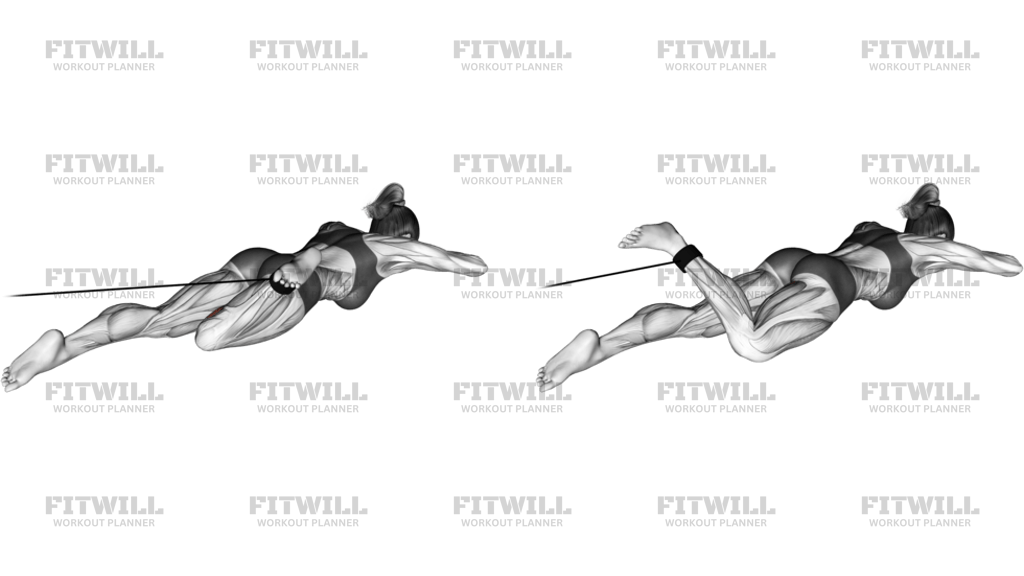
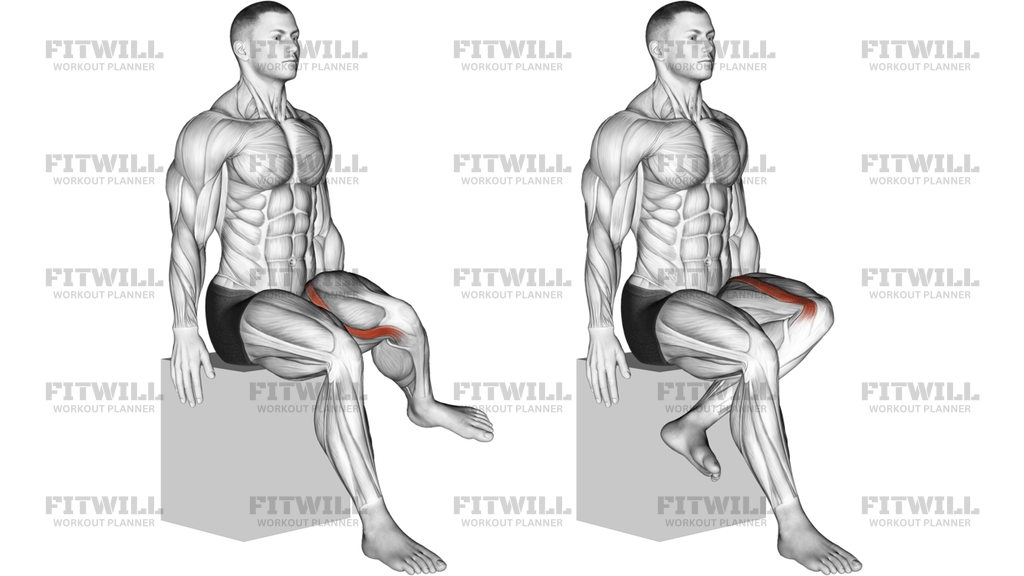
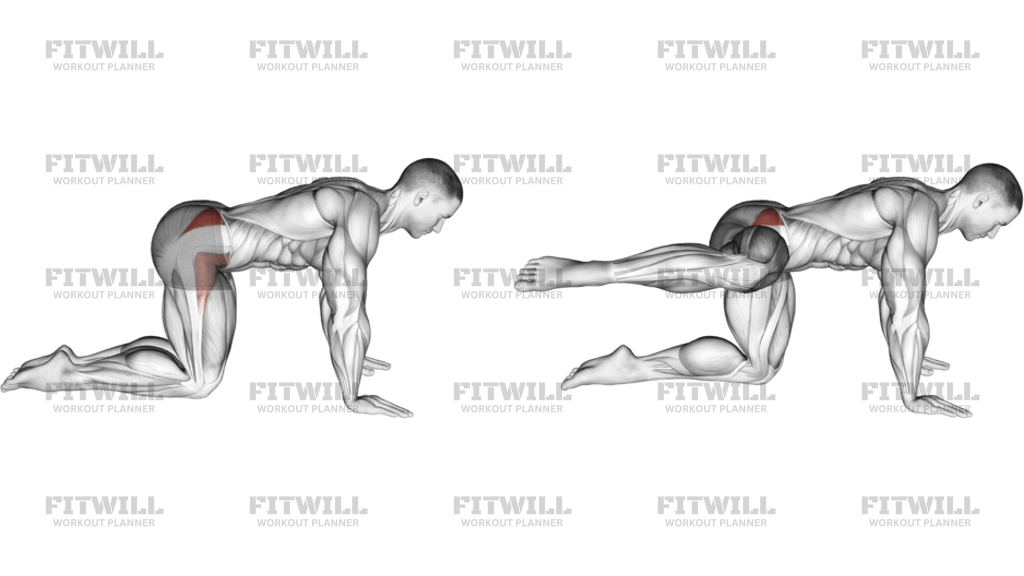
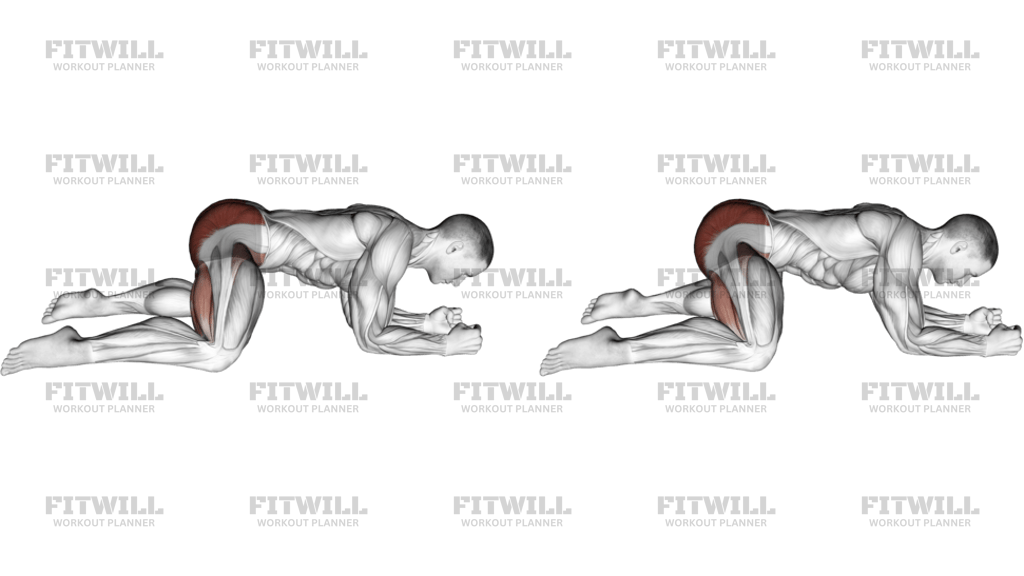
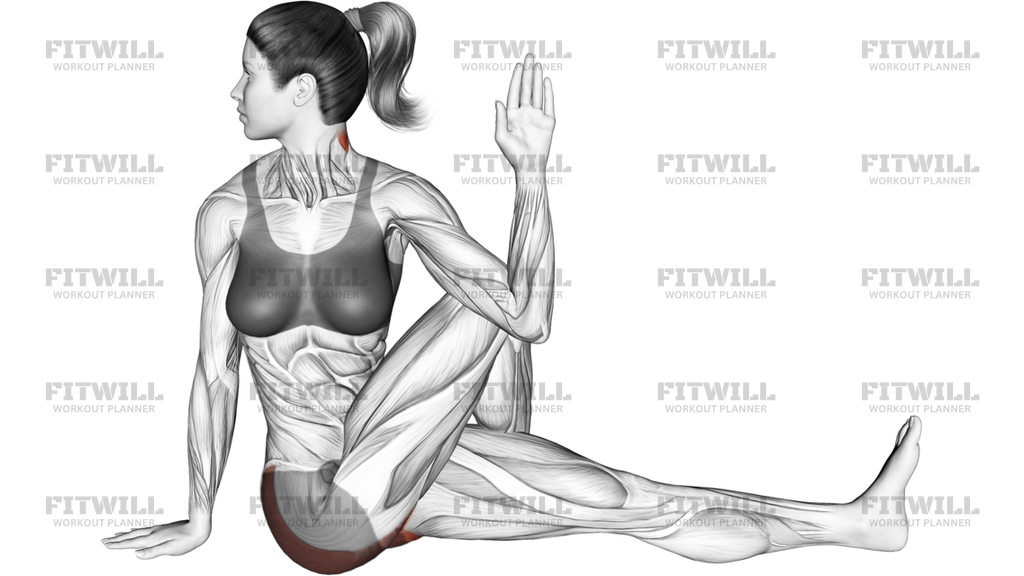
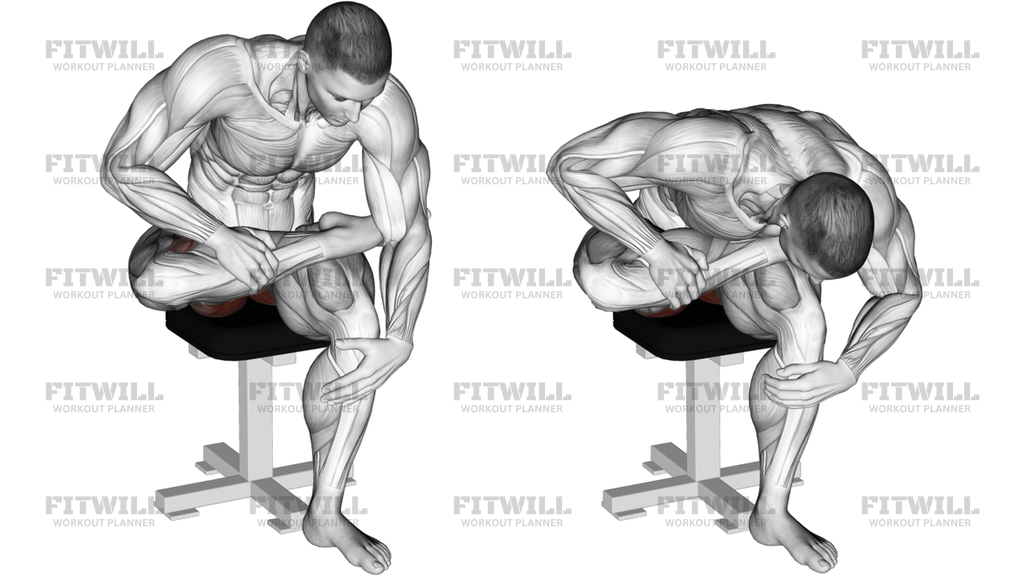
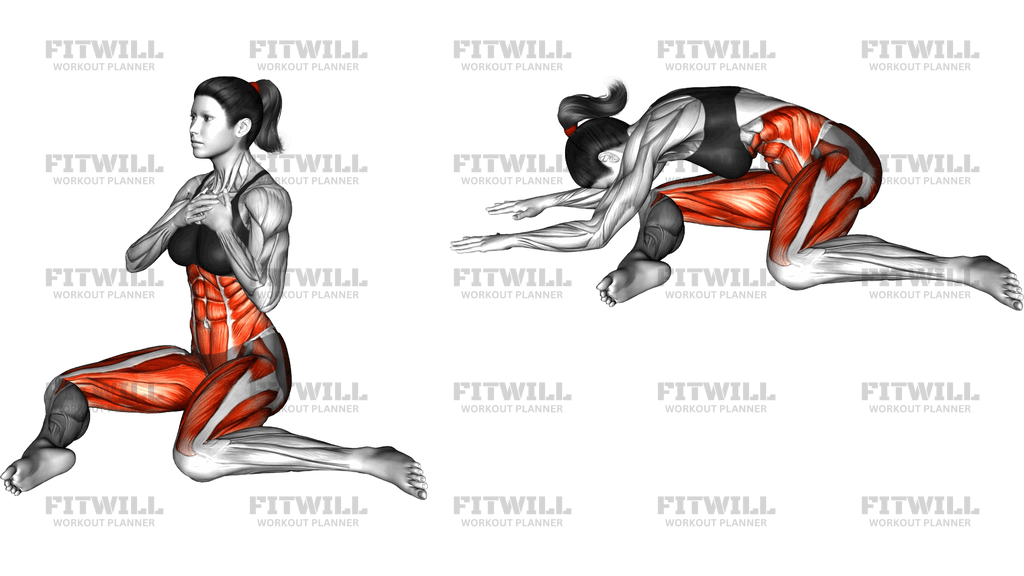
The Shin Box Pigeon is a floor-based hip mobility drill that blends two proven positions into one flowing movement. You start seated in the shin box, or 90/90, position with your front leg bent to roughly ninety degrees in front of you and your back shin bent to ninety degrees out to the side. From there, you hinge your chest forward over the front shin, folding into a pigeon-style stretch, then press back up to the tall seated position. The two frames shown in the exercise capture this exact arc: upright with hands at the chest, then folded forward with the arms reaching long.
This movement earns its place in nearly any warm-up or cooldown because it targets the hip in multiple directions at once. The forward fold loads external rotation and flexion in the front hip, stretching the glutes and deep rotators, while the trailing leg works internal rotation and adductor length. Because you repeatedly move between the two positions rather than holding a static stretch, you teach the hips to transition through rotation under control, which carries over to squats, lunges, running, and everyday positions like sitting cross-legged on the floor.
Setup matters more here than in most stretches. If your front shin drifts away from perpendicular or your back leg sprawls behind you, the fold stops being a hip stretch and starts taxing the low back and knee instead. Take a moment to square the shin box, sit as tall as your current mobility allows, and only then begin the hinge. A mat under the knees and hips makes longer holds and repeated reps far more comfortable.
Execution comes down to one idea: fold from the hips, not the spine. Keep the chest long and lead with the sternum toward the front shin or knee as the torso lowers. Hands can rest on the chest, as shown in the upright position, or walk forward along the floor for support as you deepen. Stop well before you feel pinching in the front of the hip or strain around the knee of the folded leg. The return is just as important as the descent; press the floor away and ride the front hip back under you rather than yanking yourself upright.
The Shin Box Pigeon suits desk workers with stiff hips, lifters who want better squat depth, runners and cyclists looking to free up range before or after sessions, and anyone rebuilding floor-sitting comfort. Treat it as a mobility drill: move slowly, breathe steadily, and expect one side to feel different from the other. Work within the range your body offers today and let consistency, not force, do the work.
[ Workout Log & Planner ]
Put your next workout in Fitwill
Keep your plan and training log ready when you are.


Instructions
- Sit on an exercise mat with your right leg folded in front of you, knee bent about ninety degrees so the shin lies across your body, and your left leg out to the side with the left shin also bent about ninety degrees, forming the shin box base.
- Place both hands on your chest or rest fingertips lightly on the floor beside your hips, and sit as tall as you can with the spine long and shoulders relaxed.
- Brace the trunk lightly, keep the front foot flexed, and check that the front shin stays roughly perpendicular to your torso before you move.
- Inhale, then exhale as you hinge forward from the hips, leading with the chest toward the front shin and letting the hands walk forward to the floor for support.
- Continue folding until you feel a firm stretch through the outer glute and back of the front hip, keeping the back thigh heavy toward the floor without forcing it.
- Pause briefly at the bottom, holding a calm breath for one to three seconds while keeping the neck relaxed and the shoulders away from the ears.
- Press the floor away with your hands and exhale as you hinge back up to the tall seated shin box position, drawing the front hip back under the torso.
- Complete your reps on the right side, then reconfigure the box with the left leg in front and repeat, matching the number of reps and fold depth on both sides.
- Finish the set by rolling onto a hip, standing up carefully, and taking a few tall steps to let the hips resettle before your next drill or lift.
Tips & Tricks
- If the front knee floats high during the fold, stop chasing depth and spend a few reps just hovering above it; forcing the knee down strains the joint instead of stretching the hip.
- A common mistake is rounding the upper back to reach further forward, which turns the drill into a spine stretch. Keep the chest long and accept a smaller hip range.
- Watch the back leg: if it slides backward into a sprawl, the stretch escapes the hip. Tuck the back shin back under so the knee stays in line with or slightly behind the hip.
- Flex the front foot and keep the toes active; this stabilizes the knee and often reduces pinching sensations at the front of the folded hip.
- If your hip pinches rather than stretches, shift the front shin a few degrees toward your midline or elevate the hips on a folded towel so the femur can rotate freely.
- Tight hamstrings or a stiff low back can dominate the hinge. Bend slightly toward the shin with a longer spine and let the hands on the floor carry some torso weight.
- Do not rush the return. Rising too fast usually pulls you up through the low back instead of the hip; press down through the floor and let the torso unfold last.
- Expect a side-to-side difference, often larger on the hip opposite your standing-dominant leg. Give the stiffer side one or two extra controlled reps rather than deeper forced ones.
- Use slow nasal breathing during each fold; if you find yourself holding your breath, the depth has outpaced your control and you should ease back an inch or two.
Frequently Asked Questions
Which muscles does the Shin Box Pigeon target?
It primarily stretches the glutes and deep hip rotators of the folded front leg, along with the adductors and hip flexors of the trailing leg. The trunk works lightly to control the hinge and return.
Is the Shin Box Pigeon the same as a regular Pigeon Pose?
They share the folded front-leg position, but the Shin Box Pigeon starts from a seated 90/90 shin box and returns to it each rep. This makes it more repeatable and easier to load gradually than the traditional floor pigeon.
Is this exercise suitable for beginners?
Yes, as long as you keep the fold shallow and sit on a folded towel or yoga block if your hips cannot reach the floor comfortably. Beginners should prioritize a tall spine over a deep fold.
Why does the front of my hip pinch when I fold forward?
A pinching sensation usually means the femur is hitting its rotation limit in that angle, not that the muscle is stretching. Slightly rotate the front shin, reduce the depth, or elevate the hips and the pinch often fades.
Should my back leg stay at exactly ninety degrees the whole time?
It should stay near ninety during the fold so the trailing hip gets consistent internal rotation and adductor stretch. If the knee drifts behind you, the position loses that benefit and loads the low back instead.
Can I replace static Pigeon Pose with the Shin Box Pigeon?
In many cases, yes. The moving format gives repeated controlled exposure to the same glute and hip rotator stretch, which many people tolerate better than a long static hold.
How many reps and sets should I do?
Two to three sets of five to eight slow folds per side works well, either as a warm-up before lower-body training or as standalone mobility work. Keep each rep to a slow three-to-five-second descent.
Is it safe for cranky knees?
Usually, if you keep the front foot flexed, avoid pushing the knee toward the floor, and never fold into pain. Anyone with a recent knee or hip injury should get clearance from a professional first.
Do I need any equipment?
No, the exercise needs only floor space. A mat or folded towel under the hips and back knee makes the position far more comfortable, especially on hard surfaces.