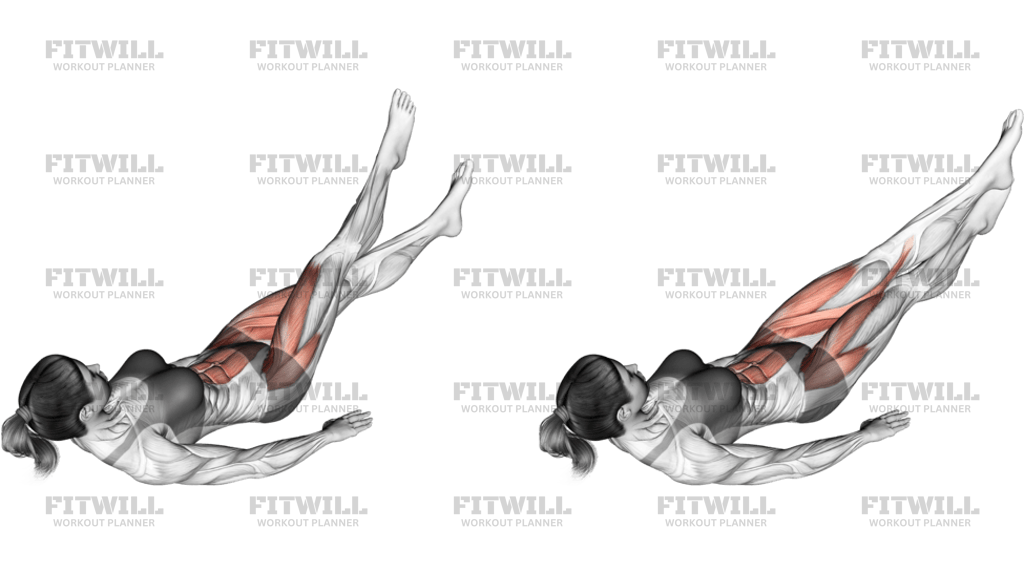
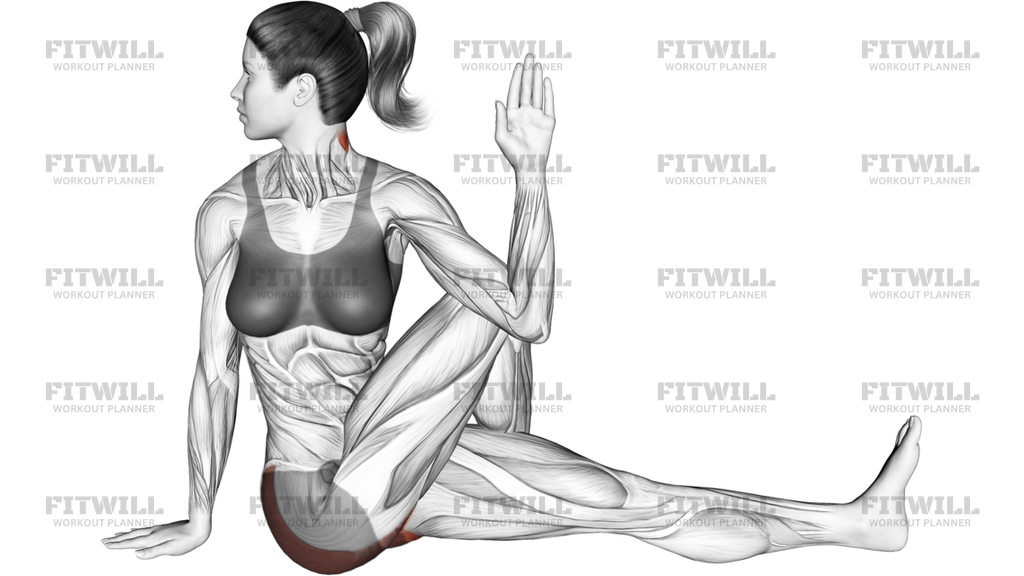
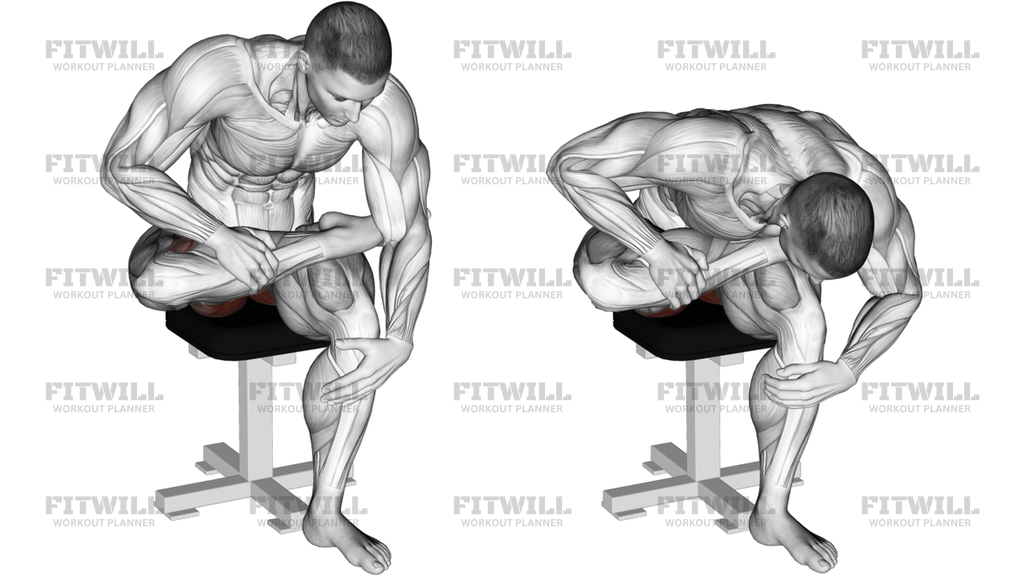
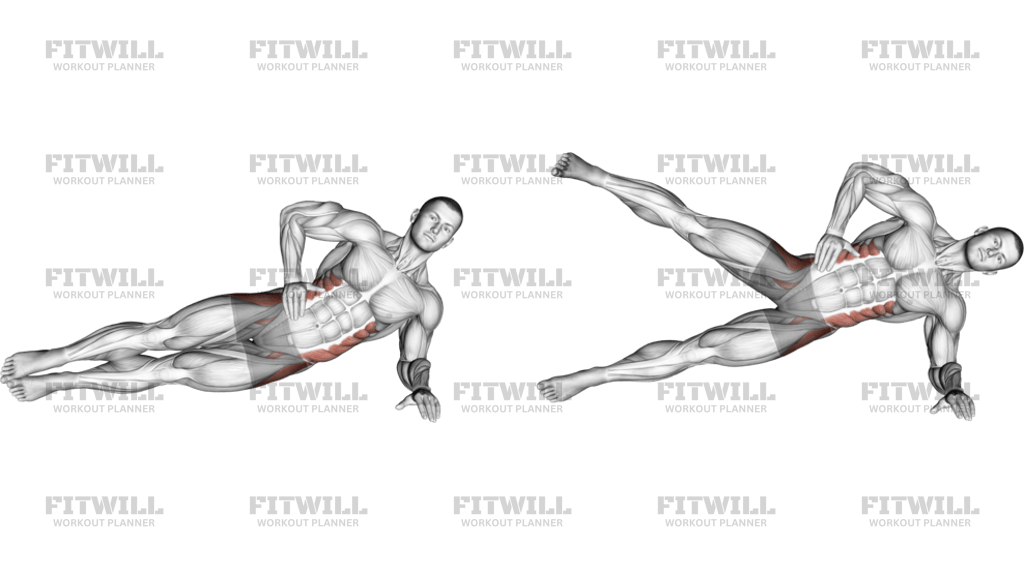
Seating Alternate Leg Abduction And Extension
Seating Alternate Leg Abduction And Extension is a bodyweight floor exercise that trains the hip abductors — the muscles on the outside of the hip, chiefly the gluteus medius — by having you sweep one leg out to the side and straighten it while you sit propped up on your hands behind you. You work one leg at a time, alternating left and right, which makes it easy to spot and correct side-to-side differences in control and range.
Because it requires no equipment beyond a spot of floor, this movement fits neatly into warm-ups, rehab-style hip work, home workouts, and travel routines. It is especially useful for people who spend long hours sitting, since the seated position keeps the hip flexors in a shortened state and the abductors rarely get challenged through a clean side-to-side arc. Runners, lifters, and anyone rebuilding hip control after a layoff can use it as low-fatigue activation before squats, lunges, or running.
The main work comes from the gluteus medius and the smaller muscles of the outer hip as they lift the thigh away from the midline. The gluteus maximus assists as the leg extends, and the hip flexors help control the leg on the way back. Your trunk and shoulders work isometrically the whole time, since your upper body is supported on your hands and must stay steady while the legs move.
Setup matters more than it looks. Sit tall with your knees bent and feet flat, then place your hands on the floor just behind your hips and lean back until your weight shifts onto your hands and the back of one hip. This lean creates clearance under the thigh so the leg can swing outward and straighten without the foot dragging on the floor. If your torso is too upright, you will have to force the range; if you slump, your lower back takes over and the hip stops doing the work.
To execute well, press one knee out to the side in a smooth arc, then let the knee straighten so the leg reaches long and slightly away from you. Pause briefly, bend the knee, and bring the leg back before switching sides. Keep your pelvis level throughout — the natural cheat is to hitch the working hip up to fake extra range. Move slowly enough that you could stop the leg at any point; with no external load, tempo and control are the entire training stimulus.
[ Workout Log & Planner ]
Put your next workout in Fitwill
Keep your plan and training log ready when you are.


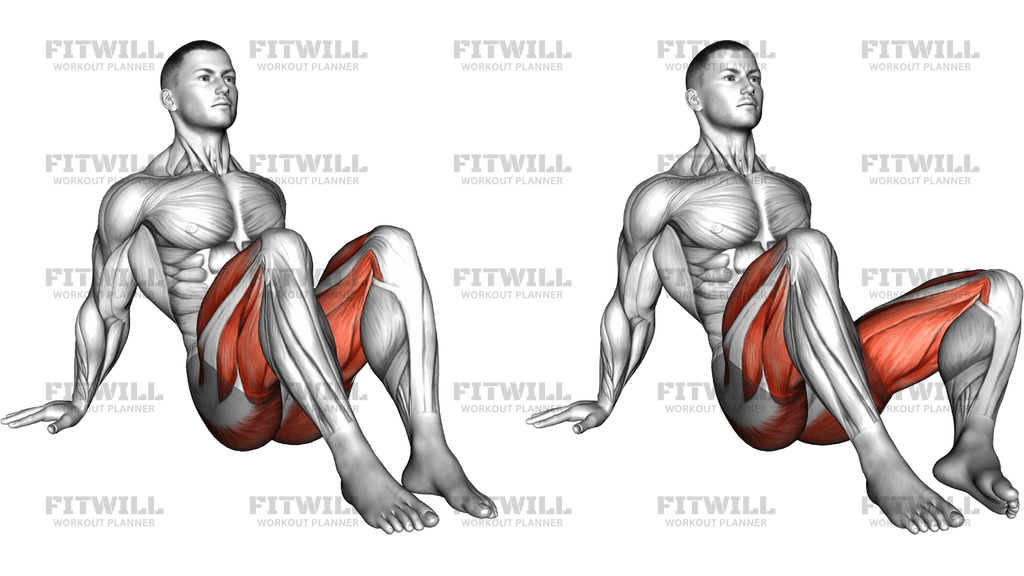
Instructions
- Sit on the floor with your knees bent and feet flat, about hip-width apart, and rest your palms on the floor just behind your hips with fingers angled slightly outward.
- Lean your torso back about 30 to 45 degrees so your weight settles onto your hands and the back of one hip, and keep your chest lifted and shoulders down away from your ears.
- Brace your abdominals lightly and keep your ribs stacked over your pelvis so your lower back stays neutral.
- Keeping the knee bent, sweep one knee out to the side away from your other leg, letting the thigh rotate outward from the hip.
- As the leg reaches its widest point, straighten the knee so the leg extends fully out to the side, foot flexed with toes pulled back.
- Pause for a moment at the end position, feeling the work on the outside of the hip rather than in the groin or lower back.
- Bend the knee again and draw the leg back to the starting position, lightly controlling the foot down to the floor.
- Exhale as you abduct and extend the leg, inhale as you return it to the start.
- Repeat on the opposite leg and continue alternating for your target number of reps per side.
- Between sets, sit up, shake out the hips, and reset your hand position before the next set.
Tips & Tricks
- If your wrists or shoulders complain about supporting you, place your hands on a low step, yoga blocks, or the edge of a bench instead of the floor — the hip mechanics stay the same.
- The most common cheat is hitching the working hip up toward the ribs to gain range; keep both sit bones equally weighted on the floor and let the leg do the moving.
- Keep the toes of the working foot pulled back toward your shin; a loose, dangling foot often leads to calf cramps in this position.
- Do not let the planted foot roll inward or the non-working knee collapse as the other leg moves — that leg is your base and should stay quiet.
- A two- to three-second sweep out and a slow return will do far more for your outer hips than fast, bouncy reps, since there is no external load here.
- If you feel a pinch at the front of the hip, reduce how far you extend the leg rather than pushing through the sticking point.
- Avoid sinking between your shoulders — actively press the floor away so your upper body stays supported and your neck stays relaxed.
- To progress the exercise, add light ankle weights or pause two to three seconds at full extension before returning the leg.
- Sitting on a folded towel or thin mat helps on hard floors and stops your sit bones from sliding as you lean back.
Frequently Asked Questions
Which muscles does Seating Alternate Leg Abduction And Extension work?
The primary muscles are the hip abductors, mainly the gluteus medius on the outside of the hip. The gluteus maximus assists as the leg extends, the hip flexors help control the return, and your trunk works statically to keep you propped up.
Is this exercise suitable for beginners?
Yes. It is a low-load, bodyweight movement that only requires floor space, so beginners can learn hip control safely. Start with a modest range and shorter sets while your shoulders adapt to supporting you.
Why do I lean back on my hands during Seating Alternate Leg Abduction And Extension?
Leaning back lifts your torso weight off the thigh and creates clearance so the leg can sweep outward and straighten freely. It also lets you focus entirely on the hip movement instead of balancing upright.
Should the working leg stay in contact with the floor?
The foot can skim or lightly brush the floor as the leg sweeps out, and the extension happens close to the floor. You do not need to lift the leg high — the sideways arc and the knee straightening are what matter.
How many reps should I do per side?
Ten to fifteen controlled repetitions per leg works well, either as a warm-up activation or as a standing set within a home workout. If the movement is part of rehab-style hip work, prioritize slow tempo over rep count.
My hips feel pinchy at the front during the extension — what should I change?
Shorten the range: stop the sweep before the pinch and do not force the knee fully straight. Sitting slightly more upright or elevating your hands on blocks can also change the hip angle enough to remove the pinch.
Can I do Seating Alternate Leg Abduction And Extension on a bed or couch?
It is not recommended. A soft surface gives you nothing to press into with your hands and makes the leg path harder to control, so use a firm floor or an exercise mat.
How is this different from a standing or side-lying leg raise?
The seated position removes the balance demand of standing versions and the floor restriction of side-lying versions, so you can focus on the abduction-to-extension arc. It is generally easier on the lower back than standing single-leg work.
Can I add resistance to this movement?
Yes, light ankle weights are the simplest option once bodyweight reps feel easy. Keep the load small — the hip abductors respond better to controlled reps than to heavy weights in this position.
Is this exercise safe if I have knee problems?
The knee only bends and straightens without carrying load, so most people tolerate it well. Keep the arc smooth, stay within a pain-free range, and check with a professional if you have a recent knee injury.