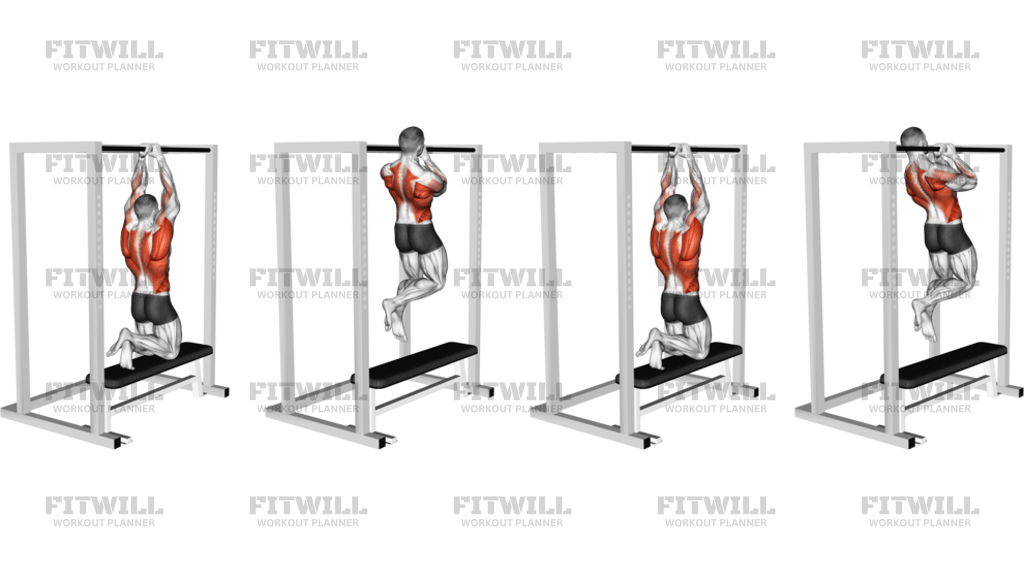
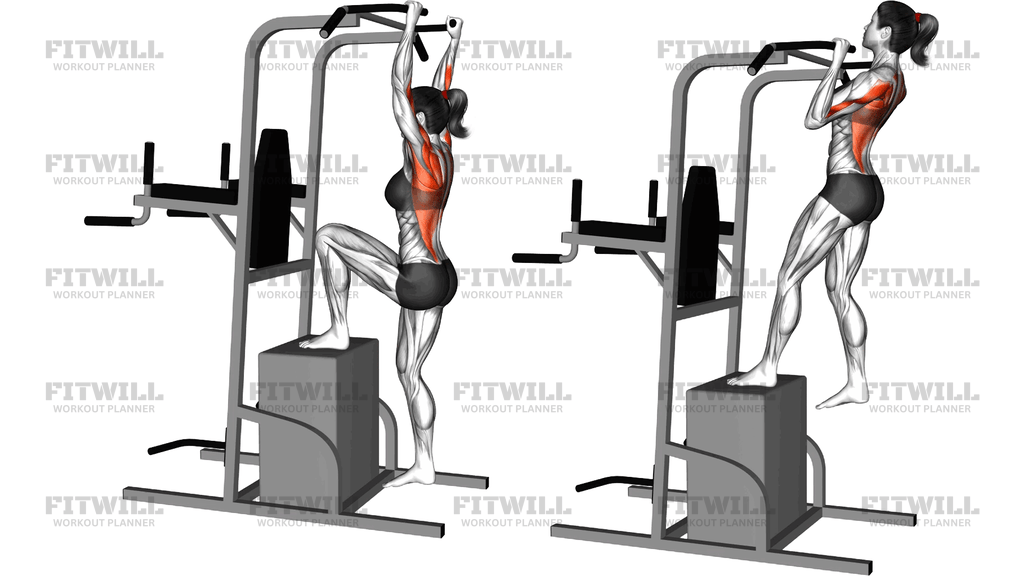
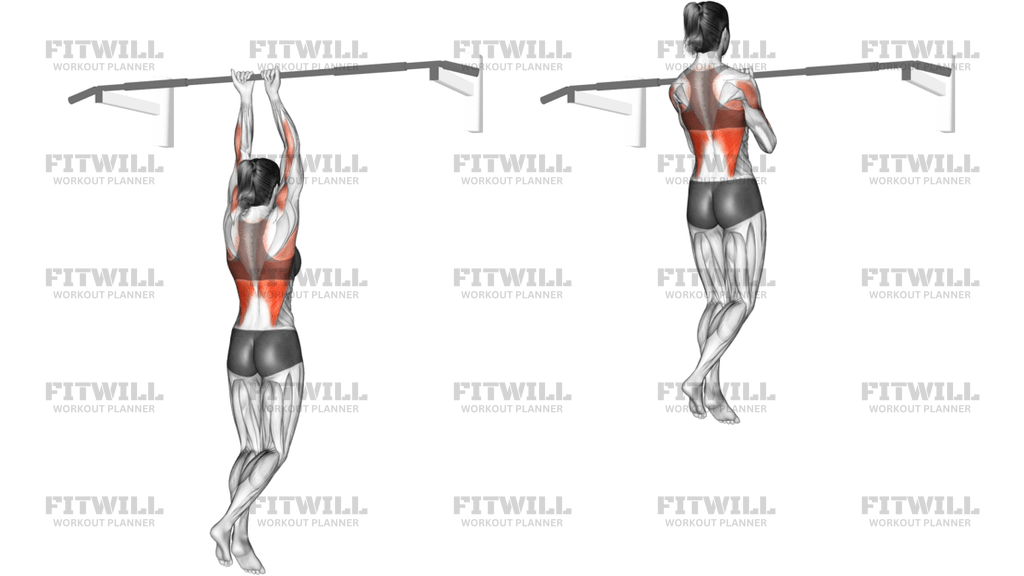
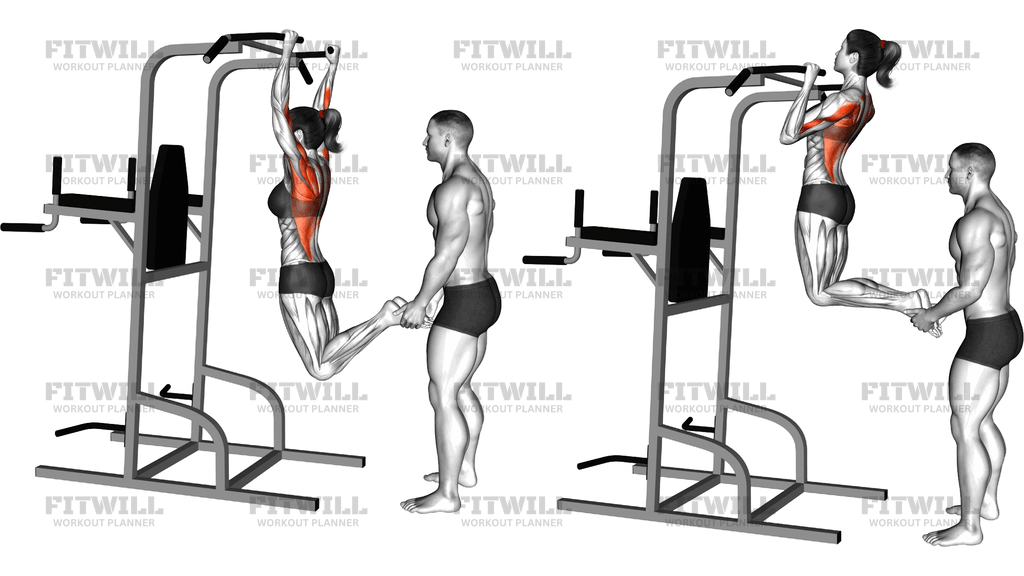
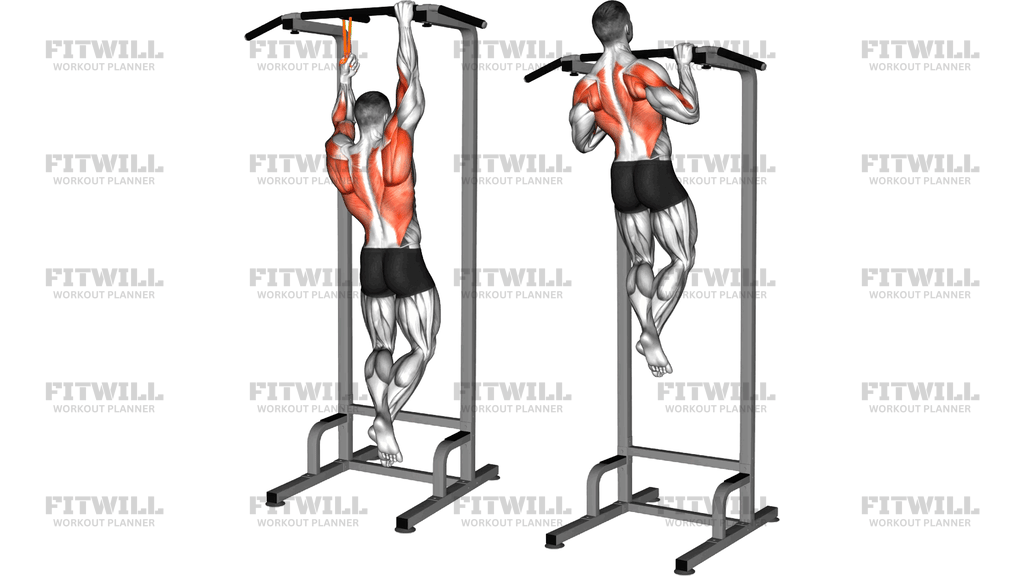
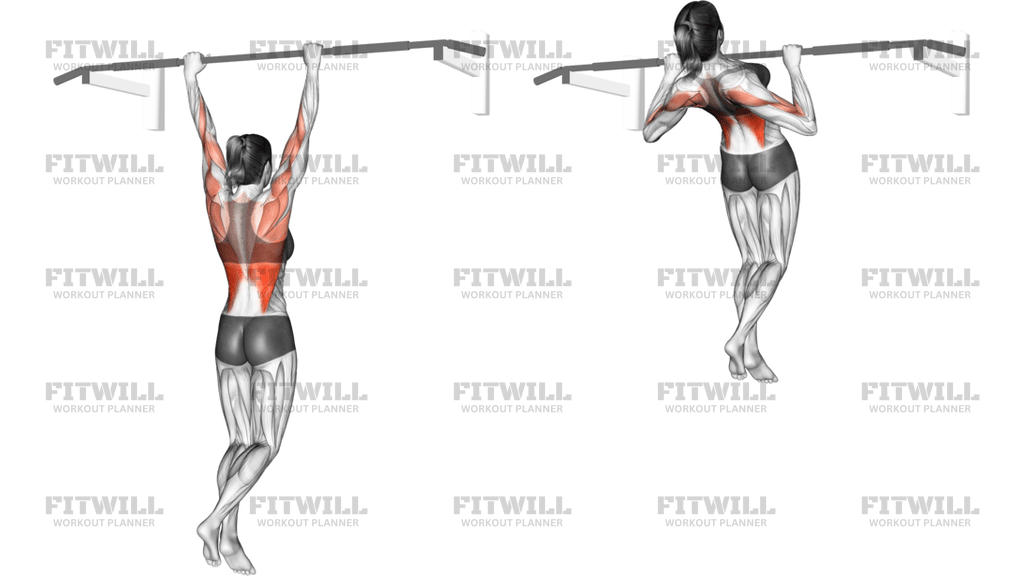
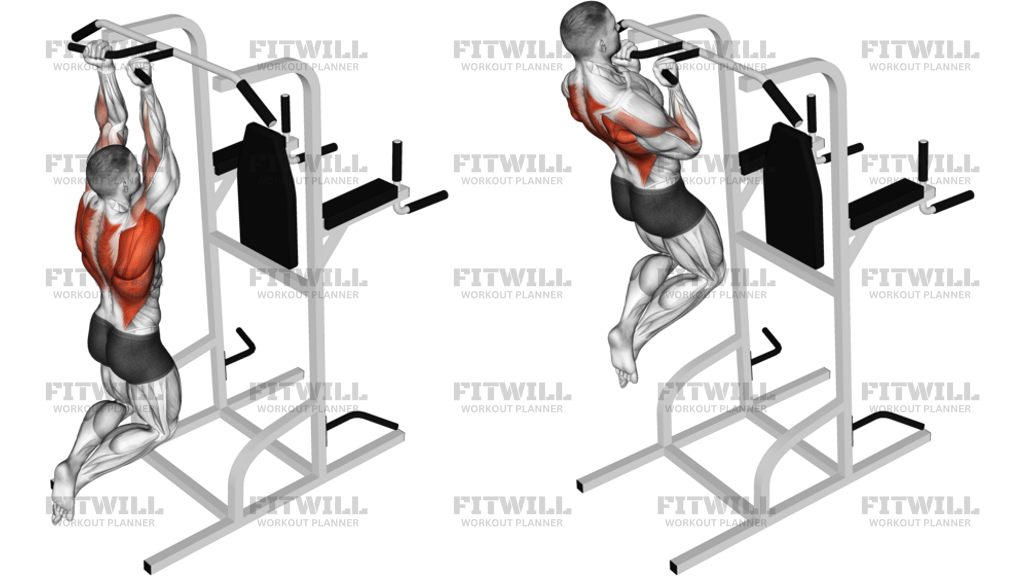
Assisted Parallel Close-Grip Pull-Up
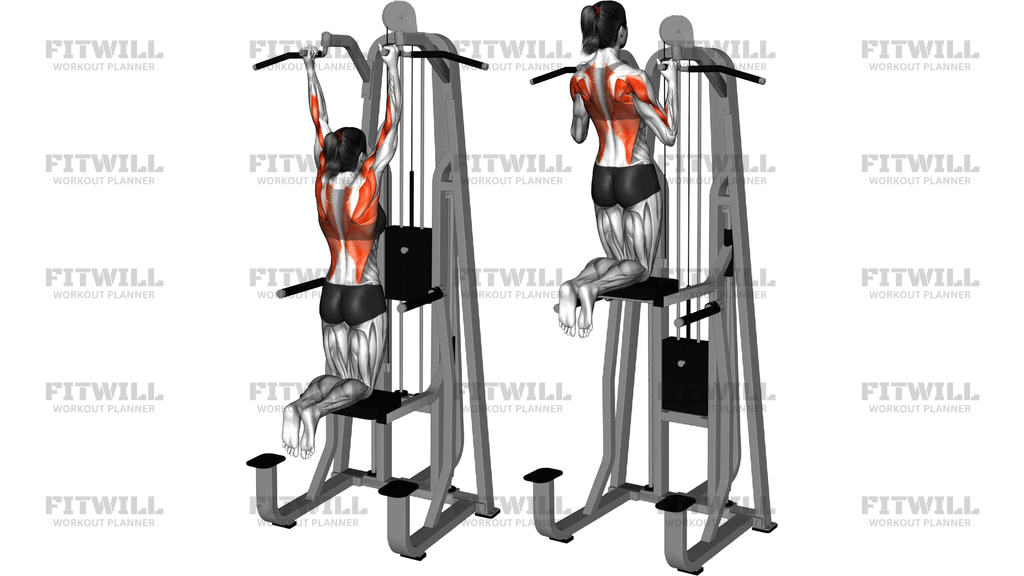
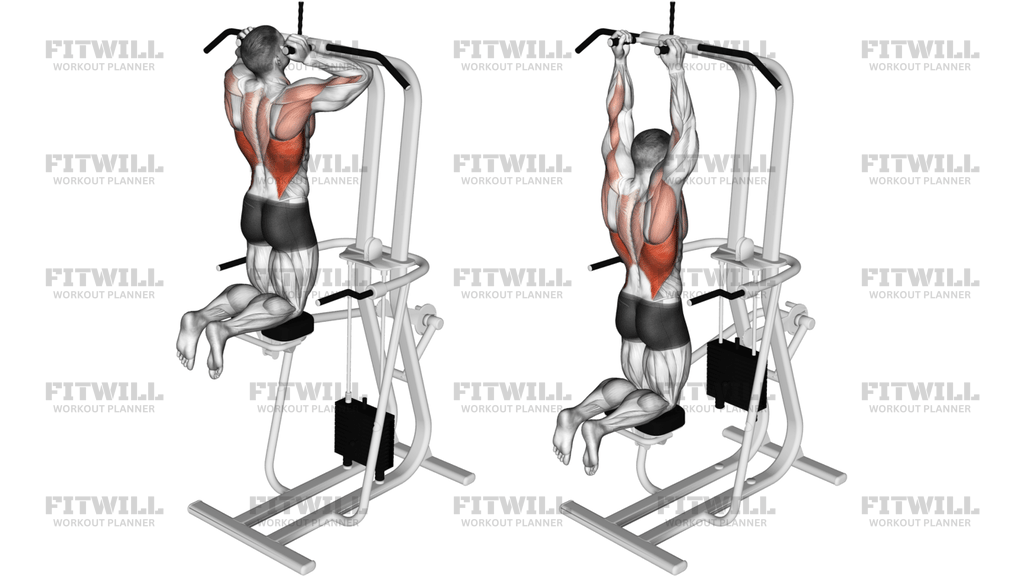
Assisted Parallel Close-Grip Pull-Up is a machine-supported pull-up variation performed with close neutral handles. The assistance pad reduces the amount of body weight you have to lift, making it easier to practice a full pulling range with smooth control. The parallel grip places the palms facing each other, which many lifters find comfortable for the shoulders and elbows.
The main target is the lats, with help from the biceps, brachialis, forearms, teres major, and upper-back muscles. Because the hands are close and neutral, the elbows usually track down near the sides of the body. A good rep starts by pulling the shoulder blades down, then driving the elbows toward the ribs rather than simply curling with the arms.
Set the machine assistance high enough that you can move without swinging or grinding. Kneel or stand on the assistance pad according to the machine design, grip the close parallel handles firmly, and begin with the arms extended while the shoulders stay active. Keep the ribs controlled and the body quiet on the pad before starting the first pull.
Pull yourself upward until the upper chest approaches the handles, then lower slowly until the arms are long again. The assistance pad should move smoothly with you; bouncing on it reduces control and makes the strength progression less reliable. Pause briefly at the bottom if needed so each rep starts from a stable hang.
Assisted Parallel Close-Grip Pull-Up works well as a progression toward bodyweight pull-ups, a back accessory movement, or a shoulder-friendly vertical pull. Reduce assistance gradually as long as your range, tempo, and elbow path stay consistent. If the reps become short or jerky, add assistance back and rebuild cleaner control.
Common mistakes include shrugging at the bottom, leaning far back, letting the elbows flare wide, or reducing assistance before the full range is ready. Keep the grip firm, the elbows close, and the lowering phase deliberate. The exercise should feel strongest along the sides of the back with the arms assisting, not dominating.
[ Workout Log & Planner ]
Put your next workout in Fitwill
Keep your plan and training log ready when you are.


Instructions
- Set the assisted pull-up machine to an assistance level you can control.
- Kneel or stand on the assistance pad according to the machine design.
- Grip the parallel handles with your palms facing each other.
- Start with your arms extended and shoulders active.
- Pull your shoulder blades down, then bend your elbows.
- Lift your body until your upper chest approaches the handles.
- Lower yourself slowly until your arms are extended again.
- Repeat without bouncing on the assistance pad.
Tips & Tricks
- Use enough assistance to keep every rep smooth.
- Keep your elbows close to your sides.
- Avoid shrugging at the bottom.
- Control the lowering phase to build strength.
- Keep your core lightly braced so your body does not swing.
- Reduce assistance only when you can complete clean reps.
- Let the assistance pad move steadily under you instead of bouncing your knees or feet off it.
- Use the neutral close handles to drive your elbows down beside your ribs rather than pulling them wide.
Frequently Asked Questions
What muscles does Assisted Parallel Close Grip Pull-Up work?
It primarily works the lats, with help from the biceps, forearms, rear shoulders, and upper back.
Is the close parallel grip easier?
Many people find it easier or more comfortable because the neutral hand position can feel natural on the shoulders.
How much assistance should I use?
Use enough assistance to move through the full range without swinging or grinding.
Can Assisted Parallel Close Grip Pull-Up help me get my first pull-up?
Yes. Gradually reducing assistance is a practical way to build toward bodyweight pull-ups.
Should I pull with my arms or back?
Your arms help, but start the rep by engaging your back and driving the elbows down.
Where should my elbows go during Assisted Parallel Close-Grip Pull-Up?
Drive your elbows down close to your sides. That path matches the neutral handles and helps you feel the lats more clearly.
Should the assistance pad bounce during the rep?
No. The pad should travel smoothly with you. If it bounces, slow down or increase assistance so you can control the full rep.
How do I progress this close-grip pull-up variation?
Reduce the machine assistance a small amount once you can reach the top and lower under control for every rep.