Barbell Incline Reverse-Grip Press
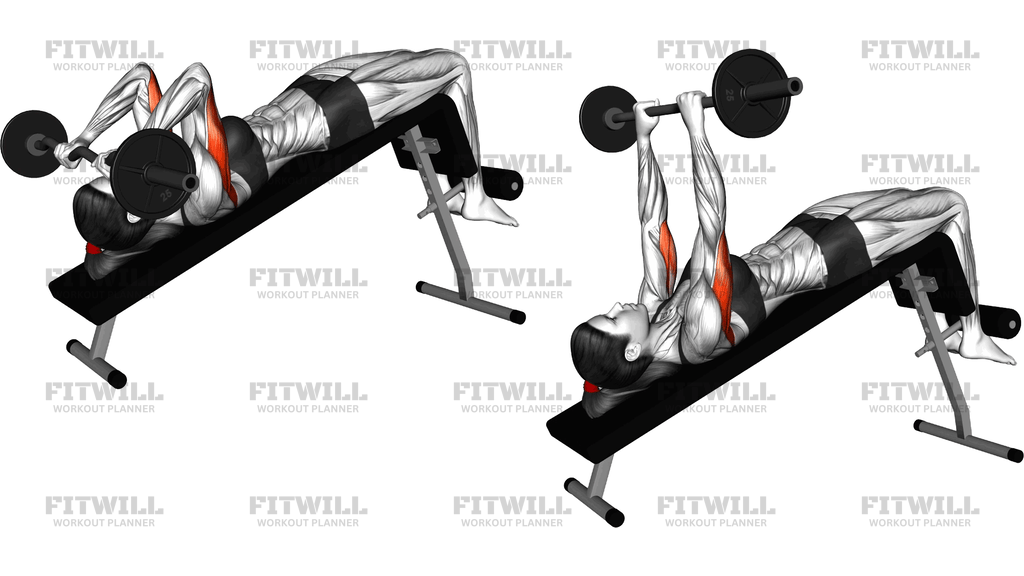
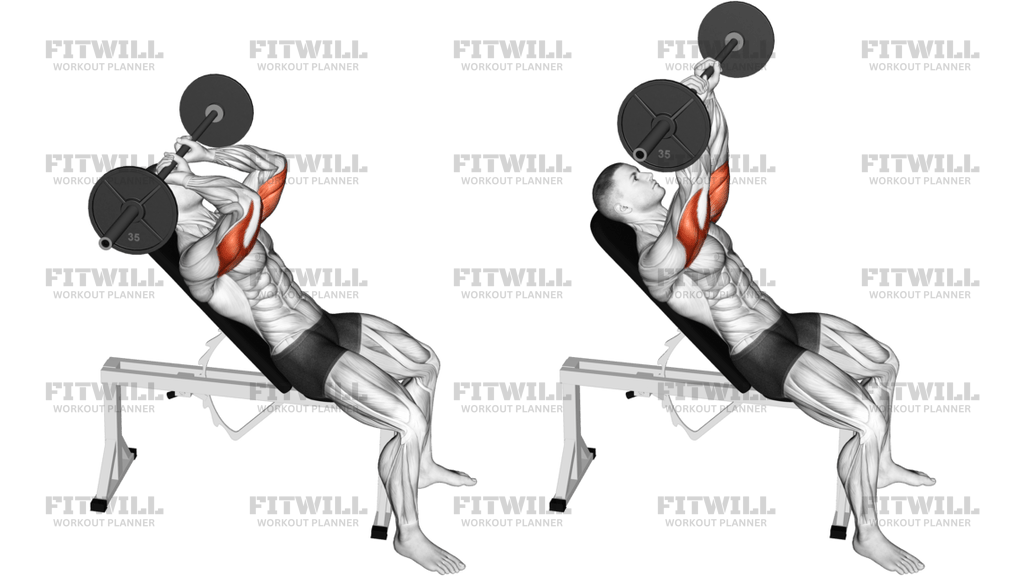
Barbell Incline Reverse-Grip Press is an exercise for arms, chest, and shoulders that uses barbell and Incline bench to build useful training quality through controlled movement. The Barbell Incline Reverse-Grip Press is an incline pressing variation performed with an underhand grip. The main goal is to perform each repetition with enough control that the target area, posture, and breathing stay consistent from the first rep to the last.
The primary emphasis is triceps, while upper chest and front shoulders assist with stability and clean execution. In anatomy terms, the main work centers on the triceps brachii, with help from Clavicular head of pectoralis major and Anterior deltoids. It strongly targets the triceps, with help from the upper chest and front shoulders.
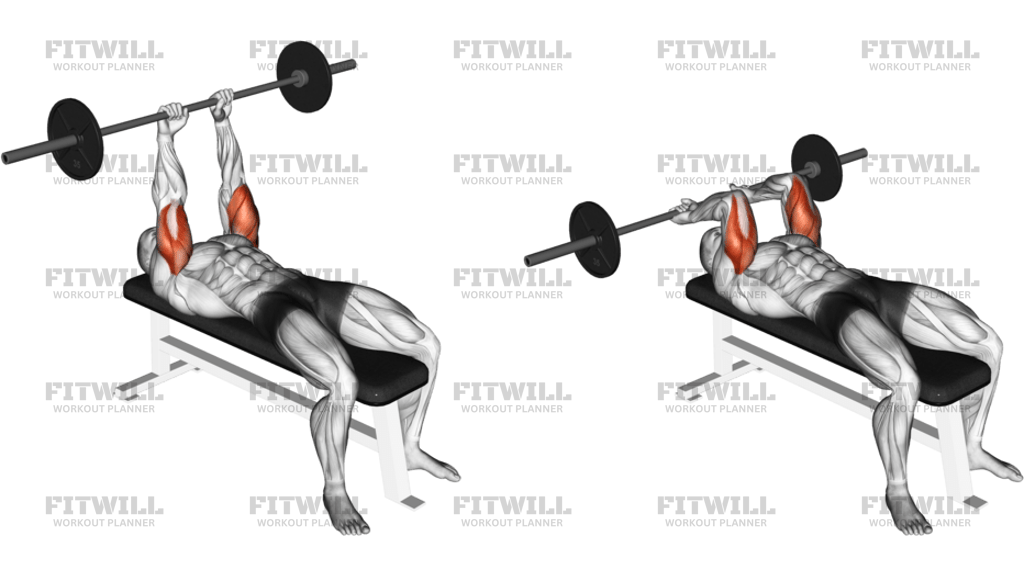
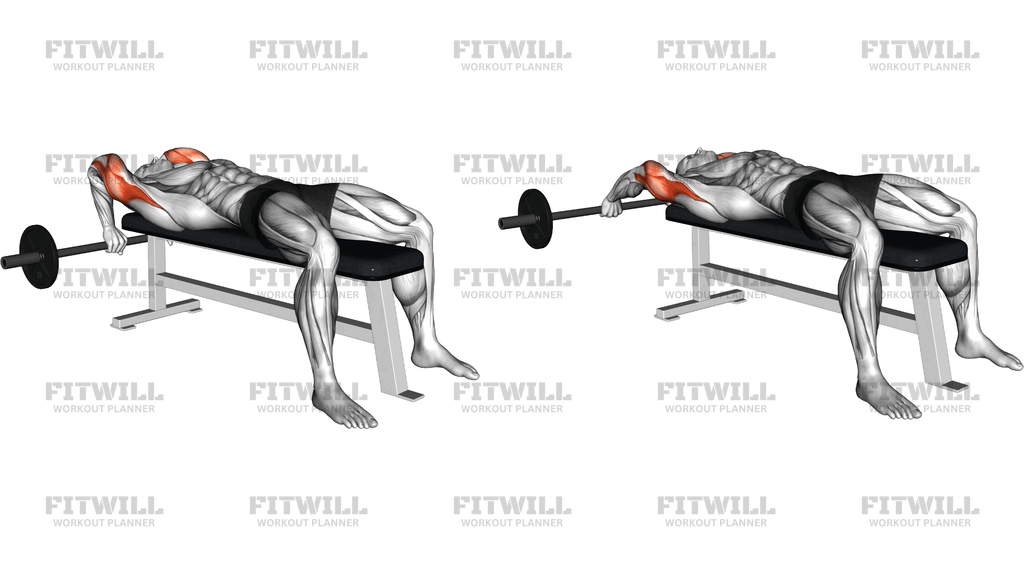
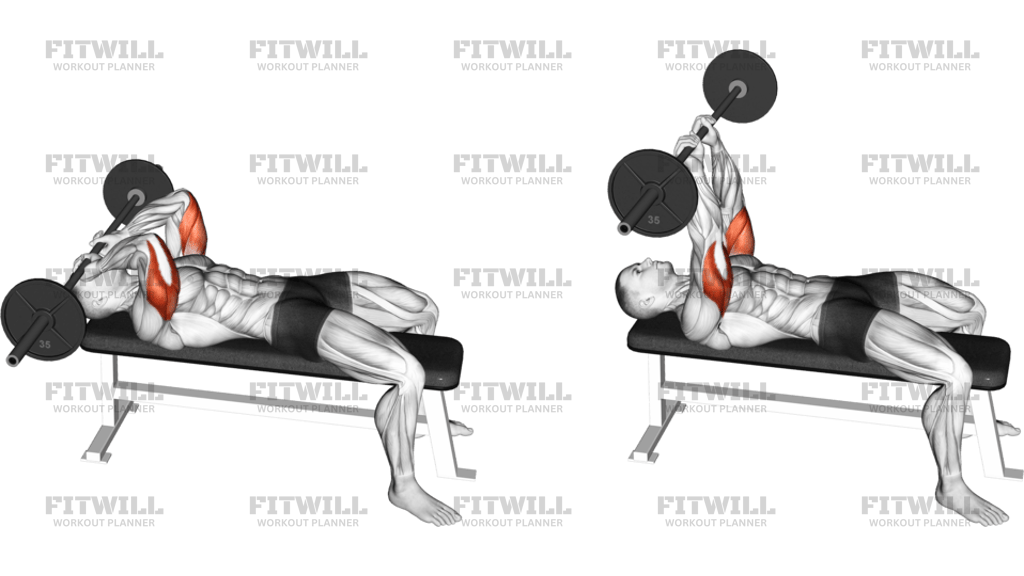
A strong set starts with the setup, because the starting position determines whether the rest of the repetition feels stable or rushed. Lie on an incline bench and take an underhand grip on the barbell with your hands about shoulder-width apart. Set your shoulder blades against the bench, plant your feet, and unrack the bar carefully. Hold the bar above your upper chest with your wrists straight and elbows slightly tucked. Keep the body organized before you move so the working muscles can guide the exercise instead of momentum taking over.
During the repetition, use the instructions as direct coaching cues rather than trying to force a bigger range than you can control. Lower the bar under control toward the upper chest. Press the bar back up until your arms are extended, keeping the grip secure and the bar steady. Press the bar back up until your arms are extended, keeping the grip secure and the bar steady.
The best training effect comes from clean, repeatable reps rather than rushing for a higher count. Use a full thumb-around grip for security. Start lighter than your standard incline press. Keep your elbows tucked and wrists stacked under the bar. Use a spotter or safety setup when learning the movement.
Use Barbell Incline Reverse-Grip Press in the part of the workout where focused technique and controlled tension fit your goal, such as a warmup, accessory block, core session, or targeted strength circuit. Progress by improving control, adding repetitions, slowing the tempo, or increasing resistance only when the current version feels smooth. It can be safe when done with a secure grip, controlled weight, and stable wrist position. The underhand grip changes the elbow path and can increase triceps involvement while offering a different upper-chest pressing angle.
[ Workout Log & Planner ]
Put your next workout in Fitwill
Keep your plan and training log ready when you are.


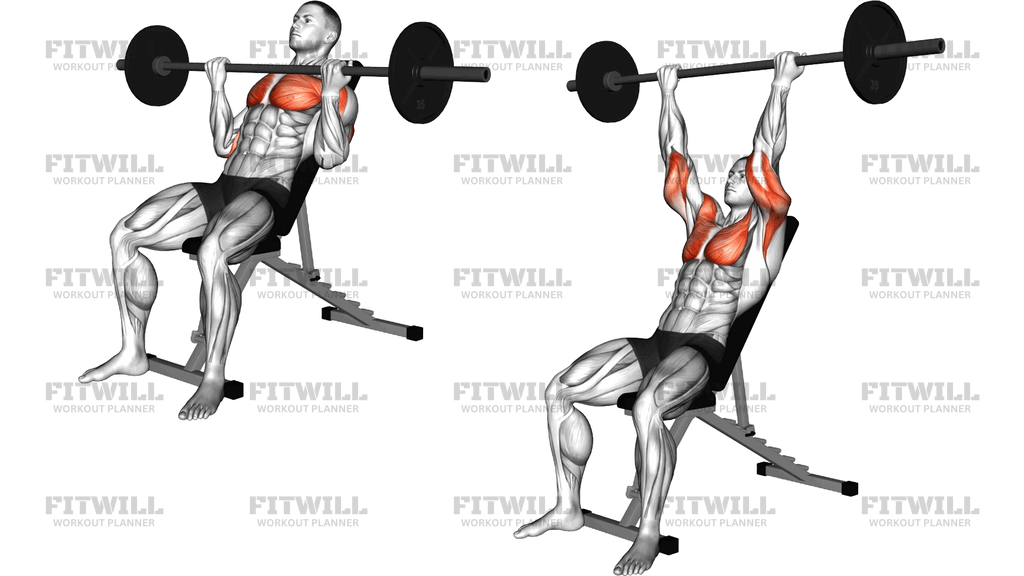
Instructions
- Lie on an incline bench and take an underhand grip on the barbell with your hands about shoulder-width apart.
- Set your shoulder blades against the bench, plant your feet, and unrack the bar carefully.
- Hold the bar above your upper chest with your wrists straight and elbows slightly tucked.
- Lower the bar under control toward the upper chest.
- Keep your palms facing back and your thumbs wrapped around the bar for security.
- Pause briefly near the upper chest without letting the wrists bend backward.
- Press the bar back up until your arms are extended, keeping the grip secure and the bar steady.
- Rack the bar with help from a spotter or safeties if the reverse grip feels unstable.
Tips & Tricks
- Use a full thumb-around grip for security.
- Start lighter than your standard incline press.
- Keep your elbows tucked and wrists stacked under the bar.
- Use a spotter or safety setup when learning the movement.
- Do not use a false grip; the reverse-grip bar path needs a secure hold.
- Keep the touch point consistent on the upper chest instead of letting the bar drift toward your face.
- Stop the set if your wrists cannot stay straight under the bar.
Frequently Asked Questions
What muscles does the Barbell Incline Reverse-Grip Press work?
It strongly targets the triceps, with help from the upper chest and front shoulders.
Is the Barbell Incline Reverse-Grip Press safe?
It can be safe when done with a secure grip, controlled weight, and stable wrist position. A spotter or safeties are recommended.
Why use an underhand grip?
The underhand grip changes the elbow path and can increase triceps involvement while offering a different upper-chest pressing angle.
Do I need a spotter for Barbell Incline Reverse-Grip Press?
A spotter or safety arms are strongly recommended because the underhand grip can make unracking and reracking less secure.
Where should the bar lower in this reverse-grip press?
Lower toward the upper chest with the elbows tucked and wrists straight. Do not let the bar drift toward your neck or face.
How heavy should I go on Barbell Incline Reverse-Grip Press?
Use a lighter load than your normal incline press until the grip, wrist position, and bar path feel steady.
What should I do if my wrists hurt?
Stop and reduce the load or switch to dumbbells, cables, or a standard grip. The reverse grip should not force wrist pain.