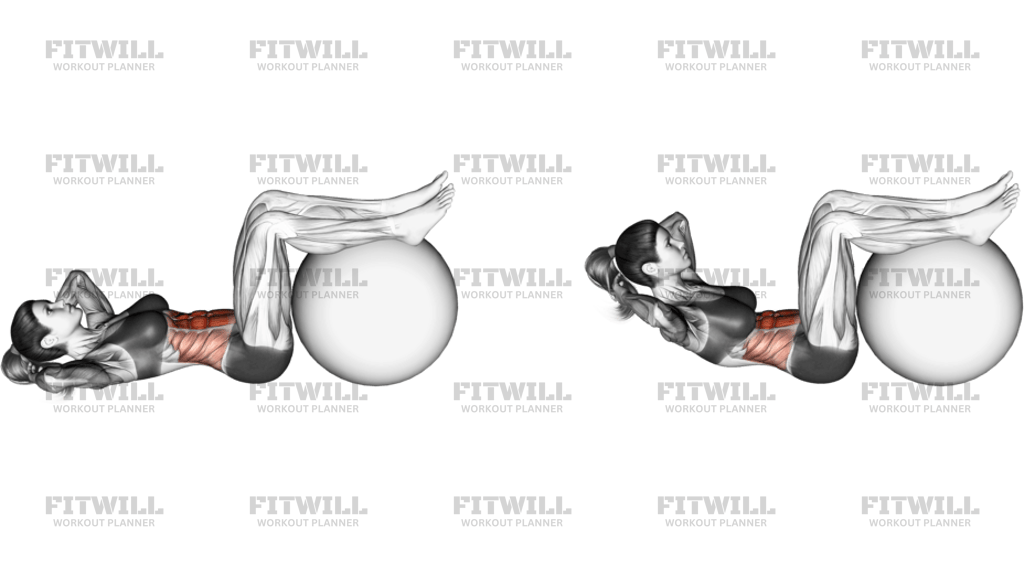
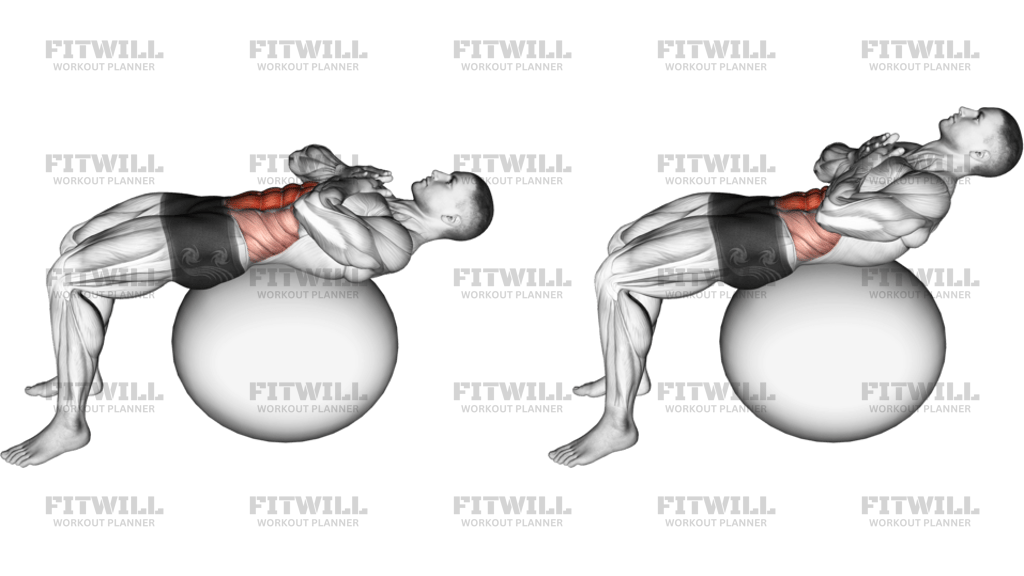
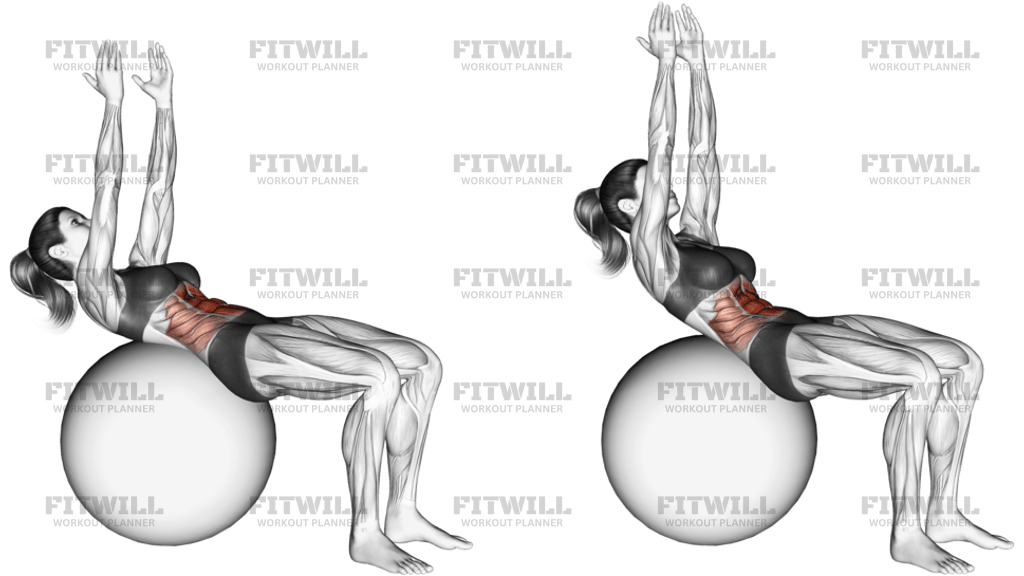
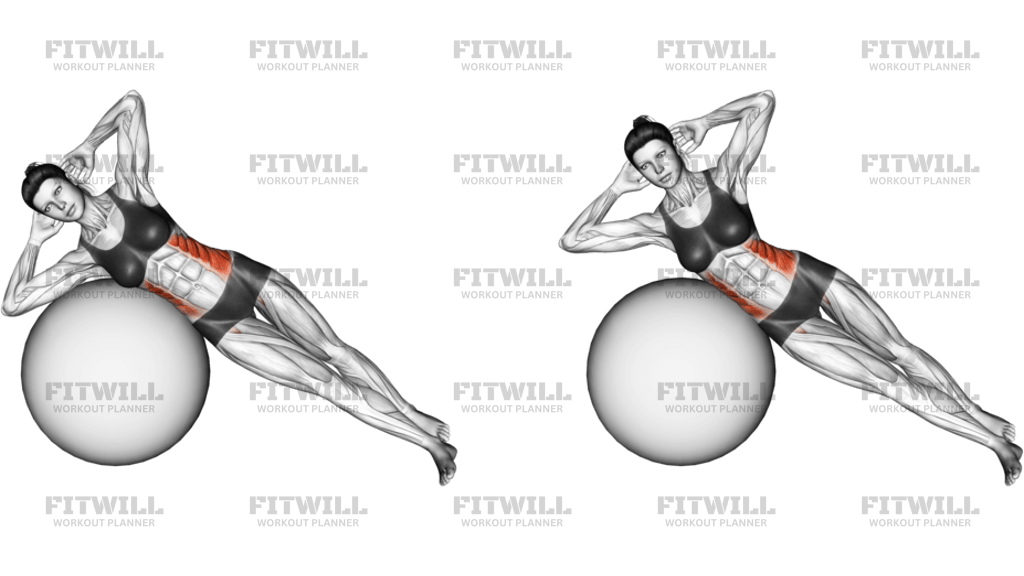
Bent-Knee Lying Twist On Stability Ball
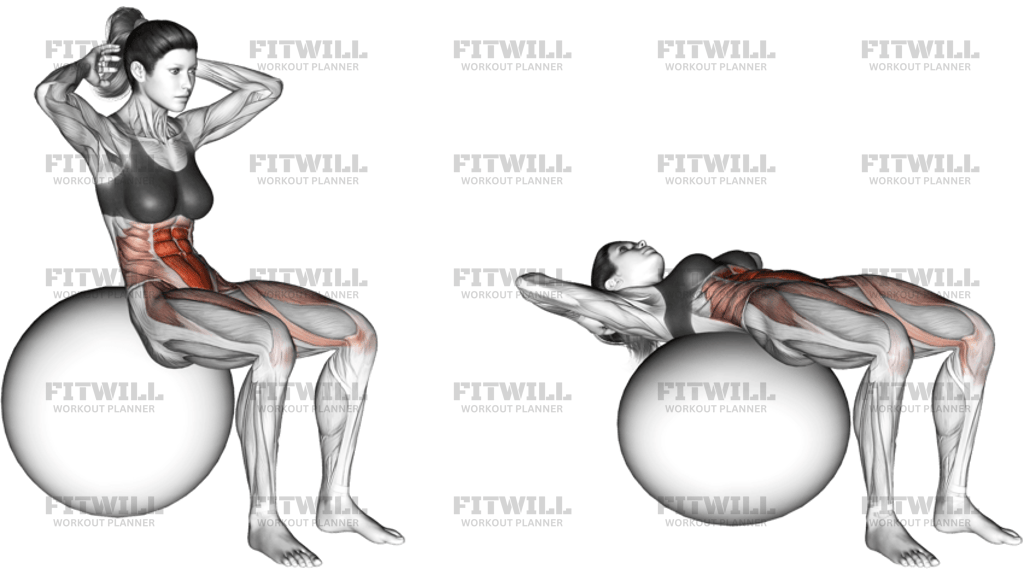
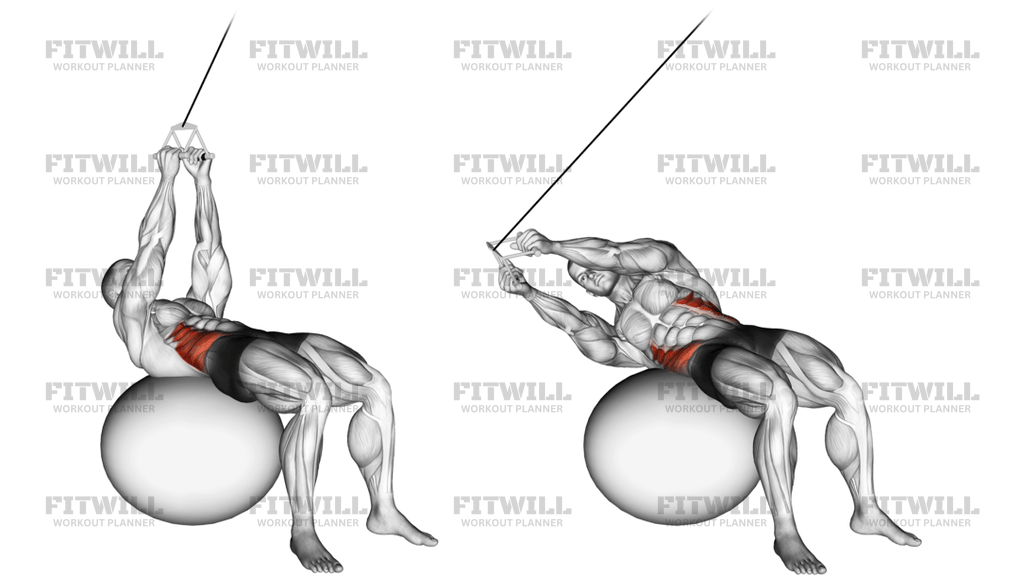
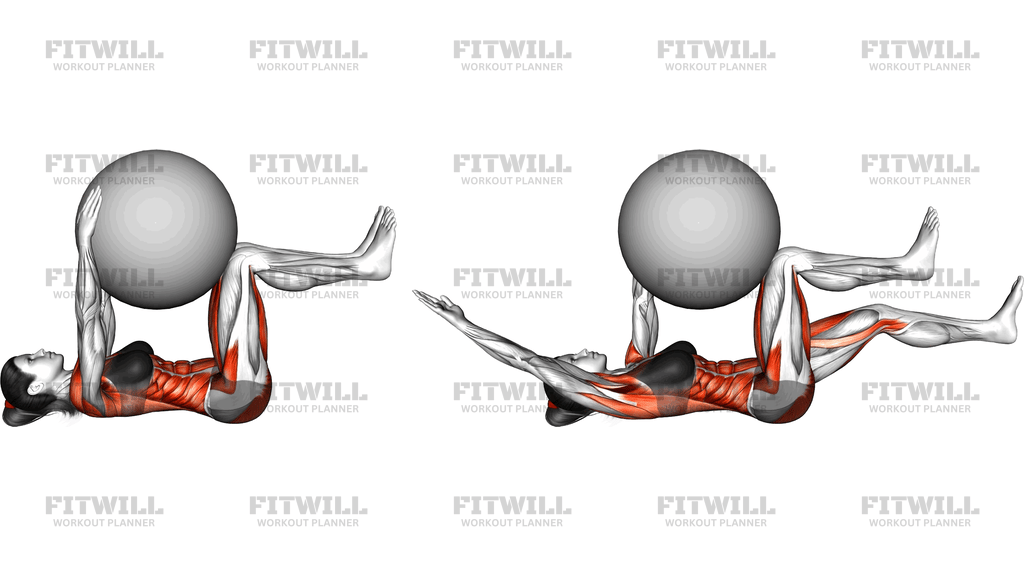
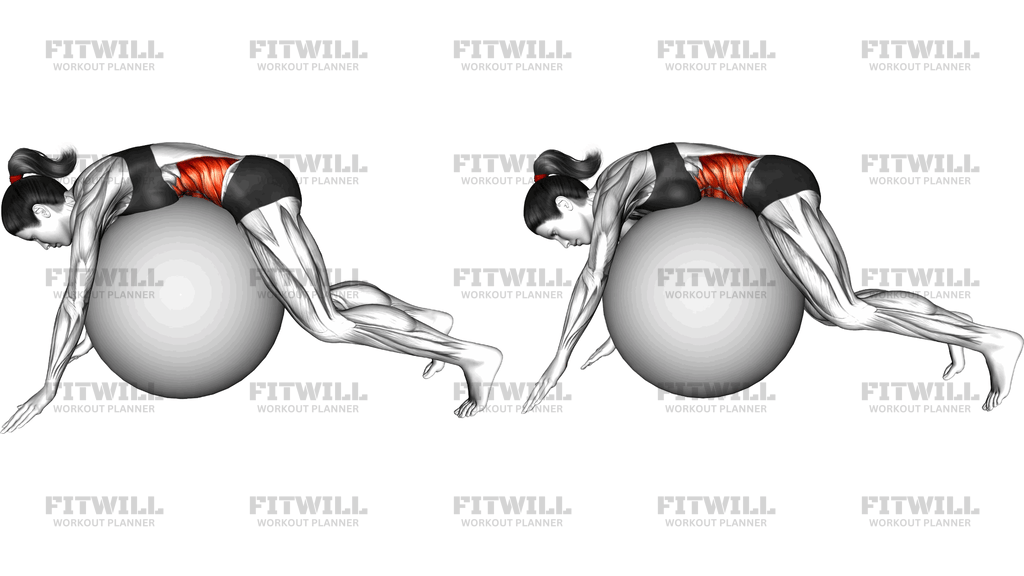
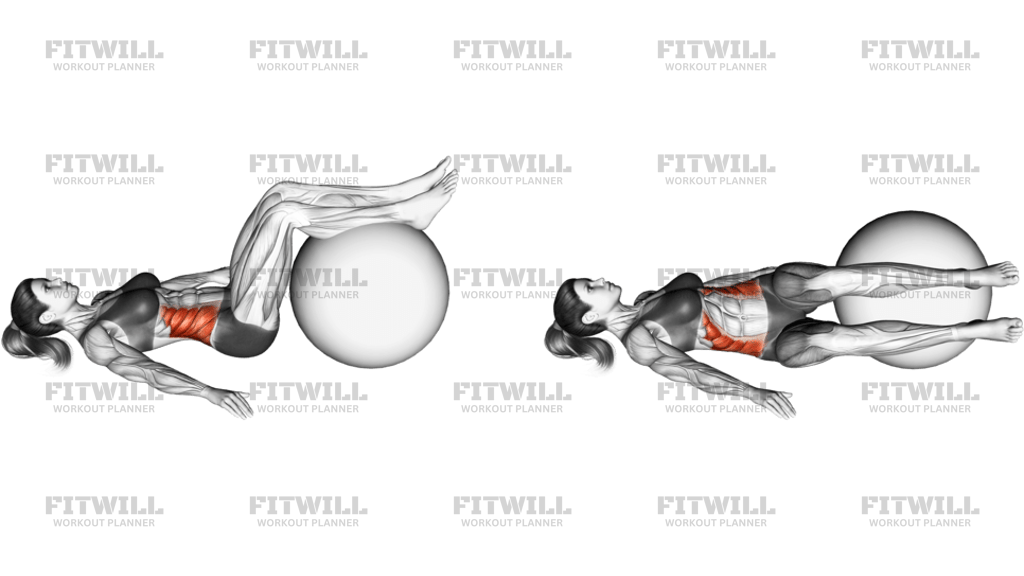
The Bent-Knee Lying Twist On Stability Ball is a rotational core exercise performed with the back supported by a stability ball and the knees bent. The ball adds an unstable base, so the obliques, abs, hip flexors, and lower back must coordinate to control the lower-body rotation.
Unlike a floor twist, the stability ball can roll if the torso or hips move too quickly. The exercise should be slow and deliberate, with the knees rotating side to side only as far as you can keep the upper body supported. The goal is controlled oblique tension, not maximum range.
Set up by lying back on the ball with the upper back supported, feet or legs positioned securely, and the core braced. Rotate the bent knees to one side while keeping the shoulders controlled, pause before balance is lost, then return through center and rotate the other way. Keep the ball steady under you.
Use this drill as a core accessory or rotational-control exercise when you want a more challenging version of a bent-knee lying twist. Start with a small range and slow breathing. If the ball shifts under you or your lower back strains, reduce the range or return to the floor version.
[ Workout Log & Planner ]
Put your next workout in Fitwill
Keep your plan and training log ready when you are.


Instructions
- Lie back on a stability ball with your upper back supported and your knees bent.
- Position your feet or legs securely so the ball does not roll before you begin.
- Brace your core and keep your shoulders controlled on the ball.
- Slowly rotate your bent knees toward one side.
- Stop before your upper body loses contact or the ball shifts out from under you.
- Use your obliques to bring the knees back to center.
- Rotate to the opposite side with the same slow range.
- Continue alternating sides while breathing steadily.
Tips & Tricks
- Start with small twists until you trust the ball position.
- Keep the motion smooth so the stability ball does not roll suddenly.
- Let the obliques control the knees rather than dropping the legs with gravity.
- Keep the neck relaxed and avoid lifting the head to force the twist.
- Reduce range if the lower back arches or strains.
- Press through your feet as needed to keep the ball anchored.
- Exhale as the knees return toward center to reinforce the brace.
- Switch to the floor version if balance becomes the main challenge.
Frequently Asked Questions
What muscles does this twist work?
It mainly works the obliques, with support from the abs, hip flexors, and lower back.
Why use a stability ball?
The ball adds support and instability, which increases the core control needed.
Should I twist as far as possible?
No. Use a range you can control without losing balance or straining your lower back.
Where should my upper back be?
Keep it supported on the stability ball so the torso can stay controlled while the knees rotate.
What if the ball rolls?
Shorten the range, slow down, and secure your foot position. Use the floor version if it still moves too much.
Is this harder than the floor twist?
Yes. The stability ball adds an instability challenge that requires more control.
Should my lower back hurt?
No. Reduce the range and keep the brace active if you feel strain in the lower back.
Can beginners do this exercise?
Beginners should learn the floor bent-knee twist first, then use the ball with a small range.