Cable Reverse Wrist Curl
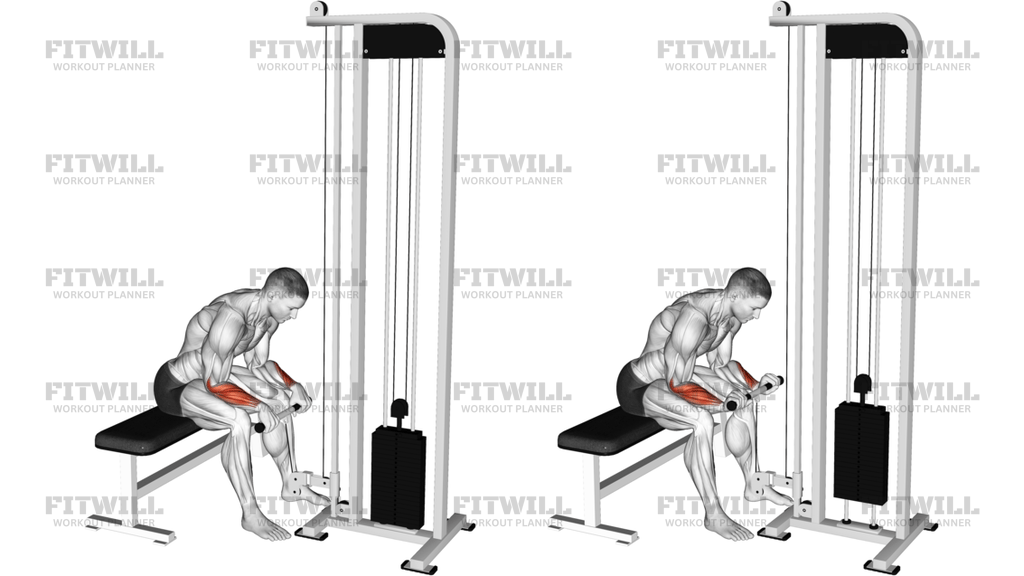
Cable Reverse Wrist Curl is a forearm isolation exercise that trains wrist extension against cable resistance. The cable keeps tension on the forearm throughout the motion, which makes it a useful way to build wrist extensor strength without needing a heavy load or a complicated setup.
The main target is the wrist extensor group in the forearm, with the brachioradialis, biceps, and brachialis helping stabilize the position. It works best when the elbows stay close to the sides and only the wrists move. That makes Cable Reverse Wrist Curl a practical choice for forearm development, elbow-support work, and controlled accessory training after bigger lifts.
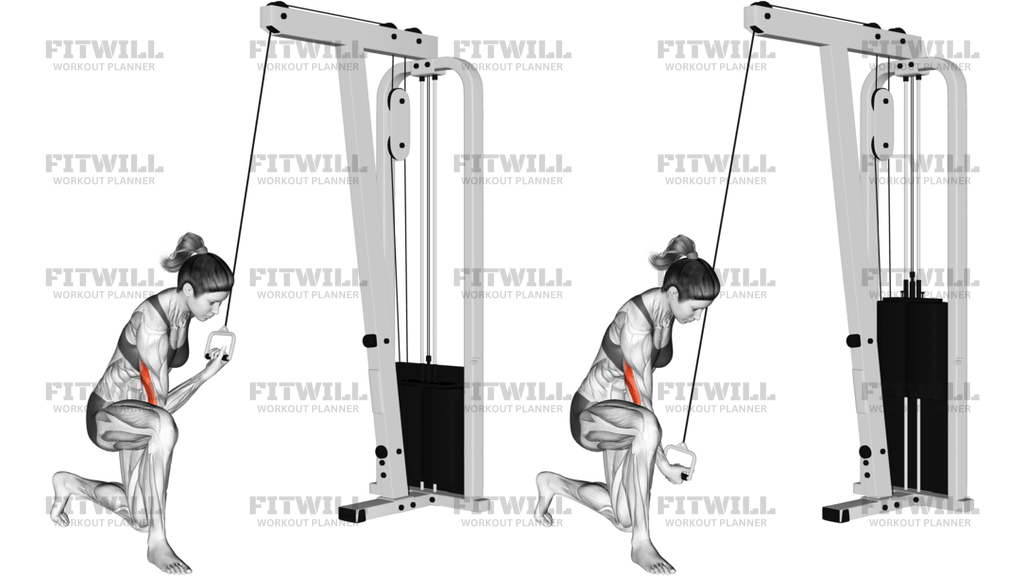
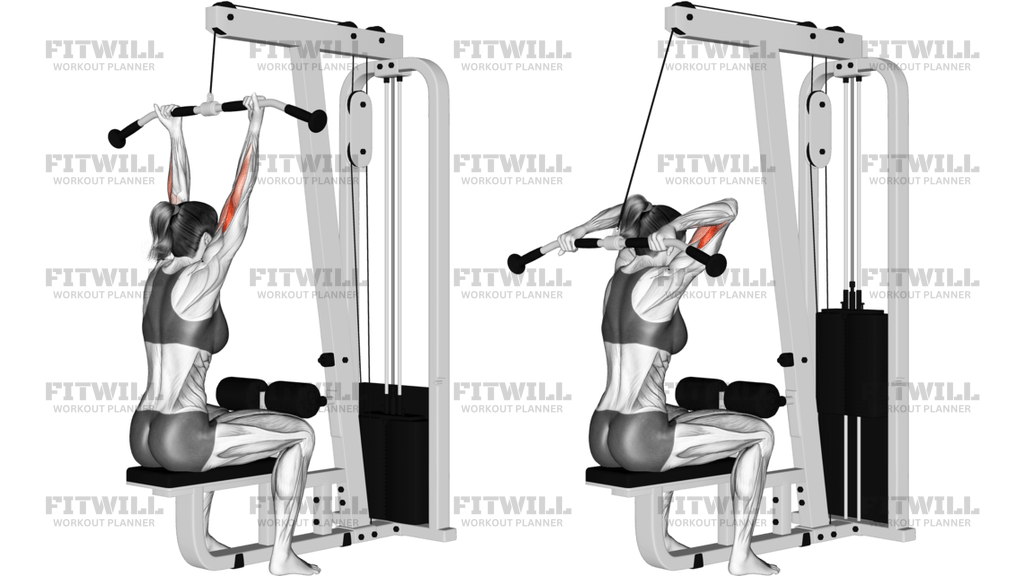
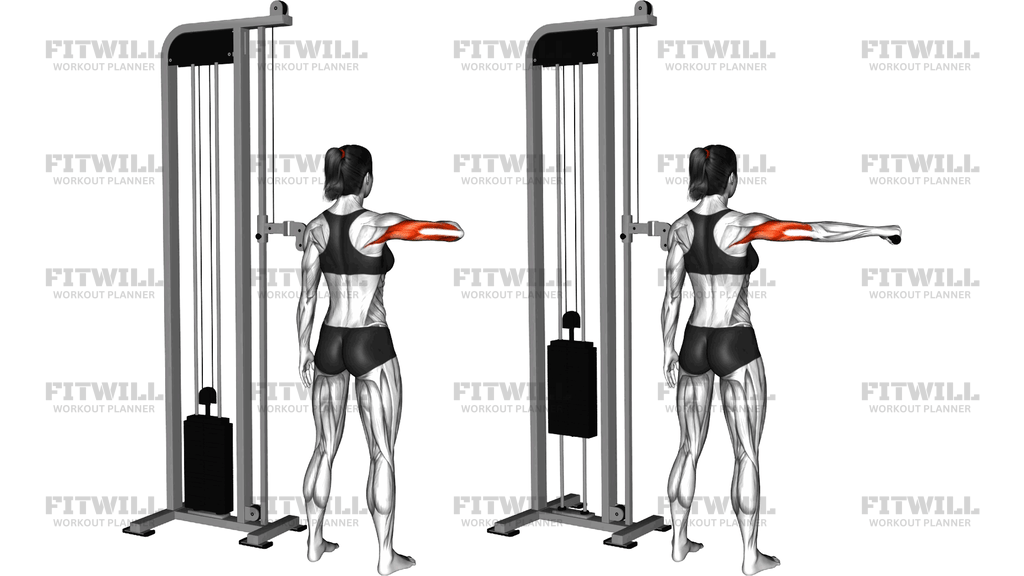
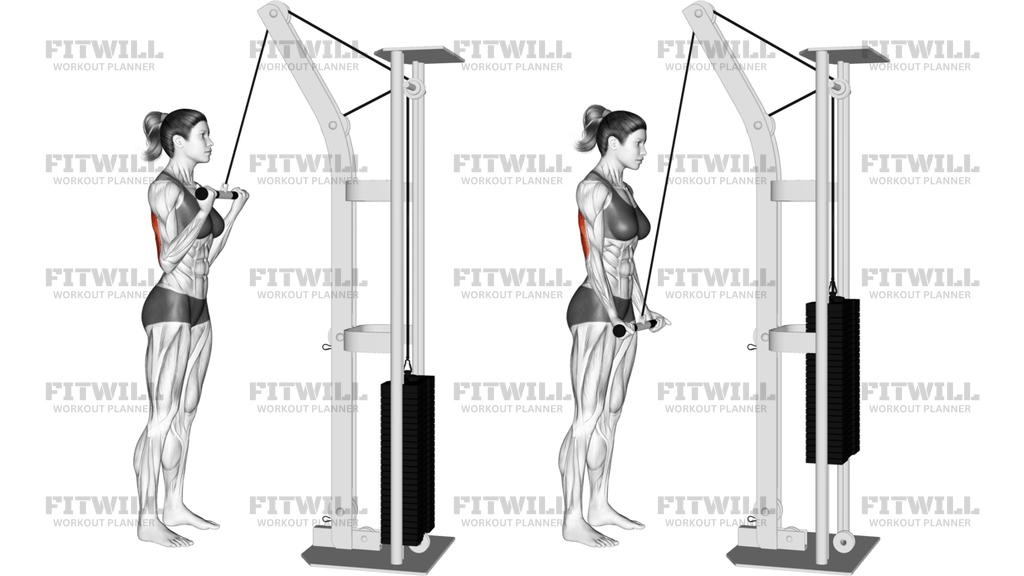
Set a low pulley with a straight bar and take an overhand grip while standing tall. Keep the elbows pinned near your sides and start with the wrists slightly flexed so the cable has room to load the extension. Lift the bar by extending the wrists, pause briefly near the top, and lower slowly back to the start without letting the torso sway or the elbows turn it into a curl.
Cable Reverse Wrist Curl works well as a light accessory when you want to strengthen the forearms, support grip work, or balance out the flexor-heavy training that many lifters already do. It is also one of the easier cable forearm exercises to keep strict because the motion is small and easy to monitor. Good reps are quiet, deliberate, and isolated, with the bar moving because the wrists are working and not because the arms or torso are helping.
If the wrists feel irritated, reduce the load and shorten the range slightly. The goal is a controlled wrist-extension pattern that stays clean from the first rep to the last.
[ Workout Log & Planner ]
Put your next workout in Fitwill
Keep your plan and training log ready when you are.


Instructions
- Set a low cable with a straight bar and take an overhand grip while standing tall.
- Keep your elbows close to your sides and your torso quiet before you start.
- Begin with the wrists slightly flexed so the cable can load the extension path.
- Extend the wrists to lift the bar slightly without moving the elbows.
- Pause briefly at the top when the forearms are fully engaged.
- Lower the wrists slowly back to the start while keeping the arms still.
- Keep the motion small and controlled instead of chasing a bigger range.
- Repeat for the planned reps, then let the bar settle before setting it down.
Tips & Tricks
- Use lighter weight than standard curls because this movement is about wrist control, not brute force.
- Keep the elbows locked in place; once they start moving, the set stops being a wrist curl.
- A smaller range with clean wrist motion is better than a big sweep that feels sloppy.
- Avoid torso sway so the forearms stay in charge of the rep.
- The lowering phase is where the wrist extensors stay loaded the longest, so keep it slow.
- If the wrists feel pinchy, shorten the range and reduce the load before the set gets irritated.
- Keep the wrists comfortable at setup and do not force a position that already feels strained.
- This exercise is most useful when every rep looks almost identical.
Frequently Asked Questions
What muscles does Cable Reverse Wrist Curl work?
It mainly works the wrist extensor muscles of the forearm.
Should Cable Reverse Wrist Curl be heavy?
Usually no, lighter loads with strict control work best.
Can beginners do Cable Reverse Wrist Curl?
Yes, it is beginner friendly when the resistance stays low.
Should my elbows move in Cable Reverse Wrist Curl?
Keep the elbows mostly fixed so the wrists stay isolated.
Why use a cable for reverse wrist curls?
Cable tension stays more constant through the range than many free-weight setups do.
What rep range works well for Cable Reverse Wrist Curl?
Moderate to high reps are typical because it is a small, strict forearm isolation exercise.
What is the most common mistake in Cable Reverse Wrist Curl?
Turning it into an elbow curl instead of a wrist movement.