Frog Squat
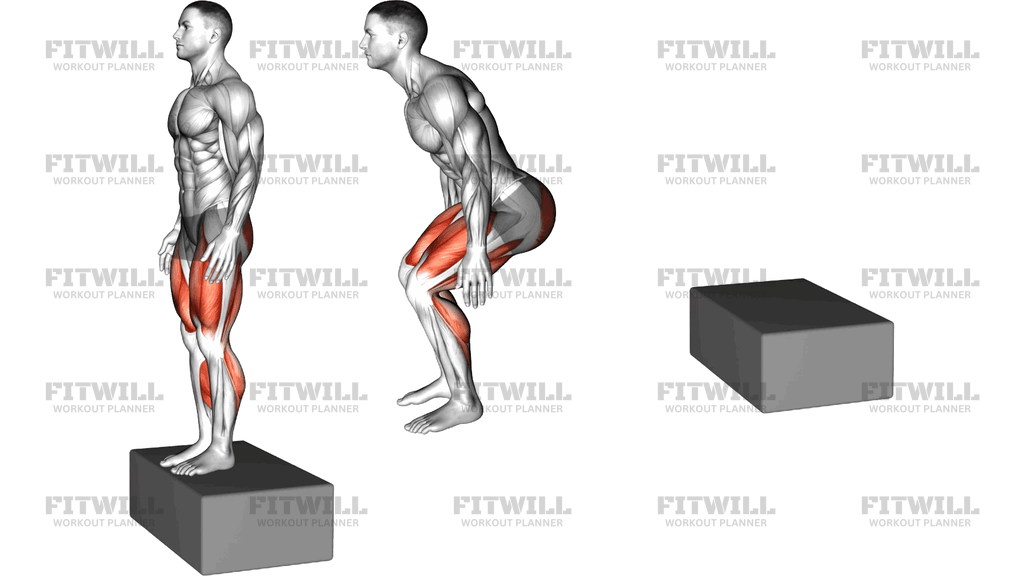
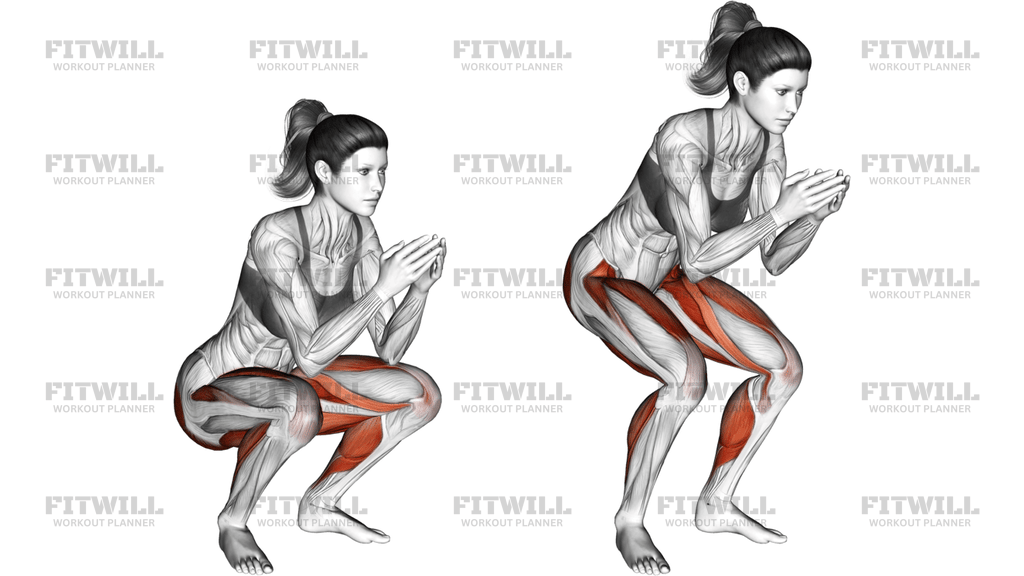
Frog Squat is a bodyweight squat variation built around a wide, turned-out stance and a deep hip-and-knee bend. It places most of the work on the quads while also loading the glutes, adductors, calves, and trunk as you stay balanced with the heels down and the chest lifted. Because the stance is unusual compared with a standard squat, the setup matters as much as the depth.
The movement is useful when you want a lower-body drill that feels more like a mobility-strength hybrid than a conventional barbell squat. The wide foot position and external rotation ask the hips to open while the knees track outward, which makes the exercise a good choice for warm-ups, conditioning circuits, bodyweight leg sessions, or as a regression before loaded squat work.
To perform Frog Squat well, sit the hips down between the heels instead of folding forward at the waist. Keep the feet planted, press the knees out in line with the toes, and let the arms counterbalance in front of the chest so you can stay upright. The lower you go, the more the adductors and glutes help stabilize the bottom position, but the descent still needs to be controlled enough that the knees and ankles do not cave inward.
In practice, the exercise should look compact, grounded, and rhythmic rather than sloppy or rushed. A smooth rise from the bottom, a controlled return into the squat, and steady breathing will make the set more useful for conditioning and joint control. If the stance forces your heels to lift or your lower back to round sharply, reduce the depth or narrow the stance slightly before continuing.
Frog Squat is most effective when the rep quality stays high for the full set. It can be used for higher-rep leg burn, short timed intervals, or as a preparatory drill before more demanding squat patterns. The goal is not to chase load; it is to build strong knee tracking, stable hips, and consistent control in a deep bodyweight squat position.
[ Workout Log & Planner ]
Put your next workout in Fitwill
Keep your plan and training log ready when you are.


Instructions
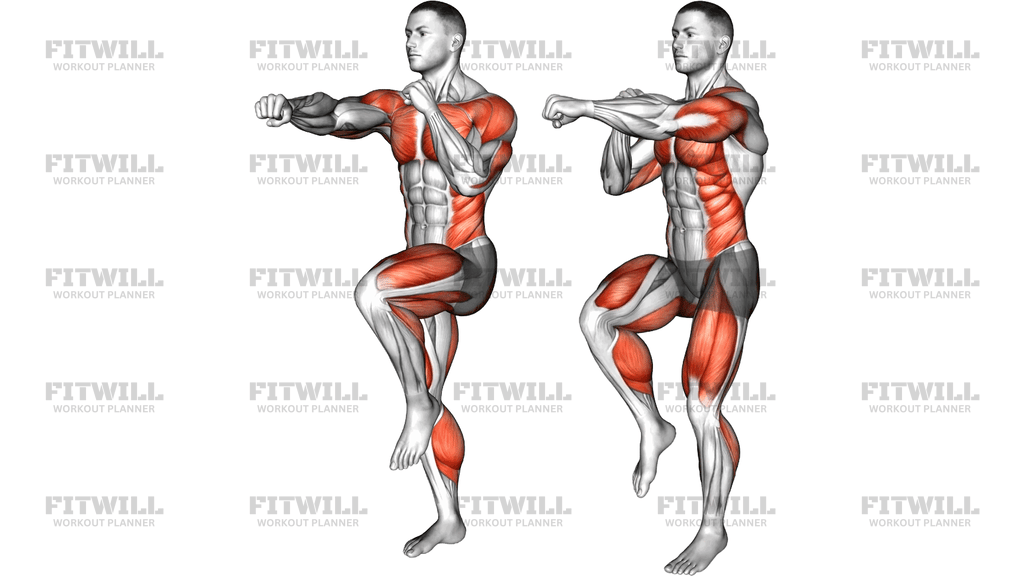
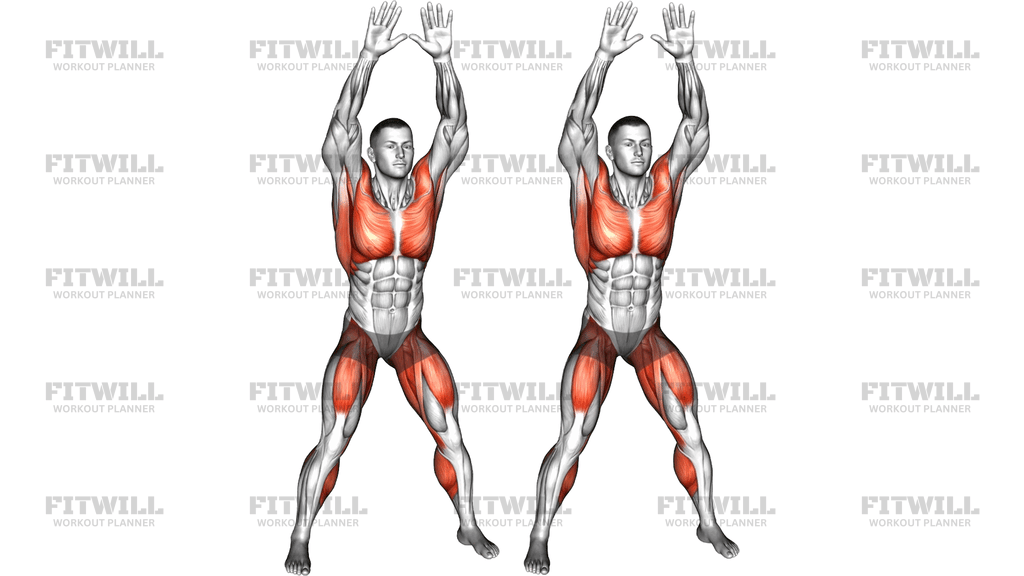
- Stand with your feet wider than shoulder-width, turn your toes out, and keep your heels flat on the floor.
- Bring your hands together in front of your chest and lengthen through the spine before you descend.
- Sit your hips down between your heels, letting your knees travel outward in line with your toes.
- Keep your chest lifted and your weight spread across the whole foot as you reach the bottom of the squat.
- Pause briefly in the deep squat if needed, then drive through both feet to stand back up.
- Keep your knees tracking out as you rise so they do not collapse inward.
- Use a smooth, controlled tempo rather than bouncing out of the bottom position.
- Exhale as you stand, inhale as you descend, and keep the breathing steady for every rep.
- Reset your stance before the next rep if your heels lift, your knees cave, or your torso folds forward.
Tips & Tricks
- Turn the toes out enough that the knees can open naturally; forcing a narrow toe angle usually makes the bottom position feel cramped.
- If your heels lift, shorten the depth and sit only as low as you can keep both feet heavy.
- Think about pushing the knees apart on the way down and on the way up; the movement should feel like a wide hip squat, not a forward fold.
- Keep the elbows hovering inside the knees only if that helps your balance, not by forcing the torso to collapse.
- A slow 2-3 second descent makes the quads work harder and keeps the bottom position cleaner.
- Do not let the arches cave inward when you settle into the squat; keep pressure through the big toe, little toe, and heel.
- Use a smaller stance if the hips pinch at the bottom or if the pelvis tucks sharply under you.
- For conditioning sets, stop the set when your knees start drifting inward or your torso starts wobbling side to side.
Frequently Asked Questions
What muscles does Frog Squat work?
Frog Squat mainly works the quads, glutes, adductors, and calves, with the trunk helping you stay upright in the deep squat. The turned-out stance also makes hip control a bigger part of the exercise than in a standard squat.
How wide should my feet be in Frog Squat?
Start a little wider than shoulder-width and turn the toes out enough that your knees can open without forcing the ankles. If the stance feels too extreme or the heels start lifting, narrow it slightly.
Should my heels stay on the floor in Frog Squat?
Yes, the heels should stay grounded for most reps. If they lift as you sink lower, reduce the depth or adjust the stance so you can keep full-foot contact.
Is Frog Squat supposed to be deep?
It is usually performed as a deep bodyweight squat, but only go as low as you can while keeping the knees open and the torso controlled. Depth is useful only if you can keep the position stable.
What is the biggest mistake in Frog Squat?
Letting the knees cave inward or collapsing forward from the hips is the most common problem. The squat should stay wide, upright, and evenly balanced through both feet.
Can Frog Squat be used as a warm-up?
Yes. It works well before lower-body training because it opens the hips, rehearses knee tracking, and warms up the quads and glutes without external load.
What should I do if my lower back rounds in Frog Squat?
Stop just above the point where the pelvis tucks under and the low back rounds. A slightly higher squat and a more upright chest usually fix the position.
How can I make Frog Squat more challenging?
Use slower descents, longer pauses at the bottom, higher reps, or short timed sets before adding any load. The exercise should stay crisp and balanced before you make it harder.