Kneeling Hip Flexor
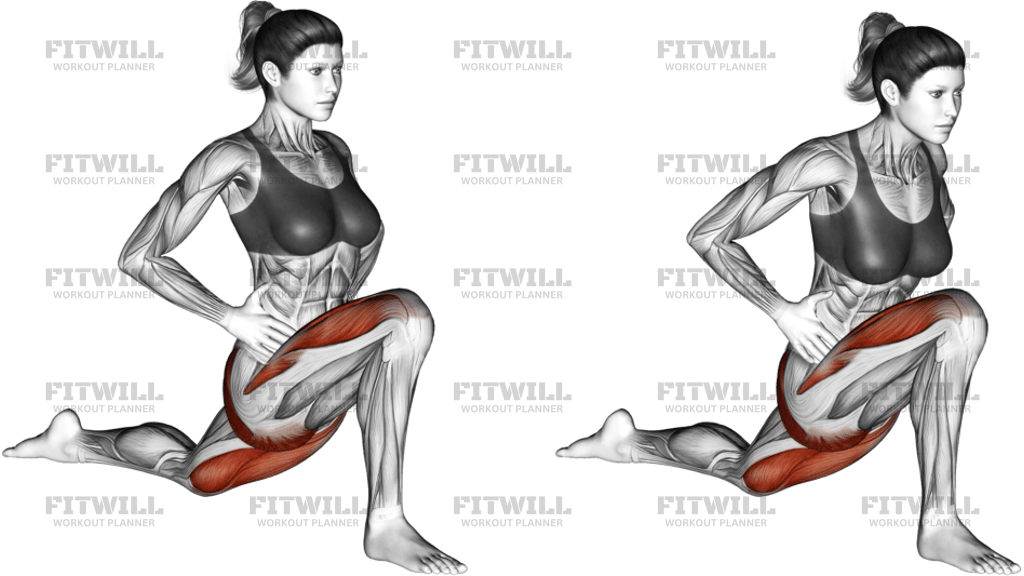
Kneeling Hip Flexor is a half-kneeling mobility drill for opening the front of the hip and upper thigh on the kneeling side. It looks simple, but the position only works when the pelvis stays tucked and the torso stays tall. That makes it useful before squats, lunges, sprinting, or any session where sitting has made the hips feel tight.
Most people feel the lengthening through the hip flexors and rectus femoris of the trailing leg, with the glute and core of that same side helping keep the pelvis from spilling forward. If you arch the lower back to chase a bigger stretch, the position changes from a hip opener into lumbar extension. The goal is a clean line of tension in front of the hip, not a dramatic lean.
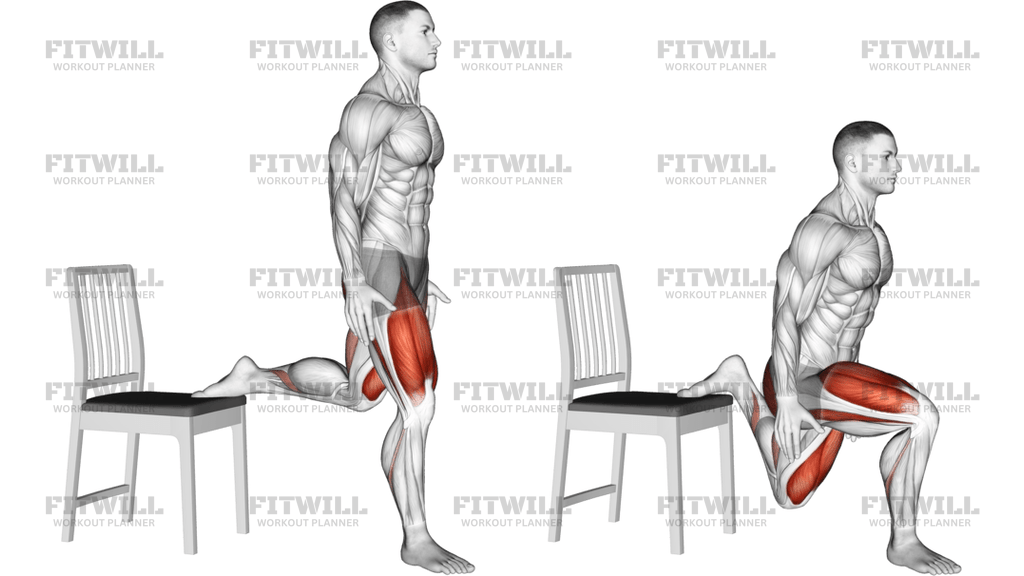
Set the rear knee on a pad, place the front foot flat in front of you, and keep the front shin close to vertical. Square both hips toward the front and stack the ribs over the pelvis before you move. A light posterior pelvic tilt and a squeeze from the kneeling-side glute usually create the stretch without needing a big forward step.
From that stacked position, glide the hips forward only a few inches until the front of the kneeling hip and thigh lengthen. Breathe out slowly and let the exhale help you settle deeper without letting the chest flare or the low back pinch. Hold the position quietly, then ease back under control and reset before switching sides.
Kneeling Hip Flexor works well as a warm-up drill, between lower-body sets, or in a cooldown when the hips feel locked up from long periods of sitting. It should feel steady and specific, not painful or compressed, so back off if the knee, groin, or low back complains. A smaller stance and a taller torso are usually better than forcing range.
[ Workout Log & Planner ]
Put your next workout in Fitwill
Keep your plan and training log ready when you are.


Instructions
- Kneel on a folded pad with your rear knee down and your front foot planted in front so the front shin stays close to vertical.
- Square both hips toward the front and stack your ribs over your pelvis before you shift forward.
- Place both hands on your hips or lightly on the front thigh for balance without leaning on the leg.
- Tuck your tailbone slightly under and squeeze the glute on the kneeling side to start the stretch.
- Glide both hips forward a few inches until you feel a firm lengthening across the front of the kneeling hip and thigh.
- Keep the front heel down, the front knee over the ankle, and the torso tall as you hold the position.
- Breathe out slowly and use the exhale to settle a little deeper without arching your low back or flaring your ribs.
- Ease the hips back to the start, relax the glute, and switch sides after the prescribed hold.
Tips & Tricks
- If the stretch moves into your low back, shorten the stance and re-tuck the pelvis before going deeper.
- Extra padding under the rear knee helps you stay square and relaxed instead of shifting off to one side.
- A small squeeze from the kneeling-side glute usually creates a better hip opening than a bigger forward lean.
- Keep the front heel rooted; coming up onto the toes usually turns the drill into an ankle balance exercise.
- Think about moving your belt buckle straight forward, not twisting toward the front leg.
- If the front knee aches, bring the front foot back a little and keep the shin more vertical.
- Use a long exhale to soften the front of the hip instead of bouncing into the stretch.
- A gentle reach of the kneeling-side arm overhead can increase the line through the hip and side body, but only after the base position feels steady.
- Stop short of any pinching in the groin or compression in the low back; this stretch should feel open, not jammed.
Frequently Asked Questions
What does Kneeling Hip Flexor stretch?
It mainly targets the hip flexors and upper front thigh on the kneeling side, especially the psoas and rectus femoris, while the glute and core keep the pelvis steady.
Why do I feel Kneeling Hip Flexor in my low back?
You are probably arching instead of tucking the pelvis. Shorten the stance, squeeze the kneeling-side glute, and keep the ribs stacked over the pelvis.
How far forward should I move in Kneeling Hip Flexor?
Only far enough to feel a clear stretch in front of the kneeling hip. If your chest drops or your low back takes over, you have gone too far.
Should Kneeling Hip Flexor stay upright?
Yes. A tall torso keeps the stretch on the front of the hip instead of turning it into a backbend.
Can I use Kneeling Hip Flexor before squats or running?
Yes, it is a good warm-up drill when your hips feel stiff from sitting or before lower-body training.
What if my front knee hurts during Kneeling Hip Flexor?
Use more padding, shorten the stance, and keep the shin more vertical. If kneeling still bothers the knee, switch to a standing hip flexor stretch.
How long should I hold Kneeling Hip Flexor?
Most people hold each side for 20 to 40 seconds, or for a few slow breaths if they are using it between sets.
Is it normal to feel Kneeling Hip Flexor in the quad too?
Yes. The front thigh often stretches along with the hip flexor, especially if the back knee is bent a lot.