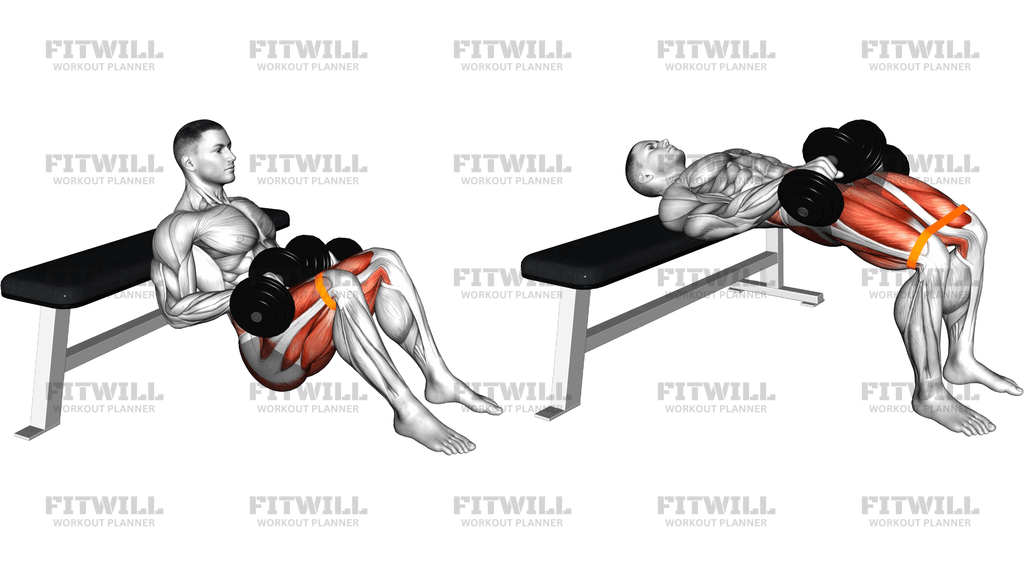
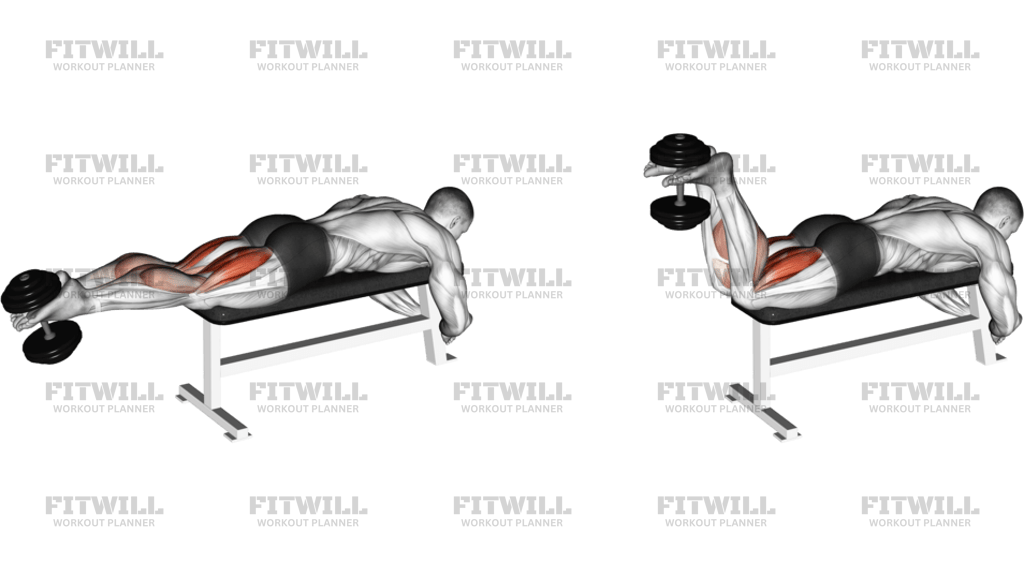
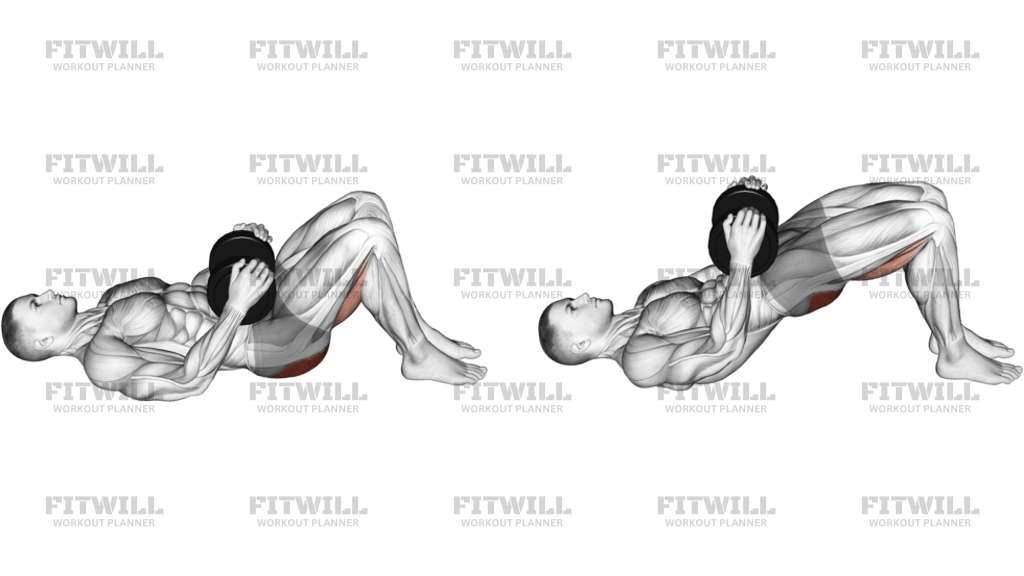
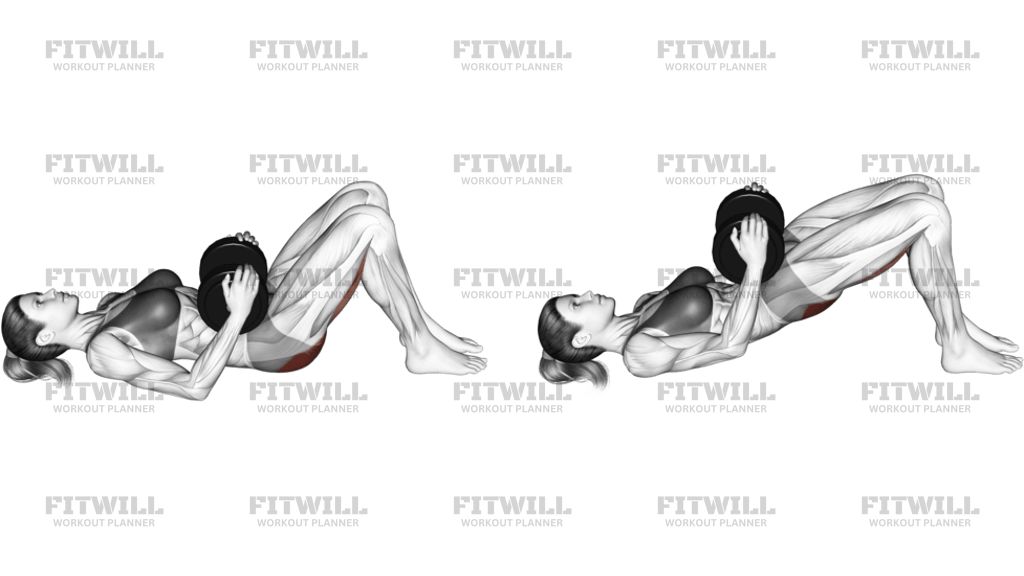
Dumbbell Sumo Squat Off Benches
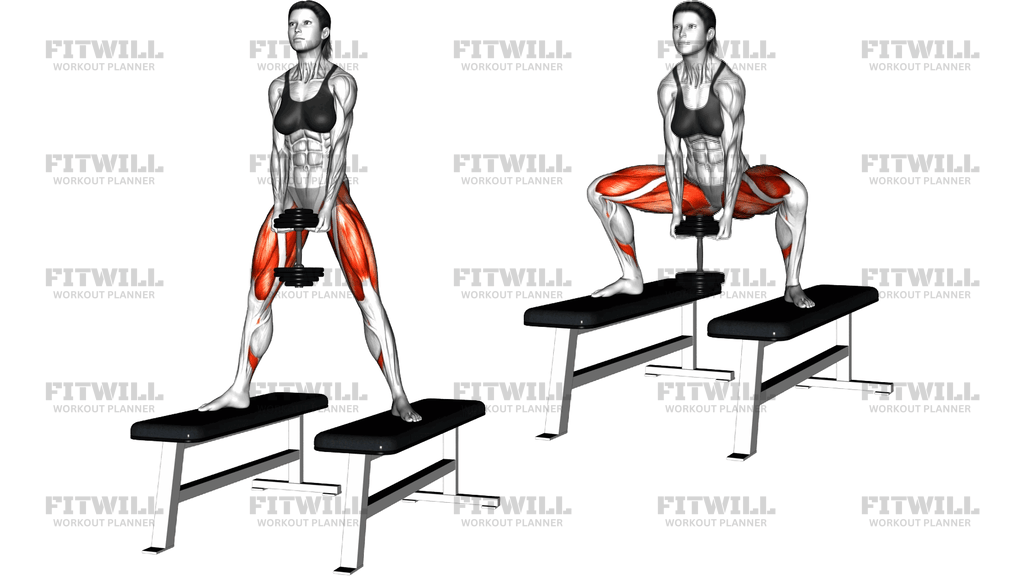
Dumbbell Sumo Squat Off Benches is a wide-stance squat variation performed with each foot elevated on a bench and a dumbbell held vertically between the legs. The setup changes the exercise from a basic floor squat into a more demanding balance-and-hip drill, so the stance, bench height, and load choice matter as much as the squat itself. It is usually used to train the glutes, inner thighs, and legs while also challenging the core to keep the torso steady.
The elevated stance lets you drop the hips between the benches while keeping the knees turned out and the chest organized. That makes the movement especially useful when you want glute-driven lower body work without loading the spine heavily. The main muscles involved are the gluteus maximus, adductors, quadriceps, hamstrings, and core, with the torso working to keep the dumbbell centered and the pelvis from tipping side to side.
Because both feet are supported on narrow surfaces, the exercise rewards controlled foot pressure and clean alignment. Each rep should start with the feet planted, toes slightly turned out, dumbbell hanging straight down, and the shoulders stacked over the hips before the descent begins. From there, the hips travel down between the benches and back enough to keep tension on the glutes and inner thighs without collapsing the knees inward or letting the chest fall forward.
The strongest repetitions come from a smooth squat pattern rather than a deep drop. If the benches are too high, too narrow, or too far apart, the movement becomes unstable and the hips will shift instead of loading the target muscles. Use a stance and bench arrangement that lets both feet stay secure and the knees track in line with the toes. The dumbbell should stay under control at all times and should not swing like a pendulum at the bottom.
This variation is useful as accessory work, lower-body conditioning, or a glute-focused strength block when you want more adductor involvement and more positional control than a standard goblet squat. It is also a good reminder that the best range of motion is the one you can own without wobbling. Stay smooth, keep the torso tall enough to control the descent, and end the set as soon as balance or knee position starts to break down.
Fitwill
Log Workouts, Track Progress & Build Strength.
Achieve more with Fitwill: explore over 9600 exercises with images and videos, access built-in and custom workouts, perfect for both gym and home sessions, and see real results.
Start your journey. Download today!




Instructions
- Place two sturdy benches parallel to each other and stand with one foot on each bench, toes turned slightly out and feet set wider than shoulder width.
- Hold a dumbbell vertically with both hands between your legs so it hangs straight down from your shoulders.
- Set your chest tall, shoulders down, and ribs stacked over your pelvis before you start the squat.
- Brace your trunk and keep your weight centered through the full foot on each bench.
- Sit your hips down and back between the benches while your knees travel out in line with your toes.
- Lower until your thighs are as deep as you can control without losing balance, then keep the dumbbell centered under you.
- Drive through both feet to stand back up, squeezing your glutes at the top without leaning backward.
- Repeat with smooth breathing and reset your stance if the benches, knees, or dumbbell drift out of position.
Tips & Tricks
- Use sturdy benches that do not wobble; this variation gets unstable fast if the foot supports move.
- Keep the dumbbell vertical and close to the floor so it does not swing forward and pull you off balance.
- If you cannot keep both feet planted evenly, the stance is too narrow, too wide, or the load is too heavy.
- Let the knees open as you descend so the thighs can track over the toes instead of collapsing inward.
- Think about sitting between the benches, not dropping straight down between your ankles.
- A slower descent makes the position easier to own and usually puts more tension on the glutes and adductors.
- Stop just before your lower back tucks under or your torso starts to pitch forward.
- Exhale as you stand and avoid jerking out of the bottom with a bounce.
- Keep the rep count modest if the balance demand starts limiting leg work more than the squat pattern itself.
Frequently Asked Questions
What muscle does Dumbbell Sumo Squat Off Benches target most?
The main emphasis is on the glutes, with the adductors, quadriceps, hamstrings, and core helping throughout the squat.
Why are the feet placed on benches instead of the floor?
The elevated setup increases the balance demand and changes the squat angle, which makes the glutes and inner thighs work harder to control the position.
How should I hold the dumbbell?
Hold it vertically with both hands between the legs so it stays centered under the shoulders and does not drift forward as you squat.
How wide should my stance be on the benches?
Wide enough for the knees to open comfortably over the toes, but not so wide that you lose full-foot pressure or have to reach for the bottom position.
Can beginners do this exercise?
Yes, but only with light weight and very stable benches. If balance is an issue, start with a floor-based goblet sumo squat first.
How low should I squat?
Go as low as you can while keeping the dumbbell centered, the knees tracking out, and both feet firmly planted.
What is the most common mistake?
Letting the knees cave in or the dumbbell swing forward usually turns the movement into a balance fight instead of a controlled squat.
Where does this fit in a workout?
It works well as accessory lower-body training, a glute-focused block, or a conditioning set when you want control and stability more than maximal load.