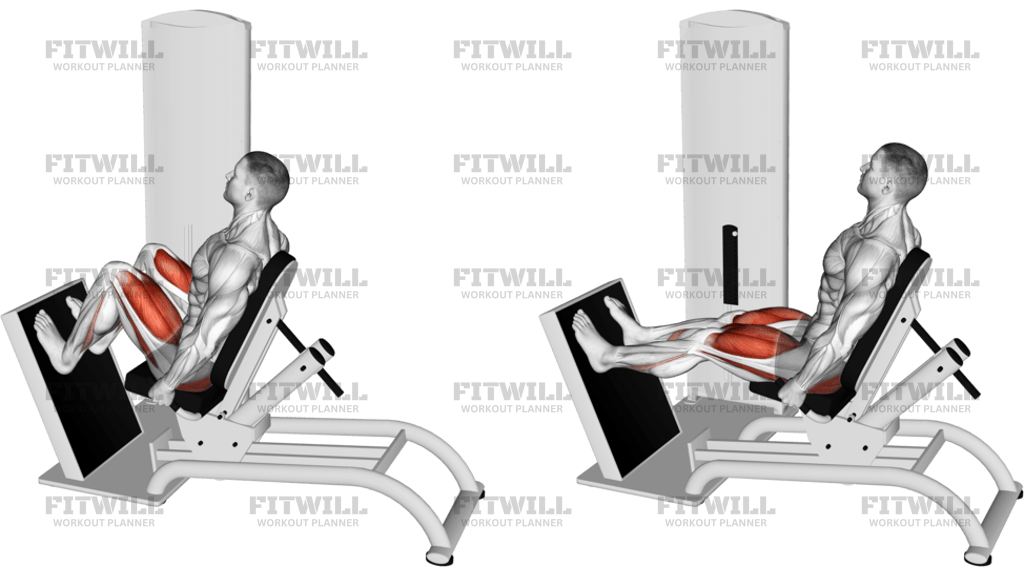
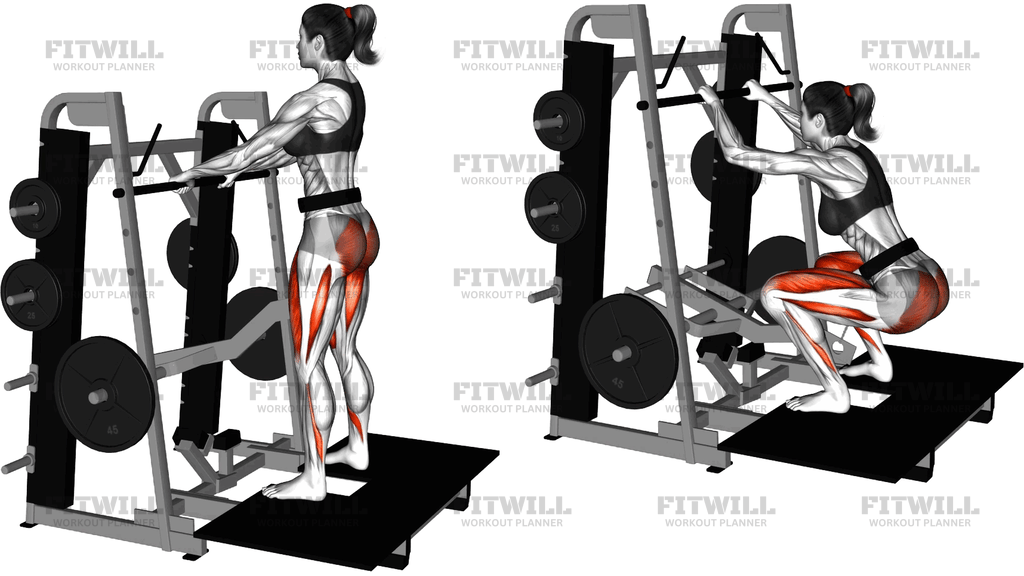
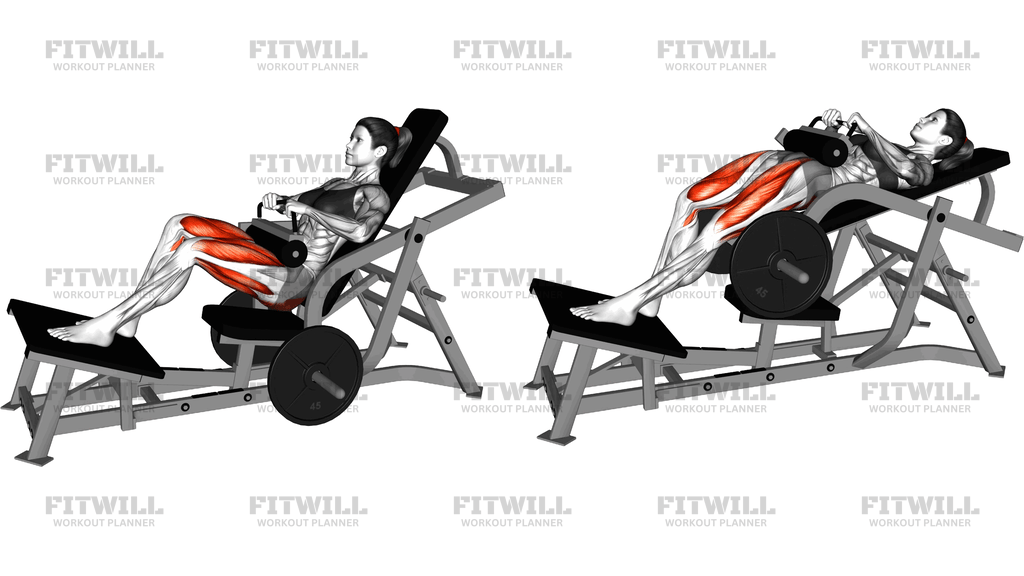
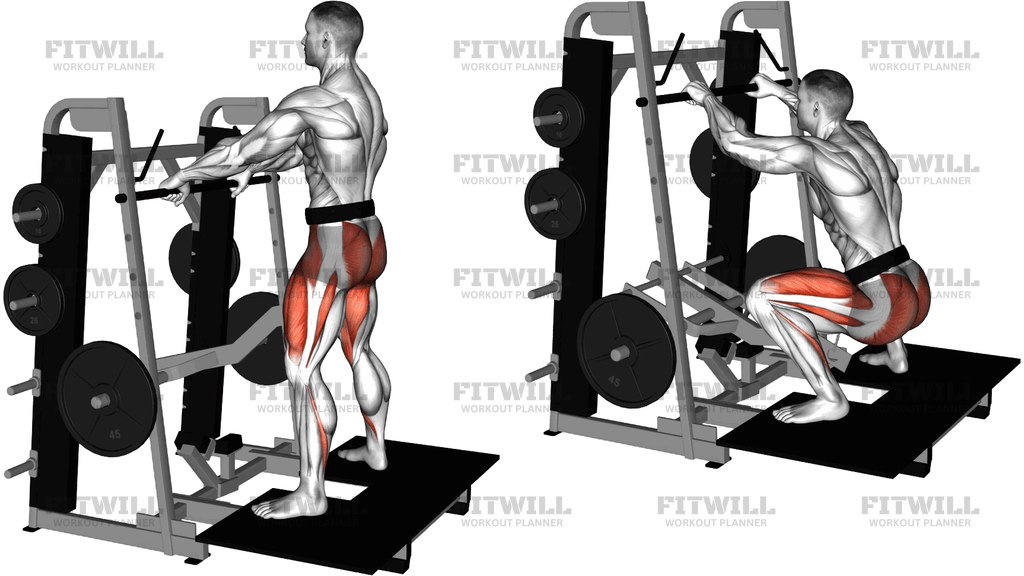
Lever Deadlift
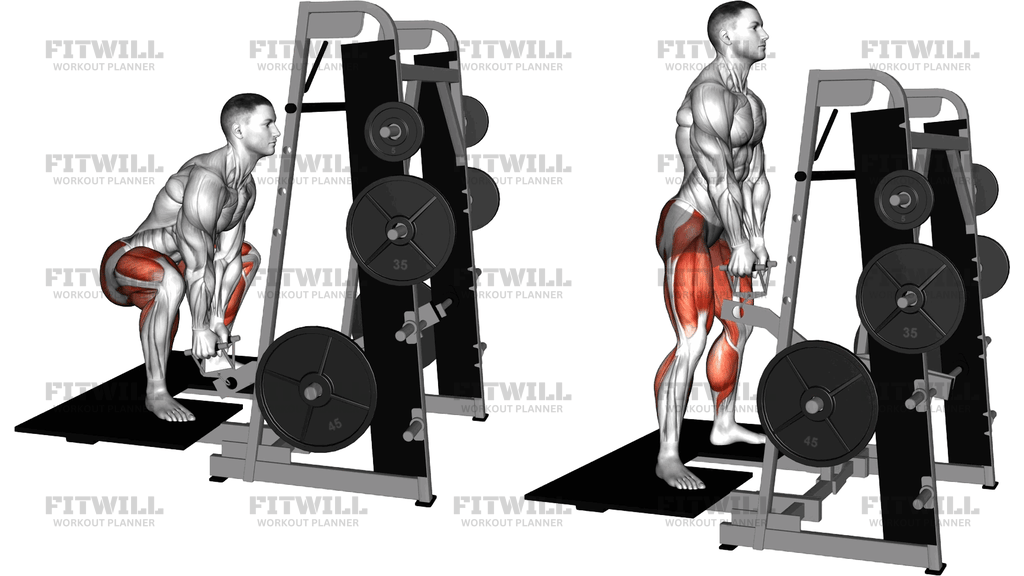
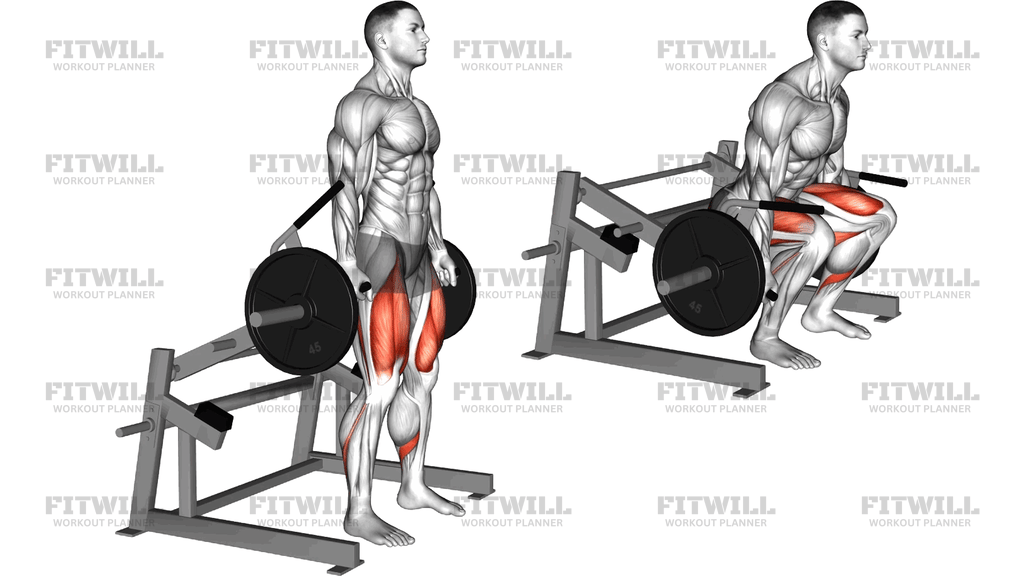
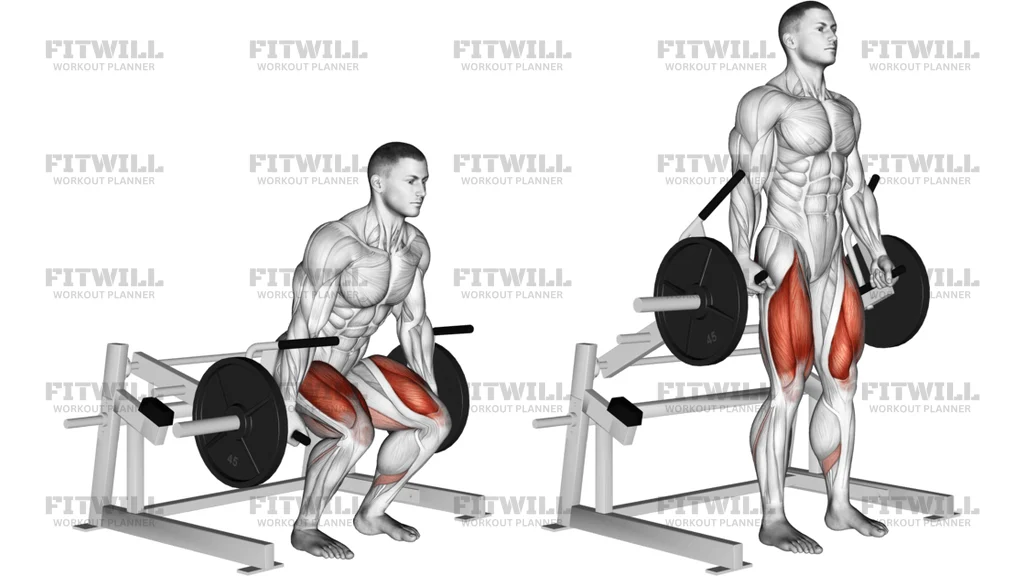
Lever Deadlift is a machine-based deadlift pattern that lets you train hip and knee extension with a fixed path and a more stable setup than a barbell pull. In the image, you stand between the lever arms, grip the side handles, and rise from a deep knee bend to a tall finish. That guided path makes the movement useful for building lower-body strength without needing to balance a free weight from the floor.
The exercise emphasizes the thighs, especially the quadriceps, while the glutes, hamstrings, spinal erectors, and grip help control the ascent and keep the torso organized. Because the machine keeps the load path consistent, you can focus on clean leg drive and posture instead of chasing a bigger pull with momentum. That makes the lever deadlift a practical option for beginner lifters, accessory work, or hard sets where you want repeatable reps and clear tension through the legs.
Setup matters. Place your feet about hip-width apart on the platform, keep your weight centered over the midfoot, and hinge down until you can grab the handles with a neutral spine. Your chest should stay proud, but your ribs should not flare. In the bottom position, your shoulders stay braced, your knees track over your toes, and your hips are low enough to let the machine start smoothly without yanking the handles off the stops.
Each rep should feel like a coordinated push through the floor. Drive up by extending the knees and hips together, keep the handles close to your body, and stand tall at the top without leaning back. Lower the lever under control, let the knees bend as the hips travel back, and reset tension before the next repetition. The goal is steady pressure through the legs, a neutral spine, and a controlled return to the bottom rather than a bounce or a jerk.
Use this lift when you want a quad-dominant deadlift variation that is easier to repeat than a barbell lift and often easier to load than a free-standing hinge. It works well in lower-body strength sessions, hypertrophy blocks, and machine-based leg training. Keep the range pain-free, choose a load that preserves posture, and treat the machine as a tool for producing a strong, smooth leg-driven pull.
[ Workout Log & Planner ]
Put your next workout in Fitwill
Keep your plan and training log ready when you are.


Instructions
- Stand on the platform with your feet about hip-width apart, toes slightly turned out, and the handles beside your legs.
- Hinge down by bending your knees and hips until you can grasp the handles with a neutral spine and your shoulders set over the machine.
- Keep your chest open, your ribs stacked over your pelvis, and your arms long so the handles stay close to your body.
- Take a breath and brace your abdomen before the first pull so your torso stays rigid through the start of the rep.
- Drive through your whole foot to lift the lever, extending your knees and hips together instead of snapping the weight off the bottom.
- Keep the handles traveling in a smooth path beside your legs as you rise to a tall standing position.
- Finish the rep by standing fully upright and squeezing your glutes without leaning back or shrugging your shoulders.
- Lower the machine under control by sending your hips back and bending your knees until you return to the bottom position.
- Reset your brace at the bottom and repeat for the planned number of reps.
Tips & Tricks
- Keep the pressure centered through your midfoot and heels; if you drift into your toes, the pull usually turns into a forward tip.
- Treat your arms like straps, not lifters. Bending the elbows or curling the handles turns the movement into an upper-body tug.
- Start light enough that the first inch of the pull is smooth. Jerking the lever off the stops usually means the setup is too low or the load is too heavy.
- Let the knees and hips open together. If the knees straighten long before the torso rises, you are turning the lift into a stiff-legged pull.
- Finish tall, but do not lean backward at the top. A hard glute squeeze is enough; excessive extension shifts stress into the low back.
- Use a 2 to 3 second lowering phase to keep tension on the thighs and glutes instead of dropping into the bottom.
- Keep your neck long and your gaze neutral so the head does not chase the handle path.
- If grip fails before your legs do, use the machine for leg work but keep your shoulders packed and your wrists straight.
- Stop the set when the machine starts bouncing at the bottom or your spine cannot stay neutral on the way down.
Frequently Asked Questions
What muscles does the Lever Deadlift work most?
It primarily targets the quadriceps, with the glutes, hamstrings, spinal erectors, and grip helping during the pull.
Is the lever deadlift easier than a barbell deadlift?
Usually yes, because the machine fixes the path and removes a lot of balance demand. That makes it easier to learn and easier to repeat with consistent form.
Where should my feet be on the machine platform?
Start about hip-width apart with your weight centered over the midfoot. That position usually lets you drive straight up without rocking forward.
Should I keep my torso upright or hinge forward?
Keep a neutral spine with a slight forward lean from the hips, not a rounded back or an extreme upright squat posture. The image shows a braced, organized setup rather than a loose fold.
How do I know if I am lifting the machine correctly?
The handles should travel smoothly beside your legs, your knees and hips should extend together, and you should finish tall without leaning backward.
What if I feel this mostly in my lower back?
Reduce the load, brace harder, and slow the lowering phase. If the low back still takes over, your setup is probably too aggressive or your stance is drifting too far from the machine.
Can I use straps on the lever deadlift?
Yes, if your grip is limiting the set and the machine setup allows it. Just keep your wrists straight and use straps as a grip aid, not a way to speed up the rep.
How low should I go on each rep?
Descend until you can keep your heels down, your spine neutral, and the machine controlled. Depth should come from the setup and mobility you can own, not from bouncing into the bottom.