Neutral Grip Pull-Up
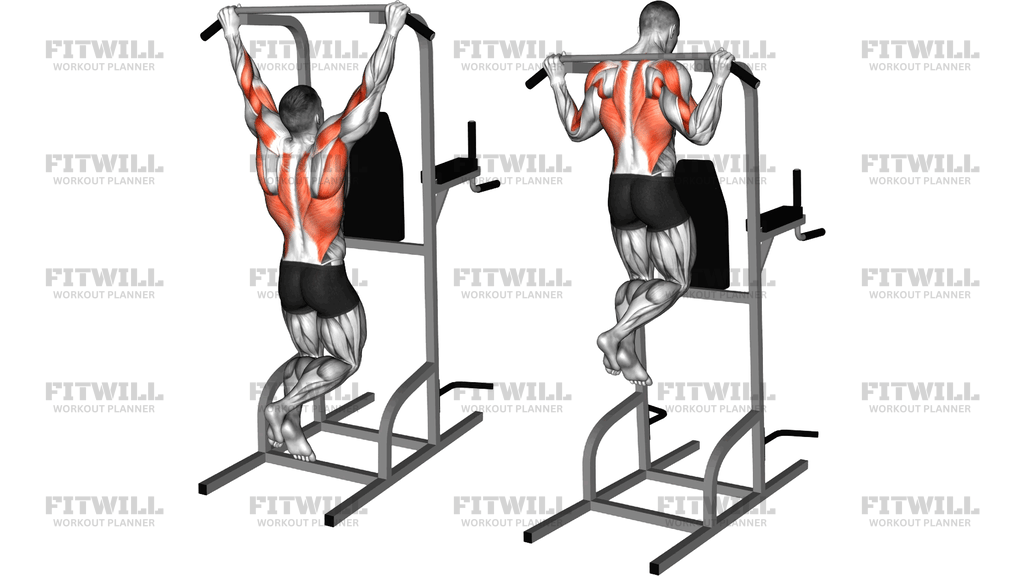
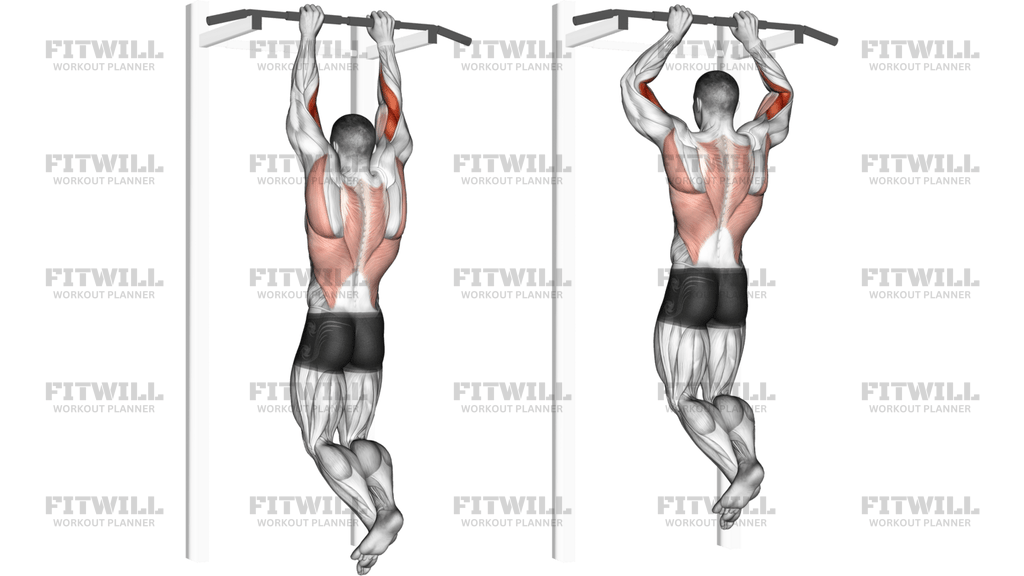
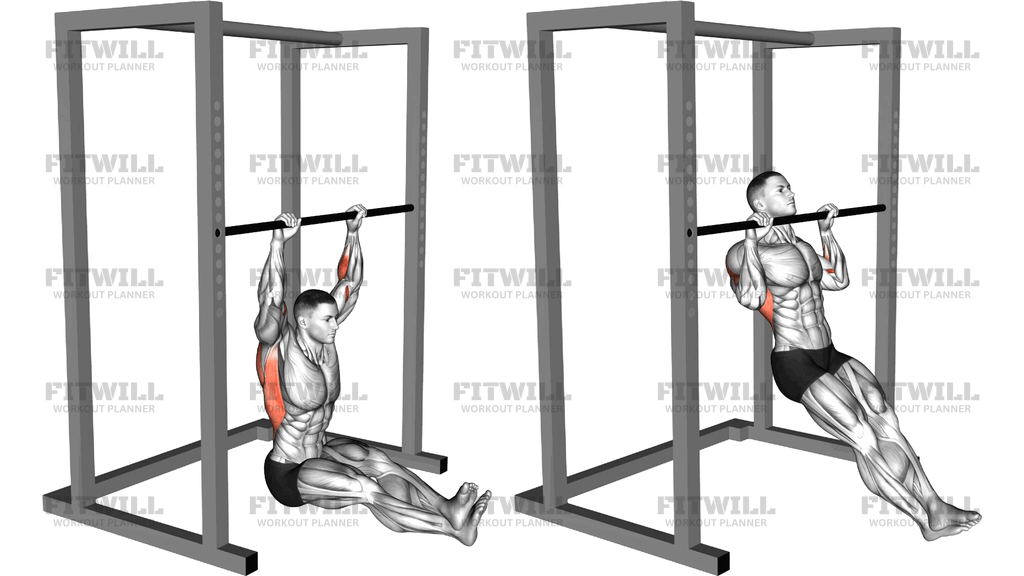
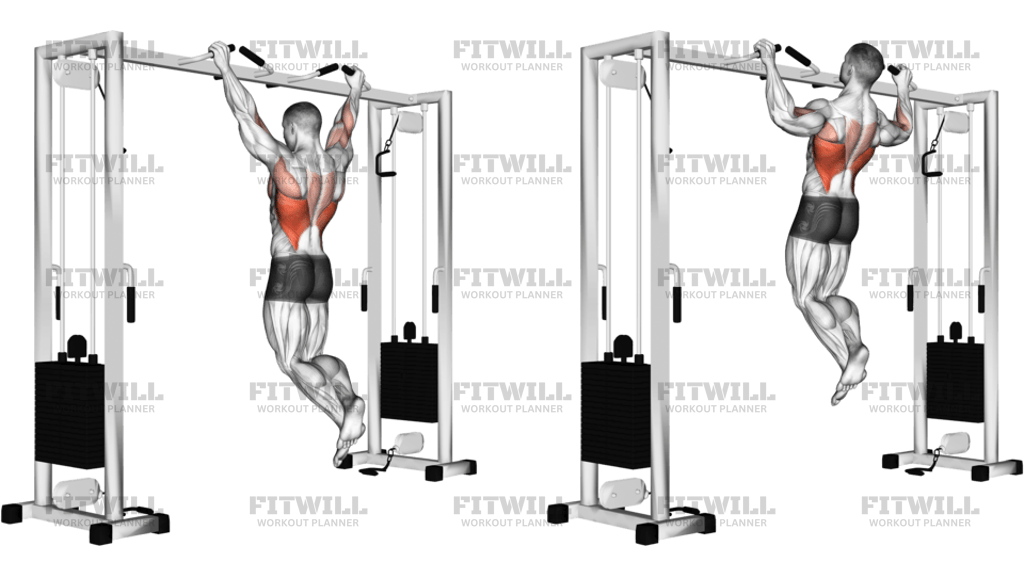
Neutral Grip Pull-Up is a vertical pulling exercise performed from parallel handles with the palms facing each other. The neutral hand position usually feels friendlier on the shoulders and elbows than a wide overhand pull-up, while still training the upper back hard. It is a body-weight strength exercise, but the real challenge is not just lifting yourself. The goal is to keep the torso still, the ribs controlled, and each rep smooth from the dead hang to the top and back down again.
This movement emphasizes the latissimus dorsi, with the lower and mid traps, rhomboids, rear shoulder, biceps, and forearms helping to stabilize and finish the pull. That combination makes it useful for building back width, arm strength, and scapular control in one exercise. The neutral grip also keeps the elbows tracking in a more natural line, which can make the exercise easier to learn than a straight-bar pull-up for some lifters.
The setup matters because the first few seconds determine whether the rep starts from an organized hang or from a swing. Grab the handles firmly, let the shoulders rise only enough to reach the bottom position, then set them down by engaging the shoulder blades before you pull. A clean rep begins with the body quiet, the legs still, and the neck long. If the exercise is being performed on an assisted pull-up station, the same body positions still apply; the assistance should help you move, not change the shape of the rep.
Pull by driving the elbows down and slightly back until your chin clears the handles or your upper chest reaches the top of the range you can control. Lower yourself with control until the arms are long again and the shoulders stay organized instead of collapsing. Do not turn the rep into a kip, a half-rep, or a shrugging shrug-pull. When done well, Neutral Grip Pull-Up is a strong choice for upper-back strength work, assisted pull-up progressions, or strict body-weight training focused on clean pulling mechanics.
[ Workout Log & Planner ]
Put your next workout in Fitwill
Keep your plan and training log ready when you are.


Instructions
- Grip the parallel handles with your palms facing each other and hang with your arms fully extended.
- Set your shoulders down away from your ears and keep your ribs stacked over your pelvis.
- Brace your midsection and keep your legs quiet so the first pull starts without a swing.
- Pull your elbows down and slightly back as you lift your chest toward the handles.
- Keep your neck neutral and let the chin clear the handles without craning forward.
- Pause briefly at the top while the shoulder blades stay controlled, not shrugged.
- Lower yourself slowly until the arms are straight again and the shoulders return to the dead-hang position.
- Exhale as you pull, inhale on the descent, and reset before the next repetition.
Tips & Tricks
- Start every rep from a quiet hang; if your legs swing, pause and reset before the next pull.
- Think about bringing your elbows to your back pockets instead of yanking with your hands.
- Keep the chest tall without over-arching the lower back, especially near the top.
- If the shoulders pinch at the bottom, shorten the hang slightly and keep tension in the lats.
- Use assistance or band support before you cheat with a half rep or a swing.
- Lower for at least as long as you lift so the eccentric phase actually trains the back.
- Stop the set when your chin stops clearing the handles without a neck jab or knee kick.
- A slightly narrower neutral handle usually feels smoother for the elbows than a very wide one.
Frequently Asked Questions
What does Neutral Grip Pull-Up train most?
It primarily trains the lats, with the upper back, biceps, and forearms helping throughout the pull.
Is the neutral grip easier on the shoulders than a straight-bar pull-up?
Usually yes. The palms-facing grip keeps the elbows in a more natural path and is often friendlier on the shoulders and elbows.
How do I start the rep correctly on the handles?
Hang with straight arms, then pull the shoulder blades down before you bend the elbows. That keeps the first rep from starting in a shrug.
Should my chest or chin reach the top first?
Aim to lift the chest toward the handles while the chin clears them naturally. Do not force your head forward just to make the rep look higher.
Can I use assistance if I cannot do full reps yet?
Yes. An assisted pull-up machine or band can help you keep the same body path while you build enough strength for strict reps.
What is the most common form mistake?
Swinging the legs or shrugging the shoulders usually steals tension from the lats and turns the rep into momentum work.
How low should I lower myself?
Lower until the arms are straight and the shoulders are still controlled. If the bottom position hurts or collapses, shorten the range and rebuild control.
Where does this exercise fit in a workout?
It works well in a back session, upper-body pull day, or assisted progression block before heavier rowing or arm work.