Bodyweight Standing Close-Grip One-Arm Row
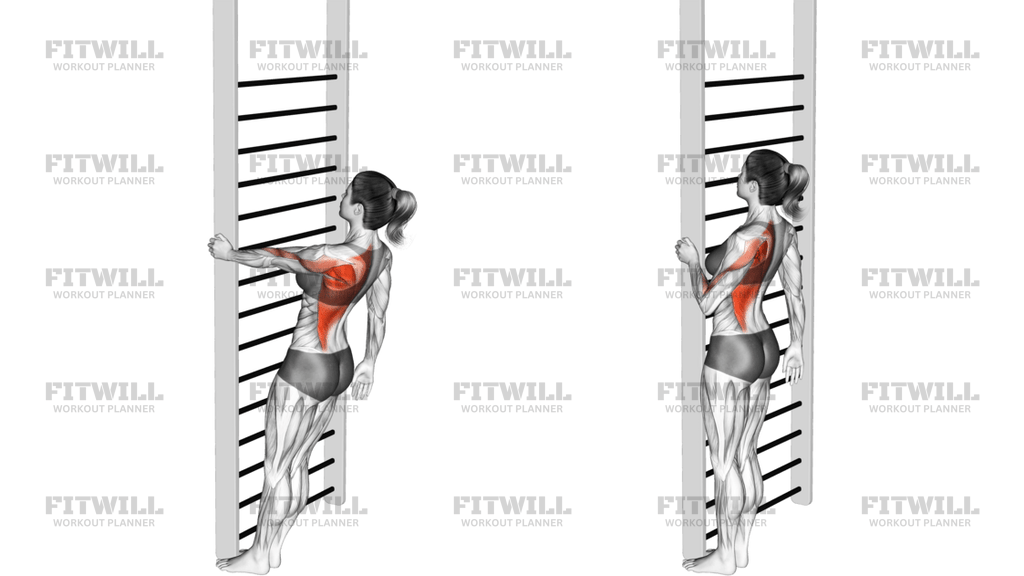
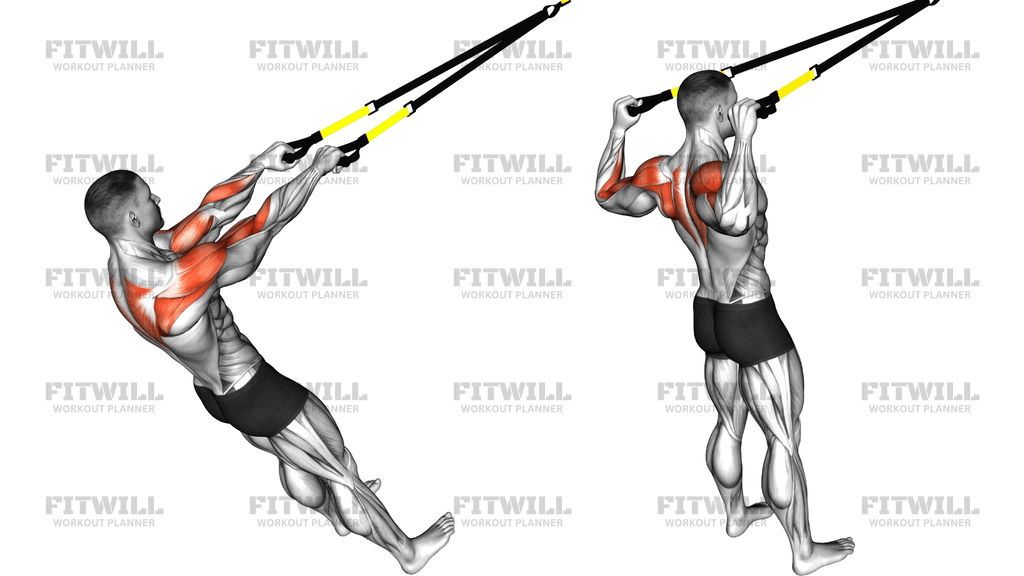
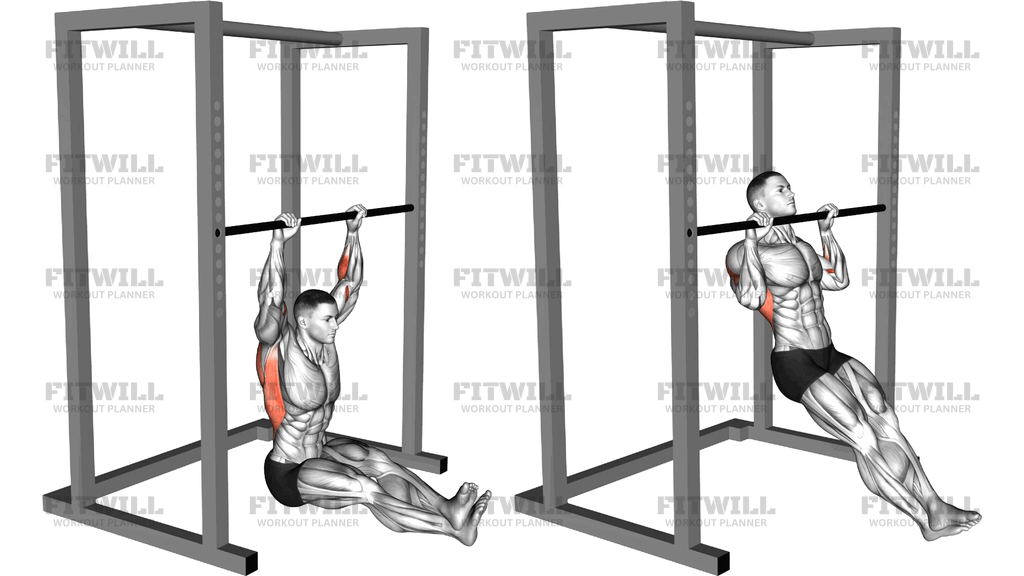
Bodyweight Standing Close-Grip One-Arm Row is a standing horizontal pull done against a fixed upright or rail. You lean back from the anchor, hold one side with a close grip, and row your chest toward the handhold by bending the elbow and drawing the shoulder blade back. The exercise uses your body weight as the resistance, so the difficulty changes with your foot position, lean angle, and how far you step from the support.
This movement is mainly a back and upper-back drill, with the traps, rhomboids, lats, rear shoulder, and biceps all contributing to the pull and the isometric hold that keeps the torso aligned. In practice, the exercise is useful when you want a one-sided row that challenges scapular control and trunk tension at the same time. It can expose side-to-side differences quickly because one arm is doing the work while the rest of the body resists rotation.
The setup matters more here than in a machine row. A small change in foot placement or body angle can turn the rep from clean to sloppy, so start with a stance that lets you keep a straight line from ankles through hips to head. The working shoulder should stay down and organized as you pull, not shrugged toward the ear. Think of the elbow traveling back close to the ribs while the chest moves slightly toward the anchor.
Use a controlled range instead of chasing distance. At the top of the rep, squeeze the upper back without craning the neck or twisting the torso. On the way down, return until the arm is long and the shoulder blade can protract naturally, then repeat with the same body angle. The movement is especially useful in bodyweight strength circuits, warmups for pulling sessions, and accessory work for athletes who need better shoulder positioning and scapular strength.
Because the exercise is one-arm and standing, it can be scaled easily by moving your feet, changing the lean, or using a lower handhold. Keep the tension smooth, use breathing to stay braced, and stop the set when your hips start rotating or the shoulder starts to shrug. That is usually the first sign the row has become a body swing instead of a back exercise.
[ Workout Log & Planner ]
Put your next workout in Fitwill
Keep your plan and training log ready when you are.


Instructions
- Stand facing a fixed upright, rail, or ladder rung and grasp it with one hand at about lower-chest height using a close grip.
- Step your feet forward until your body leans back in a straight line from ankles through hips to head, with the working arm fully extended.
- Set your shoulders down and keep your free arm relaxed by your side so your torso starts square to the anchor.
- Brace your midsection and keep your ribcage from flaring as you prepare to row.
- Pull your chest toward the handhold by driving the elbow back close to your side.
- Squeeze the shoulder blade back and down at the top without shrugging or twisting your hips.
- Pause briefly in the contracted position while keeping your neck long and your wrist straight.
- Lower yourself under control until the arm is long again and the shoulder can reach forward naturally.
- Reset your body line before the next rep and keep the same lean angle for the full set.
Tips & Tricks
- Move your feet closer to the anchor to make the row easier, or farther away to increase bodyweight resistance.
- Keep the elbow close to your ribs; flaring it wide turns the pull into more of a shoulder-dominant movement.
- Do not let the working shoulder creep toward your ear at the top of the rep.
- Keep the torso square to the anchor so the rep stays a row, not a twist-and-pull.
- If your grip slips before your back fatigues, adjust hand position or use a firmer surface before adding more volume.
- Lower yourself slowly so the shoulder can lengthen under control instead of dropping into the stretch.
- Use a small pause near the top to remove momentum and make each rep more honest.
- Exhale as you pull and inhale as you return so your trunk stays braced without holding your breath the whole set.
Frequently Asked Questions
What does Bodyweight Standing Close-Grip One-Arm Row train most?
It primarily trains the upper back and pulling muscles, especially the traps, rhomboids, lats, and biceps.
How do I set up the hand position for this row?
Use one hand on a fixed upright or rung at about lower-chest height, with the grip close and the wrist stacked over the hand.
How far should my feet be from the anchor?
Far enough that you can keep a straight body line, but not so far that you have to twist or shrug to get the rep started.
Should my elbow stay close to my side?
Yes. Keeping the elbow close helps bias the back and keeps the pull from turning into an awkward, wide-armed shoulder effort.
Can beginners do this exercise?
Yes, if they start with a shorter body angle and a stable footing. The one-arm setup is demanding, so keep the range and volume conservative at first.
What should I avoid at the top of the rep?
Avoid shrugging the shoulder, arching the lower back, or rotating the hips toward the pulling arm.
How can I make the movement harder without weights?
Step farther from the anchor or reduce how much support you give yourself through your feet so more of your bodyweight has to be controlled by the working arm.
What if I feel this more in my arm than my back?
That usually means the elbow is drifting too far forward or the shoulder blade is not moving well. Recheck the setup and pull the chest toward the anchor instead of just bending the arm.