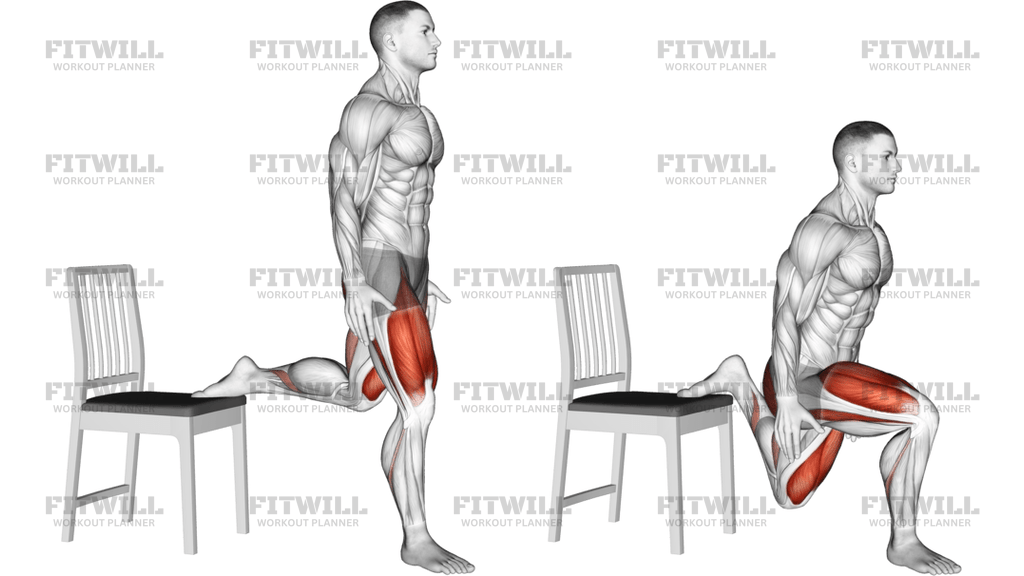
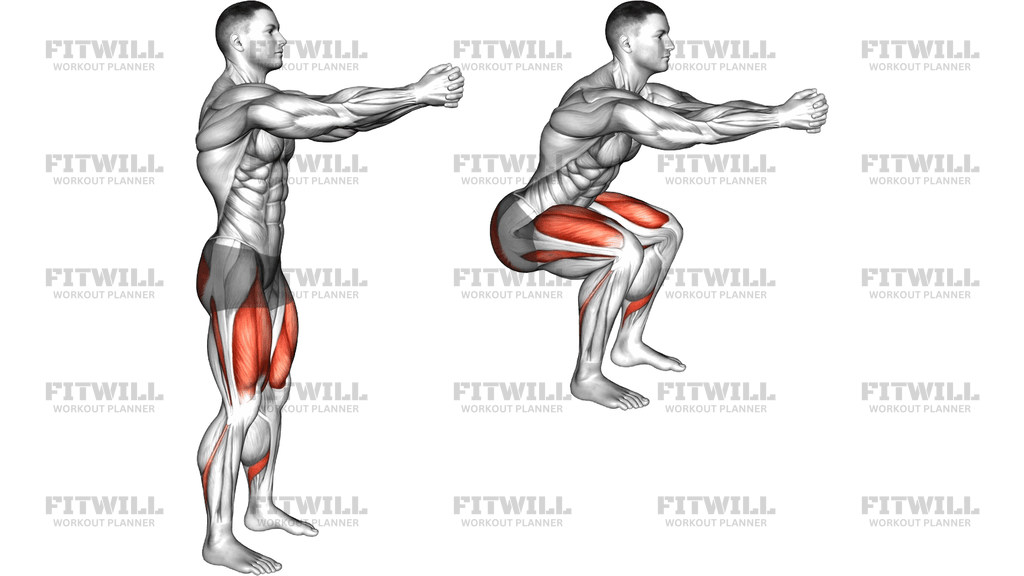
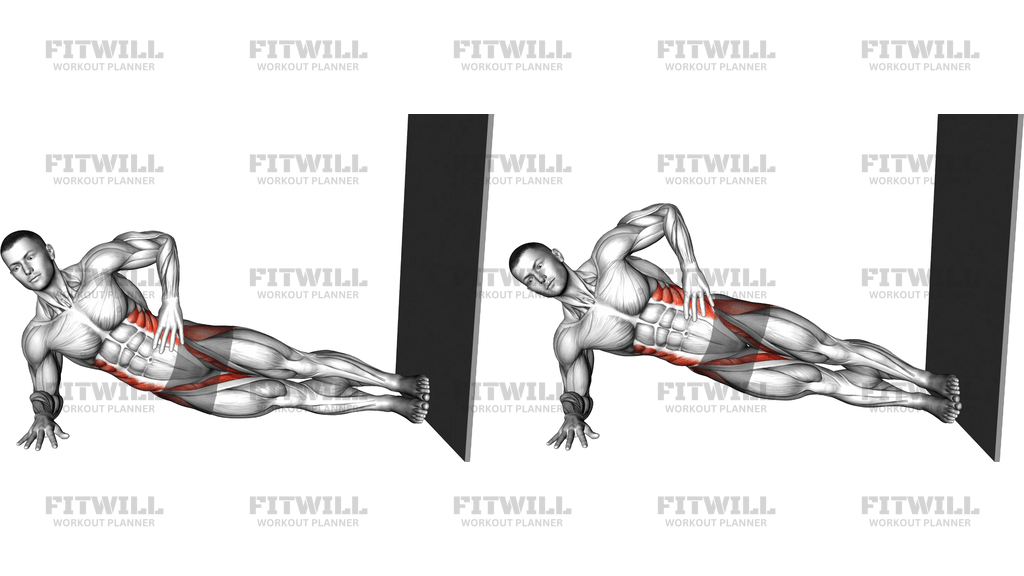
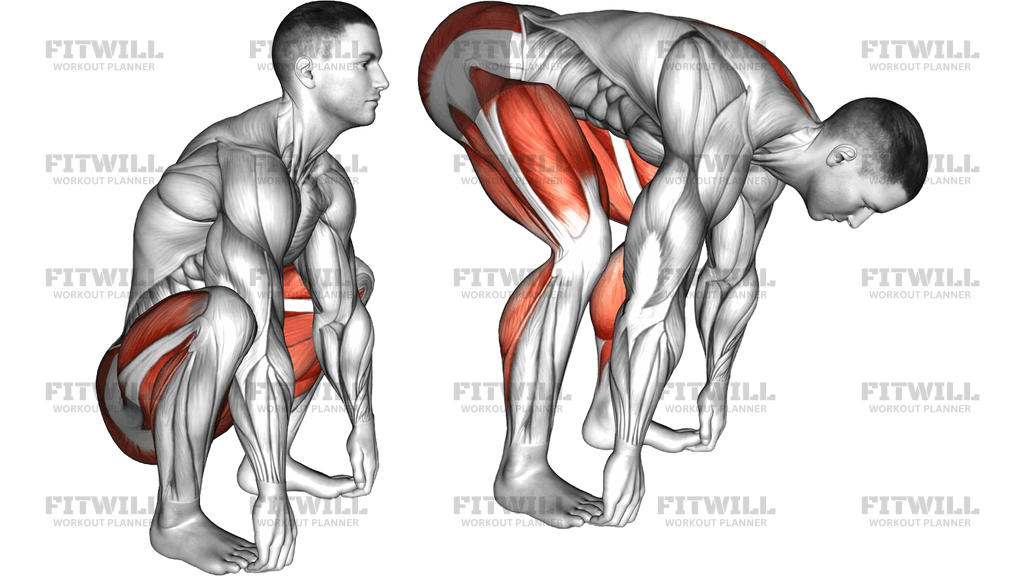
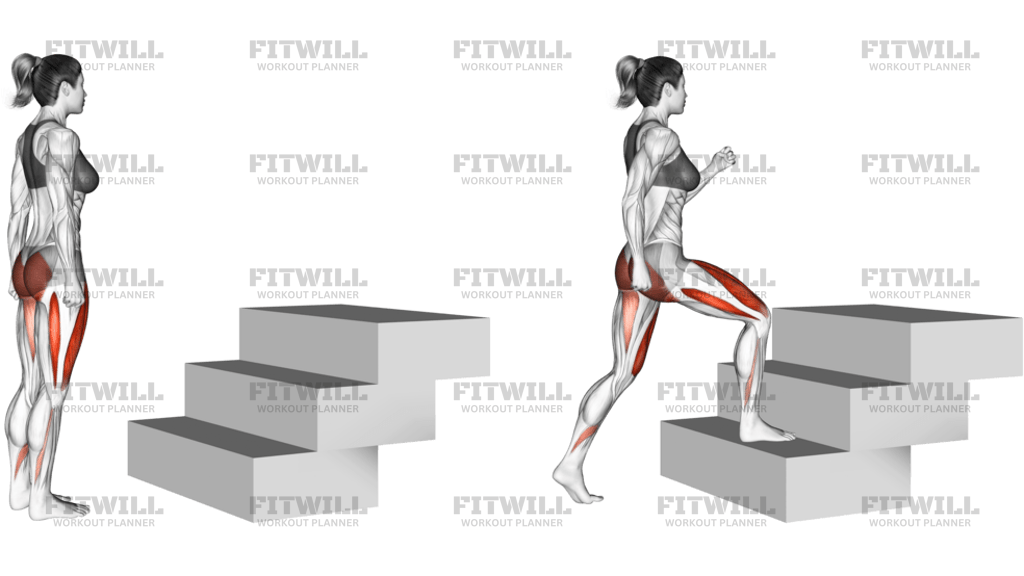
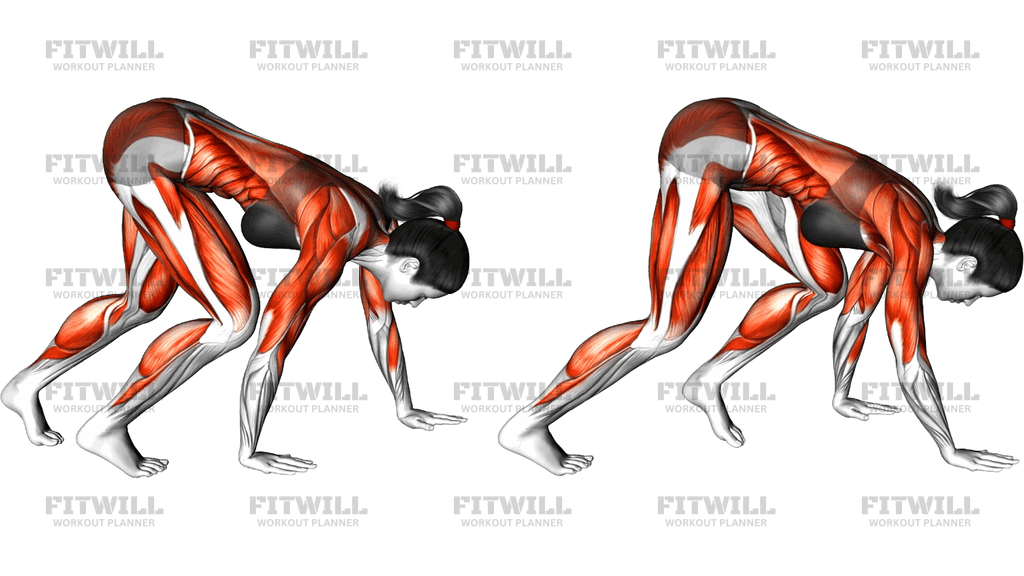
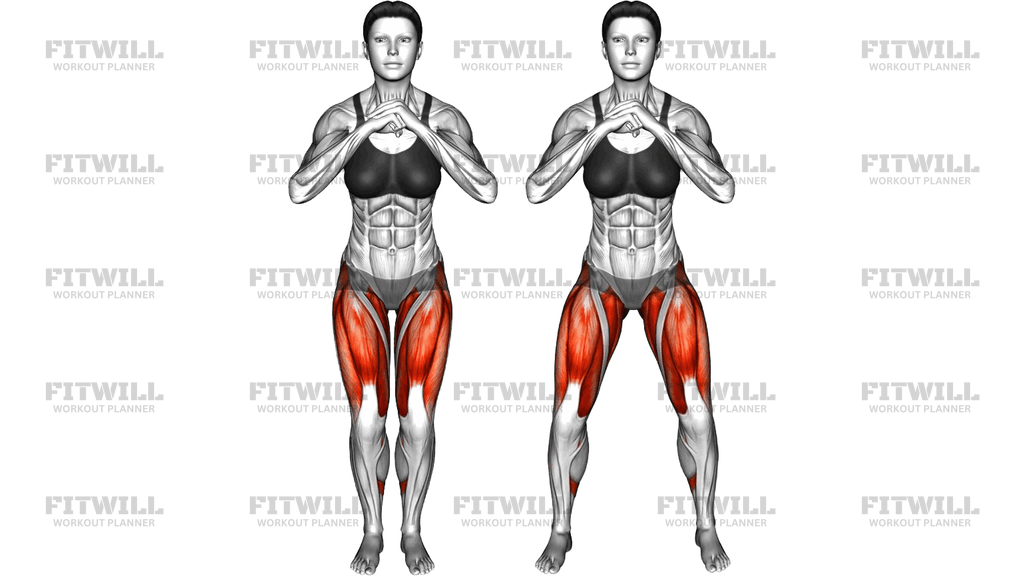
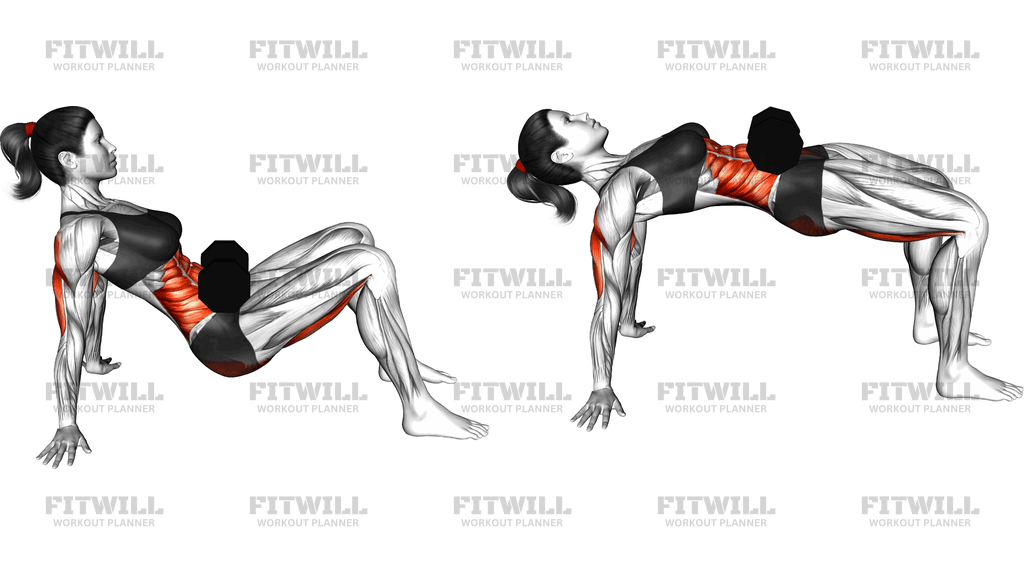
Reverse Lunge Leg Kick
Reverse Lunge Leg Kick is a bodyweight lower-body exercise that combines a reverse lunge with a controlled front kick. It is useful for athletes and general trainees who want to build single-leg strength, balance, coordination, and hip control without loading the movement heavily. The reverse step teaches the working leg to absorb force smoothly, while the kick adds a balance and coordination challenge that makes the rep more demanding than a plain lunge.
The main emphasis is on the glutes, with the quads, hamstrings, core, and calves helping stabilize the body through both halves of the rep. In anatomy terms, the gluteus maximus drives the stand-up phase, while the biceps femoris, rectus abdominis, and erector spinae help keep the pelvis and torso from collapsing as the leg comes back through. That combination makes Reverse Lunge Leg Kick a good choice when you want lower-body work that also asks for control and body awareness.
Set up tall with your feet about hip-width apart and your weight centered. Step one leg straight back into a reverse lunge so the front foot stays flat and the front knee tracks over the toes, not inward. Keep the chest lifted and the ribs stacked over the pelvis; that upright posture matters because it gives you a clean line to drive up from instead of folding forward and turning the rep into a balance scramble.
As you stand, push through the front heel and midfoot and squeeze the glute of the standing leg to bring the back leg forward. Let that same leg swing into a controlled kick to about hip height or lower, keeping the torso tall and the core braced so the motion comes from the hip rather than a low-back arch. The kick should feel like a smooth continuation of the stand-up phase, not a separate snap or fling. If you have to lean back to get the leg higher, the kick is too aggressive.
Use Reverse Lunge Leg Kick as a warm-up drill, accessory movement, or conditioning pattern when you want quality repetitions more than heavy loading. It works well in circuits, athletic prep, and unilateral leg training because it exposes side-to-side differences and forces the hips to stay organized under a moving base. Beginners can use a smaller range and a lower kick, while more advanced lifters can slow the lowering phase or add a light load once the balance and landing are consistent.
Safety and control matter more here than speed. Lower the kicking leg under control before stepping back into the next rep or resetting your stance, and stop the set if the torso starts pitching forward or the standing knee caves in. When performed well, Reverse Lunge Leg Kick trains the legs and hips to produce force while staying balanced, which is exactly why it feels so different from a standard lunge.
[ Workout Log & Planner ]
Put your next workout in Fitwill
Keep your plan and training log ready when you are.


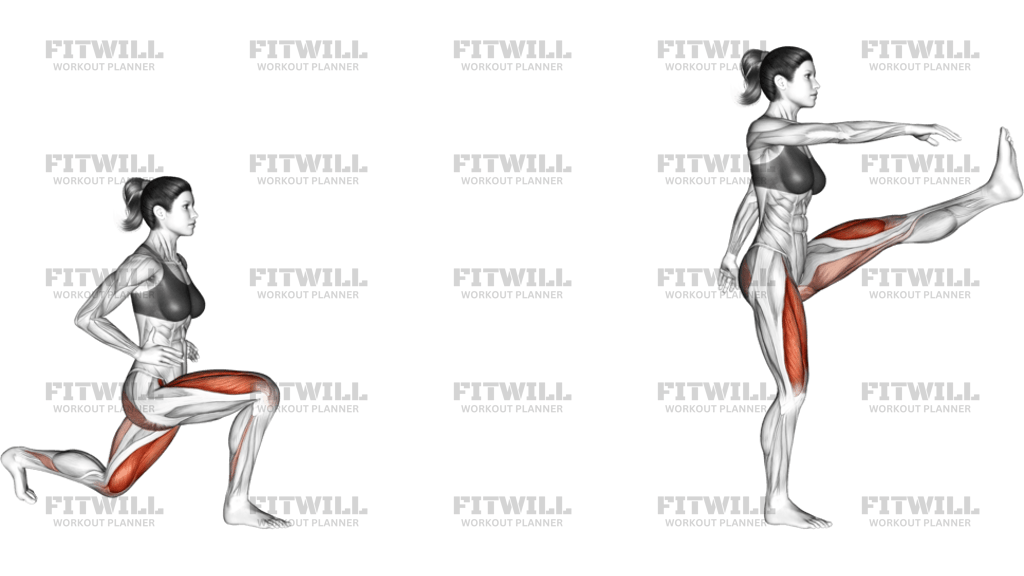
Instructions
- Stand tall with your feet about hip-width apart and your hands ready to balance at your sides or in front of your torso.
- Step one leg straight back and lower into a reverse lunge, keeping the front foot flat and the front knee tracking over the toes.
- Keep your chest lifted and your ribs stacked over your pelvis as the back knee approaches the floor.
- Pause briefly at the bottom with most of your weight on the front leg and the back foot light on the floor.
- Drive through the front heel and midfoot to stand up, squeezing the glute of the working leg as you rise.
- As you reach full height, bring the same leg through into a controlled front kick to about hip height or lower.
- Keep the kicking leg straight but not locked, and avoid leaning your torso back to make the kick bigger.
- Lower the kicking leg with control, regain your balance, and step back into the next reverse lunge or reset before the next rep.
Tips & Tricks
- Use a long enough reverse step that the front heel stays down through the whole lunge.
- Think stand first, kick second; if the kick starts before you are upright, momentum will take over.
- Keep the kick lower if your low back arches or your pelvis tilts forward at the top.
- A small forward arm reach can help counterbalance the kick without twisting the torso.
- Let the back knee hover just above the floor instead of crashing down onto the ground.
- If balance is shaky, pause for a beat at the top before the kick instead of rushing the transition.
- Keep the standing foot tripod rooted: big toe, little toe, and heel should all stay active.
- Move the leg through the kick smoothly rather than snapping it up with the hip flexors.
- Reduce the kick height before you reduce the lunge depth if the movement starts to feel sloppy.
Frequently Asked Questions
What muscles does Reverse Lunge Leg Kick work most?
It primarily hits the glutes and quads, with the hamstrings, calves, and core helping you stay stable through the lunge and kick.
Is Reverse Lunge Leg Kick good for beginners?
Yes, as long as the kick stays low and controlled. Beginners should focus on balance and clean transitions before trying to lift the leg high.
Which leg kicks after the lunge?
Usually the leg that stepped back comes forward into the kick. Keep the same leg moving through the whole sequence so the rep stays smooth and organized.
How high should the kick go in Reverse Lunge Leg Kick?
Hip height or lower is plenty. The kick should stop before your torso leans back or your pelvis tips forward.
What is the most common mistake with Reverse Lunge Leg Kick?
People often swing the leg up with momentum instead of standing up first and then kicking. That usually turns the rep into a balance problem instead of a controlled leg exercise.
Can I hold onto something while I learn Reverse Lunge Leg Kick?
Yes. A light fingertip support on a rack, wall, or sturdy post can help you learn the balance and keep the kick controlled.
Can I load Reverse Lunge Leg Kick with weights?
You can, but only after the bodyweight version is clean. Light dumbbells make the balance challenge much harder, so start conservatively.
What should I do if my knee feels uncomfortable?
Shorten the reverse step, reduce the depth, and keep the front shin more vertical. If the knee still hurts, use a plain reverse lunge instead of adding the kick.