Lying Supine Single Leg Circle
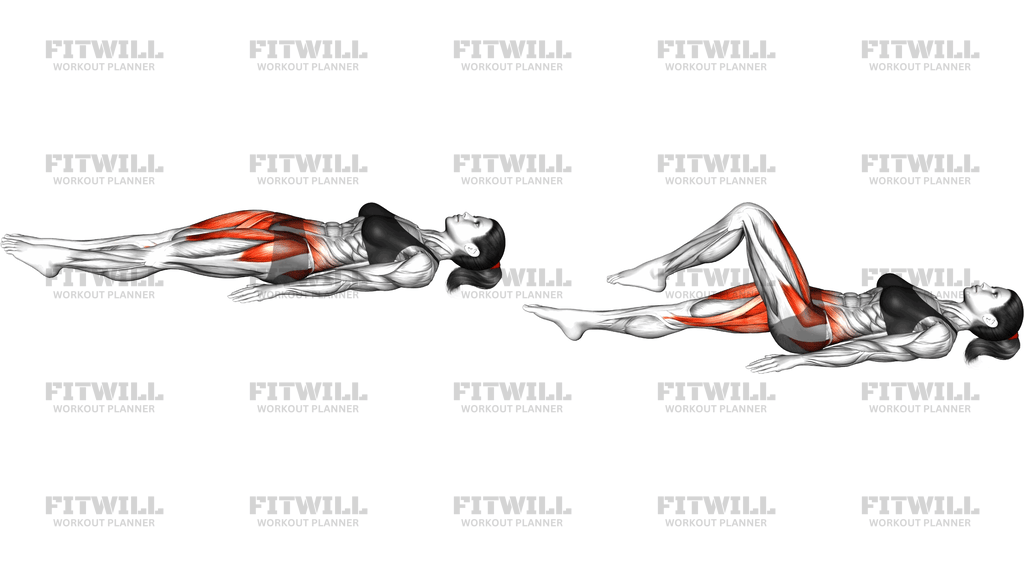
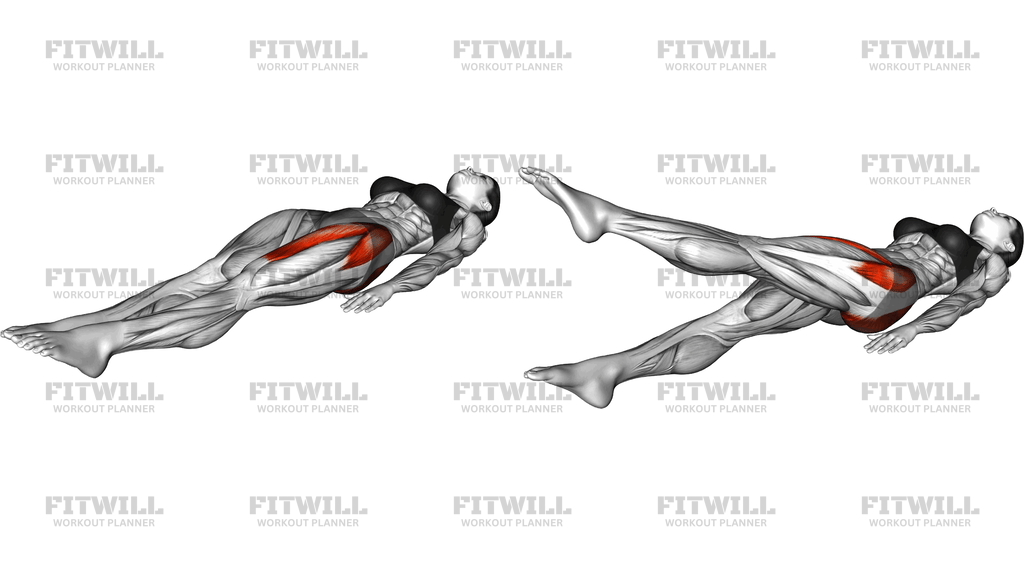
The Lying Supine Single Leg Circle is a floor-based control exercise performed on your back, where one leg stays pressed into the ground while the other sweeps through a smooth circular path in the air. The image shows the classic setup: a woman lying flat on her back with both arms resting by her sides, palms down, and the working leg extended away from the hip as it traces the circle. No equipment is required beyond a mat or a comfortable floor surface, which makes it one of the easiest hip and core drills to add to any warm-up or cooldown.
This movement primarily trains the hip flexors and the muscles that steer the thigh through rotation and side-to-side motion, including the tensor fasciae latae, gluteus medius, and adductors. At the same time, your trunk has to hold still while the leg moves, so the deep abdominals and obliques work continuously to keep your pelvis from rocking. That combination of a mobile hip and a stable trunk is exactly what makes the exercise valuable — it is less about strength through a big range and more about coordination and control.
The supine setup matters because the floor gives you honest feedback. If your pelvis lifts, tilts, or your lower back arches off the ground, you instantly know the circle has grown too large or you have lost tension in your trunk. Keeping the non-working leg long and heavy on the mat anchors the opposite side of your pelvis, and the arms pressed lightly into the floor help you stay square. Unlike standing hip circles, there is no balance demand, so you can focus entirely on the quality of the arc.
To perform it well, keep the circle small at first — roughly the size of a dinner plate — and let the leg move as one smooth, continuous line with the knee straight but not locked. Exhale as the leg sweeps down and across the midline, inhale as it returns up and out. Five to eight circles in each direction per side is plenty for most people, and you can progress by slightly enlarging the circle or slowing the tempo once your pelvis stays quiet throughout.
This exercise fits naturally into Pilates sessions, lower-body warm-ups, and core routines for anyone who sits for long hours, since gentle loaded hip circles help the hips move through ranges they rarely visit. It is also a common rehabilitation-adjacent drill for rebuilding hip control after a layoff. If your lower back bothers you when both legs are near the floor, keep the working leg slightly higher in its circle and bend the resting knee with the foot flat — these small adjustments let you train the same pattern comfortably.
[ Workout Log & Planner ]
Put your next workout in Fitwill
Keep your plan and training log ready when you are.


Instructions
- Lie flat on your back on an exercise mat with both legs extended straight and your arms resting at your sides, palms facing down.
- Press your shoulders gently into the floor and draw your belly button slightly toward your spine to set a light brace before the leg moves.
- Extend one leg straight up toward the ceiling until the hip is roughly at a right angle, keeping the knee straight but soft; the other leg stays long and heavy on the mat.
- Point or flex the foot of the working leg in a neutral position and keep both hips level against the floor.
- Begin tracing a small circle with your raised foot: sweep the leg slightly across your midline, then down, out to the side, and back up to the start in one continuous arc.
- Complete 5-8 circles in one direction, then reverse and trace 5-8 circles the opposite way without pausing at the top.
- Exhale as the leg sweeps down and across, and inhale as it rises back up and out, matching one steady breath per half of the circle.
- Keep your pelvis square and your lower back in contact with the mat the entire time; if the hip on the resting leg wants to lift, shrink the circle.
- Lower the working leg slowly back to the mat so it settles beside the other leg, re-brace briefly, then switch legs and repeat on the other side.
Tips & Tricks
- Shrink the circle before you sacrifice position — the moment your lower back peels off the mat or your ribs flare, the arc is bigger than your control allows.
- Watch for the resting hip hiking upward as the working leg sweeps out to the side; press the back of that hip into the mat to keep the pelvis level.
- Do not let the working knee bend as the leg travels downward — a bending knee shortens the lever and hides the true range of your hip flexors.
- If you feel pinching at the front of the hip at the top of the circle, start the arc from a slightly lower angle or reduce how far the leg crosses the midline.
- Move at the speed of a slow second hand on a clock; racing through circles turns a control drill into uncontrolled momentum.
- Keep your arms relaxed but purposeful — pressing the palms lightly into the floor stabilizes your ribcage without shrugging your shoulders toward your ears.
- If your trunk twists as the leg crosses the midline, imagine a cup of water resting on your pelvis that must not spill in any direction.
- Bend the resting knee and plant that foot flat if keeping both legs straight pulls your lower back into an arch.
- Treat both directions as separate work — the outward circle and the inward circle challenge different hip muscles, so do not count one direction twice.
Frequently Asked Questions
What muscles does the Lying Supine Single Leg Circle work?
The hip flexors lead the movement, supported by the gluteus medius, adductors, and tensor fasciae latae as the leg traces the arc. Your abdominals and obliques work isometrically the whole time to keep the pelvis still.
How large should the circle be when I start the Lying Supine Single Leg Circle?
Start with a small circle, roughly the size of a dinner plate, and only enlarge it when your pelvis and lower back stay completely quiet. Range that you cannot control is range you do not benefit from in this drill.
Why does my lower back arch during the Lying Supine Single Leg Circle?
The lower back usually arches when the leg sweeps too far down or across for your current hip flexor mobility and trunk control. Raise the bottom of the circle, brace more firmly, or bend the resting knee to keep your back grounded.
Is the Lying Supine Single Leg Circle good for beginners?
Yes, it is very beginner-friendly because you lie on the floor with no balance requirement and no equipment. Beginners should simply keep the circles smaller and slower than they think necessary.
Should the working knee stay straight during the Lying Supine Single Leg Circle?
Keep the knee straight but not locked so the leg moves as one long lever from the hip. Bending the knee changes the drill and reduces the demand on the hip flexors.
Can I do the Lying Supine Single Leg Circle as a warm-up?
Absolutely — it is a common warm-up before squats, running, or Pilates because it takes the hips through rotation, abduction, and flexion in one controlled pattern. Two sets per leg of 5-8 circles each way is a solid dose.
How many circles should I do per side?
Five to eight circles in each direction per leg is plenty for most people. If your hip starts to pinch or your pelvis begins rocking, stop the set rather than pushing through sloppy reps.
What can I substitute if lying on my back is uncomfortable?
Standing single leg circles against a wall for light support follow the same hip path with less trunk demand. If lying flat bothers your lower back, place a small towel or pad under the pelvis or keep the resting knee bent.
Why do I feel the Lying Supine Single Leg Circle in my core instead of my hip?
Feeling it in your core is expected and correct — the abdominals are holding your pelvis steady against a moving lever. The hip work is happening too; it just feels like control rather than burning.
Is it safe to do the Lying Supine Single Leg Circle every day?
For most people it is gentle enough for daily practice since it uses only body weight through a modest range. If you have a current hip or spine issue, get clearance from a qualified professional before making it a daily habit.