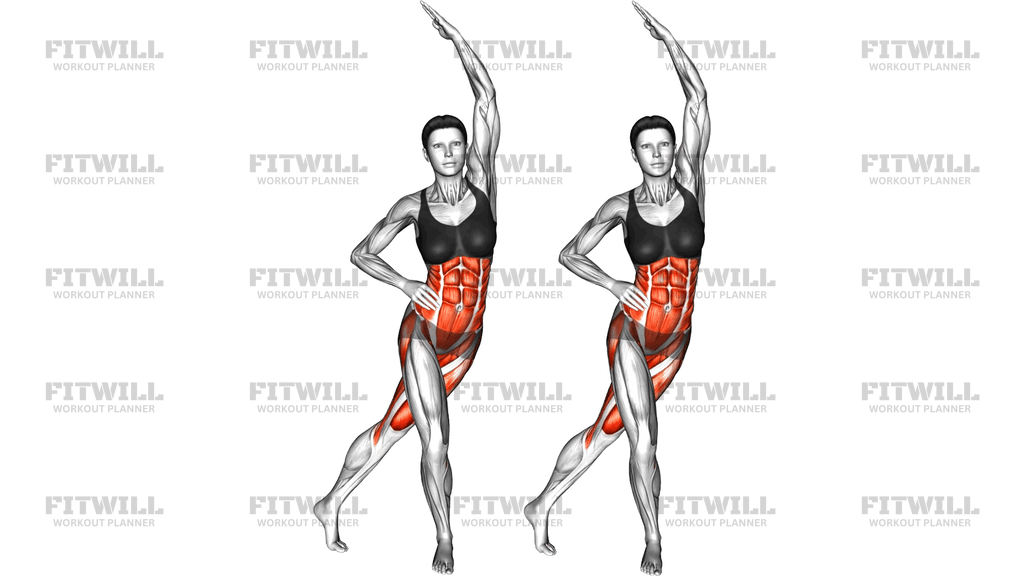
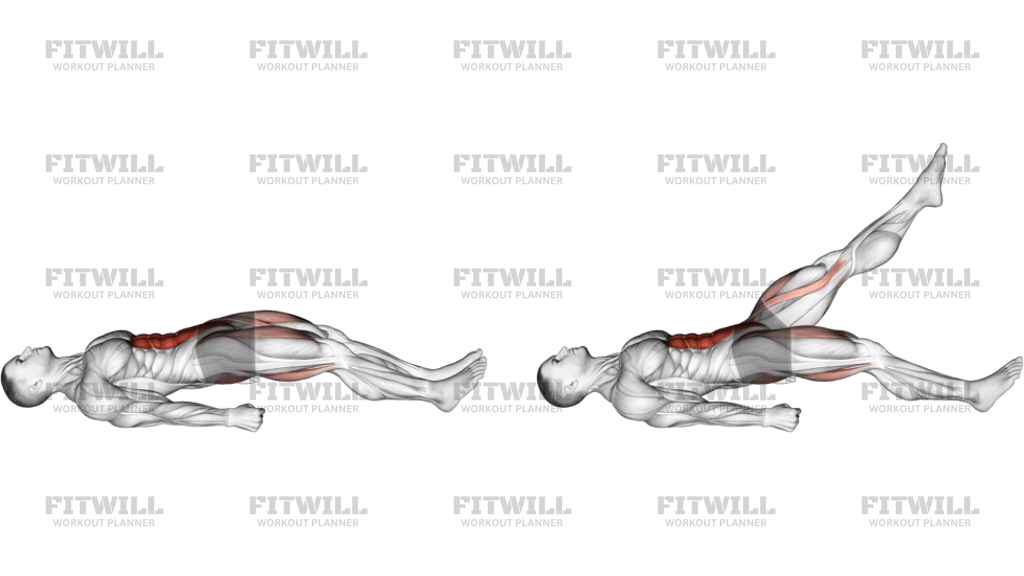
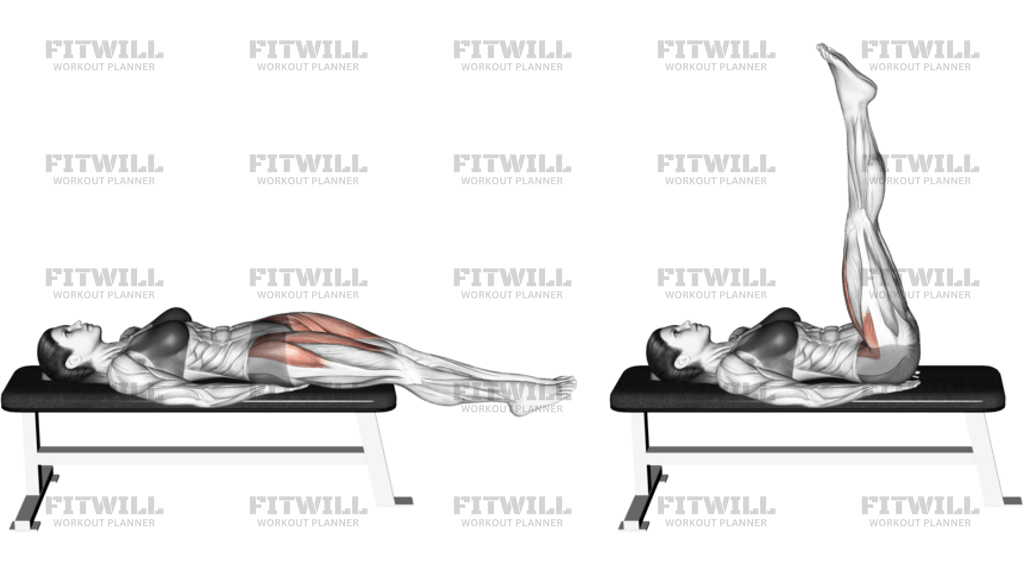
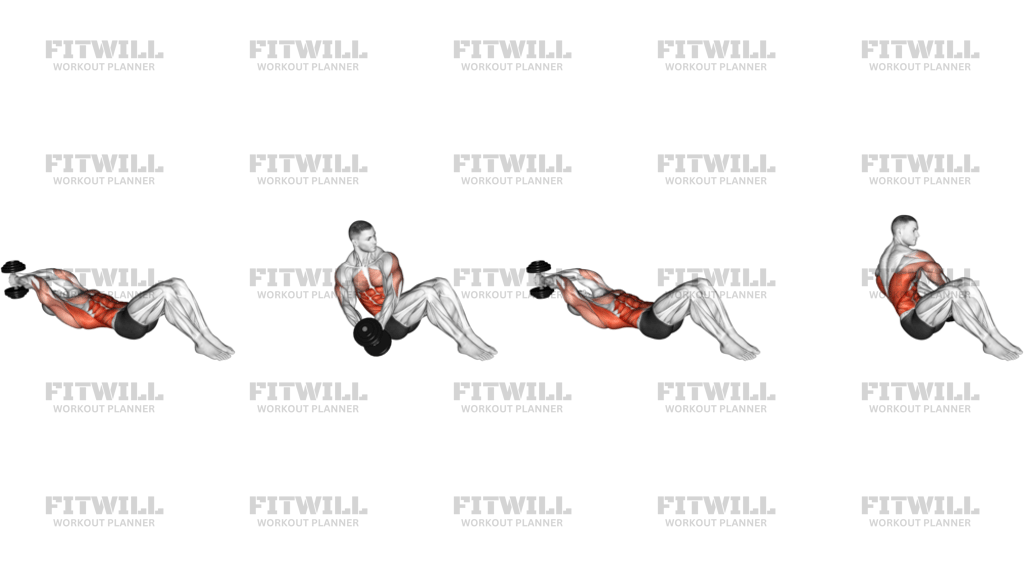
Lying Alternate Bent Leg Circle
The Lying Alternate Bent Leg Circle is a floor-based core and hip control drill performed from your back with one leg extended on the ground while the other knee bends and traces slow, deliberate circles around the hip. After completing the circles on one side, you straighten that leg, bring the opposite knee up, and repeat. The movement looks simple, but keeping your lower back pressed to the floor while the hip moves demands real coordination between your deep core and hip flexors.
This exercise is especially useful if you spend long hours sitting, since prolonged sitting tends to leave the hip flexors short and the deep abdominal muscles underactive. It is also a smart choice for anyone who finds straight-leg raises or hanging knee work too demanding on the lower back, because the bent-knee position shortens the lever and keeps the spine in a comfortable, supported position.
The main muscles working are the hip flexors at the front of the hip, particularly the iliopsoas, along with the lower abdominals that keep your pelvis stable. The deep core musculature works continuously to prevent your lower back from arching, while the thigh muscles assist as you bend and extend the knee. Because one leg stays extended, the straight leg also gets gentle active work holding it just off or lightly on the floor.
Setup matters more than speed here. Lie flat on your back on a mat with your arms relaxed at your sides, palms down. Before you move, gently flatten your lower back toward the floor and keep your ribs from flaring upward. If you start with an arched back, the circles will pull your spine into extension and you will feel the work in your back instead of your hips and abs.
To perform the exercise well, draw one knee up toward your chest, then trace a small circle with that knee, moving from the hip rather than swinging from the foot. Keep the circles controlled and modest in size, complete several in one direction, then reverse. Lower the leg with the same control you used to lift it, switch sides, and continue alternating.
Common uses include warm-ups before lower body training, core finishers, mobility-focused sessions, and rehabilitation-style routines where controlled hip motion is preferred over loaded exercises. The key safety point is honesty about your range: if your lower back lifts or your pelvis tilts as the knee circles, make the circles smaller until you can keep your spine quiet throughout.
[ Workout Log & Planner ]
Put your next workout in Fitwill
Keep your plan and training log ready when you are.


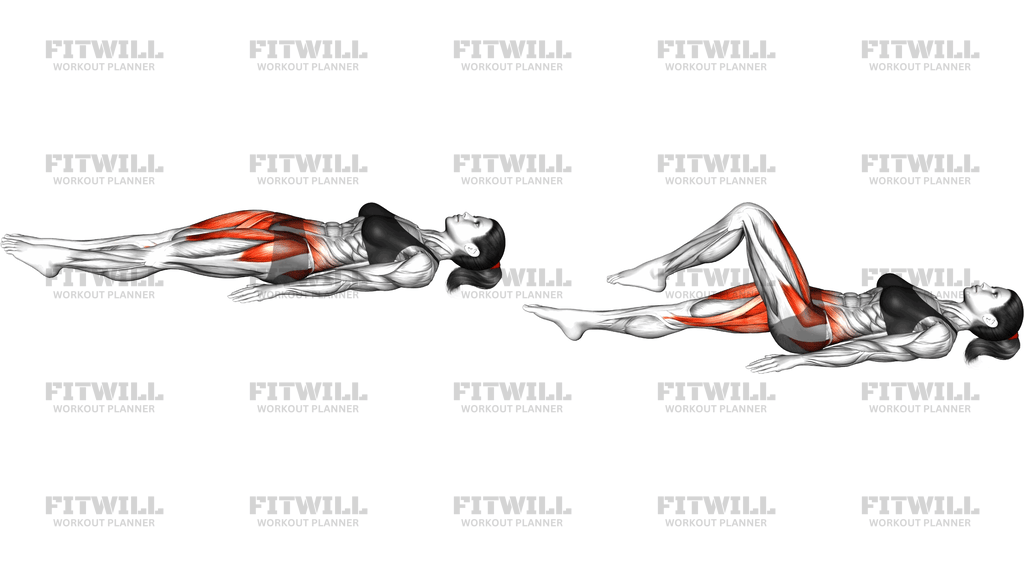
Instructions
- Lie on your back on an exercise mat with both legs extended straight and your arms resting at your sides, palms facing down.
- Point your knees toward the ceiling and gently press your lower back flat against the mat before moving.
- Exhale and draw your right knee up toward your chest until the thigh is roughly vertical, keeping the left leg extended on the floor.
- Keeping the knee bent, trace a small clockwise circle with the knee, moving from the hip joint while your pelvis stays level and still.
- Complete 5-8 circles clockwise, then reverse the direction and draw 5-8 counterclockwise circles.
- Inhale as you circle and exhale slowly through the movement, avoiding breath-holding.
- Lower the right leg back to the extended starting position with control, keeping the lower back in contact with the mat.
- Bring the left knee up and repeat the same circling pattern, matching the number of circles in each direction.
- Continue alternating legs for the desired number of rounds, resting briefly between rounds if your lower back starts to arch.
Tips & Tricks
- Make the circles smaller if you feel your lower back peel off the mat — a tight, small circle with a quiet pelvis beats a big circle with an arched spine.
- Move from the hip, not the foot; if your shin and ankle are leading the motion, the hip flexors are being bypassed and the exercise loses its point.
- Keep both hips level on the mat. A common mistake is letting the opposite hip lift as the knee circles, which twists the pelvis and reduces core involvement.
- Squeeze the extended leg's thigh softly to keep it active; a completely relaxed straight leg tends to roll outward and destabilize your position.
- If your hip pinches at the top of the circle, reduce how far the knee travels toward your chest rather than forcing through the discomfort.
- Slow the tempo down. Two to three seconds per circle keeps the deep core engaged, while fast circling turns the drill into uncontrolled momentum.
- Place your hands flat on the floor beside you and use them as feedback — if your knuckles press down hard, your torso is rocking and you need smaller circles.
- Breathe steadily throughout the circles; holding your breath increases tension in the neck and shoulders without adding anything to the hip work.
- Warm up the hips with a few gentle knee-to-chest pulls before starting if your hips feel stiff first thing in the morning.
Frequently Asked Questions
What muscles does the Lying Alternate Bent Leg Circle work?
The primary movers are the hip flexors at the front of the hip, especially the iliopsoas, while the lower abdominals and deep core stabilize the pelvis. The obliques assist as they resist the rotational pull of the circling knee, and the thigh muscles help bend and extend the leg.
Is the Lying Alternate Bent Leg Circle good for beginners?
Yes. The bent-knee position shortens the lever compared with straight-leg raises, which makes it much easier to keep the lower back flat. Beginners should start with small circles and fewer repetitions, then gradually increase the circle size as control improves.
Why does my lower back arch during the Lying Alternate Bent Leg Circle?
This usually means the hip flexors are pulling on the spine faster than your abdominals can stabilize it. Shrink the circles, slow the tempo, and consciously press your lower back into the mat before each repetition; if it still arches, keep the extended leg bent with the foot flat instead of straight.
How large should the circles be?
Start with circles no bigger than a dinner plate drawn by your knee. The correct size is the largest circle you can complete while your pelvis stays level and your lower back stays in contact with the mat.
Can I do the Lying Alternate Bent Leg Circle without a mat?
Yes, any firm, comfortable surface works, such as carpet or a towel. A mat is simply recommended because lying directly on a hard floor can be uncomfortable on the tailbone and spine.
How is this different from a lying leg raise?
A leg raise moves the whole straight leg up and down, placing a long lever load on the lower abdominals. The Lying Alternate Bent Leg Circle uses a bent knee circling at the hip, which shifts more of the emphasis toward controlled hip flexion and rotation while keeping the spinal load lower.
Should I circle both directions on each leg?
Yes. Completing circles clockwise and then counterclockwise on each leg balances the work around the hip socket and ensures both rotational directions of the hip are trained evenly.
What can I substitute if lying down is uncomfortable?
A standing version works similarly: balance on one leg, lift the opposite knee to hip height, and trace small circles with the knee while holding a stable support. This adds a balance demand, so keep the circles slow and controlled.
How many reps of the Lying Alternate Bent Leg Circle should I do?
A practical starting dose is 5-8 circles in each direction per leg for 2-3 rounds. Since this is a control drill rather than a strength max-out, prioritize smooth, quiet pelvis movement over adding volume.
Is it safe to do this exercise every day?
For most people, yes, because it is a low-load, body weight movement. If you experience persistent pinching at the front of the hip or lower back discomfort during or after the exercise, reduce the range and frequency and check your form before continuing.