Weighted Lying Neck Flexion
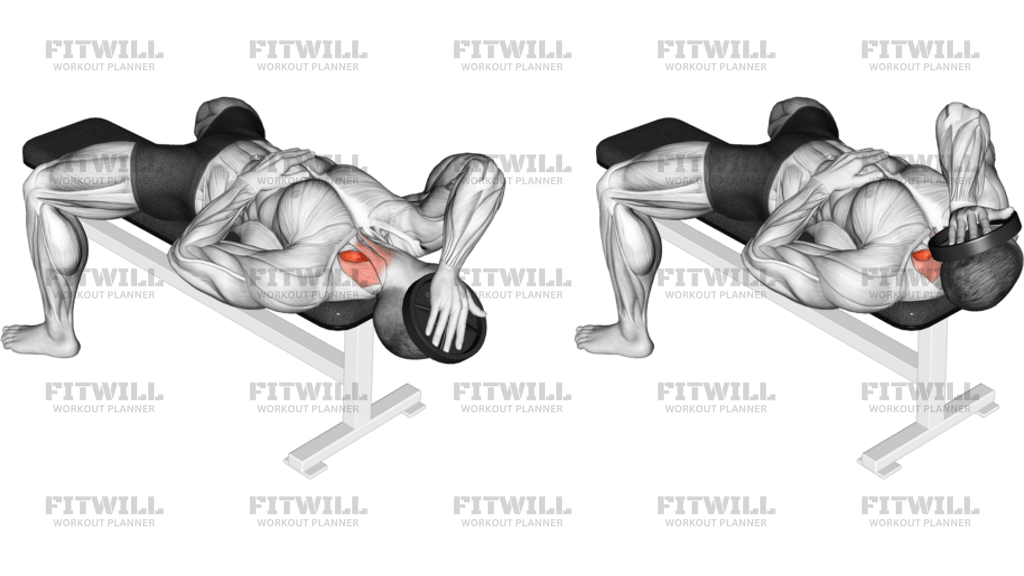
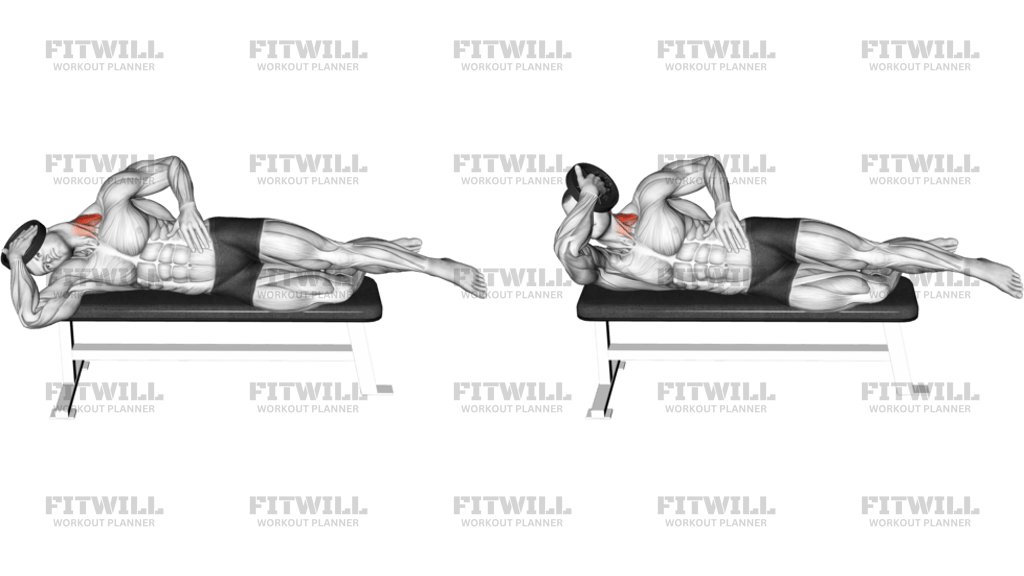
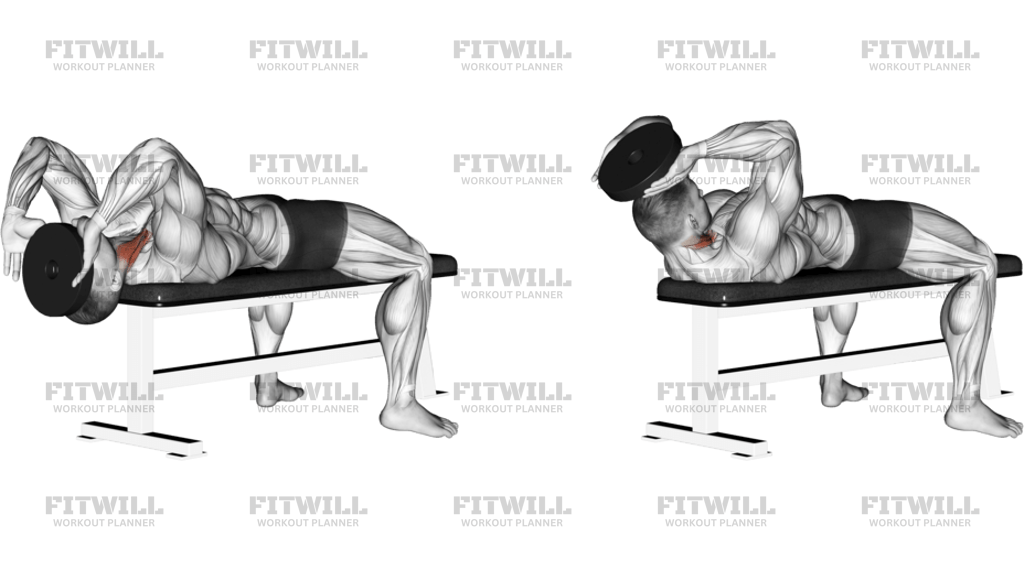
Weighted Lying Neck Flexion is a direct neck-strength accessory performed lying on a flat bench with the head supported near the edge and a plate or other small load stabilized on the forehead. The movement is simple, but the setup matters: the bench position lets the head travel through a controlled arc while the upper back, shoulders, and torso stay quiet. That makes it useful for building the strength and endurance of the muscles that help you nod the chin toward the chest and resist unwanted neck motion.
This exercise is usually programmed as a focused accessory rather than a maximal lift. It is common in contact-sport preparation, grappling work, general neck conditioning, and posture-focused training because the load is easy to scale and the movement is easy to standardize. The goal is not to heave the head upward, but to create a smooth cervical flexion with enough control that the plate stays stable and the rep looks the same from start to finish.
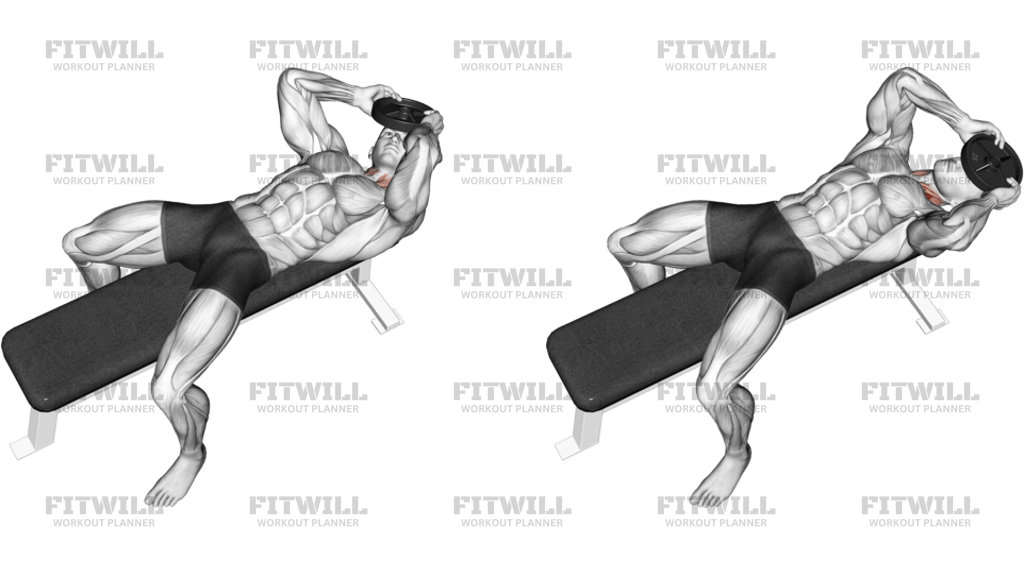
Set up by lying back so the upper back is supported and the head can move freely just past the end of the bench. Plant the feet, brace lightly, and keep the plate centered so it does not drift as the neck moves. From there, let the head lower only as far as you can control, then curl the chin toward the chest and lift the head through a clean arc. The hands should guide the load and keep it balanced, not yank the head through the rep.
The best repetitions come from a small, honest range and a slow return to the stretched position. Keep the jaw relaxed, the shoulders still, and the neck moving without twisting or shrugging. If you feel pinching, dizziness, or a sharp headache, stop the set and reduce the range or load. Weighted Lying Neck Flexion works best when the weight is light enough to preserve a smooth path and the tension stays in the front of the neck instead of spreading into the upper traps or letting momentum take over.
[ Workout Log & Planner ]
Put your next workout in Fitwill
Keep your plan and training log ready when you are.


Instructions
- Lie on a flat bench with your upper back and shoulders supported and your head close to the edge so it can move freely.
- Plant both feet on the floor and keep your ribcage down so the torso stays quiet during the rep.
- Hold a small plate against the forehead with both hands, centering the load so it does not slip left or right.
- Let the head lower back only as far as you can control without forcing the neck into a hard stretch.
- Start the rep by nodding the chin toward the chest and lifting the head through a smooth cervical flexion arc.
- Keep the shoulders, upper back, and hips still while the neck does the work.
- Pause briefly near the top when the chin is tucked and the front of the neck is fully shortened.
- Lower the head back down slowly, keeping the plate steady and the movement controlled.
- Reset your breath and repeat for the planned number of repetitions.
Tips & Tricks
- Start with a very light plate or no load until you can keep the head path smooth and centered.
- Keep the plate on the forehead, not the nose or jaw, so the load stays stable as the neck flexes.
- Do not pull with the hands; they should only steady the weight and prevent it from shifting.
- Use a shorter range if the head wants to drift backward too far or the neck feels pinchy at the bottom.
- Exhale as you curl the chin toward the chest to avoid holding your breath through the hardest part of the rep.
- Keep the jaw loose and the face relaxed so you do not add unnecessary tension to the neck.
- A slow lowering phase helps you build control and makes the front of the neck work through the full arc.
- Stop the set if you feel dizziness, headache, tingling, or any sharp pain in the neck.
- If the plate slides or the shoulders start helping, the load is too heavy for the current set.
Frequently Asked Questions
What does Weighted Lying Neck Flexion train?
It mainly trains the front of the neck and the muscles that help you flex the cervical spine in a controlled way.
Where should I position the bench and head for this exercise?
Lie on a flat bench with your upper back supported and your head close to the edge so it can move through a free, controlled arc.
Where does the weight go?
Place the plate against the forehead and hold it steady with both hands so it stays centered as the head moves.
Can beginners use this neck flexion variation?
Yes, but only with very light load, a short range, and strict control. If neck pain or instability is present, get clearance first.
Should my shoulders move during the rep?
No. The shoulders and upper back should stay quiet while the neck does the flexion.
What is the most common form mistake?
Using too much load and letting the hands pull the head through the motion instead of letting the neck work on its own.
How much range of motion should I use?
Only as much as you can control without pinching, jerking, or losing the plate position.
When should I stop the set?
Stop if you get a headache, dizziness, tingling, or any sharp discomfort in the neck.