Weighted Lying Neck Side To Side
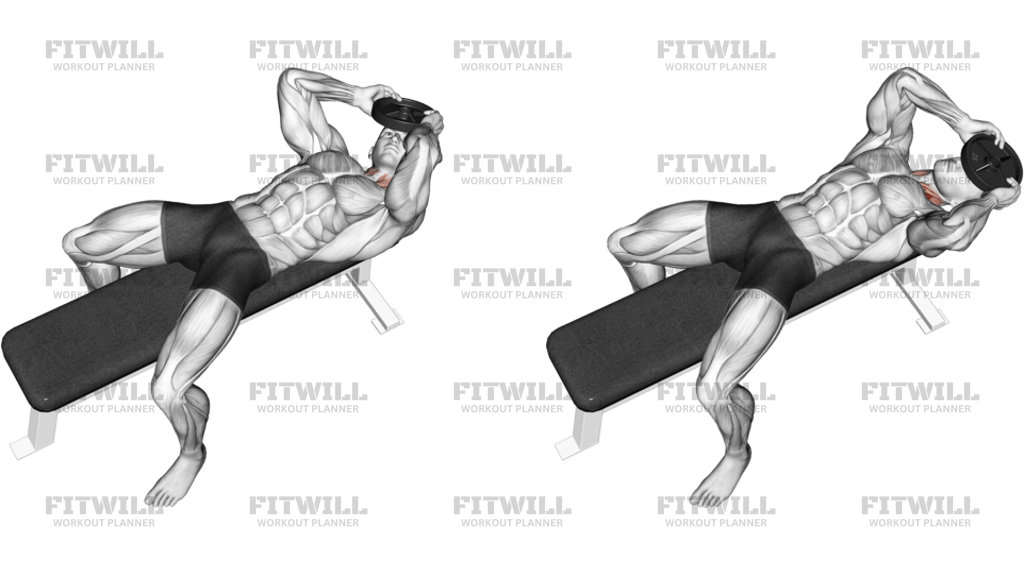
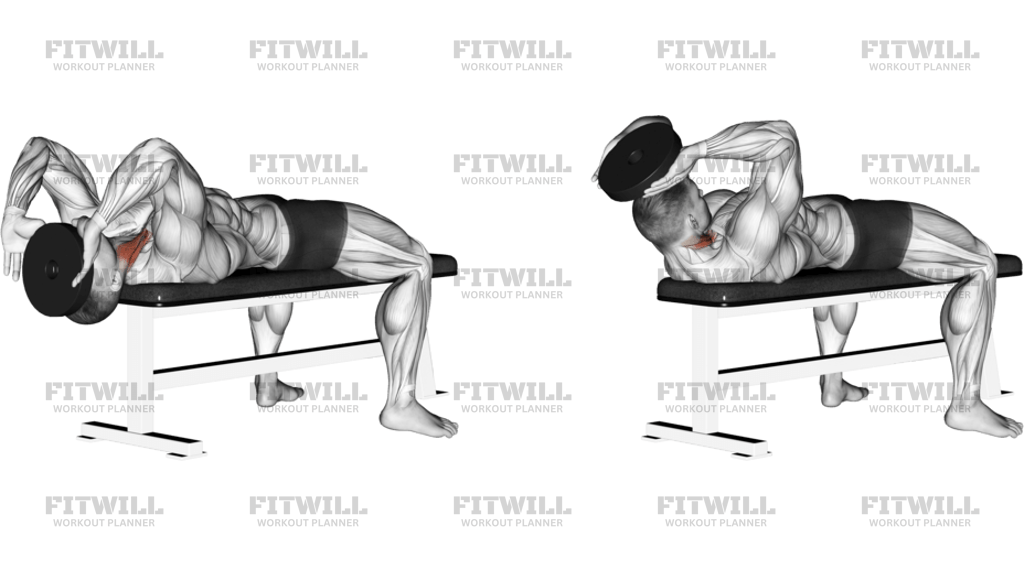
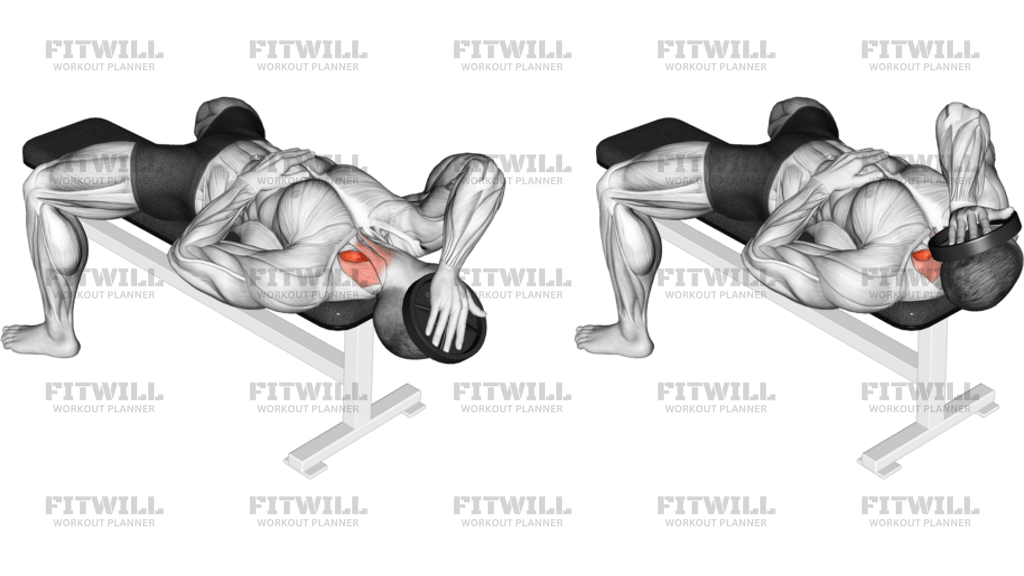
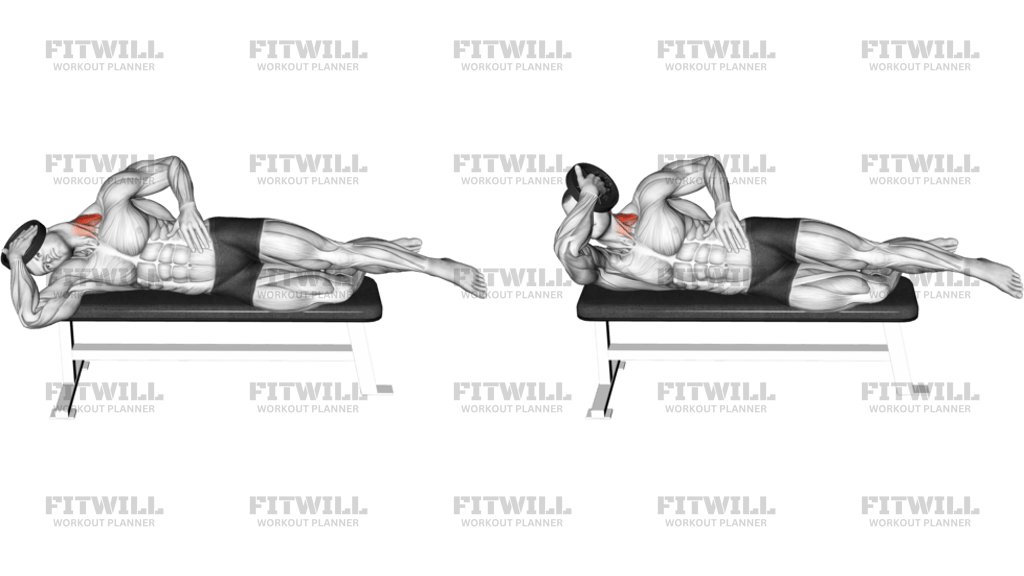
Weighted Lying Neck Side To Side is a controlled neck-strength exercise performed while lying on a bench and moving the head from one side to the other against light resistance. It is designed to build stronger, more coordinated cervical muscles rather than to chase a large range of motion or a heavy load. The main value of the exercise comes from staying smooth, keeping the torso quiet, and letting the neck do the work.
Because the neck is a small and sensitive area, the setup matters as much as the movement itself. Lie with your upper back and head supported on a flat bench, feet planted, and the shoulders relaxed so the body does not help with the rep. Holding the weight close to the head makes the lever shorter and keeps the resistance manageable, which is especially important for beginners or anyone returning to neck work.
The repetition itself should feel like a small side-to-side arc, not a swing. Move one ear toward one shoulder, pass back through center, and repeat to the other side while keeping the chin controlled and the jaw relaxed. If the shoulders lift, the ribs flare, or the torso twists, the neck is no longer the only thing creating the movement.
Weighted Lying Neck Side To Side is useful for athletes who want better neck resilience, posture endurance, and control under contact or bracing demands. It can also be helpful as accessory work for people who spend long hours looking down at a screen and want better awareness of head position. The safest way to use it is with light resistance, short sets, and a clean range that never produces pinching, dizziness, or sharp pain.
Treat this exercise like precision work. A slower tempo, a stable bench position, and even breathing will give you far more benefit than trying to force a bigger range. That makes it better suited to accessory work than to all-out loading. When the neck starts to tire, the motion usually gets sloppy before the muscles are truly finished, so stop the set as soon as you lose control and reset before the next rep.
[ Workout Log & Planner ]
Put your next workout in Fitwill
Keep your plan and training log ready when you are.


Instructions
- Lie on a flat bench with your upper back and head supported, feet planted firmly on the floor.
- Hold a small weight plate with both hands close to your face so the load stays controlled and balanced.
- Set your shoulders down, keep your ribs quiet, and start with your head centered over the bench.
- Tuck your chin slightly, then lower one ear toward the same-side shoulder in a smooth side-to-side arc.
- Stop the descent before your shoulder has to rise or your torso starts to twist.
- Bring your head back through center with control, then repeat toward the opposite side.
- Exhale as you move into each side bend and inhale as you return through the middle.
- Keep the motion small and steady instead of trying to force a bigger range of motion.
- After the final rep, lower the plate to your chest or lap and sit up slowly before setting it down.
Tips & Tricks
- Use the lightest plate that still gives you a clear neck challenge; heavy loading turns this into a sloppy shrugging drill.
- Keep the bench supporting the back of your head and upper back so the movement stays in the neck instead of the shoulders.
- Let the jaw stay loose; clenching often shows up as extra tension through the front of the neck.
- If one side feels much tighter, shorten the range on that side rather than forcing the head farther down.
- Keep both elbows relaxed and close to the body so the plate does not drift during the rep.
- Do not let the ribcage flare when you switch directions; that usually means the torso is helping too much.
- A slower tempo works better than bigger reps because the neck responds best to precise control.
- Stop the set as soon as the head starts wobbling, because fatigue shows up quickly in this movement.
- If the exercise feels pinchy at the base of the skull, reduce the range or switch to a lighter plate immediately.
Frequently Asked Questions
What does Weighted Lying Neck Side To Side train?
It mainly trains the neck muscles that control side bending and stabilize the head, with the front of the neck and small supporting muscles helping keep the motion smooth.
How should I hold the plate in Weighted Lying Neck Side To Side?
Hold a small plate with both hands close to your face so the load stays centered and easy to control. The weight should feel like a light resistance tool, not something you have to fight against.
Do I need a flat bench for Weighted Lying Neck Side To Side?
A flat bench is the cleanest setup because it supports the upper back and head evenly. If the bench edge hits the back of your head, slide your body slightly until the skull is fully supported.
How far should my head move side to side?
Only move as far as you can keep the shoulders down and the torso quiet. The best rep is usually smaller than people expect, especially when you first load the movement.
Can beginners do Weighted Lying Neck Side To Side?
Yes, but only with very light resistance and a short range of motion. Beginners should treat it as a control exercise first and a strength exercise second.
What is the most common mistake in Weighted Lying Neck Side To Side?
The most common mistake is letting the shoulders shrug or the torso twist so the neck does less of the work. Keep the body heavy on the bench and let only the head travel side to side.
What should I do if my neck feels tight during the rep?
Reduce the range, slow the tempo, and lighten the plate. Tightness usually improves when the movement stays smaller and more controlled.
Where does Weighted Lying Neck Side To Side fit in a workout?
It works best near the end of a session or in a small accessory block, when you can focus on precision instead of trying to move heavy weight.