Cable Elevated Row
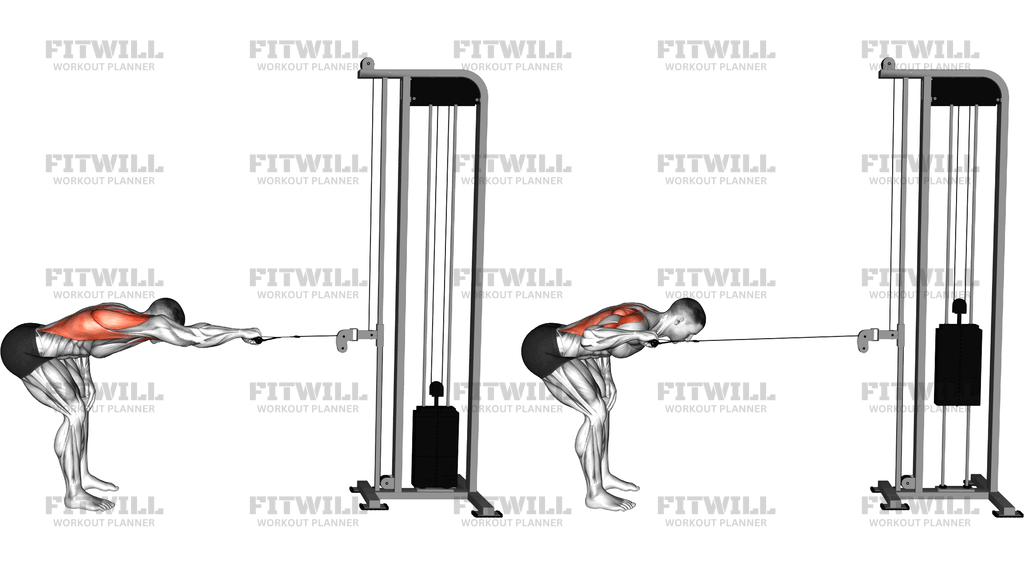
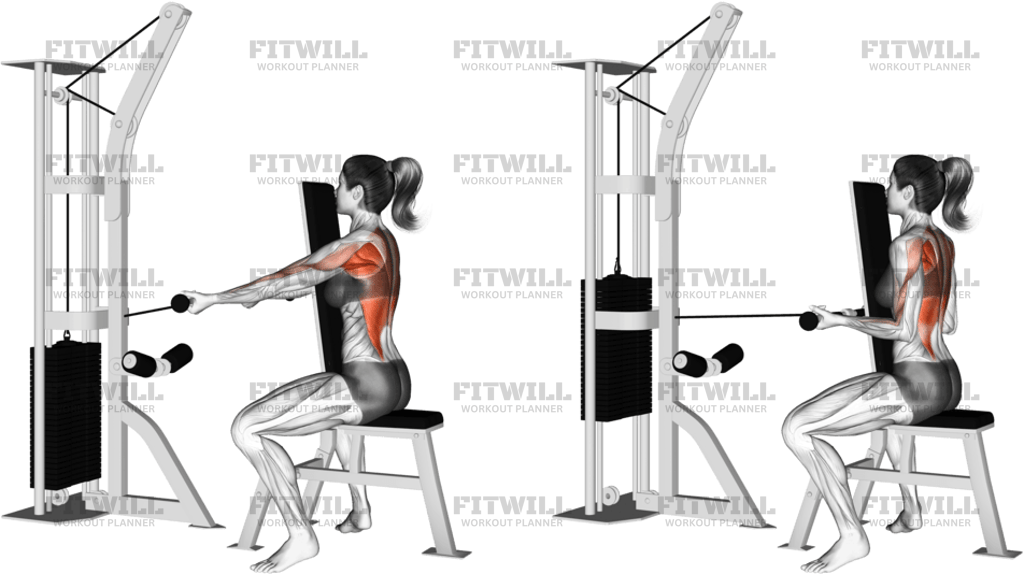
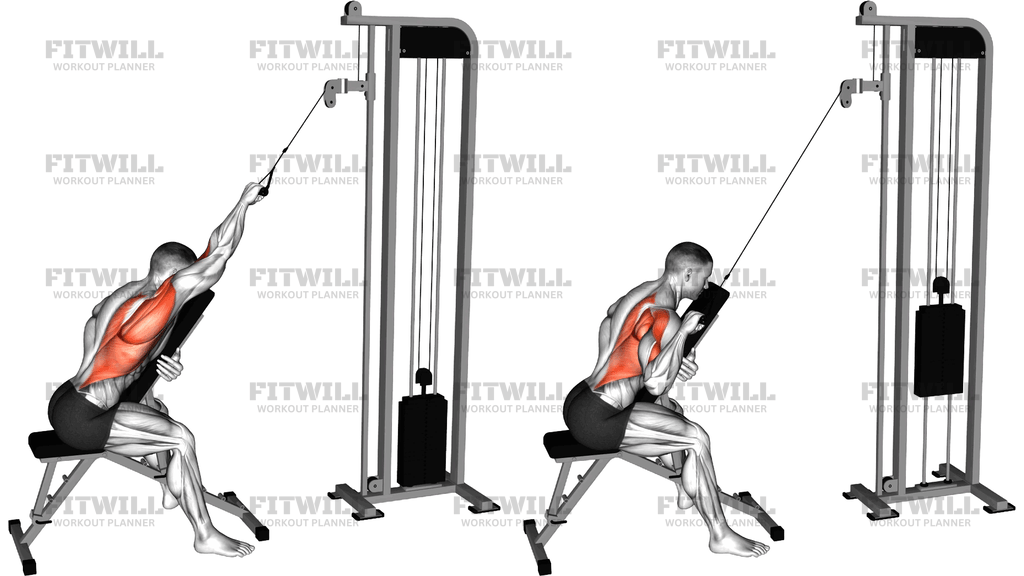
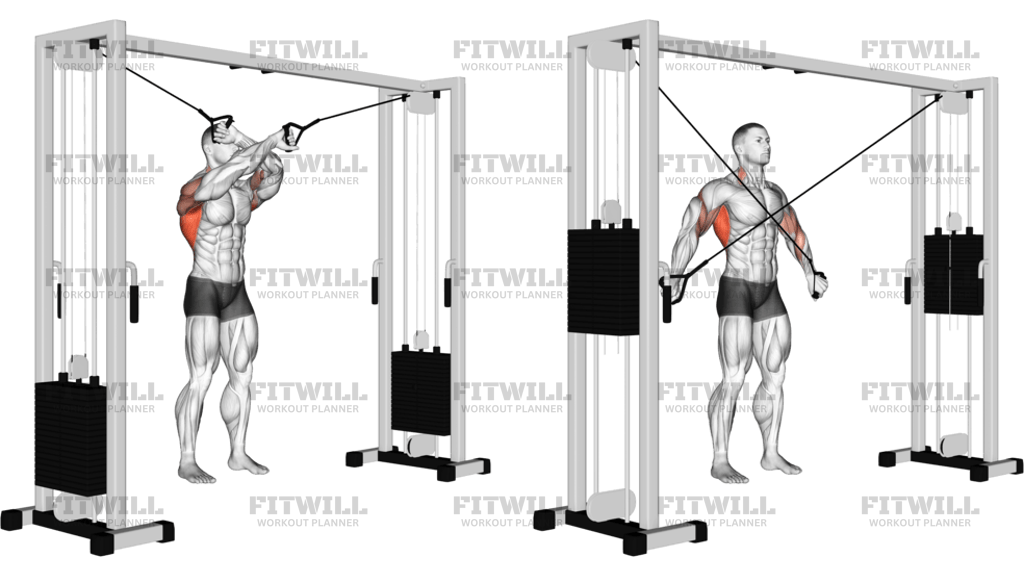
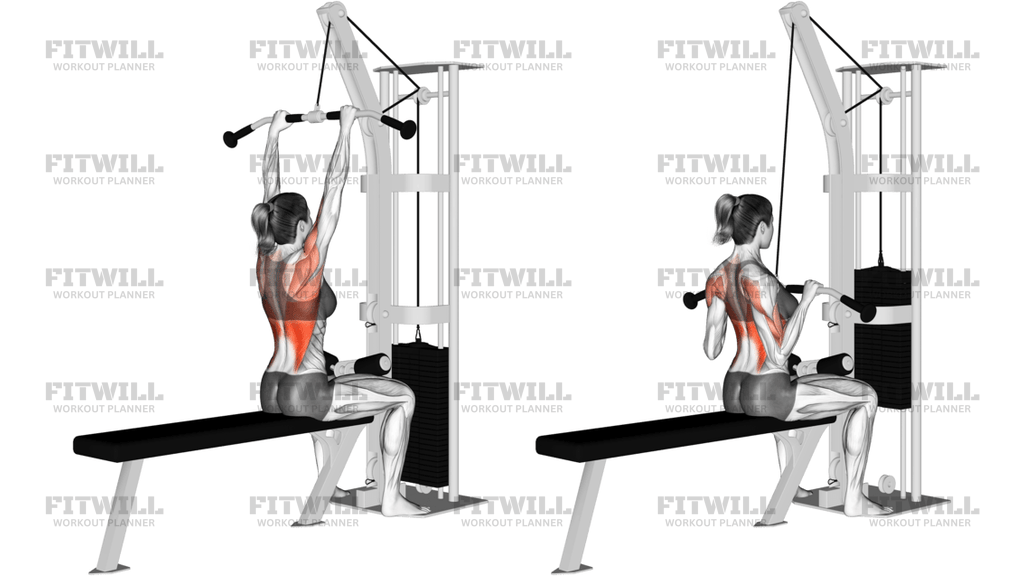
Cable Elevated Row is a standing cable back exercise built around a high, elevated line of pull and a controlled row toward the torso. With the cable set around shoulder height, the movement asks you to keep your ribs stacked, your spine neutral, and your shoulders organized while the handle travels toward the lower rib cage. That setup makes the exercise useful for training the upper back without losing the steady tension that cable work provides.
The main muscles involved are the lats, rhomboids, and traps, with the biceps and forearms helping through the pull. In practical terms, this means the exercise can build both back strength and back shape while also challenging grip and posture. Because the load never fully disappears, each rep stays more connected than a free-weight row, which is helpful when you want smooth resistance instead of a swing or heave.
The elevated start changes the feel of the row. You are not trying to yank the handle with your arms; you are pulling the elbows back while the shoulder blades move together and down. That makes setup important. If the pulley is too low, the line of pull changes and the exercise stops feeling like an elevated row. If the stance is too loose or the torso leans back, the stack takes over and the back loses tension.
This movement works well in upper-body sessions, back-focused days, or accessory blocks after heavier presses and pulls. It is also a useful option when you want a lower-impact rowing pattern that still gives a strong upper-back contraction. Beginners can use it safely with light load and short pauses, while more advanced lifters can use it for higher reps, unilateral work, or slower eccentrics to clean up symmetry and control.
The main coaching priorities are simple: keep the chest tall without overextending the lower back, pull the handle toward the lower ribs, and return under control until the arms are long again. Avoid shrugging the shoulders, jerking the stack, or turning the row into a full-body swing. When the cable stays taut and the torso stays quiet, the exercise does what it is meant to do: train the back through a consistent, repeatable pull.
[ Workout Log & Planner ]
Put your next workout in Fitwill
Keep your plan and training log ready when you are.


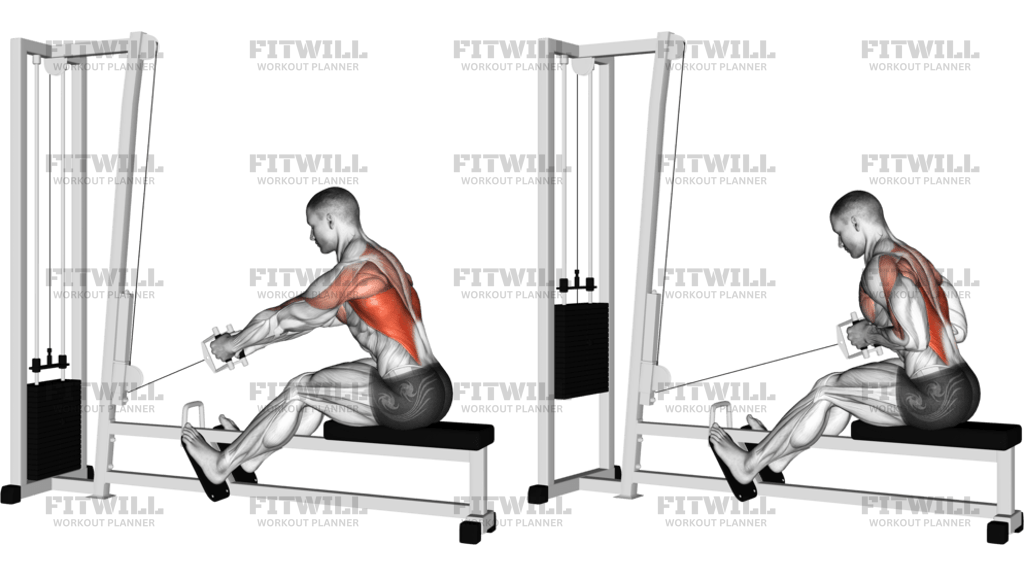
Instructions
- Set the cable attachment at about shoulder height and select a light load you can pull smoothly.
- Stand facing the machine with your feet about shoulder-width apart and a soft bend in both knees.
- Hold the handle attachment with both hands, then step back until the cable is taut and your arms are long in front of you.
- Stack your ribs over your pelvis, lift your chest without arching your lower back, and keep your shoulders away from your ears.
- Start each rep with your shoulders controlled and your elbows pointed slightly out from the body, not flared wide.
- Pull the handle toward your lower rib cage by driving your elbows back and squeezing your shoulder blades together.
- Pause briefly at the finish without leaning back or shrugging, then keep the neck relaxed.
- Lower the handle slowly until your arms are extended again and the cable stays under tension.
- Exhale as you pull and inhale as you return, then repeat for the planned number of repetitions.
Tips & Tricks
- Set the pulley high enough that the cable pulls from above your hands at the start; that is what gives the row its elevated angle.
- Think about driving the elbows back rather than curling the handle with your hands.
- Keep the ribs down. If you lean back to finish the rep, the stack is too heavy.
- Let the shoulder blades move together, but do not force a hard pinch that pushes the chest forward.
- Use a neutral wrist so the forearms stay aligned with the handle and the grip does not take over.
- A slower lowering phase usually makes this row feel better on the back and keeps the cable under tension.
- If both sides do not feel equal, switch to a single-handle unilateral variation and match the range on each side.
- Stop the set when the shoulders start to shrug or the torso starts swinging, even if the weight stack is still moving.
- A medium rep range works well because the goal is a controlled back contraction, not a maximal heave.
Frequently Asked Questions
What muscles does Cable Elevated Row work?
It mainly trains the lats, rhomboids, and traps, with the biceps and forearms helping through the pull.
Why is the cable set at shoulder height?
That higher pulley angle creates the elevated row path and keeps the resistance coming from above instead of straight in front of the body.
Should my elbows stay close to my sides?
Yes, keep them mostly close and drive them back. A slight flare is fine, but wide elbows usually turn the row into a different movement.
How should the handle travel during the rep?
Pull it toward the lower rib cage or upper waist, then return it slowly until the arms are long again.
Is this exercise suitable for beginners?
Yes. Use a light load, keep the stance stable, and focus on smooth pulling without leaning back.
What if I feel the movement mostly in my lower back?
Reduce the load, shorten the stance if needed, and keep your ribs stacked so you are not turning the row into a back extension.
Can I do Cable Elevated Row one arm at a time?
Yes. A single-handle unilateral version can help you clean up side-to-side differences and make the upper-back contraction easier to feel.
What grip should I use on the handle attachment?
Use the grip that keeps your wrist straight and lets you pull without twisting the forearm or shrugging the shoulder.
How does this differ from a seated cable row?
The standing elevated setup adds more postural control and changes the pull angle, so the exercise feels less like a seated row and more like a high, standing back pull.