Lunging Straight Leg Calf Stretch
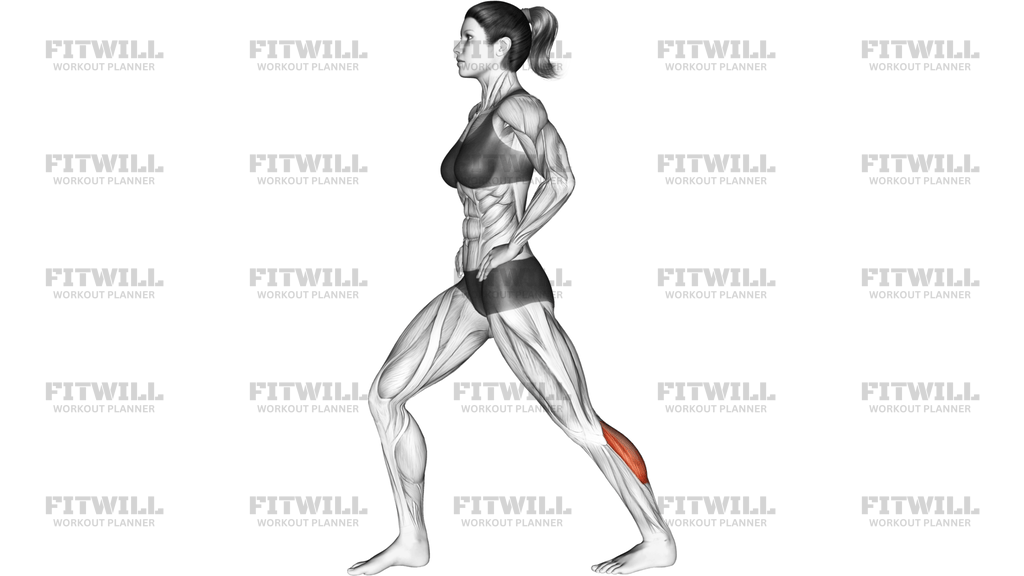
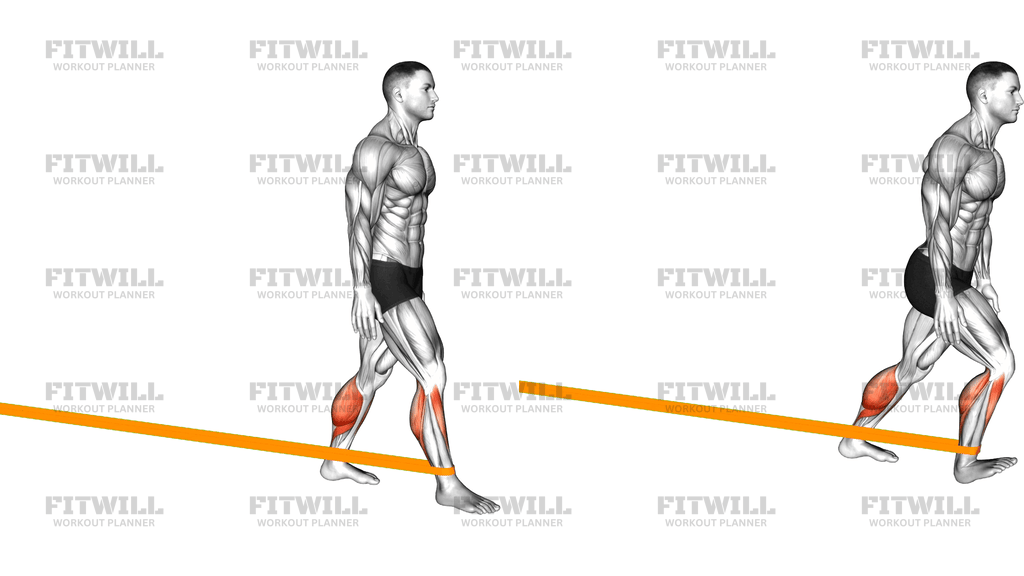
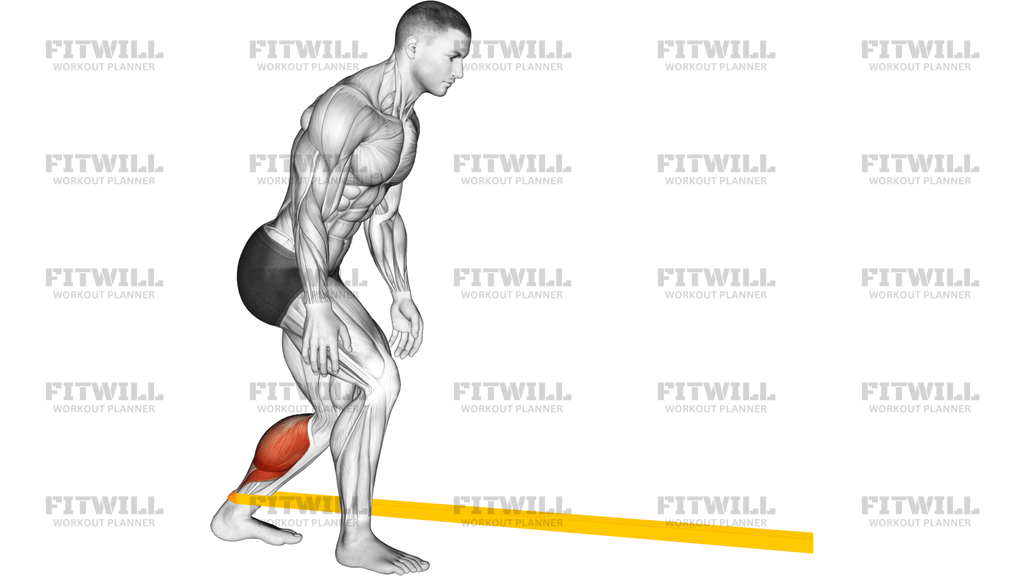
Lunging Straight Leg Calf Stretch is a standing split-stance stretch for the back leg calf, usually done with body weight on an exercise mat or stable floor. The rear knee stays straight while the front knee bends and the hips shift forward, which lengthens the gastrocnemius more than a bent-knee calf stretch. The position is simple, but the details matter: foot angle, heel contact, and hip alignment decide whether you feel a useful calf stretch or just collapse into the front leg.
This movement is most useful when your calves feel tight after running, jumping, squatting, or long periods of standing. It can also help restore ankle mobility before lower-body training, as long as you keep the stretch controlled and pain-free. The back foot should stay pointed mostly forward with the heel grounded or as close to grounded as your mobility allows. If the heel lifts early, shorten the stance and rebuild the stretch from the foot and ankle up instead of forcing the hips farther forward.
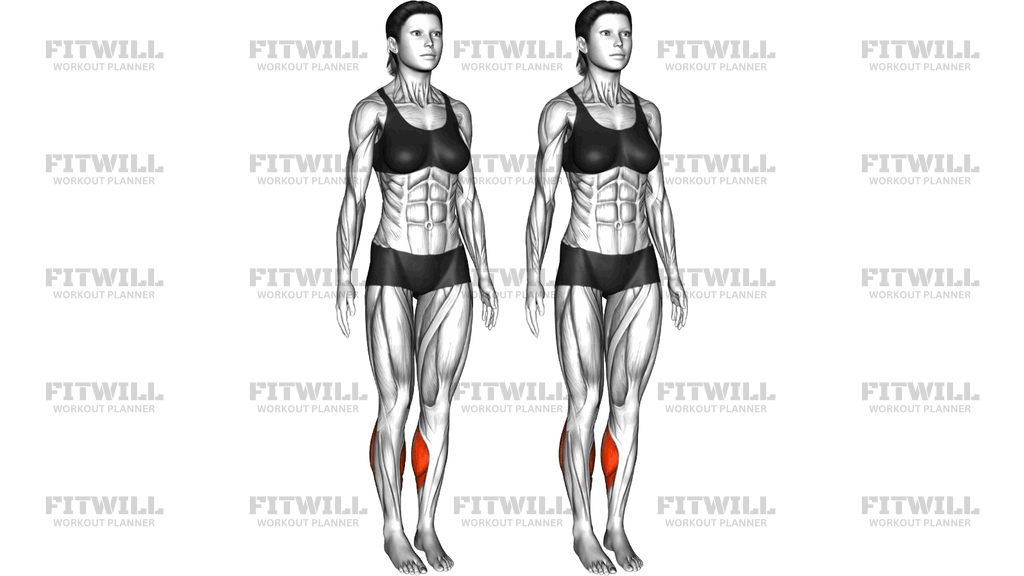
The main target is the calf of the back leg, especially the gastrocnemius, while the front leg, glutes, and trunk help keep you balanced and square. A clean stretch feels like a long line from the back heel through the calf and up toward the knee. If you twist the pelvis, turn the back foot out, or let the arch cave, the stretch becomes less specific and the ankle tends to take over. Stay tall through the torso, keep both hips facing forward, and let the front knee bend only as much as needed to create room for the rear calf.
Use this stretch as a warm-up drill, a cool-down hold, or part of a mobility circuit. The goal is not to sink as low as possible, but to find a position you can hold calmly while breathing and keeping the rear leg straight. Move in and out of the stretch smoothly, and stop if the sensation turns sharp, pinchy, or travels into the Achilles tendon or foot. Done well, Lunging Straight Leg Calf Stretch is a practical way to improve calf length and ankle comfort without adding unnecessary strain.
[ Workout Log & Planner ]
Put your next workout in Fitwill
Keep your plan and training log ready when you are.


Instructions
- Stand in a long split stance on a stable floor or mat, with the back leg straight and the front foot far enough forward to let your hips shift.
- Point both feet mostly straight ahead and keep the back heel down as you set your stance.
- Bend the front knee and keep the back knee straight so the back calf stays lengthened.
- Square your hips to the front instead of letting the back side rotate open.
- Shift your hips forward until you feel a stretch high in the calf of the back leg.
- Keep the back foot flat and let the arch stay active instead of rolling to the outside edge.
- Hold the stretch and breathe slowly so the calf can relax without bouncing.
- Ease out of the position with control, then switch sides and repeat.
Tips & Tricks
- A longer stance increases the calf stretch, but if the back heel pops up, you have stepped too far.
- Keep the rear toes pointing forward; turning the foot out usually shifts tension away from the calf.
- The straight back knee is what emphasizes the gastrocnemius, so do not soften it if that is the target.
- Keep the torso tall and avoid collapsing onto the front thigh, which can hide the real calf stretch.
- Pressure should stay on the back heel and midfoot, not just the front toes.
- If the stretch feels more like the Achilles than the calf belly, reduce the forward shift and shorten the stance.
- Use slow breaths to let the calf settle deeper instead of bouncing into range.
- Stop the rep if you feel a sharp pull, cramp, or tingling in the ankle or foot.
Frequently Asked Questions
What part of the leg does this lunge stretch target most?
It mainly targets the calf of the back leg, especially the gastrocnemius.
Do I need to keep the back knee straight?
Yes. Keeping the back knee straight is what makes this a straight-leg calf stretch instead of a bent-knee soleus stretch.
Should the back heel stay on the floor?
Ideally yes. If the heel lifts, shorten your stance and shift forward less so the stretch stays in the calf instead of the foot.
Why does the front knee bend during this stretch?
The front knee bends to let the hips move forward while the rear leg stays long and the back calf stays under tension.
How do I know if I am stretching the right area?
You should feel a long stretch high in the back calf, not a sharp pull in the Achilles tendon or a collapse in the front hip.
Can beginners use this calf stretch?
Yes. Beginners usually do best with a shorter stance, a small forward shift, and a steady hold they can control.
When is this stretch most useful?
It works well after running, jumping, squatting, or any session that leaves the calves feeling tight.
How do I make the stretch more intense without bouncing?
Take a slightly longer stance, keep the back heel down, and shift the hips forward a little farther while keeping the torso tall.