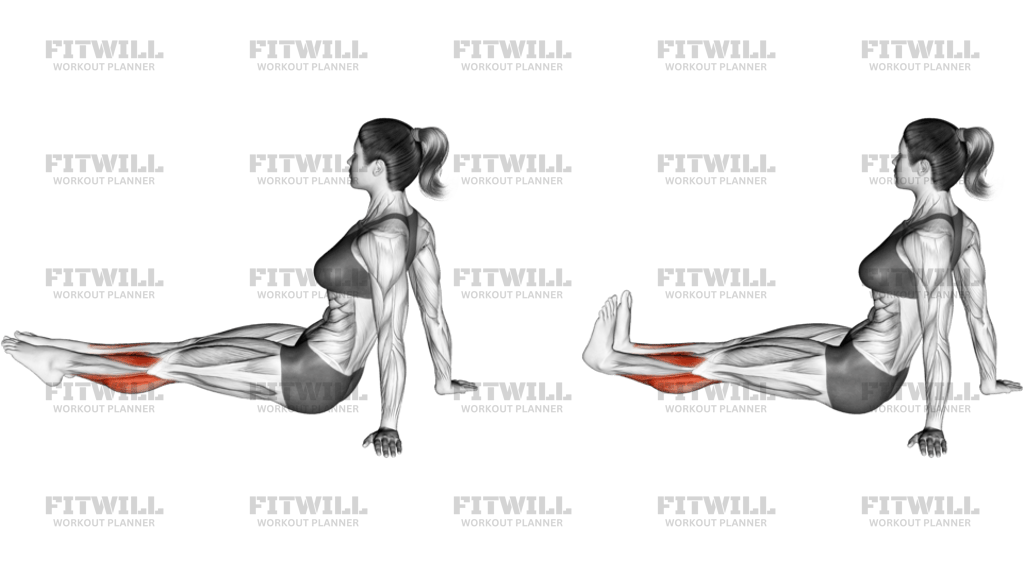
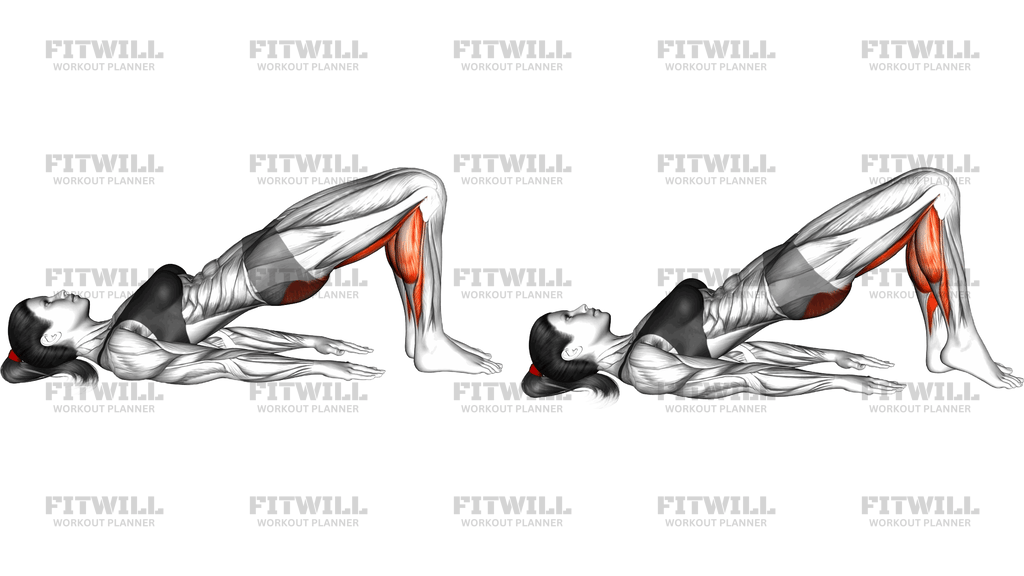
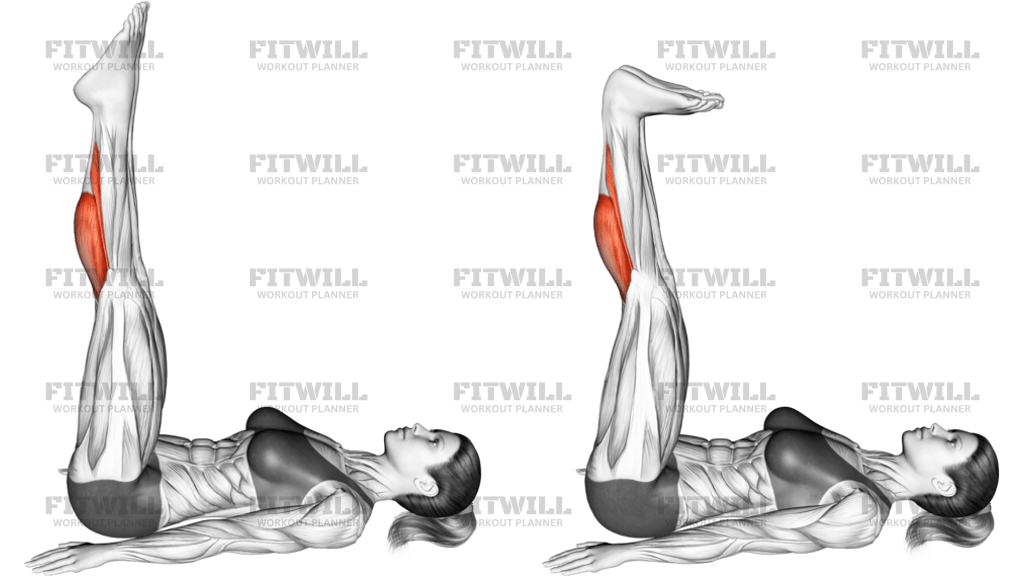
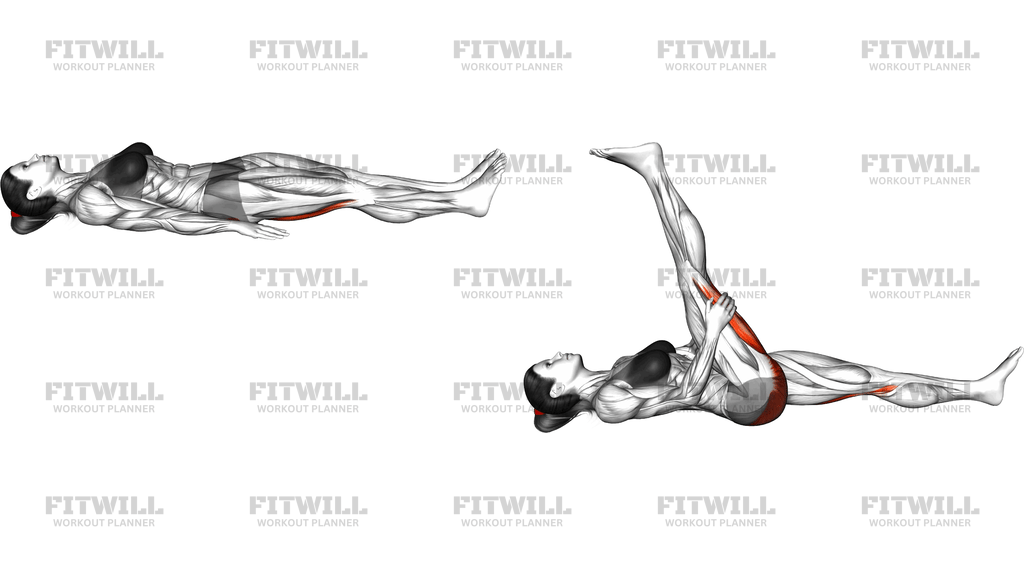
Standing Peroneus Muscles Stretch
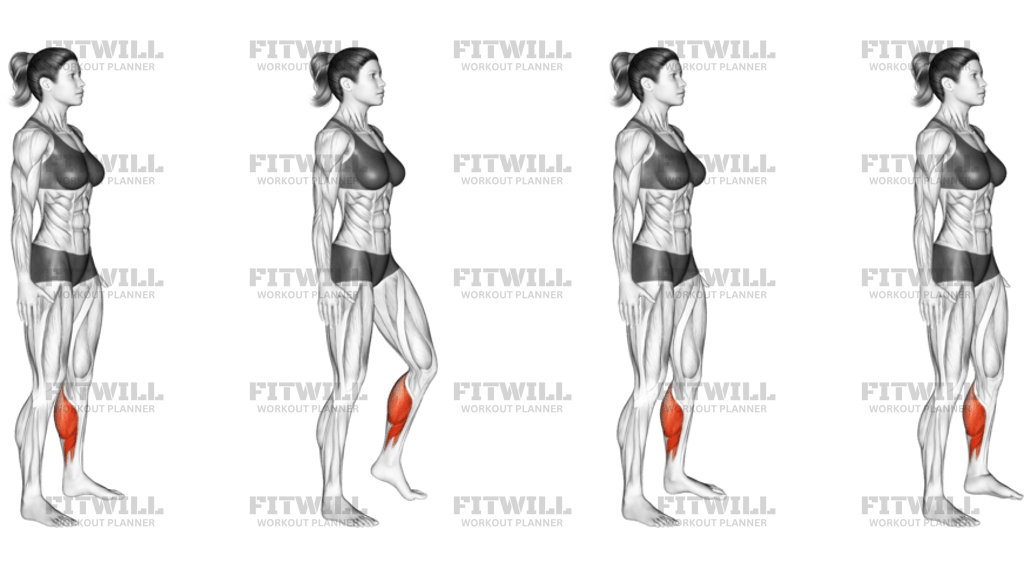
Standing Peroneus Muscles Stretch is a body-weight mobility exercise for the outside of the lower leg, especially the peroneal muscles that run along the lateral shin and help control ankle stability. The stretch is usually performed standing on an exercise mat, with the body tall and the working foot set up so the ankle can move into a comfortable lengthened position without losing balance.
The exercise is most useful when the outer lower leg feels tight after running, jumping, cutting, side-to-side work, or long periods of standing. It also pairs well with ankle mobility work because the peroneals influence how smoothly the foot and ankle can absorb load. When these tissues are stiff, the lower leg often feels cramped or the ankle feels reluctant to move freely.
Setup matters more than force. A clean standing position lets you create tension through the ankle and lower leg instead of dumping stress into the knee, hip, or toes. Keep the torso stacked, use a light brace through the trunk, and position the working foot so you can feel a stretch along the outside of the shin and around the outer ankle rather than a sharp pinch in the foot.
Each repetition should feel smooth and controlled. Move into the stretch gradually, pause long enough to breathe into the end range, and then come out of it without bouncing. If you need extra balance, lightly touch a wall or rack with one hand, but keep the work coming from the lower leg rather than from leaning your whole body forward.
Use Standing Peroneus Muscles Stretch as part of a warm-up, cool-down, ankle-rehab style mobility block, or any session where the lower leg needs a little more space before heavier lifting or running. The goal is not to chase the biggest possible stretch; the goal is to build repeatable ankle control and a better-feeling outer shin over time.
Fitwill
Log Workouts, Track Progress & Build Strength.
Achieve more with Fitwill: explore over 9600 exercises with images and videos, access built-in and custom workouts, perfect for both gym and home sessions, and see real results.
Start your journey. Download today!




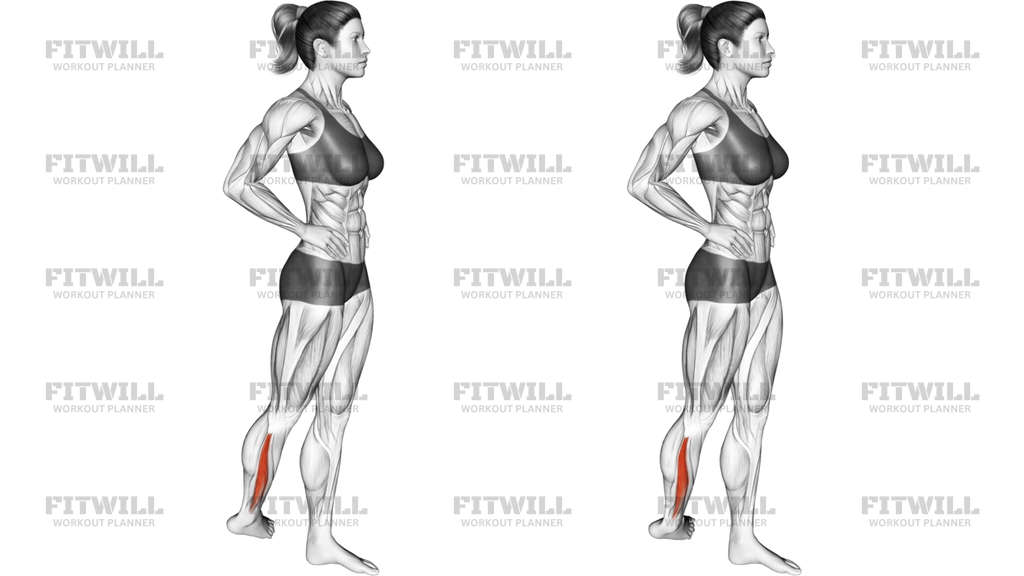
Instructions
- Stand on the mat with your feet about hip-width apart and your torso tall.
- Place one working foot slightly behind or offset so you can load the outside of the lower leg without losing balance.
- Keep the working heel heavy and the toes relaxed as you set the foot position.
- Square your hips and stack your ribs over your pelvis before you move.
- Shift your weight slowly toward the working side until you feel a stretch along the outer shin and ankle.
- Hold the end position without collapsing the arch or twisting the knee inward.
- Breathe in through the nose and exhale to let the lower leg soften a little deeper into the stretch.
- Come back to the starting stance under control, then repeat on the other side.
Tips & Tricks
- Keep the stretch in the outer shin and ankle, not as a sharp pull in the foot or knee.
- A small shift in body weight is usually enough; do not lunge forward aggressively.
- If balance is limited, rest one fingertips on a wall while keeping most of your weight on the working leg.
- Keep the working foot flat and relaxed instead of gripping the mat with the toes.
- Avoid letting the knee cave inward, because that turns the stretch into a sloppy ankle twist.
- The heel should stay heavy enough that you feel length through the lateral lower leg, not a calf cramp.
- Hold each rep long enough to breathe slowly, but do not bounce or pulse at the bottom.
- Stop if the stretch changes into a sharp pain along the ankle bone or the outside of the foot.
Frequently Asked Questions
What does Standing Peroneus Muscles Stretch target?
It targets the peroneal muscles along the outside of the lower leg and ankle.
Can beginners perform this exercise?
Yes. Beginners usually do best with a small weight shift, a stable stance, and a light wall touch for balance.
Do I need any equipment for the stretch?
No load is needed. A mat is useful, and a wall or rack can help if you want extra balance.
Where should I feel the stretch most?
You should feel it along the outer shin, outside ankle, or lateral lower leg, not in a sharp pinch at the knee.
What is the biggest form mistake?
People usually lean too far forward or twist the foot instead of keeping the torso stacked and the stretch controlled.
Can I use this before running or leg training?
Yes. It works well in a warm-up when the outer lower leg feels tight and the ankle needs a little more freedom.
Should the heel lift during the stretch?
No. Keep the working heel heavy so the tension stays in the lower leg instead of shifting into the toes.
How long should I hold each rep?
Hold long enough to breathe slowly and feel the tissue soften, usually a short, controlled pause rather than a bounce.