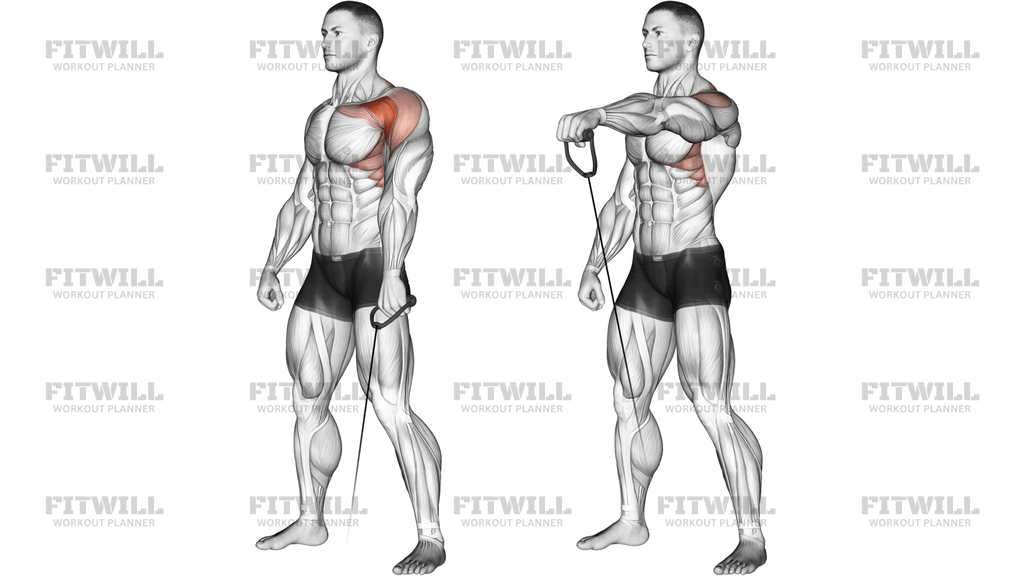
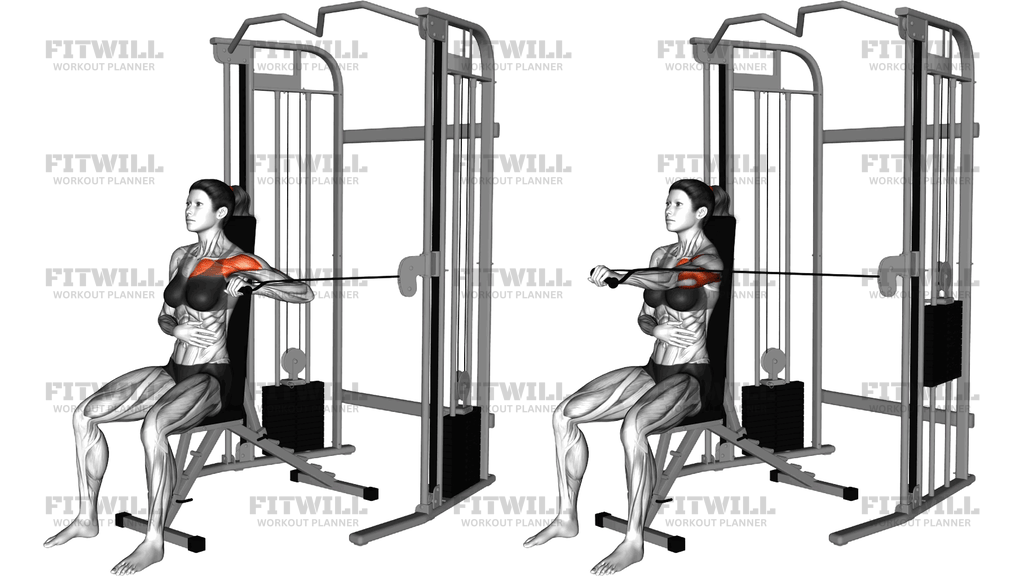
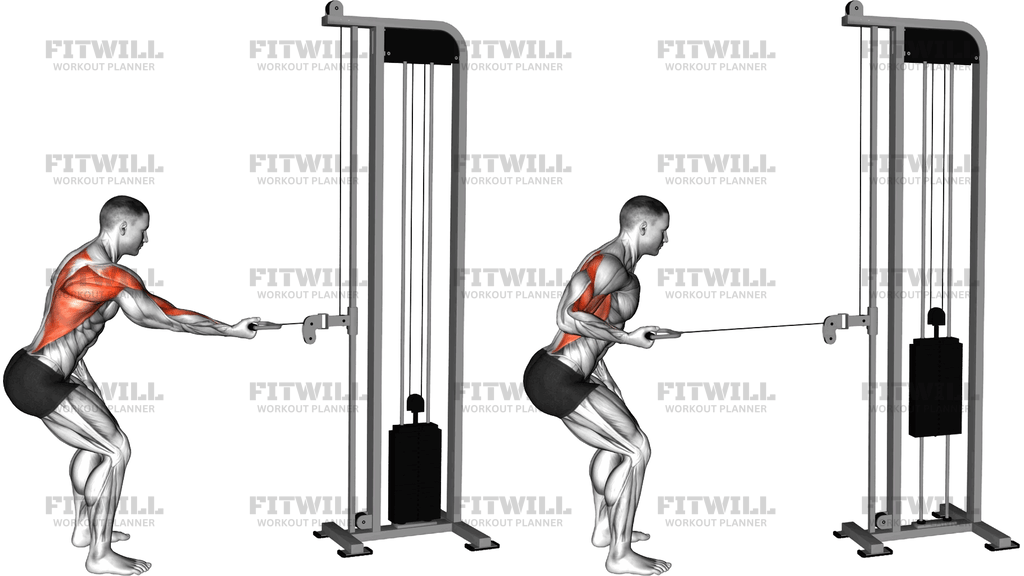
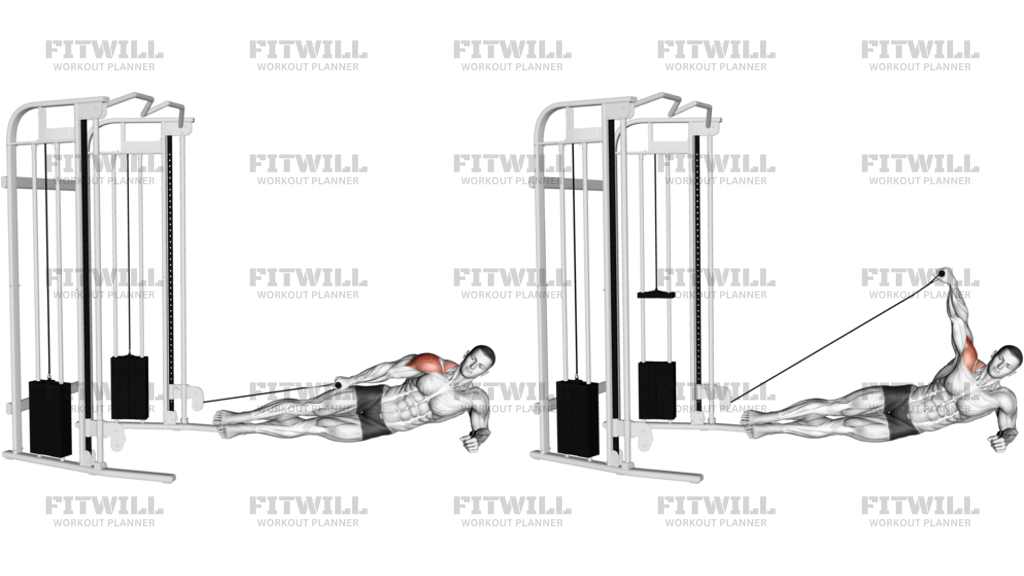
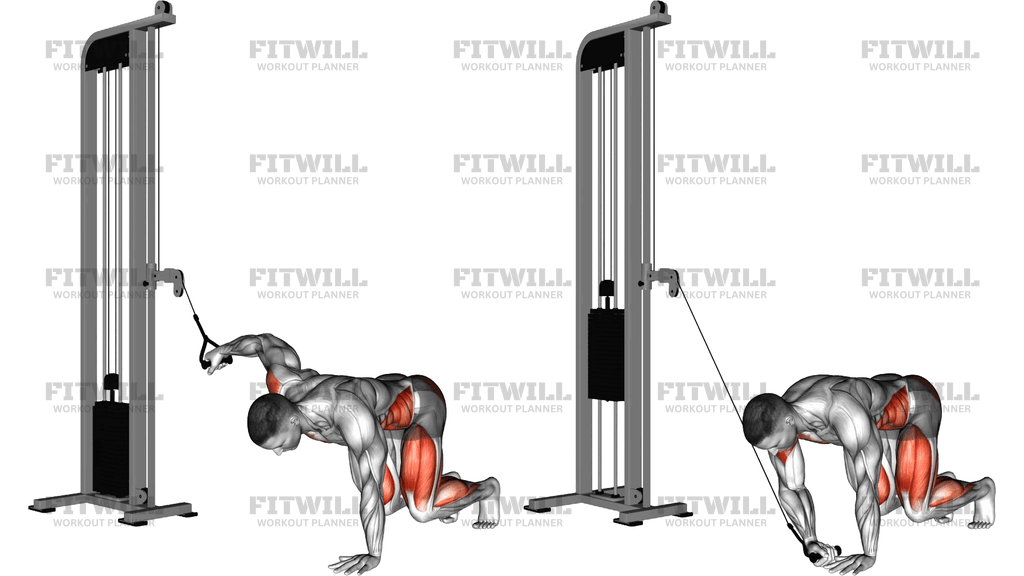
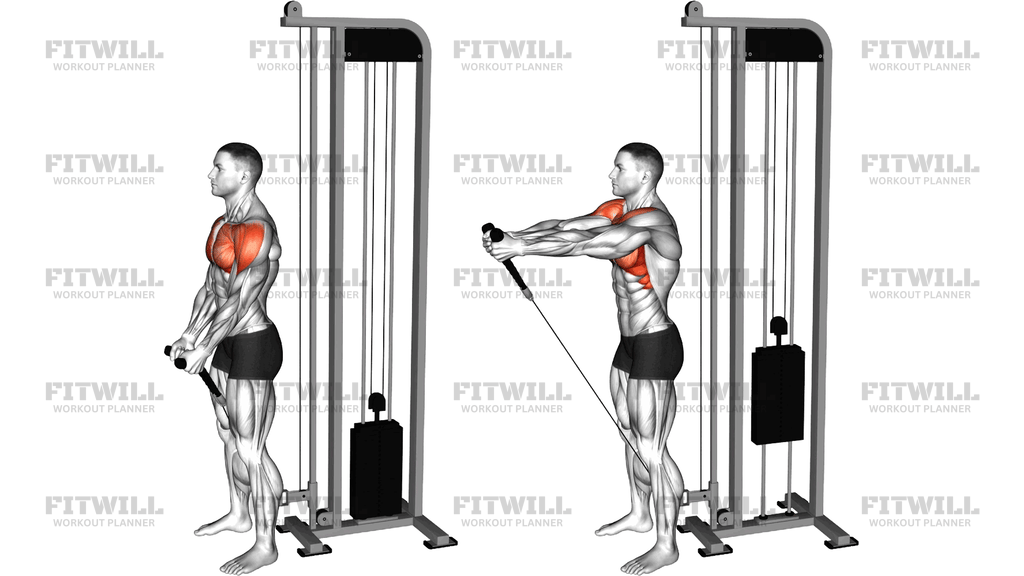
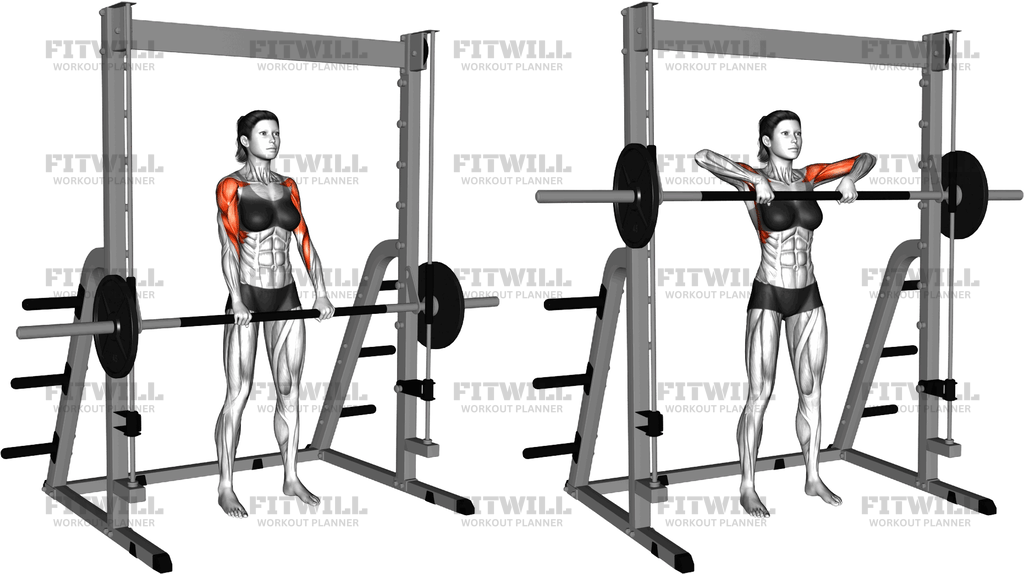
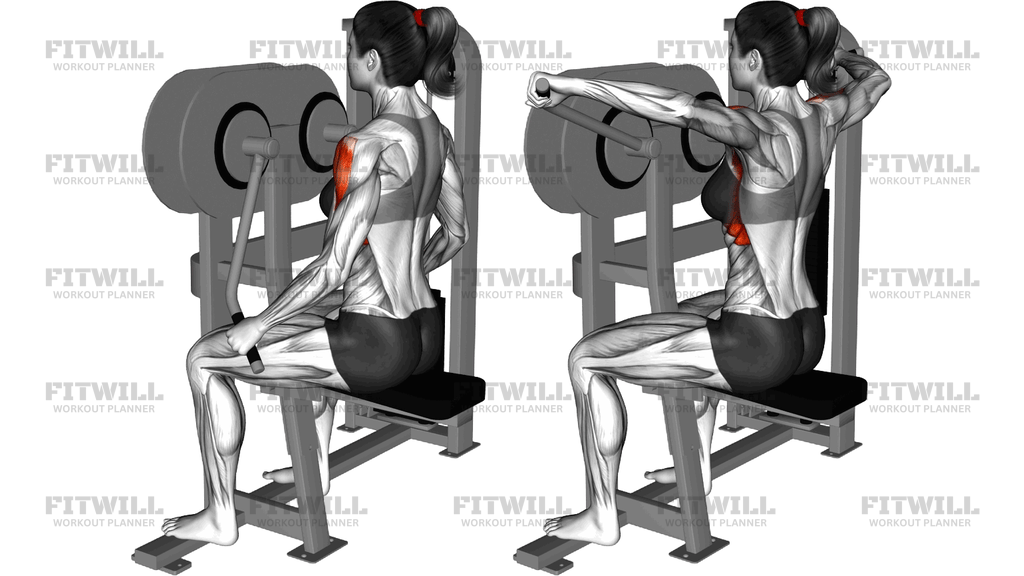
Cable Single Arm Cuffed Lateral Raise
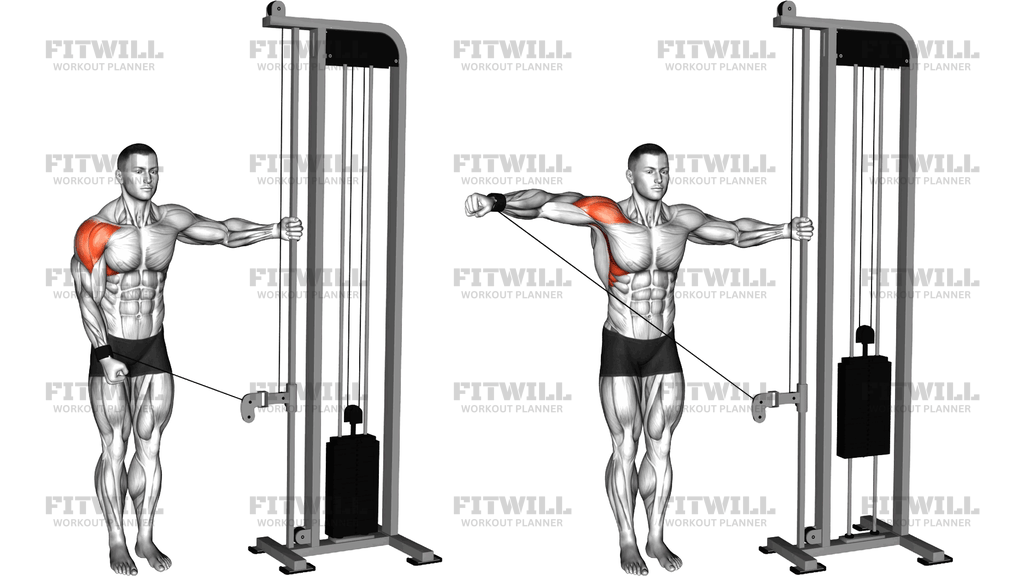
The Cable Single Arm Cuffed Lateral Raise is a unilateral shoulder isolation exercise performed with a cuff or strap attached to the low pulley of a cable machine. Instead of gripping a handle, you slip the cuff around your wrist, which changes the feel of the movement entirely: the tension pulls directly against the wrist joint, so the resistance travels in a clean line along the length of your arm and your grip stays completely relaxed. This makes it easier to keep the work on the side deltoid rather than letting your forearms take over.
Because the cable pulls from the low pulley, the resistance is not constant through the arc the way it is with a dumbbell. It is lightest when your arm hangs at your side and heaviest near the top when your arm approaches shoulder height. That strength curve matches the lateral deltoid well, since the muscle is strongest in the mid-range and near the top of the raise, so many lifters find they get a harder, more honest contraction at shoulder height than with free weights.
The single-arm setup has a second advantage. Your free hand holds the machine frame for balance and support, which lets you stand slightly angled, brace your torso, and pour all of your attention into the working shoulder without your body swinging. The highlighted area in the demonstration is the side of the shoulder, with some contribution along the front of the shoulder and the upper traps near the top of the lift.
This exercise suits anyone who wants a more precise side delt stimulus: lifters whose forearms burn before their shoulders do on dumbbell lateral raises, people who need to train one side at a time to fix left-right imbalances, and intermediate to advanced trainees looking for a strict isolation variation. Beginners can use it too, but the light cable loads and cuff setup reward patience and a slower tempo.
Setup matters more here than with a dumbbell raise. The pulley should sit at its lowest setting, the cuff should sit snugly around the wrist without pinching, and you should stand far enough from the machine that the cable runs clear of your body but not so far that it pulls you off balance. Turning slightly away from the machine keeps the cable path clean and lets the arm travel straight out to the side.
Execution should stay strict: raise the arm out and slightly forward of the torso in a smooth arc, stop at or just below shoulder height, pause briefly, then lower under control without letting the weight stack slam down. Because only one arm works at a time, the temptation to cheat is high; keeping the shoulder blade quiet and the torso still is what separates a real lateral raise from a partial shrug with extra steps.
[ Workout Log & Planner ]
Put your next workout in Fitwill
Keep your plan and training log ready when you are.


Instructions
- Set the pulley of the cable machine to its lowest position and attach a wrist cuff or strap to the carabiner.
- Stand beside the machine with the cuff secured snugly around the wrist of your working arm, and grip the machine frame with your free hand for support.
- Take a stable split or shoulder-width stance, stand up tall, and angle your torso slightly away from the machine so the cable runs clear of your body and leg.
- Start with your working arm at your side, a very slight bend in the elbow, and the cable already under light tension.
- Brace your core and keep your ribcage stacked over your pelvis before initiating the raise.
- Raise your arm out to the side in a smooth arc, leading with the elbow and keeping the slight elbow bend, until your hand reaches shoulder height.
- Pause for a beat at the top without shrugging your shoulder toward your ear.
- Lower the arm back down slowly, resisting the cable's pull the entire way, until your hand returns to your side without the weight stack settling fully.
- Breathe out as you raise the arm and breathe in as you lower it.
- Complete all reps on one side, then unclip the cuff and repeat on the other arm.
Tips & Tricks
- If your upper trap takes over, stop the raise slightly below shoulder height and imagine pushing your hand outward rather than upward; the cable's rising resistance often encourages a shrug right at the top.
- Keep your palm facing down or slightly inward toward your thigh; rotating the palm up as you lift shifts work toward the front shoulder and away from the side delt.
- Do not let the weight stack touch down between reps; keeping constant tension is one of the main advantages of the cuff and low pulley setup.
- The cable passes close to your thigh, so stand far enough from the machine that the line clears your body without your torso leaning to compensate.
- Use lighter weight than you would for a dumbbell lateral raise at first; the lack of grip strain means the delt gets loaded honestly and the top of the rep is heavier than it feels at the bottom.
- A slight lean of the torso away from the machine is fine, but swinging the hips or pulling with the supporting hand turns this into a momentum exercise.
- Keep the elbow bend fixed throughout the set; straightening the arm at the top is a common way lifters fake extra range without extra delt work.
- If the cuff digs into your wrist, reposition it a little higher on the forearm or add a small sleeve; discomfort at the joint usually causes people to cut the set short.
Frequently Asked Questions
What muscles does the Cable Single Arm Cuffed Lateral Raise work?
The primary muscle is the lateral deltoid on the side of the shoulder, with support from the anterior deltoid and upper trapezius as the arm approaches shoulder height. The forearm and grip stay relaxed because the load sits in a cuff rather than in your hand.
Why use a wrist cuff instead of a handle for this lateral raise?
The cuff removes grip from the equation, so forearm fatigue and hand pressure no longer limit the set. The cable also pulls in a straight line at the wrist, which many lifters find gives a cleaner side delt contraction.
How is the Cable Single Arm Cuffed Lateral Raise different from a dumbbell lateral raise?
A dumbbell loads the arm hardest at the bottom, while the low pulley loads it most near shoulder height, where the delt is actually strongest. The single-arm setup also gives you a free hand to stabilize against the machine, making it easier to stay strict.
How high should I raise my arm?
Raise the arm until your hand reaches about shoulder height, roughly level with the deltoid. Going higher mostly recruits the upper traps and can encourage shrugging.
Can beginners do this exercise?
Yes, provided they start with a light weight and a slow tempo. The machine frame gives a clear support point, which actually makes balance easier than a standing dumbbell raise, but the strict technique still needs to be learned.
Why do I feel it in my neck or traps?
That usually means the weight is too heavy or the range is going above shoulder height, so the upper traps compensate. Drop the load a little and stop the raise at shoulder level, keeping the shoulder blade quiet.
What can I substitute if my gym has no wrist cuff?
A single-handle low-pulley cable lateral raise works the same movement pattern, or you can use a resistance band anchored low under the foot. The cuff version simply offers the most direct tension at the wrist.
Should I do both arms in the same set or one side at a time?
Finish all repetitions on one arm before switching, then match the rep count on the other side. This lets you brace on the machine with the free hand and makes it simple to spot and correct a side-to-side strength difference.
Is it safe for the shoulder joint?
When performed with a controlled tempo and a range that stays at or below shoulder height, it is a joint-friendly isolation exercise. Keep the elbow bend constant, avoid jerking the weight off the stack, and reduce the load if you feel any pinching at the top of the raise.