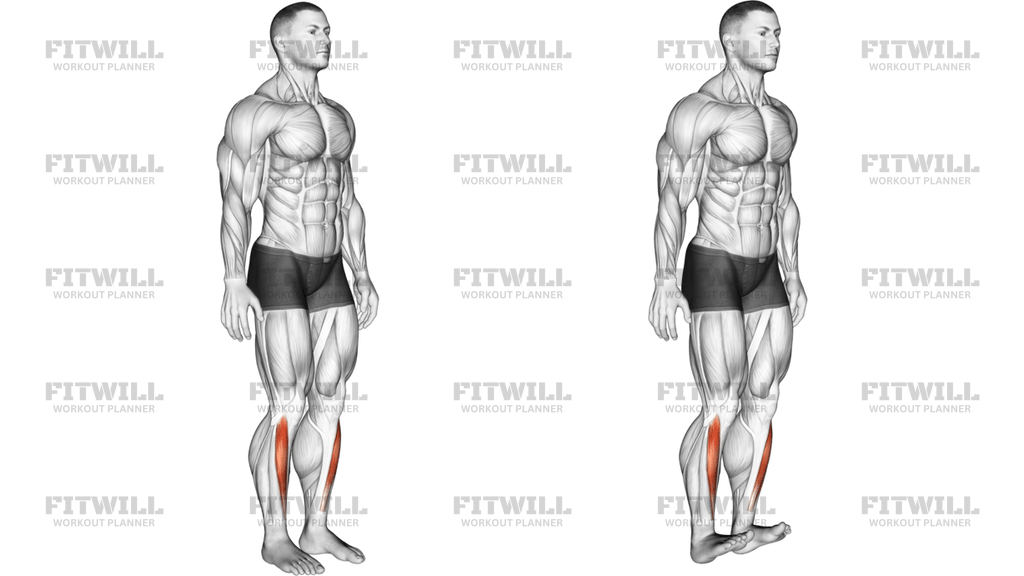
Standing Calf Raise
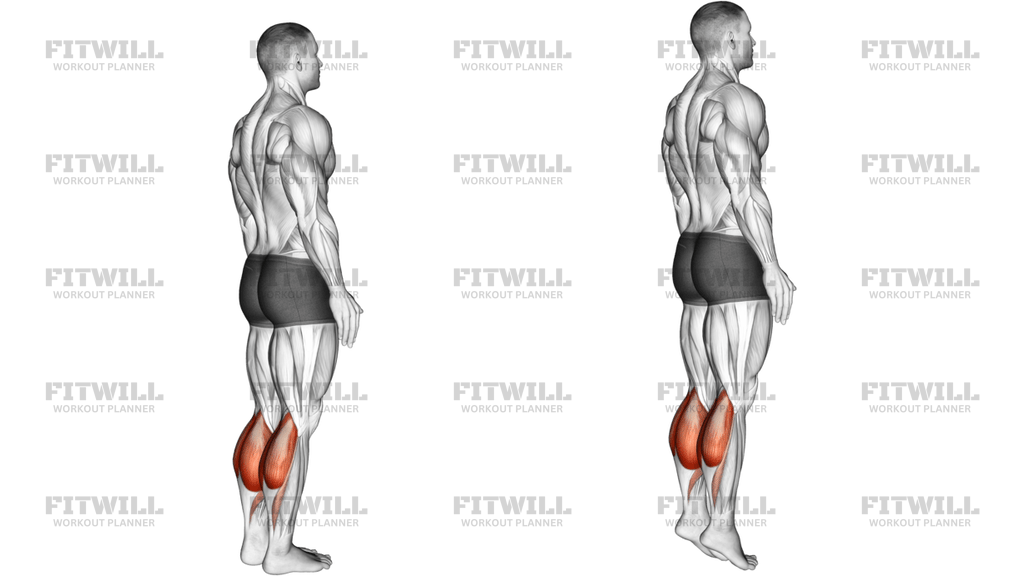
Standing Calf Raise is a bodyweight calf exercise built around ankle extension, not a full squat or jump. It trains the calves through a simple up-and-down pattern that is easy to scale, which makes it useful for warmups, accessory work, conditioning circuits, or direct lower-leg training. The exercise is most effective when you stay tall, keep the feet planted in a consistent stance, and move only through the ankle joint instead of turning the rep into a bounce.
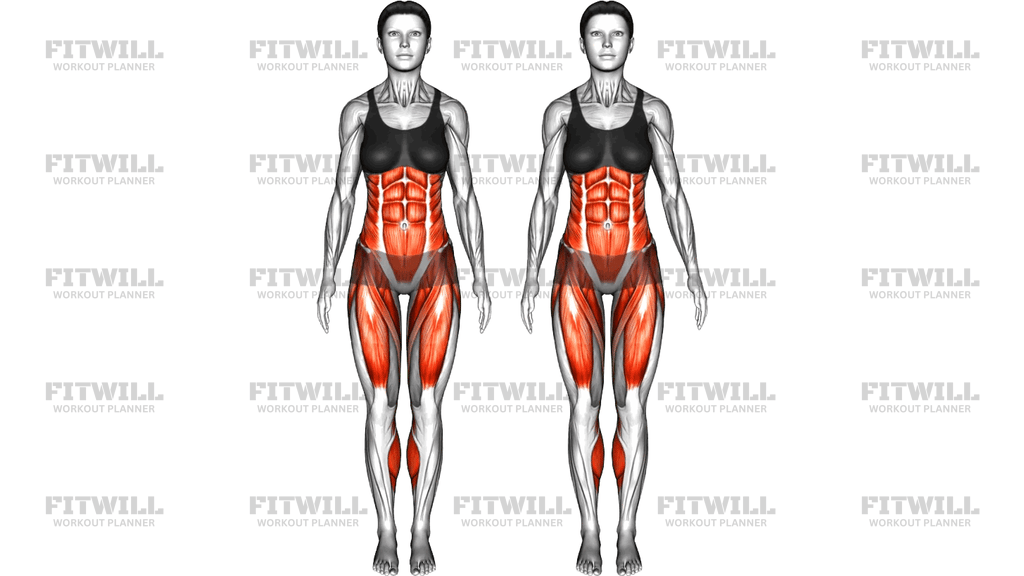
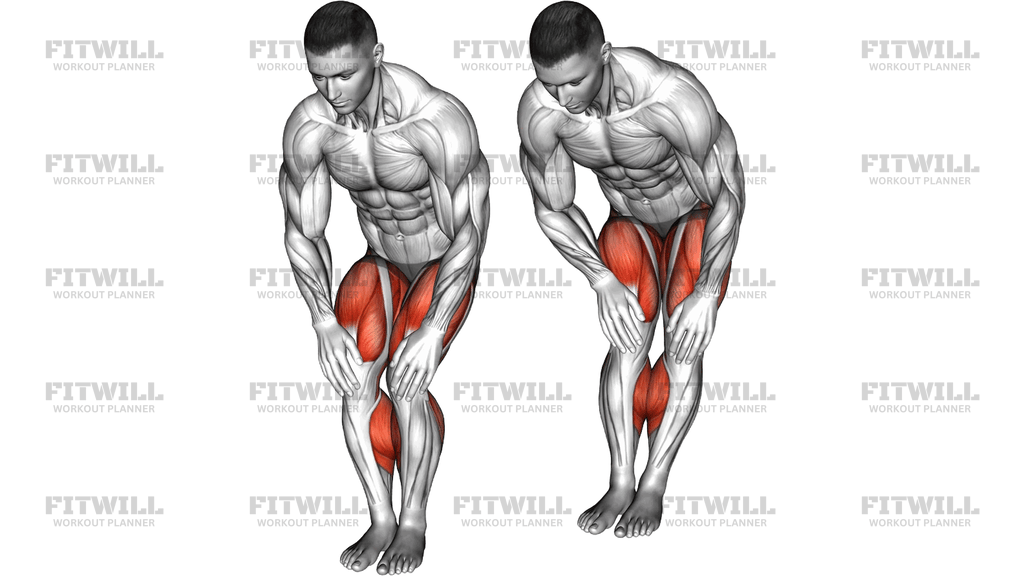
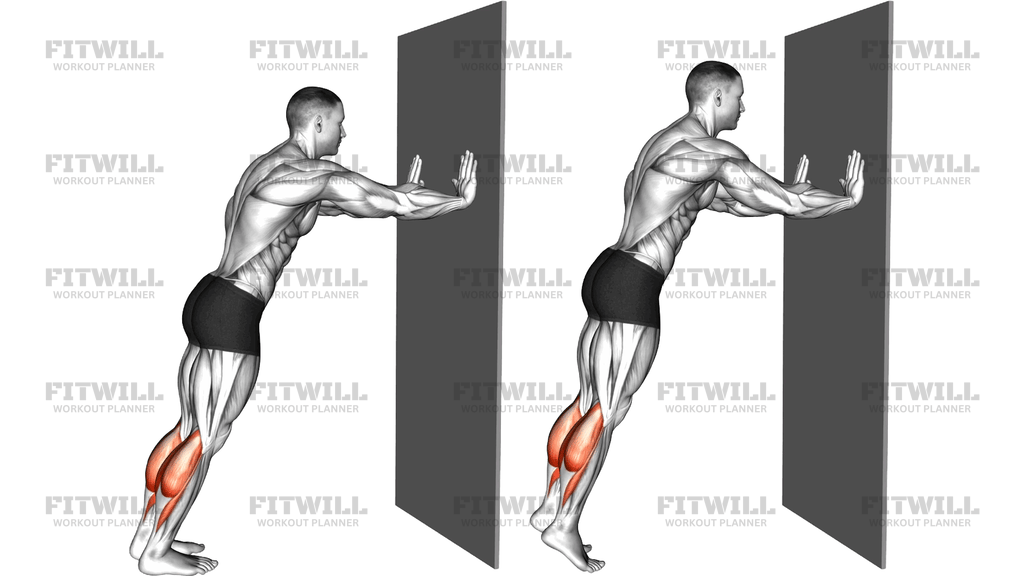
The main muscles doing the work are the calves, especially when you rise onto the balls of the feet and control the lowering phase. Smaller stabilizers in the feet, ankles, and trunk help keep you balanced, but they should not steal the movement. If you lose posture, rock onto the outside edge of the foot, or shift the hips forward to fake a larger rep, the load moves away from the calves and the set becomes less productive.
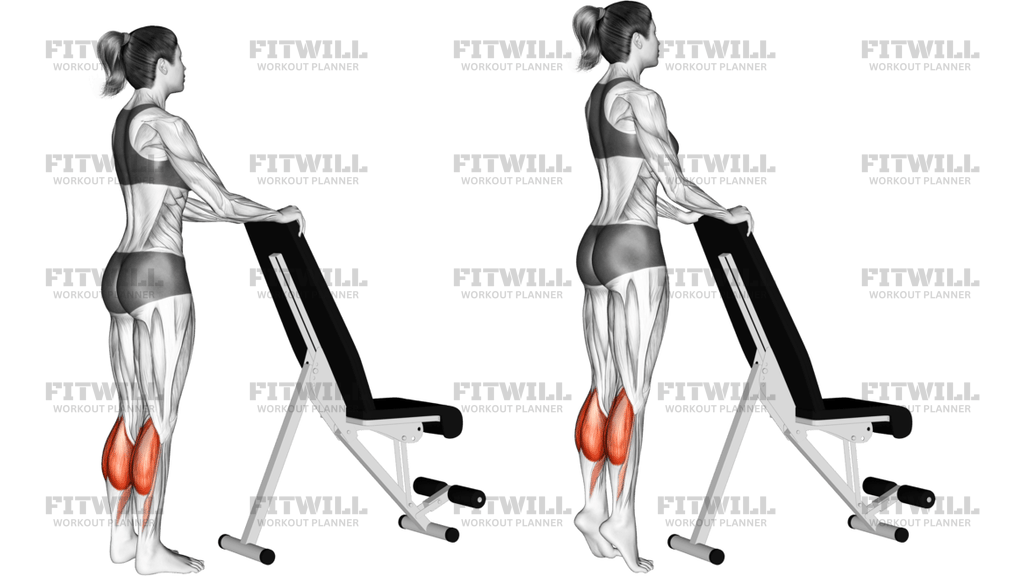
Good setup matters because calf training is small-joint work: the start position defines the stretch, and the top position defines the contraction. Stand with your feet about hip-width apart, weight spread across the big toe, little toe, and heel before you rise, and use a light fingertip support on a wall, rack, or post if balance is an issue. If you are standing on a step, keep the heel drop controlled and use only the range you can own without collapsing through the arch or bouncing out of the bottom.
Each rep should travel smoothly from a quiet stretch to a firm peak contraction and back again. Lift the heels under control, keep the knees softly unlocked but not bending into a squat, pause at the top without jerking, and lower slowly until the calves are fully loaded again. Exhale as you rise, inhale as you descend, and stop the set if you have to swing the torso, rush the tempo, or let the feet twist out of alignment.
This exercise is easy to fit into almost any lower-body program because it requires little setup and very little equipment. Beginners can use it to learn ankle control and foot pressure, while more advanced lifters can make it harder with single-leg work, a longer pause at the top, slower eccentrics, or a raised surface for more range. It is a straightforward movement, but it rewards precision: clean reps, full control, and a consistent line from the floor through the ankles to the top of the calf contraction.
[ Workout Log & Planner ]
Put your next workout in Fitwill
Keep your plan and training log ready when you are.


Instructions
- Stand tall with your feet about hip-width apart and your weight spread across the big toe, little toe, and heel before you begin.
- If you need balance support, rest one hand lightly on a wall, rack, or sturdy post without leaning your body into it.
- Keep your knees softly unlocked and your torso stacked over your midfoot, with your ribs down and your head neutral.
- Drive through the balls of both feet and lift your heels until you are balanced on your toes.
- Squeeze the calves hard at the top without bouncing or rolling the ankles outward.
- Lower your heels slowly until you feel a clear stretch in the calves and the arch stays controlled.
- Breathe out as you rise and breathe in as you lower, keeping the tempo smooth and even.
- Repeat for the planned number of repetitions, stopping if balance or foot position starts to break down.
Tips & Tricks
- Press through the big toe, little toe, and heel on the way up so the ankle stays centered instead of rolling to one side.
- Use a small fingertip support if balance is limiting your calf work; do not pull hard on the support and turn the rep into an upper-body brace.
- Pause for a full second at the top to remove bounce and make the calves do the work instead of the Achilles tendon storing momentum.
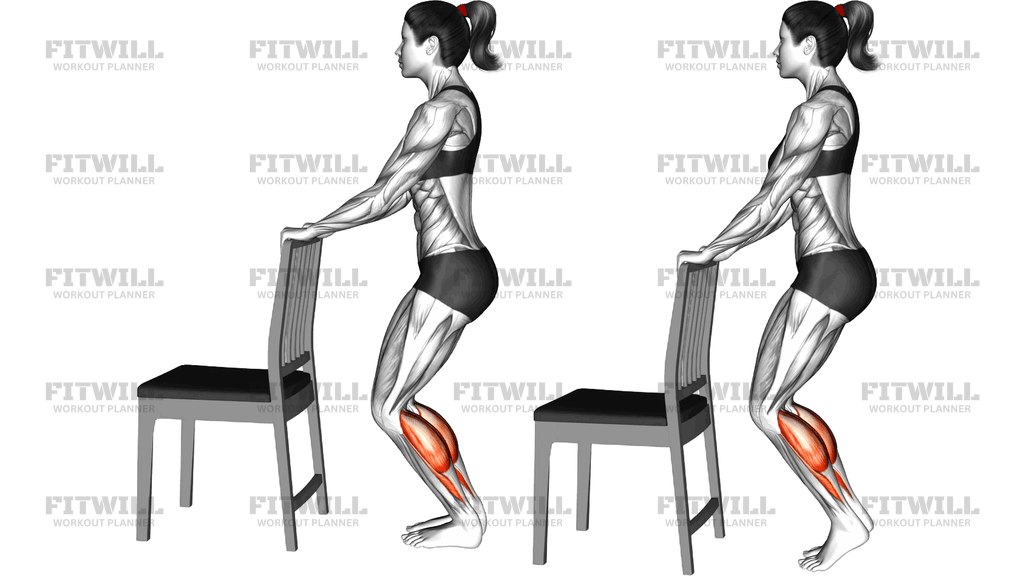
- Keep the knees softly bent but fixed in angle; if they start bending more each rep, you are drifting into a squat pattern.
- On a step, lower only as far as you can control without the arch collapsing or the heels snapping downward.
- A slower lowering phase usually produces a better calf stimulus than chasing faster reps with a short range.
- If you cramp easily, shorten the set, reduce the stretch at the bottom, and keep the foot pressure even.
- Single-leg versions are useful for progression, but only after you can keep the standing ankle stable on both sides.
Frequently Asked Questions
What muscles does Standing Calf Raise work most?
The calves do most of the work, with the feet, ankles, and trunk helping you stay stable.
Do I need a step to do Standing Calf Raise?
No. You can do it flat on the floor, or on a step if you want a larger calf stretch and you can control the bottom position.
Should I bend my knees during the rep?
Keep the knees softly unlocked, but do not turn the movement into a bent-knee squat or let the knee angle change rep to rep.
What is the most common mistake on the top of the rep?
Bouncing at the top is the big one. The finish should be a controlled squeeze, not a rapid hop.
How can I make this bodyweight exercise harder?
Use a slower lowering phase, a pause at the top, a step for more range, or progress to a single-leg version.
Can I hold onto something for balance?
Yes. A light fingertip hold on a wall or rack is fine if it helps you keep the calves working cleanly.
Why do my feet cramp during Standing Calf Raise?
Usually the arch or toe pressure is too aggressive, or the set is too long. Shorten the set and keep pressure spread across the whole foot.
Is this exercise beginner friendly?
Yes. It is simple to learn, and beginners can start with floor reps and a light balance support if needed.