Dip Hold Isometric
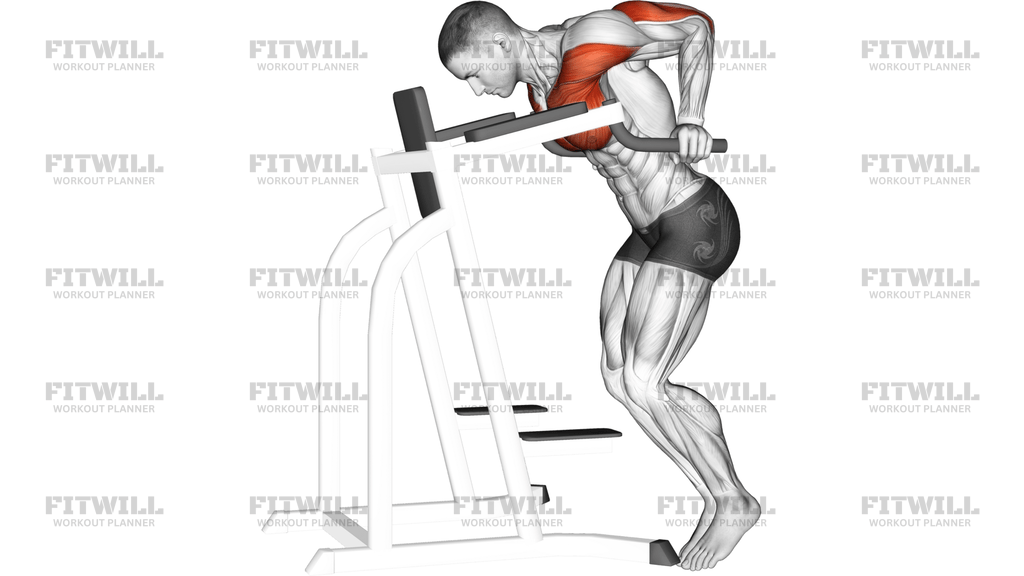
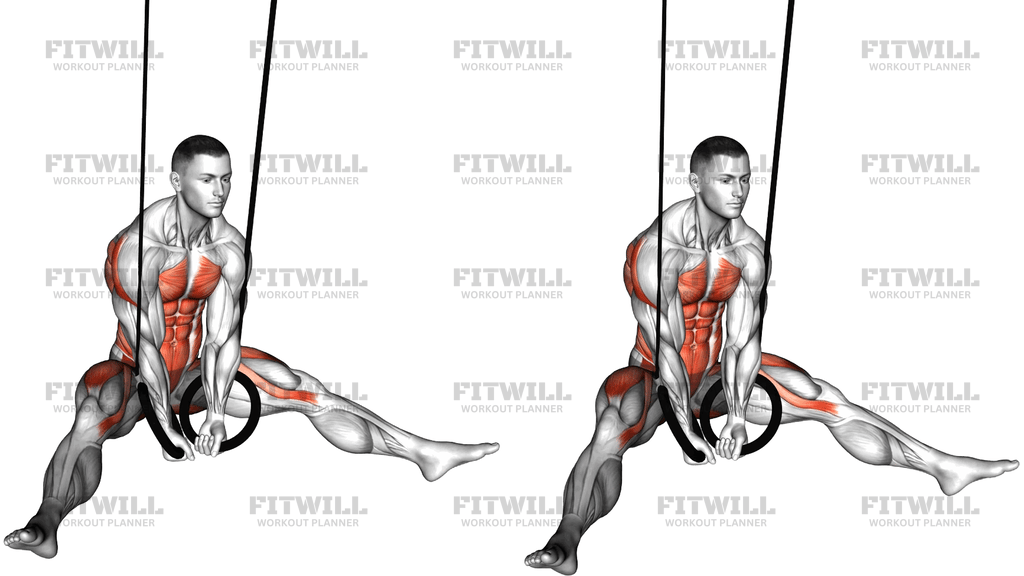
Dip Hold Isometric is a bodyweight support hold performed on parallel dip bars. The image shows the lifter holding the top position with straight arms, shoulders packed down, torso slightly inclined forward, knees bent, and feet tucked clear of the floor. That is the core of the exercise: you are not chasing reps through a full dip, you are owning the top position long enough to build arm, shoulder, chest, and trunk control.
Because this is an isometric, the quality of the hold matters more than how long you survive with poor shape. The triceps provide most of the elbow extension force, while the chest and front shoulders help stabilize the shoulder joint and keep the torso organized. The grip on the bars, the position of the scapulae, and the amount of forward lean all change how the hold feels, so small setup changes can shift the emphasis and the difficulty.
A good Dip Hold Isometric starts before the clock starts. You want solid contact through the palms, wrists stacked over the handles, elbows straight but not jammed, and shoulders depressed instead of shrugged toward the ears. Once you rise into support, keep the rib cage from flaring, keep the neck long, and keep the legs quiet so the lower body does not turn the hold into a swing or a kick-up.
Use this hold as a strength builder, a stability drill, or a preparation movement before full dips. It is useful when you want to reinforce the top support position, improve pressing endurance, or practice safe shoulder alignment under load. If the shoulders pinch, the best fix is usually a shorter hold, less depth on the entry, or a cleaner bar position rather than forcing a longer time.
For most lifters, the winning strategy is short, high-quality holds with deliberate breathing and repeatable posture. Enter the position under control, stay tall through the torso, and step off or lower out of the hold when the shoulders start to collapse or the elbows begin to bend. The exercise should feel like a crisp, controlled support position, not a desperate hang.
[ Workout Log & Planner ]
Put your next workout in Fitwill
Keep your plan and training log ready when you are.


Instructions
- Stand between the dip bars and grip each handle firmly with your wrists stacked over the bars.
- Jump, step, or press yourself up into the top support position with your elbows straight and your shoulders down.
- Keep your chest slightly forward, ribs controlled, and knees bent so your legs stay quiet behind you.
- Squeeze the bars and lock in the top position without shrugging your shoulders toward your ears.
- Hold the support position for the prescribed time while breathing in short, controlled breaths.
- Keep your elbows straight and your torso steady instead of letting the body swing or sink.
- When the hold time ends, lower yourself under control until your feet can touch down safely.
- Reset your grip and posture before starting the next hold.
Tips & Tricks
- If your shoulders rise toward your ears, shorten the hold and re-set with stronger scapular depression.
- Keep the wrists centered over the handles so you are not hanging off the thumb side of the palm.
- A slight forward torso angle is fine, but do not turn the hold into a deep dip with bent elbows.
- Treat the glutes and abs as part of the hold so the legs do not drift, swing, or kick backward.
- Use the smallest amount of leg bend that lets you stay still and balanced on the bars.
- Stop before the elbows start softening, because a collapsing top support changes the exercise.
- Shorter, cleaner holds are better than one long hold with shrugged shoulders and shaky breathing.
- If bodyweight is too hard, use a lower entry, assisted support, or a shorter timed set.
Frequently Asked Questions
What does Dip Hold Isometric train most?
It mainly trains the triceps in the top support position, with the chest, front shoulders, and core helping you stay stable.
Is this the same as doing a full dip?
No. This exercise is the static top hold on the dip bars, not the lowering and pressing phase of a full dip.
How long should I hold the top position?
Use a hold time you can control with clean shoulder position, often somewhere around 10 to 30 seconds depending on your level.
Should my elbows be locked out?
Yes, the support position should be straight-armed, but keep the elbows strong and controlled rather than aggressively hyperextending them.
Why does the image show a slight forward lean?
A small forward lean helps the hold feel stable and keeps the chest and shoulders organized over the bars without turning it into a swing.
Can beginners do Dip Hold Isometric?
Yes, beginners can use shorter holds, a lower entry, or a supported version if they can keep the shoulders down and the torso steady.
What is a common mistake on the dip bars?
Letting the shoulders shrug up or the body sink into a bent-arm dip is the biggest form break.
How do I progress this hold?
Progress by holding longer, keeping the shoulders lower, reducing leg assistance, or adding a controlled entry to the top position.