Walking Lunge
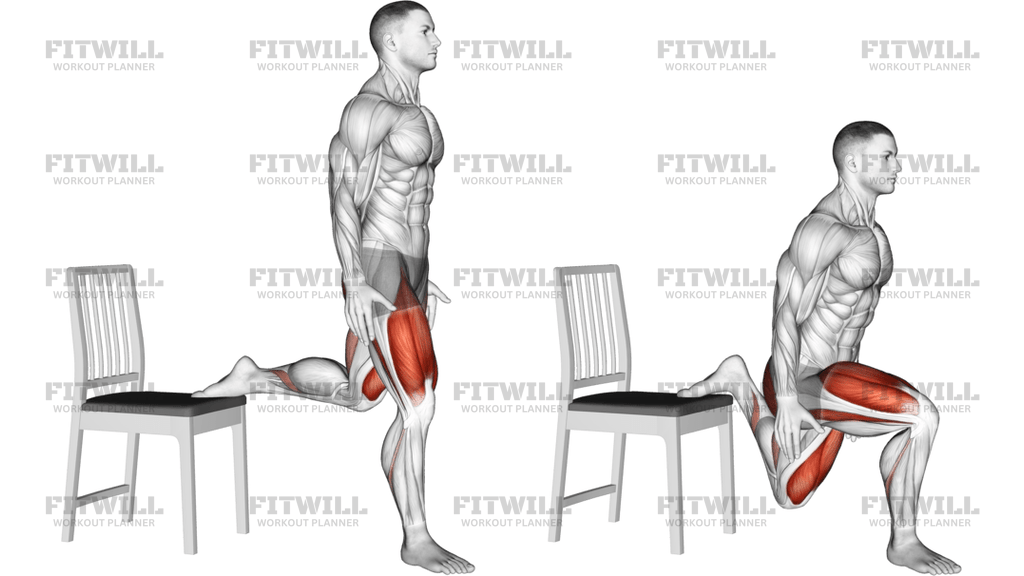
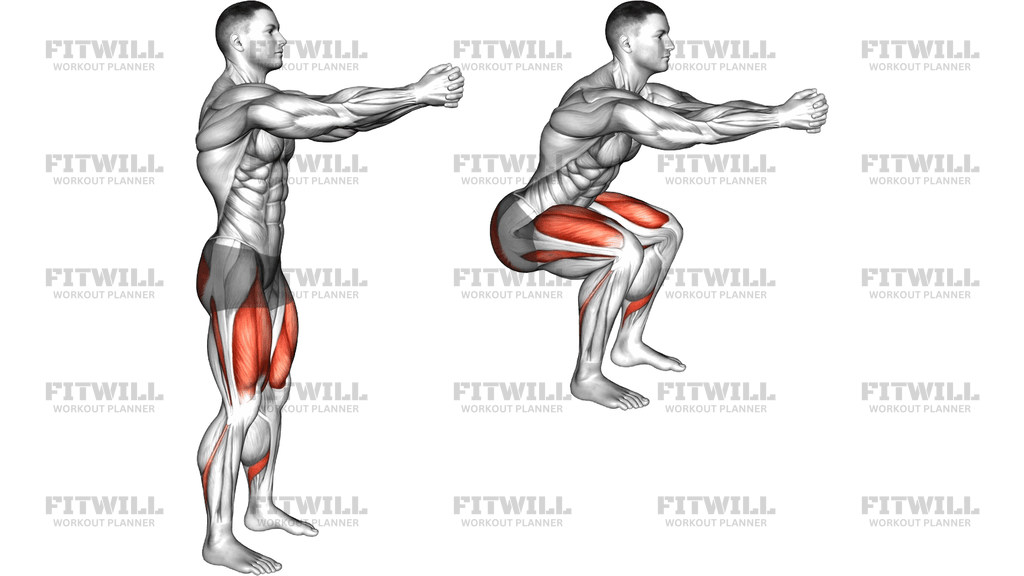
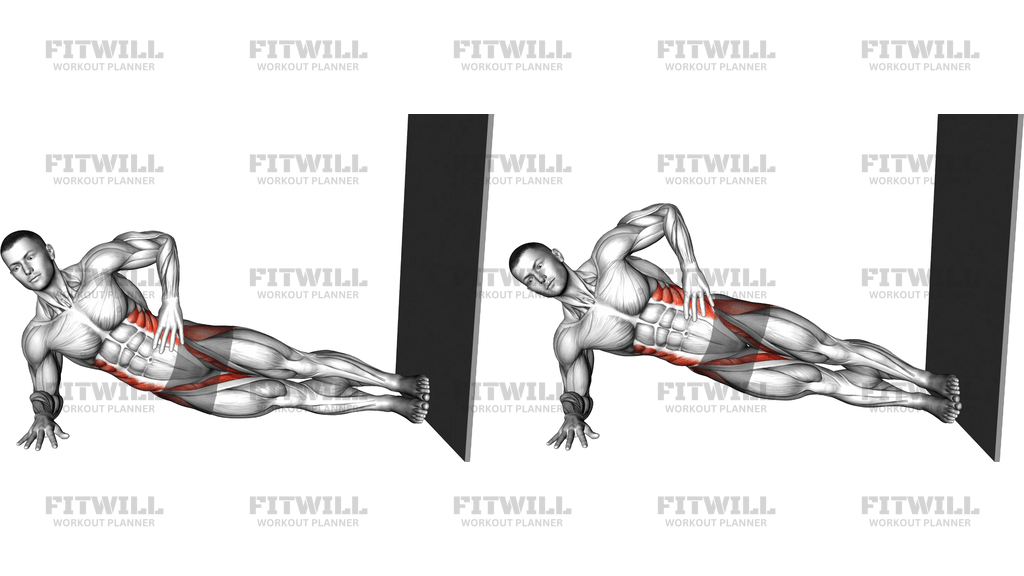
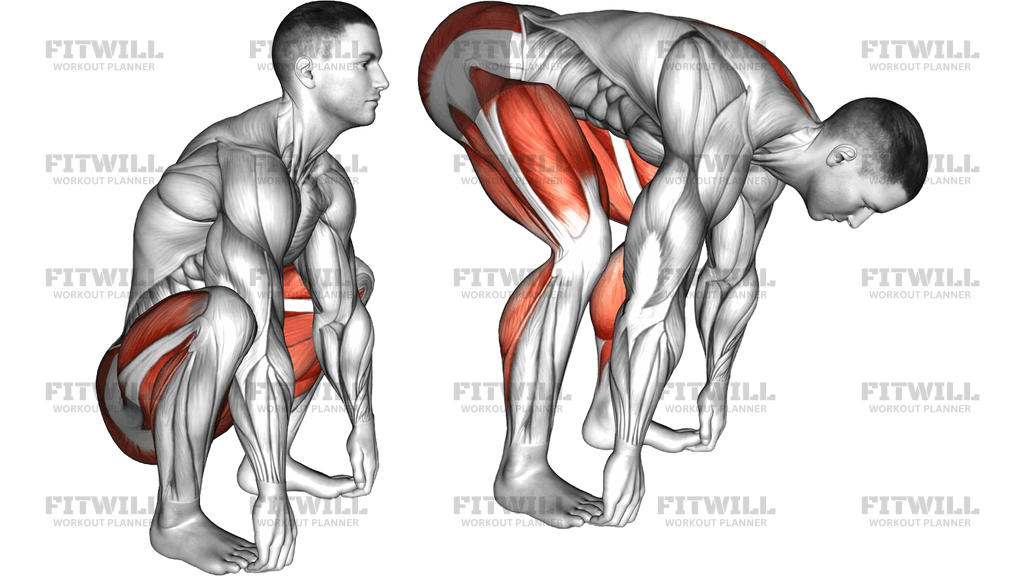
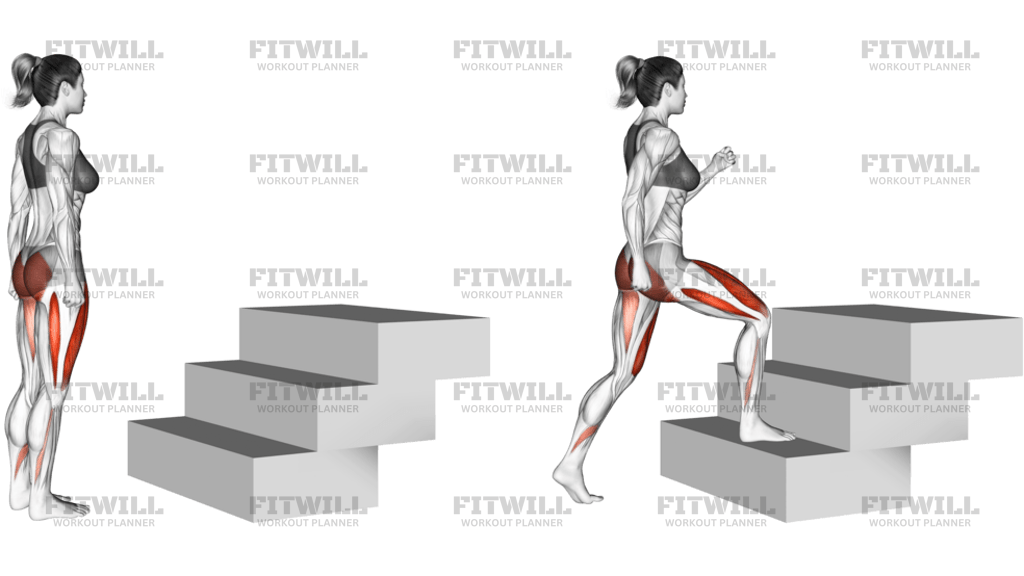
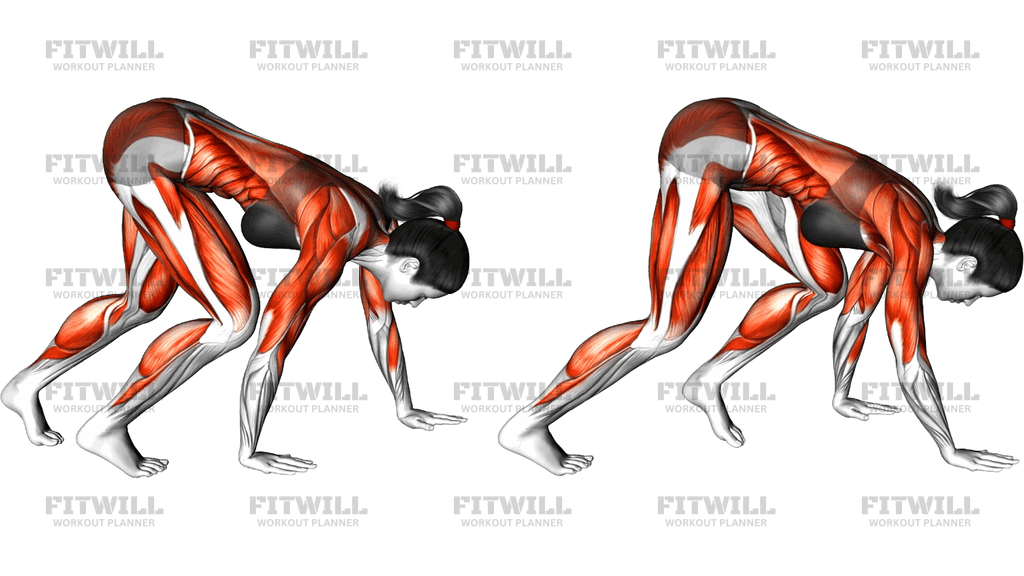
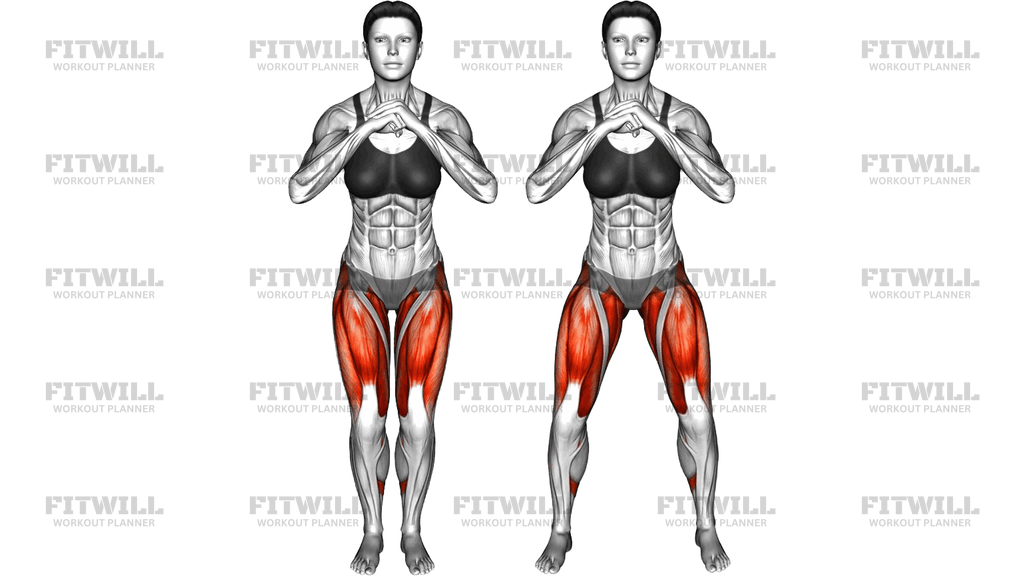
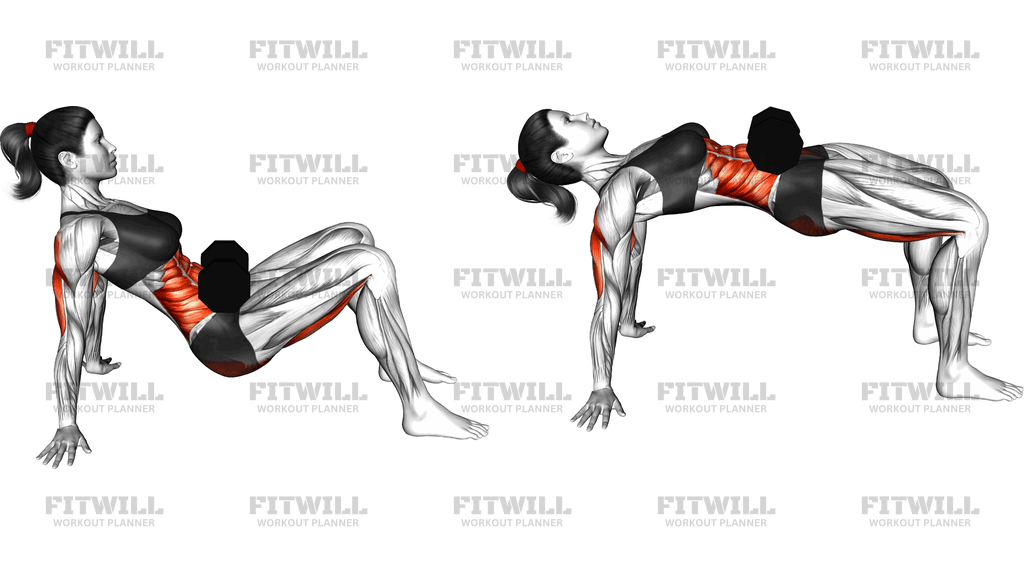
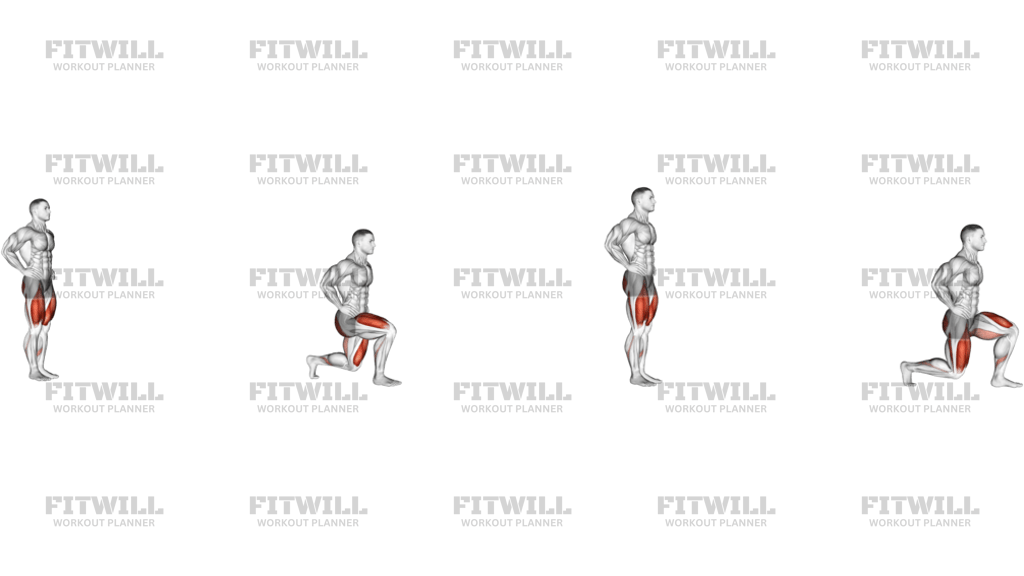
Walking Lunge is a bodyweight lower-body movement built around alternating forward steps, a vertical torso, and controlled knee and hip bend. In the image, the athlete stays tall with hands on the hips and steps forward into a long split stance before driving back up and continuing into the next stride. That makes the exercise especially useful for training single-leg strength, balance, and coordination without needing external load.
The main training demand lands on the thighs and glutes, with the front leg doing most of the work as it absorbs the descent and drives the body back to standing. The rear leg helps with balance and can contribute to the push back into the walking pattern, while the core and lower back keep the torso from tipping forward. In anatomical terms, the biggest emphasis is on the gluteus maximus, with the hamstrings, rectus abdominis, and erector spinae supporting control and posture.
A good walking lunge starts with a stance that is long enough to let the front shin stay fairly vertical at the bottom. Step forward, lower until both knees bend comfortably, and keep the front foot planted through the whole rep. The torso should stay tall instead of folding over the front thigh, and the hips should travel straight down rather than drifting side to side. The front knee should track in line with the toes, and the rear knee should travel toward the floor under control.
Because this is a walking variation, the transition between reps matters as much as the lunge itself. Push through the front foot to rise, bring the back leg through smoothly, and set the next step without bouncing or collapsing into the next descent. That rhythm should feel deliberate and repeatable, not rushed. If you lose balance, shorten the step, slow the tempo, or pause briefly at the bottom before moving forward again.
Walking Lunge is a practical choice when you want a straightforward leg exercise that also challenges stability and movement quality. It fits well in warm-ups, accessory blocks, athletic lower-body sessions, and conditioning circuits. Keep the rep quality high, use a pain-free range of motion, and stop the set when the front knee starts caving inward, the torso starts leaning, or the step length becomes inconsistent.
Fitwill
Log Workouts, Track Progress & Build Strength.
Achieve more with Fitwill: explore over 9600 exercises with images and videos, access built-in and custom workouts, perfect for both gym and home sessions, and see real results.
Start your journey. Download today!




Instructions
- Stand tall with your feet about hip-width apart and place your hands on your hips.
- Take a controlled step forward so your feet land on two separate tracks, not directly in line.
- Lower your back knee toward the floor while keeping your chest tall and your front heel planted.
- Let both knees bend until the front thigh is close to parallel, or as low as your mobility allows without losing posture.
- Keep the front knee tracking over the middle toes instead of caving inward.
- Drive through the front foot to stand up, bringing the back leg forward into the next step.
- Continue walking forward into the next lunge with the same stride length and torso position.
- Breathe in on the descent and exhale as you drive up and transition into the next rep.
Tips & Tricks
- A longer step usually makes it easier to keep the front shin more vertical and keep pressure in the front heel.
- If your torso folds forward, shorten the depth before you try to push more range.
- Keep the hips facing forward as you step; twisting through the pelvis turns the lunge into a balance drill instead of a clean leg rep.
- Let the rear knee travel down under control, but do not slam it into the floor.
- Press the whole front foot into the ground, especially the heel and big toe, to keep the front knee stable.
- Move slowly enough that each step lands in a balanced split stance before you descend.
- Hands on the hips, as shown, can help you feel whether the torso stays upright and centered.
- If balance is the limiter, reduce speed before reducing quality of the step pattern.
Frequently Asked Questions
What does the Walking Lunge work most?
It mainly trains the thighs and glutes, especially the front leg as it lowers and drives back up.
Should my torso stay upright during each step?
Yes. A tall torso keeps the load on the legs and helps you avoid turning the movement into a forward fold.
How far forward should I step?
Step far enough that the front knee can bend without the heel lifting, but not so far that you lose balance or overstride.
What should I do if my front knee caves inward?
Slow the rep down, shorten the stride if needed, and press the front foot into the floor so the knee tracks over the toes.
Can I keep my hands on my hips like in the image?
Yes. That hand position is useful for balance and for noticing whether your pelvis stays level and your torso stays centered.
Is this exercise appropriate for beginners?
Yes, if you keep the steps controlled and use a range of motion you can manage without wobbling or rushing.
What is the biggest form mistake with walking lunges?
Overstriding, leaning too far forward, or bouncing into the next step usually breaks the rep pattern first.
How do I progress Walking Lunge without adding weight?
Use a slower tempo, a longer walking set, or a cleaner and deeper split stance while keeping the same upright posture.