Biceps Stretch Behind The Back
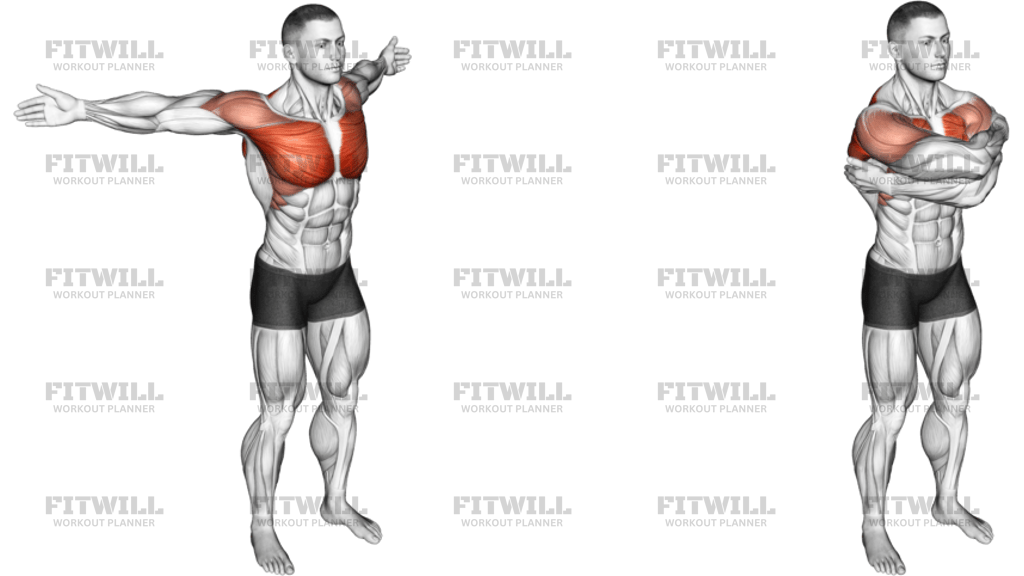
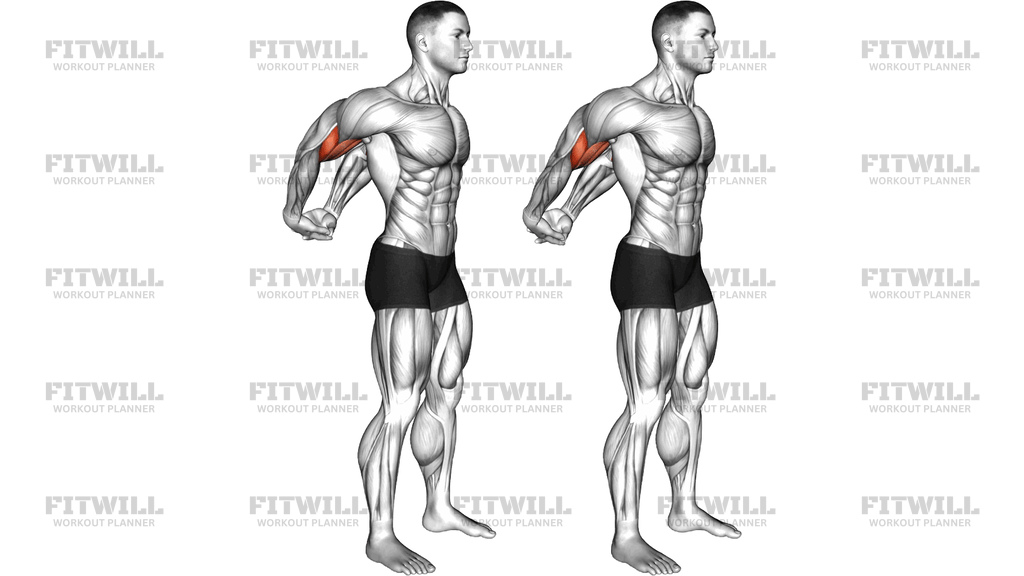
Biceps Stretch Behind the Back is a standing mobility drill for opening the front of the upper arm, the elbow flexors, and the forearm through a controlled behind-the-body arm position. The image shows the arms reaching back and away from the torso, which puts the biceps under a lengthened stretch while the chest, shoulders, and spine stay mostly quiet.
This stretch is most useful after pressing, chin-up, climbing, or curling work, when the front of the arm feels shortened or the elbows feel stiff. It can also be used before upper-body training to reduce the feeling of tightness without fatiguing the muscles. The main target is the biceps brachii, with help from the brachialis, brachioradialis, and forearm flexors.
The setup matters because the intensity comes from shoulder extension, elbow straightening, and wrist position, not from leaning back or twisting the torso. Stand tall, keep the ribs stacked over the pelvis, and reach both hands behind the body so the arms can open without the lower back taking over. If the hands are clasped or held together, adjust the grip width so the stretch is felt in the upper arm instead of the wrists.
A good repetition should feel like a smooth opening along the front of the upper arm, not a pinch in the shoulder joint or a sharp pull through the wrists. Breathe slowly and let the stretch deepen over a few seconds instead of forcing a big range at once. Small changes in hand height, elbow straightness, and shoulder position will change the intensity more than trying to yank the arms farther back.
Use this movement as a short hold between training blocks, during a warmup, or as part of a cooldown when the goal is to restore comfortable arm extension and shoulder position. It is a simple exercise, but it works best when the body stays organized and the stretch is treated as a precise position rather than a passive hang. Stop if you feel numbness, tingling, or a sharp pinch in the shoulder.
Fitwill
Log Workouts, Track Progress & Build Strength.
Achieve more with Fitwill: explore over 9600 exercises with images and videos, access built-in and custom workouts, perfect for both gym and home sessions, and see real results.
Start your journey. Download today!




Instructions
- Stand tall with your feet about hip-width apart and let the pelvis stay neutral instead of arching the low back.
- Reach both arms behind your body and bring the hands together low behind the glutes or lower back.
- Keep the chest lifted but the ribs down so the stretch comes from the shoulders and elbows, not from leaning backward.
- Straighten the elbows gradually until you feel a pull along the front of the upper arms.
- Turn the hands or wrists only as far as is comfortable, keeping the grip relaxed and the shoulders away from the ears.
- Hold the end position and breathe slowly into the stretch without shrugging or twisting the torso.
- If the stretch feels mild, let the hands drift a little farther away from the body or slightly higher behind the back.
- Release the arms smoothly and reset before repeating, keeping both sides even if one arm feels tighter.
Tips & Tricks
- Keep the elbows moving toward straight, but do not lock them hard if that sends the stretch into the joint.
- A small lift of the hands behind the body usually intensifies the biceps stretch more cleanly than leaning the torso back.
- If the shoulders pinch, reduce the reach behind you and keep the hands lower.
- The stretch should land in the front of the upper arm; if you only feel the wrists, soften the grip and change hand angle.
- Do not flare the ribs to fake more range, because that turns the movement into a low-back arch instead of an arm stretch.
- Slow exhalations help the biceps relax; forced breath-holding usually makes the position feel tighter.
- If one side is tighter, bias the stretch slightly toward that side rather than cranking both arms into the same shape.
- Use a short 15 to 30 second hold for warmups and slightly longer holds when you are cooling down.
Frequently Asked Questions
What does Biceps Stretch Behind the Back stretch most?
It mainly stretches the biceps brachii, with help from the brachialis, brachioradialis, and forearm flexors.
Should I feel this in my shoulders too?
A mild front-shoulder stretch is normal, but the main sensation should stay along the front of the upper arm.
Do I need to clasp my hands behind my back?
A clasped grip is common, but you can also use a towel, strap, or open-hand reach if your shoulders are too tight.
Why do my wrists feel this stretch before my biceps do?
The wrist angle can limit the position first, especially if your grip is tight. Relax the hands and adjust the angle until the upper arm feels the stretch.
How long should I hold the stretch?
A 15 to 30 second hold works well for most warmups, while a slightly longer hold can fit a cooldown.
Can beginners do this stretch safely?
Yes, as long as the reach stays gentle and you avoid forcing the shoulders or lower back into a bigger range.
What is the most common mistake here?
The most common mistake is leaning back and arching the low back to fake more range instead of keeping the torso stacked.
When is this stretch most useful?
It is especially useful after curls, rows, pull-ups, pressing work, or any session that leaves the front of the arms feeling tight.