Barbell Clean Deadlift
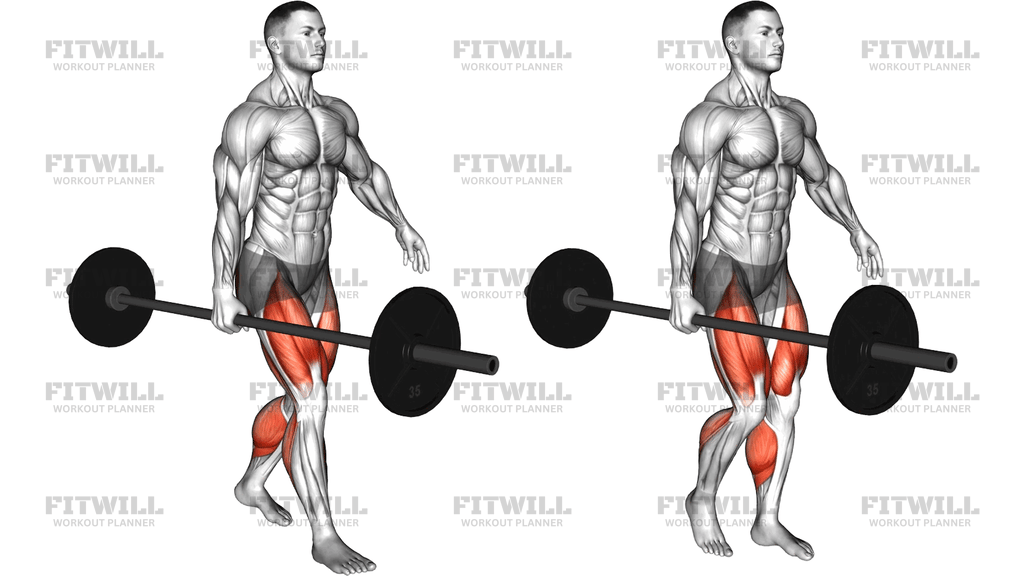
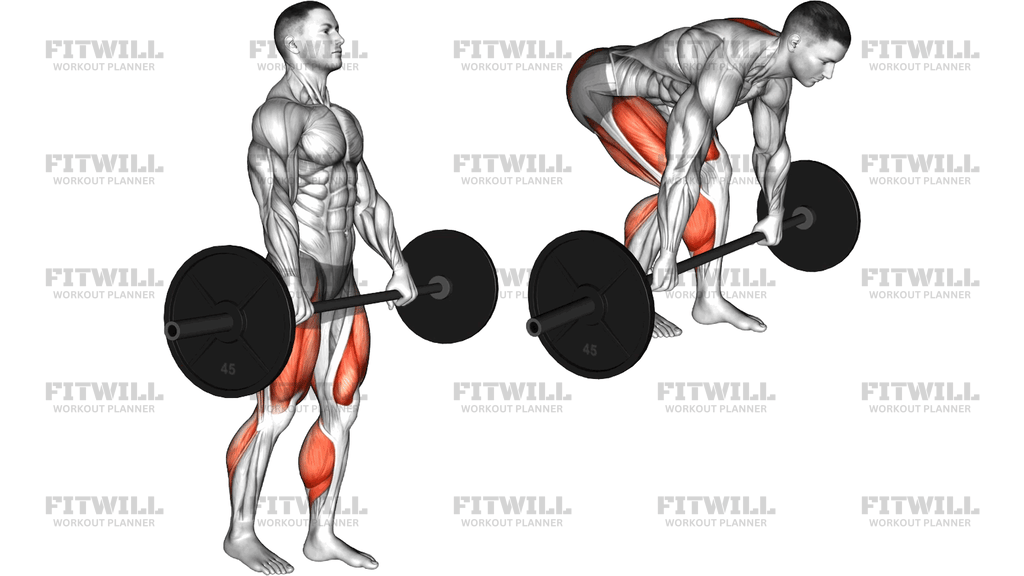
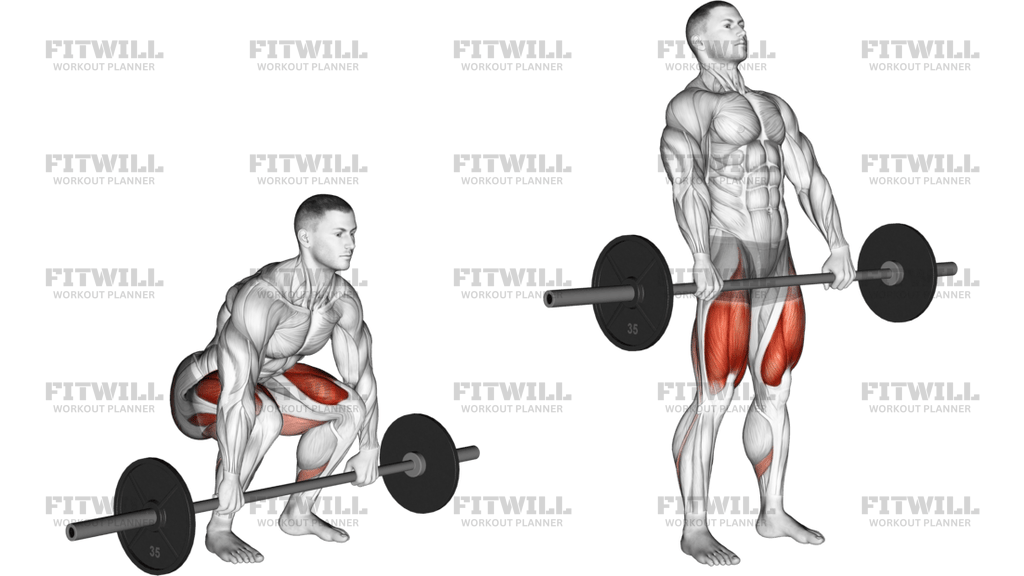
Barbell Clean Deadlift is a clean-specific deadlift variation used to build the first pull, leg drive, and finishing position for the clean. It starts from the floor and finishes with the bar at the thighs and the body standing tall, so each rep trains how to stay patient off the floor, keep the bar close, and extend the hips and knees together instead of muscling the weight upward with the arms.
Because the bar path stays tight to the shins and thighs, the exercise places a lot of demand on the quads, glutes, hamstrings, upper back, and core. It is useful for lifters who want a stronger clean setup, but it also works well as a general lower-body strength movement when you want to practice pushing through the floor with good posture. The clean deadlift pattern rewards precision more than speed, especially when the load gets heavy.
The setup matters as much as the pull. The bar should sit over the midfoot, the feet should be about hip-width, and the shoulders should start slightly in front of the bar so the legs can break it from the floor without the hips shooting up early. A firm overhand grip, tight lats, and a braced torso keep the bar from drifting forward and make the transition past the knees smoother.
On each rep, push the floor away, keep the chest and hips rising together, and let the bar skim close to the legs. Once it passes the knees, sweep it into the thighs and finish by standing tall with the glutes tight and the ribs stacked, not by leaning back. The lowering phase should be just as controlled: hinge first, then bend the knees as the bar comes back to the floor so every rep resets from the same position.
Barbell Clean Deadlift fits well before clean work, during a strength block, or as a technique accessory when you want to reinforce positions without catching the bar. Light to moderate loads are usually enough to expose posture errors, while heavier work should still look crisp and balanced. If the bar drifts away, the back rounds, or the finish turns into a jerk, the load is too heavy for the quality this exercise is meant to build.
[ Workout Log & Planner ]
Put your next workout in Fitwill
Keep your plan and training log ready when you are.


Instructions
- Stand with your feet about hip-width apart and place the barbell over your midfoot so it sits close to your shins.
- Hinge down, bend your knees until the bar is just above your shoelaces, and take an overhand grip slightly wider than your legs.
- Set your shoulders slightly in front of the bar, flatten your back, and pull your lats tight so the bar stays pinned close to you.
- Take a breath into your belly and brace before the plates leave the floor.
- Push the floor away and let your knees and hips rise together as the bar travels up your shins.
- As the bar passes your knees, sweep it into your thighs and keep it brushing close to your legs.
- Finish by standing tall with your glutes squeezed, chest up, and the bar resting against your upper thighs.
- Lower the bar by hinging first, then bending your knees once it clears them, returning it to the same starting point under control.
- Reset your breath and posture before the next rep rather than bouncing straight into the pull.
Tips & Tricks
- Think "push the floor" on the first pull; yanking the bar usually makes the hips rise before the chest.
- Keep the bar close enough to brush the shins and thighs; if it swings forward, the lats are not staying tight.
- A stance that is too wide makes it harder to keep the bar in the clean path and usually shortens the leg drive.
- Use lifting shoes or flat, stable shoes rather than soft running shoes so the bar path stays consistent.
- Stop the rep at a tall lockout; turning the top into an exaggerated lean-back steals tension from the lift.
- If your back rounds off the floor, lighten the load and reset with the shoulders slightly farther over the bar.
- Double-overhand or hook grip works well for clean-focused sets; straps can help on higher-rep accessory work if grip limits the set.
- Lower the bar with the same control you use to lift it, because a sloppy reset changes the next rep.
Frequently Asked Questions
What muscles does Barbell Clean Deadlift work?
It mainly works the quads, glutes, hamstrings, upper back, and core. The arms mostly act as hooks while the legs and torso do the work.
How is Barbell Clean Deadlift different from a regular deadlift?
Barbell Clean Deadlift is pulled with a cleaner, tighter bar path and a more athletic finish. It is meant to reinforce the positions you would use before a clean pull or power clean.
Should the bar stay in contact with my legs?
It should stay very close and usually brushes the shins and thighs on the way up. If the bar drifts away, the pull gets harder and the positions break down.
Can beginners do Barbell Clean Deadlift?
Yes, if they start with a light bar and learn the hinge, brace, and reset first. It is a good way to practice clean mechanics before trying the catch.
Do I need a hook grip for Barbell Clean Deadlift?
No, but hook grip is useful if you are using the lift to support clean training or heavier sets. A firm double-overhand grip is fine for lighter technique work.
Why do my hips shoot up before the bar leaves the floor?
That usually means you are starting too heavy or not setting your shoulders slightly over the bar. Lighten the load and think about pushing the floor away with your legs first.
Should I shrug at the top of the rep?
No big shrug is needed here. Finish by standing tall and extending the hips and knees; an aggressive shrug turns the movement into something else.
Is Barbell Clean Deadlift good before power cleans?
Yes. It is a good accessory because it reinforces the start position, bar path, and finish without requiring you to catch the bar.