Runners Stretch
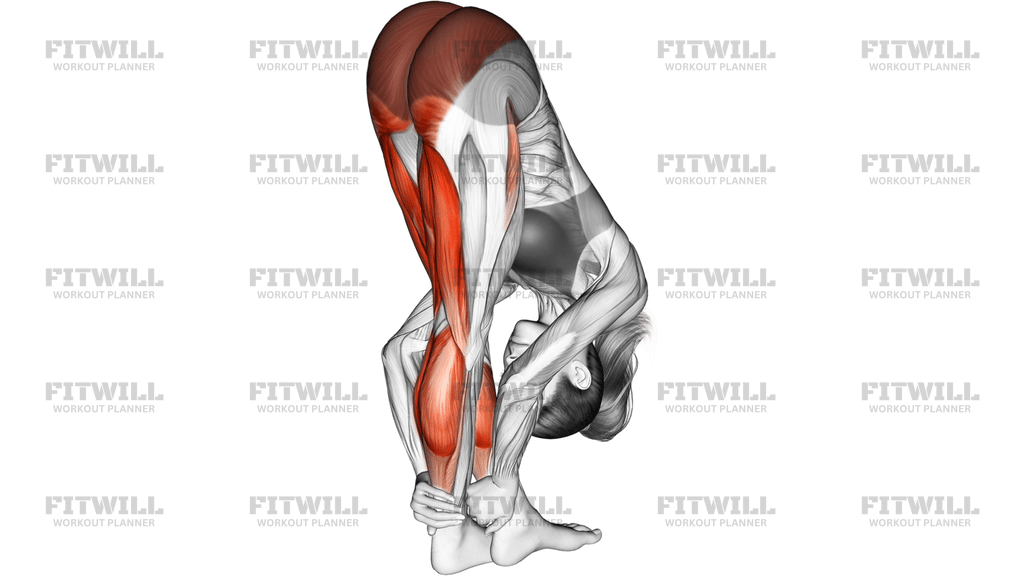
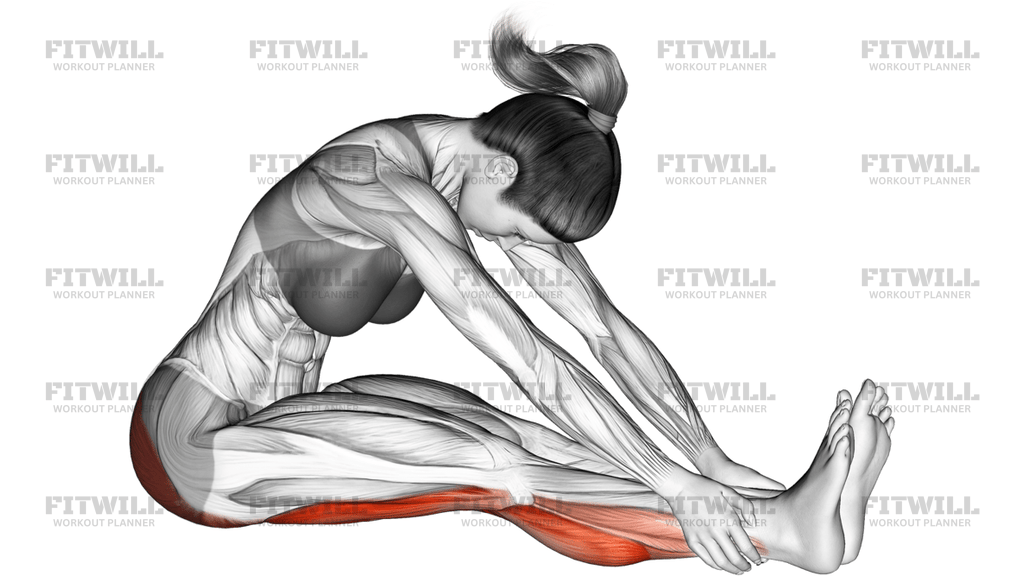
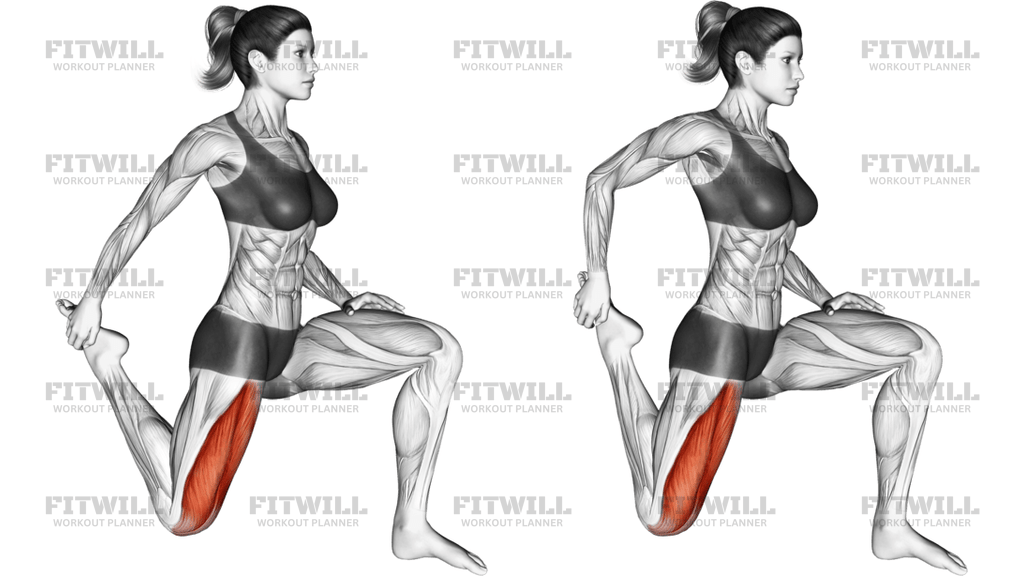
Runners Stretch is a standing mobility drill that opens the back of the front leg while reinforcing balance and hip control. In the image, the athlete starts upright, then hinges forward over a straight front leg with the toes pulled up and the hands reaching toward the shin or foot. That setup makes it a useful stretch for the hamstrings, calves, and the tissues that help the pelvis stay organized when one leg is loaded.
This is not a power exercise, but it still rewards precision. The front heel stays grounded, the front knee stays long or only softly bent, and the hips fold back instead of collapsing the chest straight down. When the hinge is clean, the stretch moves into the posterior chain without forcing the lower back to round or the shoulders to yank the body deeper than it can control.
The exercise works well in warm-ups, cooldowns, or mobility blocks for runners, lifters, and anyone who spends a lot of time sitting. It can be used as a static hold or as a slow alternating reach from side to side. The standing version also exposes balance limits, so the body has to keep the torso, pelvis, and supporting leg coordinated while the stretch is happening.
Good execution matters more than trying to touch the floor. If you need to, keep the supporting hand on the thigh, shin, or a wall so the hips can stay square and the stretch stays in the hamstring instead of turning into a fast, sloppy fold. A small knee bend is acceptable if it lets you keep the spine long and the front foot planted with control.
Use a pain-free range and breathe slowly through the hold. You should feel a strong pull along the back of the thigh and sometimes into the calf or glute, but not a sharp pinch in the hip or a tug in the low back. On each rep, rise with control, reset your stance, and switch sides evenly so both legs get the same quality of work.
Fitwill
Log Workouts, Track Progress & Build Strength.
Achieve more with Fitwill: explore over 9600 exercises with images and videos, access built-in and custom workouts, perfect for both gym and home sessions, and see real results.
Start your journey. Download today!




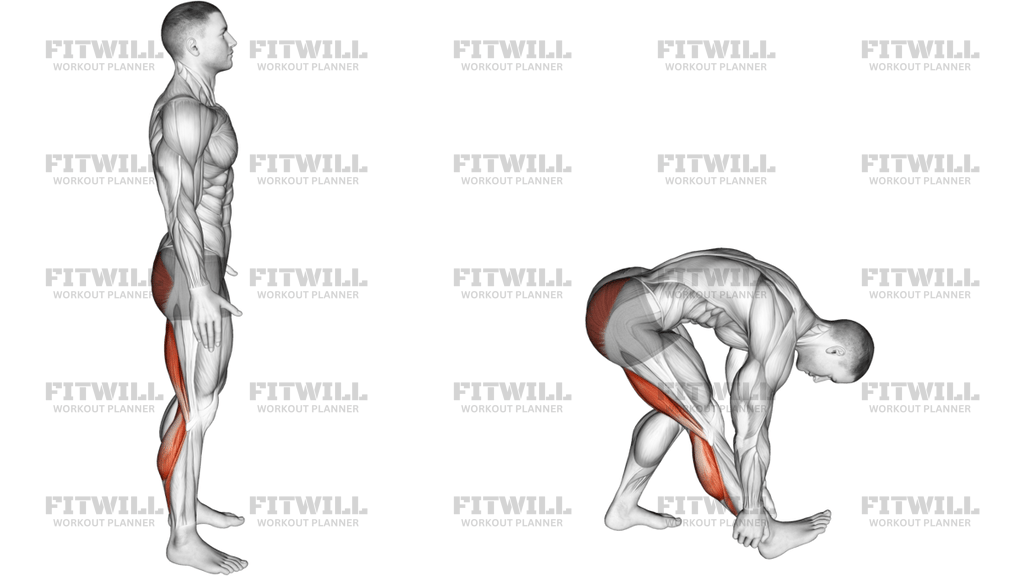
Instructions
- Stand tall on a mat with one foot a step or two in front of the other, then set the front heel down and lift the front toes toward the ceiling.
- Keep the back leg slightly behind you for balance and let both knees stay soft before you begin the hinge.
- Brace lightly through the midsection, lengthen the spine, and square the hips toward the front leg.
- Hinge at the hips and send the chest forward over the straight front leg instead of rounding the lower back.
- Reach both hands toward the front shin, ankle, or foot as far as you can without losing the long spine.
- Hold the end position for a controlled stretch, breathing slowly while keeping the front heel grounded.
- Come back up with control, reset your stance, and switch legs so both sides get the same range and tempo.
- If balance is limited, keep one hand on the thigh, shin, or a wall while you work through the stretch.
Tips & Tricks
- Think "hips back" first; the stretch should come from the hinge, not from folding the ribcage toward the knee.
- Keep the front toes pulled up so the hamstring and calf stay under tension instead of letting the ankle go slack.
- If your lower back rounds early, stop the descent where the spine can still stay long.
- A small bend in the front knee is fine if it helps you keep the pelvis square and the stretch smooth.
- Do not force the hands to the floor; reaching only as far as you can control gives a better hamstring line.
- Keep the standing foot stable and avoid twisting the torso open toward the back leg.
- Exhale into the hold to help the hamstrings relax instead of gripping harder.
- Use a wall, rack, or bench for support if the balance challenge is distracting from the stretch.
Frequently Asked Questions
What does Runners Stretch target most?
It primarily targets the hamstrings of the front leg, with additional stretch through the calf and sometimes the glute.
How should my front foot be positioned?
Keep the front heel down and pull the toes up toward you so the back of the leg stays lengthened during the hinge.
Should I keep the front knee straight the whole time?
A mostly straight knee is ideal, but a small bend is acceptable if it helps you keep the spine long and the stretch pain-free.
Why does the stretch sometimes move into my calf too?
Because the front ankle is dorsiflexed with the toes lifted, the calf can share part of the stretch along with the hamstring.
Can I do this as a warm-up before running?
Yes. Use a controlled, shorter hold in the warm-up and save longer holds for cooldown or mobility work.
What is a common form mistake in this stretch?
The biggest mistake is rounding the lower back and reaching for the floor instead of hinging at the hips over the front leg.
Do I need equipment for Runners Stretch?
No. Body weight is enough, although a wall or bench can help you balance while you hold the position.
How do I know if I am stretching too hard?
Back off if you feel sharp pain, numbness, or a pinch in the hip or low back. The sensation should stay like a strong but controllable pull.