Transverse Step-Up
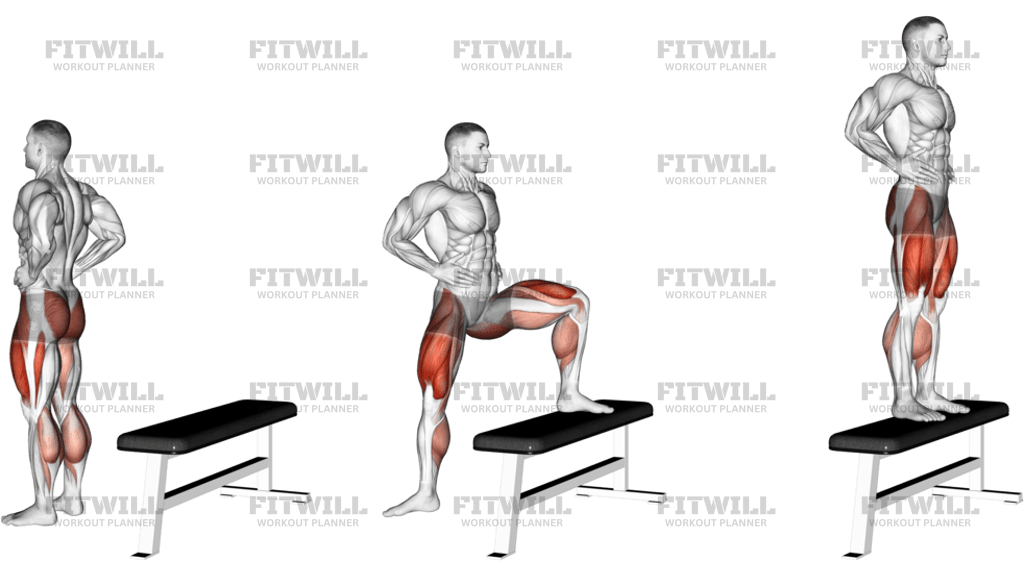
Transverse Step-Up is a bodyweight lower-body exercise performed on a flat bench with a diagonal, cross-body stepping pattern. It trains the working leg to produce force while the pelvis and torso stay organized in the transverse plane, so the movement challenges not just the thighs but also hip stability, balance, and clean control through the plant-and-drive phase.
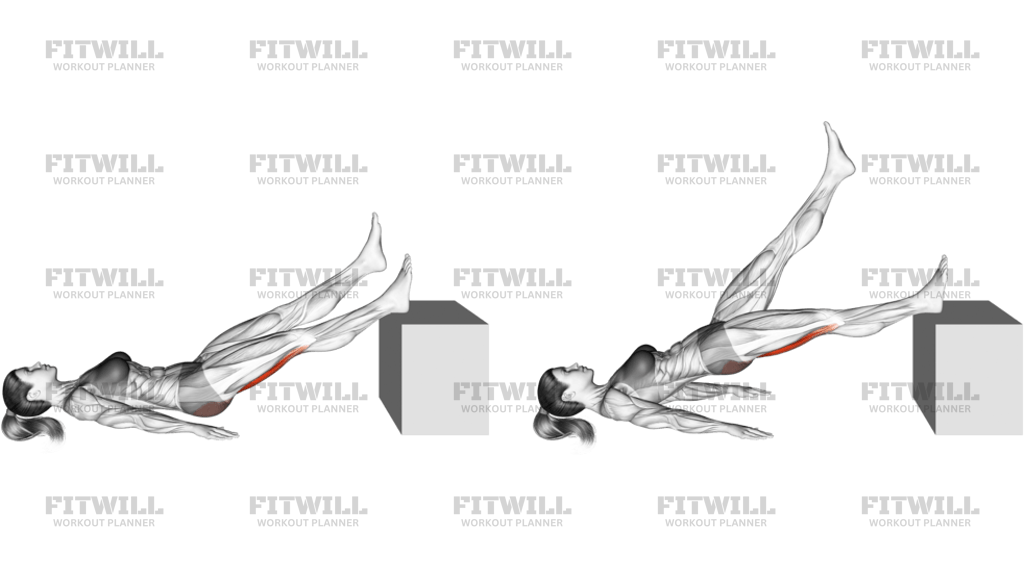
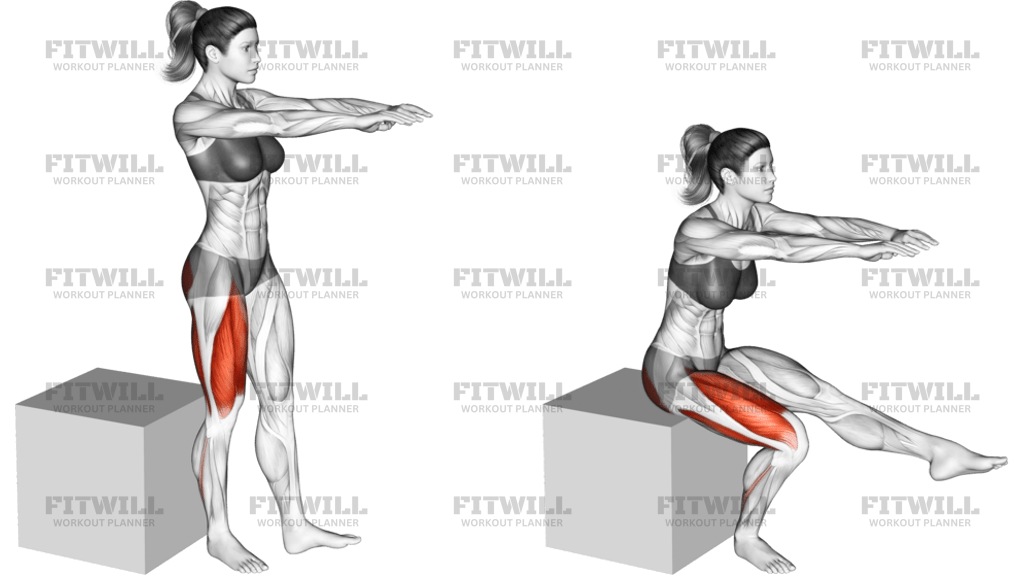
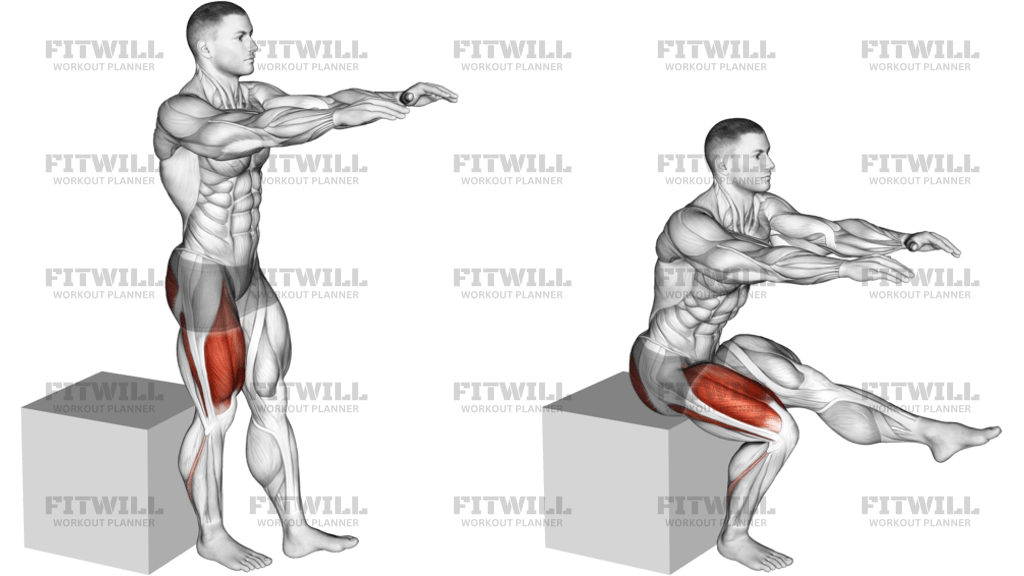
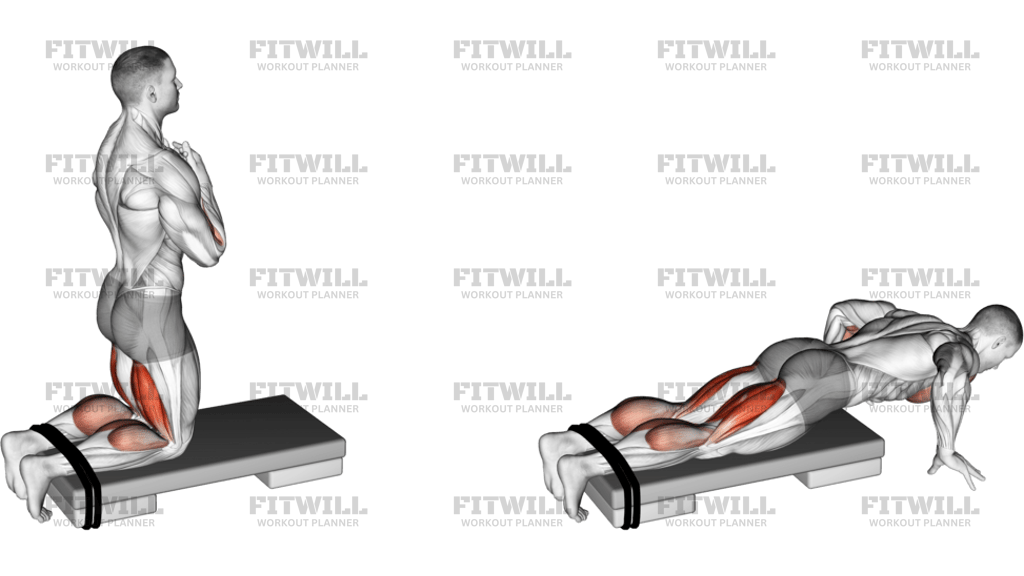
The image shows a bench-step variation rather than a straight vertical step-up. One foot is placed on the bench while the other stays on the floor, and the body rises by driving through the bench foot until you finish tall on top of the bench. That setup matters because the diagonal angle can tempt the knee to cave inward or the torso to twist early, so the rep has to stay deliberate from the first contact with the bench.
This movement is useful when you want unilateral leg work without external load, or when you need a controlled stepping drill that reinforces knee tracking, hip extension, and pelvis control. It fits well in warm-ups, accessory work, athletic prep, or bodyweight sessions where you want a moderate strength challenge without needing equipment beyond a stable bench.
Good reps start with a stable foot on the bench, a tall chest, and a light brace before the drive. Push through the whole foot on the bench, keep the standing knee aligned with the toes, and bring the trailing leg up only after the working leg has done the lift. At the top, stand fully upright instead of leaning over the bench, then lower under control to the start position so each rep finishes with balance instead of a drop.
Because the pattern is partly rotational, control matters more than speed. If the bench is too high or your setup is too narrow, the knee and hip have to fight harder to stay centered. Keep the bench height manageable, use a smooth tempo, and stop the set if you start bouncing off the floor, twisting through the trunk, or collapsing into the hip on the way up.
Fitwill
Log Workouts, Track Progress & Build Strength.
Achieve more with Fitwill: explore over 9600 exercises with images and videos, access built-in and custom workouts, perfect for both gym and home sessions, and see real results.
Start your journey. Download today!




Instructions
- Place a flat bench beside you and stand next to it with your feet hip-width apart.
- Set the working foot on top of the bench at a slight diagonal so the toes and knee can track in line.
- Keep the trailing foot on the floor, chest tall, and hips square before you start.
- Brace lightly through the trunk and shift your weight into the foot on the bench.
- Drive through the whole foot on the bench to lift your body up and across onto the bench.
- Bring the trailing leg up under control as you finish standing tall on the bench.
- Pause briefly at the top with both hips level and the standing leg straight but not locked hard.
- Lower the trailing foot back to the floor slowly, then step the working foot down to reset.
- Repeat for the planned reps, breathing out on the drive and in on the descent.
Tips & Tricks
- Choose a bench height that lets you stand up without hiking the hip or bouncing off the floor.
- Keep the working knee pointed in the same direction as the toes instead of letting it collapse inward.
- Press through the heel and midfoot on the bench so the glutes and thighs do the lifting work.
- Keep the pelvis level at the top; a visible hip drop usually means the step is too high or the rep is too fast.
- Let the torso stay tall instead of folding over the thigh as you drive upward.
- Lower under control on every rep; the descent should look as deliberate as the drive up.
- Use a slight diagonal setup, but do not rotate the shoulders aggressively to help the leg finish the rep.
- If balance is the limiter, slow the tempo before you shorten the range or add speed.
Frequently Asked Questions
What muscles does the Transverse Step-Up work?
It primarily trains the quads, glutes, and adductors on the working leg, with the hips and core helping keep the body stable through the diagonal step.
Is the Transverse Step-Up a good beginner exercise?
Yes, if the bench is low and the tempo stays slow. Beginners should use a setup that lets them keep the knee, hip, and torso under control.
Where should my foot be on the bench?
Place the whole foot on the bench with enough space to keep the knee tracking over the toes. If the foot is too close to the edge, balance and force production both suffer.
Should my torso twist during the rep?
No. The transverse setup is a challenge to control rotation, not an excuse to spin the torso. Keep the chest mostly square and let the leg drive the body up.
Why do I feel this in my hips so much?
The hip on the working side has to stabilize the pelvis while the leg extends. That hip work is part of the exercise, especially when the diagonal angle is strict.
What is the most common mistake on this step-up?
People often push off the floor leg too early or let the knee cave inward. The working leg should finish the lift before the trailing leg helps.
Can I use this in a warm-up or athletic prep session?
Yes. It works well as a controlled unilateral drill before lower-body lifting, running, jumping, or change-of-direction work.
How do I make the exercise harder without adding weight?
Use a slightly higher bench, slow the lowering phase, or pause at the top while keeping the knee and pelvis steady.