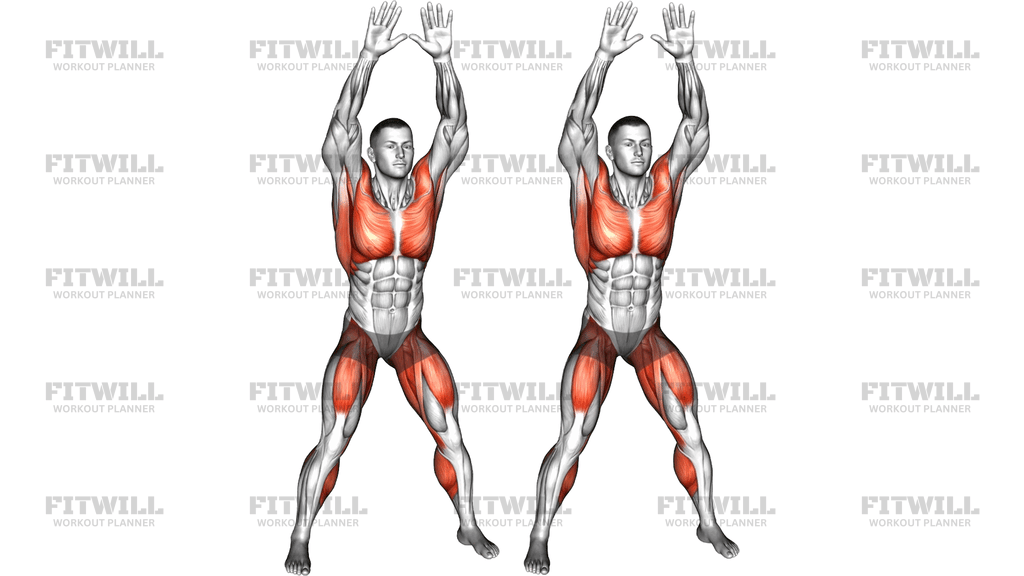
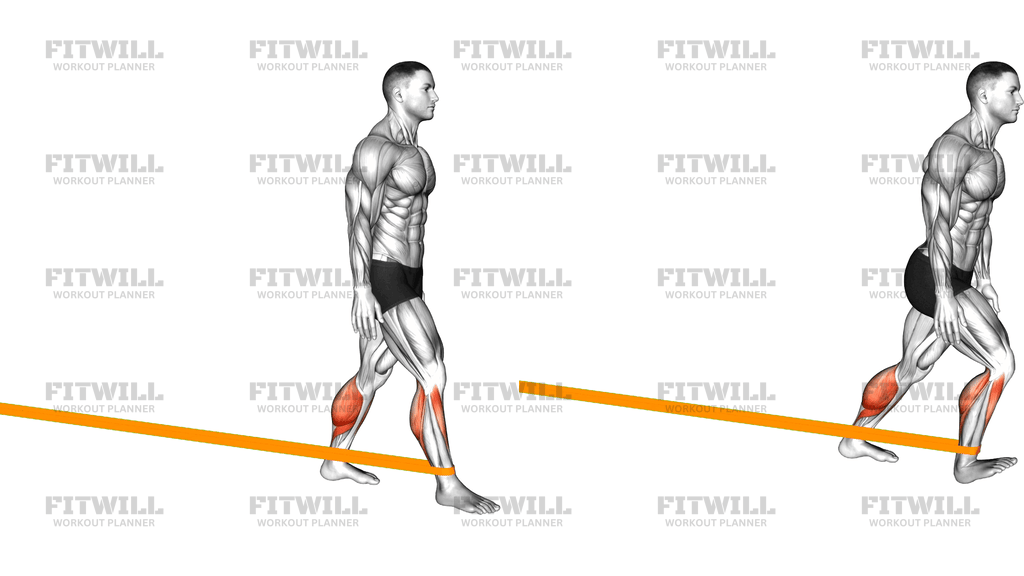
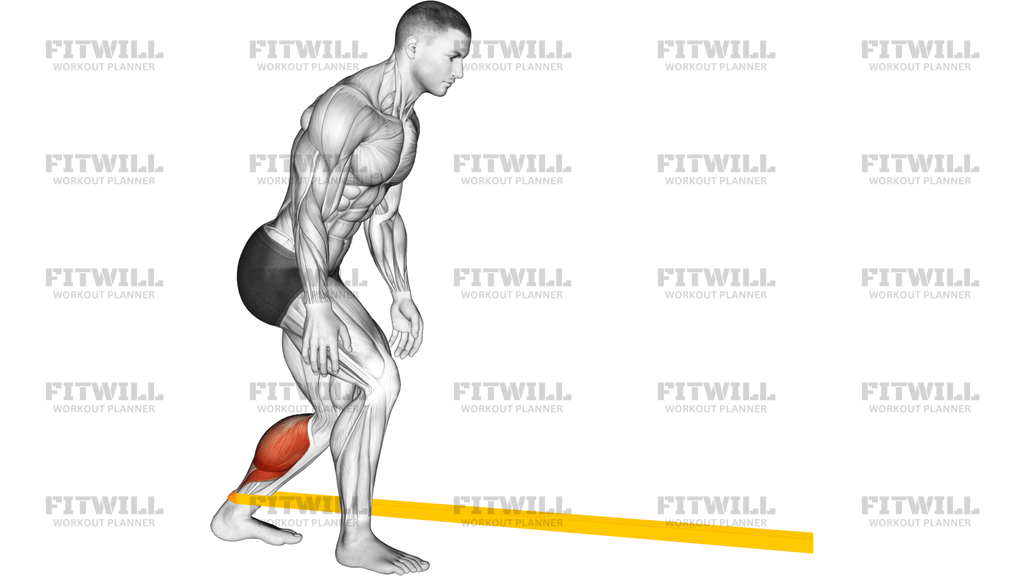
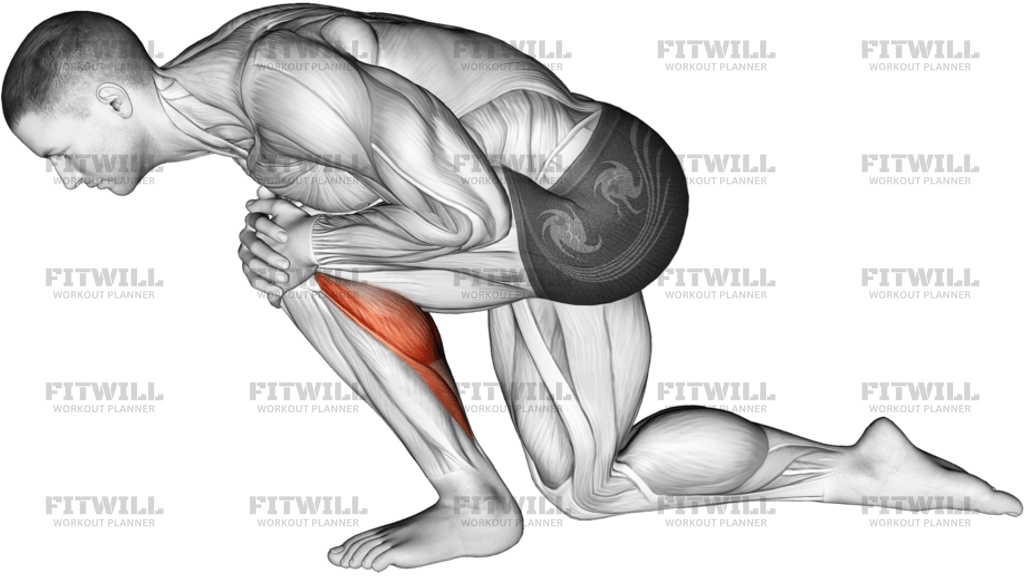
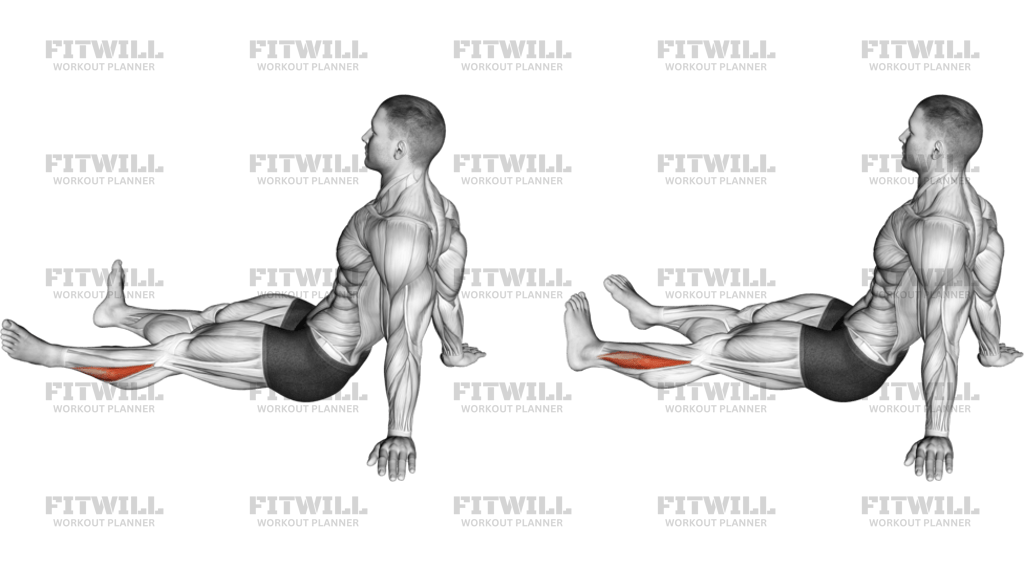
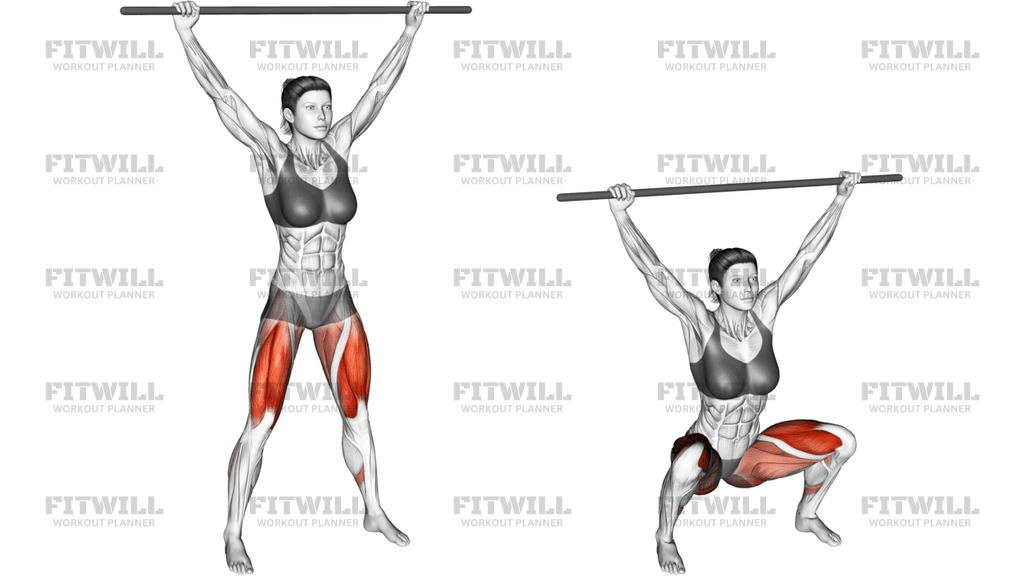
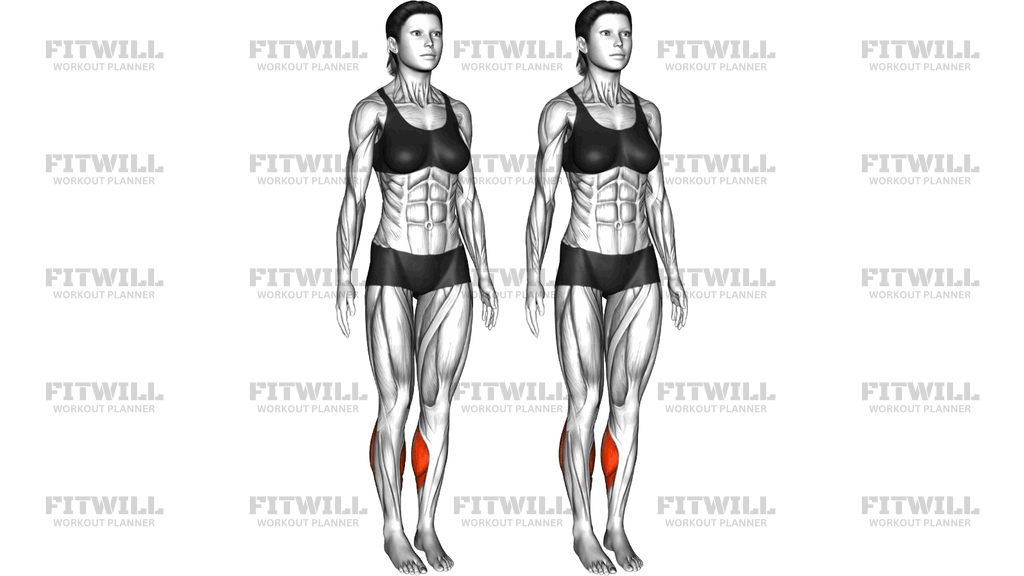
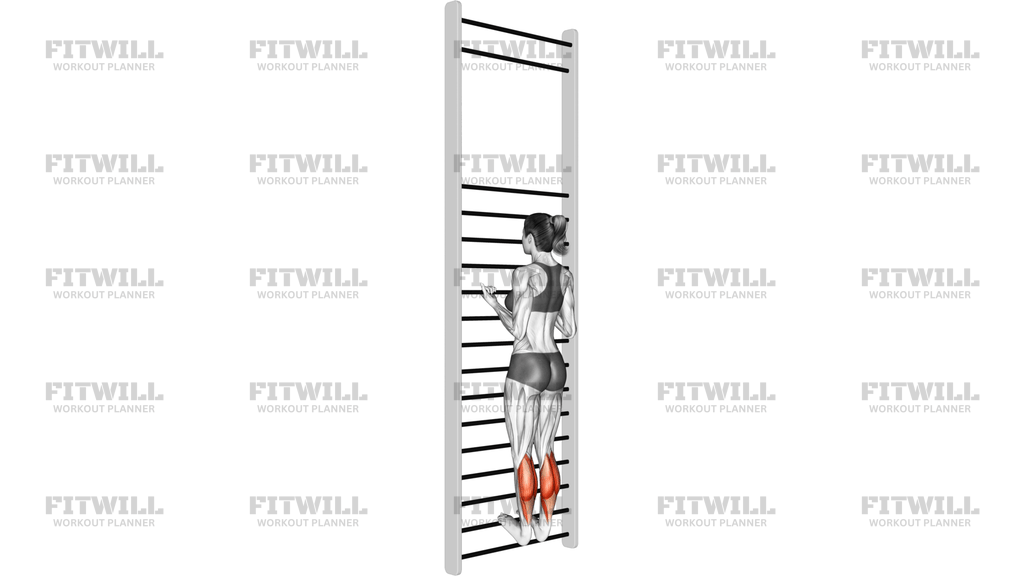
Calves Stretch Static Position
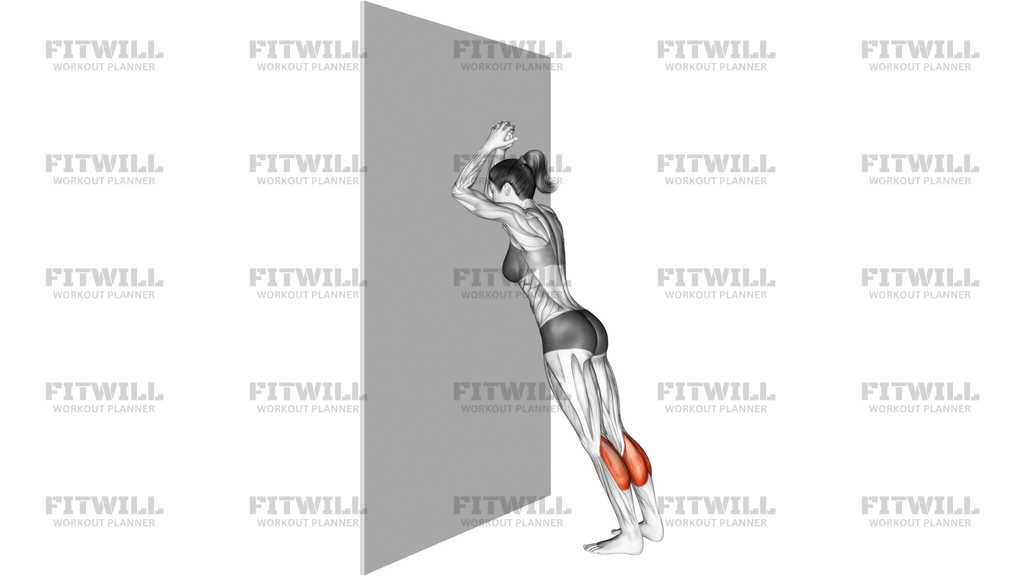
Calves Stretch Static Position is a standing calf stretch held in place to lengthen the lower leg after training or during mobility work. The exercise uses body weight and a simple open floor setup, often with a mat for grip and comfort, so the main challenge is not strength but finding the right stance, heel position, and amount of lean.
The stretch primarily targets the calves, especially the back leg of a split stance, while the front leg and trunk work to keep you balanced and upright. In coaching terms, the goal is to let the calf tissue lengthen without turning the hold into a sloppy forward lunge or a bounce. The exercise name matters here because this is a static position: you are meant to settle into the stretch and stay there long enough for the calf to open up.
Setup is the whole exercise. A small change in step length, knee bend, or heel pressure can shift the stretch between the upper calf and the deeper lower calf. Keep the back heel planted, keep the back knee long unless you are intentionally softening it for the soleus, and keep the toes pointed forward enough that the ankle can actually stretch. If you rush the stance, the stretch usually moves into the hip or the low back instead of the calf.
During the hold, breathe slowly and let each exhale reduce the urge to brace too hard. You should feel a firm stretch in the calf of the rear leg, not sharp pain in the Achilles tendon or the foot arch. The front leg helps control the body, but the rear foot and ankle should stay honest on the floor. That is why this variation works well for runners, walkers, and anyone who feels stiff after leg training or long periods of sitting.
Use this stretch in a warm-up when calves feel guarded, or more commonly in a cooldown when you want to restore ankle extension and reduce tightness before leaving the gym. It is simple enough for beginners, but it still rewards good details: square hips, steady breathing, and a patient hold. If you want a stronger calf stretch, lengthen the stance or shift the pelvis forward a little; if you feel strain at the heel, shorten the stance and back off until the stretch lands in the muscle instead of the tendon.
Fitwill
Log Workouts, Track Progress & Build Strength.
Achieve more with Fitwill: explore over 9600 exercises with images and videos, access built-in and custom workouts, perfect for both gym and home sessions, and see real results.
Start your journey. Download today!




Instructions
- Stand on a mat or other non-slip surface and step one foot back into a staggered stance.
- Keep both feet pointing mostly forward and plant the back heel flat on the floor.
- Square your hips toward the front and lightly brace your torso so you do not fold at the waist.
- Bend the front knee until you feel the stretch build in the calf of the back leg.
- Keep the back leg straight enough to load the calf, but do not lock the knee hard.
- Press the back heel down and the back toes into the floor while staying tall through the chest.
- Hold the position without bouncing and breathe slowly through the stretch.
- Ease out of the hold with control, then switch sides and repeat with the same stance length.
Tips & Tricks
- If the stretch stays in your Achilles tendon, shorten the stance and soften the front knee slightly.
- If you want more gastrocnemius work, keep the back knee straighter and the heel firmly rooted.
- If you want a gentler soleus-biased stretch, bend the back knee a little while keeping the heel down.
- Keep the front foot far enough forward that you can hold the position without wobbling or gripping the toes.
- Do not twist the rear foot outward; that usually reduces the stretch and stresses the ankle joint.
- Keep the ribs stacked over the pelvis instead of arching the lower back to fake more range.
- Use a wall, rack, or bench lightly for balance if the hold turns into a balancing drill.
- Hold each side long enough to let the calf relax, then rebuild the stance before the next rep.
Frequently Asked Questions
What part of the calf does Calves Stretch Static Position target most?
It mainly targets the calf of the rear leg, with the exact emphasis changing based on how straight you keep that knee.
Can beginners perform this exercise?
Yes. It is a beginner-friendly stretch as long as you keep the stance short enough to stay balanced and pain-free.
Do I need equipment for the calf stretch?
No external load is needed. A mat, wall, or sturdy support can help with footing and balance, but the stretch itself is bodyweight.
Why must the back heel stay down?
Keeping the heel planted keeps tension in the calf and lets the ankle move into a true stretch instead of shifting the work to the front leg.
Should my back knee be straight or bent?
Straighter knees bias the gastrocnemius, while a slight bend shifts more stress toward the deeper soleus.
What does a bad rep usually look like?
The usual mistake is bouncing, twisting the rear foot, or leaning so far forward that the stretch leaves the calf and goes into the low back or hip.
Is this better before or after a workout?
It is most often used after training or during cooldown work, but a lighter version can be useful in a warm-up if your calves feel stiff.
How long should I hold each side?
A steady hold of about 15 to 30 seconds is a practical starting point, then repeat once or twice if the calves are especially tight.