Raised Leg Knee Flexor Stretch
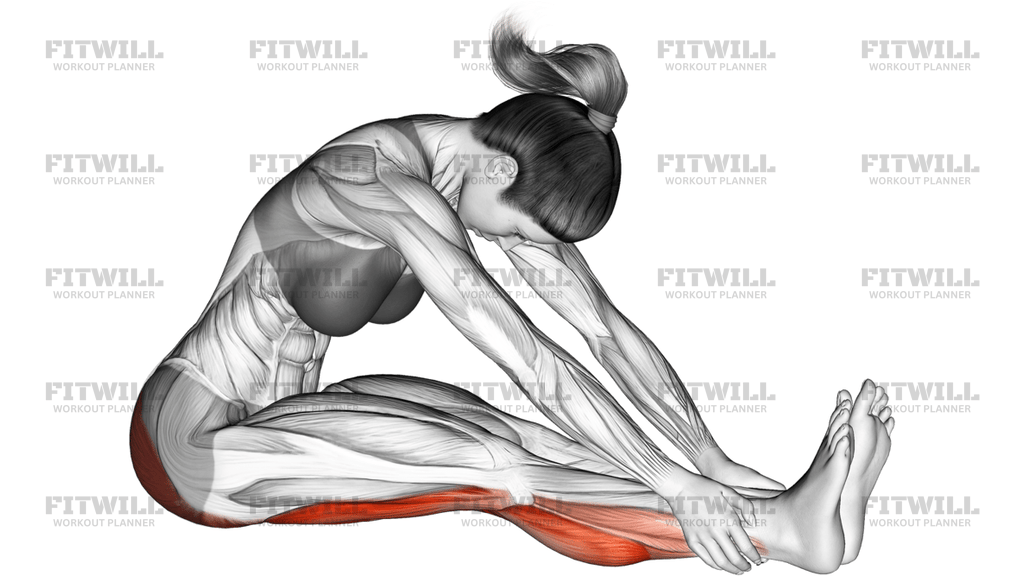
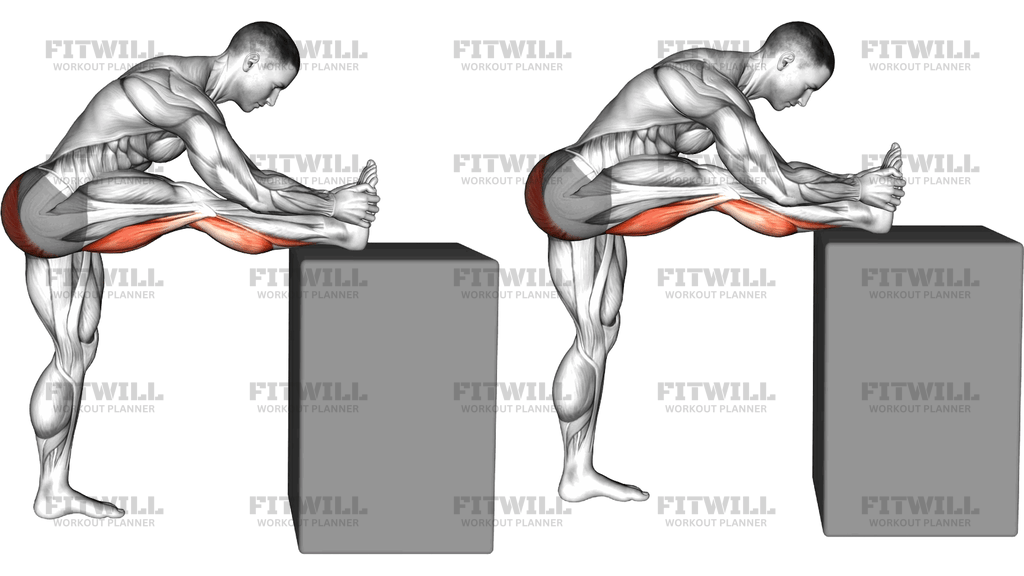
Raised Leg Knee Flexor Stretch is a standing hamstring-focused mobility drill performed with one leg supported on a raised surface such as a box, bench, or step. It is used to lengthen the back of the thigh while keeping the hips organized, making it useful for anyone who feels tightness when hinging, kicking, sprinting, or folding forward at the hips.
The raised leg changes the angle of the stretch and makes pelvic position more important. If the hips turn or the low back rounds, the stretch shifts away from the knee flexors and into the spine. Keeping the support leg planted, the lifted knee straight, and the toes active helps the stretch stay on the posterior thigh where it belongs.
To do Raised Leg Knee Flexor Stretch well, think about folding from the hip crease rather than collapsing through the waist. Reach toward the foot or shin only as far as you can while keeping a long spine and square hips. The goal is a steady, controlled stretch sensation along the back of the raised leg, not a sharp pull behind the knee or a forced touch to the foot.
This stretch fits well after lower-body training, running, cycling, or any session that leaves the hamstrings and glutes feeling tight. It can also be used in a warm-up if you keep the holds short and the movement gentle. Because the position is unilateral, it is also useful for noticing side-to-side differences in flexibility, balance, and hip control.
Safety comes from choosing a surface height you can handle and easing into range gradually. If the stretch is too aggressive, lower the box, soften the standing knee slightly, or reduce how far you hinge. Stop short of pain, keep breathing smooth, and reset before the next rep so each side gets the same clean, controlled stretch.
[ Workout Log & Planner ]
Put your next workout in Fitwill
Keep your plan and training log ready when you are.


Instructions
- Stand facing a box, bench, or step and place one heel on top with that knee straight and the toes pointing up.
- Keep the other foot planted on the floor, then square your hips so both hip bones face forward.
- Brace lightly through your midsection and lengthen your chest before you move into the stretch.
- Hinge forward from your hips, sliding your hands toward the lifted foot or shin without rounding your lower back.
- Stop when you feel a strong stretch along the back of the raised thigh, not a sharp pull behind the knee.
- Keep the raised leg active by pulling the toes back toward you if that feels comfortable.
- Hold the end position with calm breathing and a steady torso instead of bouncing or forcing deeper range.
- Ease back to the starting position under control, then repeat on the other side for the same amount of time or reps.
Tips & Tricks
- Choose a support height that lets you keep the pelvis level; if the box is too high, the stretch usually turns into a back round.
- Keep the raised knee fully straight but not jammed backward, especially if you feel tension behind the knee rather than in the hamstring.
- A small bend in the standing knee can help you hinge deeper without losing balance or dumping into the low back.
- Reach forward by folding at the hips, not by dropping the head and shoulders toward the foot.
- Pointing the toes up increases the stretch on the back of the thigh; letting the foot relax often shifts the sensation lower into the calf.
- Hold each side long enough to let the tissue settle, but do not chase pain or force the chest to the shin.
- If one side feels much tighter, keep the torso square and avoid twisting toward the looser leg to cheat the range.
- After a few breaths, back off slightly and re-enter the stretch instead of trying to push deeper in one long yank.
Frequently Asked Questions
What does Raised Leg Knee Flexor Stretch target most?
It mainly targets the hamstrings and the broader posterior thigh, especially when you hinge forward with the raised knee straight.
Can beginners perform this exercise?
Yes. Beginners usually do best with a lower box or bench and a smaller hinge until they can keep the hips square and the spine long.
Should the raised knee stay locked out?
Keep it straight enough to stretch the hamstring, but do not forcefully lock the knee or snap into end range.
Why does my lower back feel this more than my thigh?
That usually means you are rounding instead of hinging at the hips. Keep the chest long, square the pelvis, and use less range if needed.
Where should I feel the stretch on Raised Leg Knee Flexor Stretch?
You should feel it along the back of the raised thigh, with maybe a little tension behind the knee. Sharp pain in the knee or spine is a sign to back off.
Can I do this before running or leg day?
Yes, but keep the holds short and gentle before activity. Longer, deeper holds are better after training or in a dedicated mobility block.
What if I cannot reach my foot comfortably?
Reach for the shin or ankle instead and keep the spine neutral. The stretch is about hip hinge and hamstring length, not touching the toes.
What should I do if one side is much tighter?
Stay square and spend a little longer on the tighter side, but use the same setup and do not twist your torso to fake more range.